Free written scope consultation - allowances, timeline, and change-order rules on paper before a single trade is scheduled
Cambria Home Additions & ADU: The Orlando Owner’s Guide
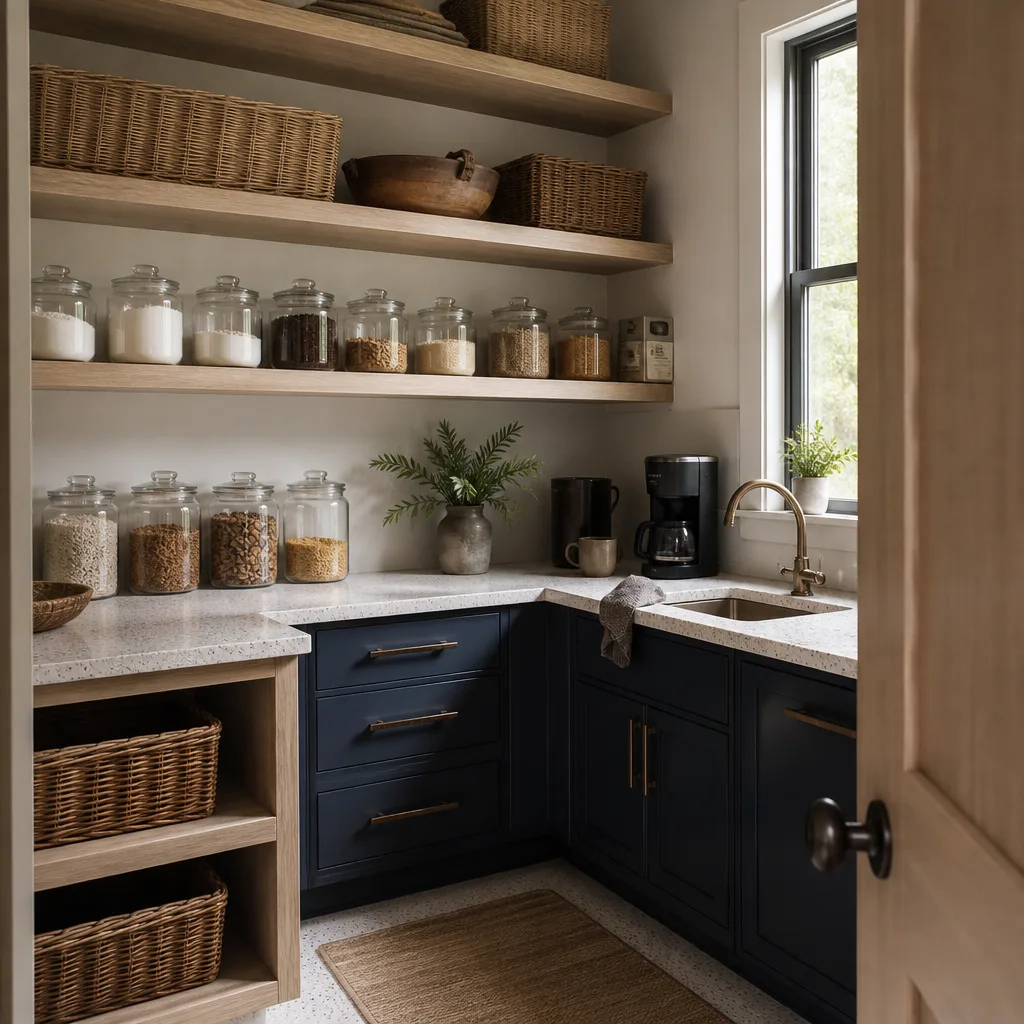
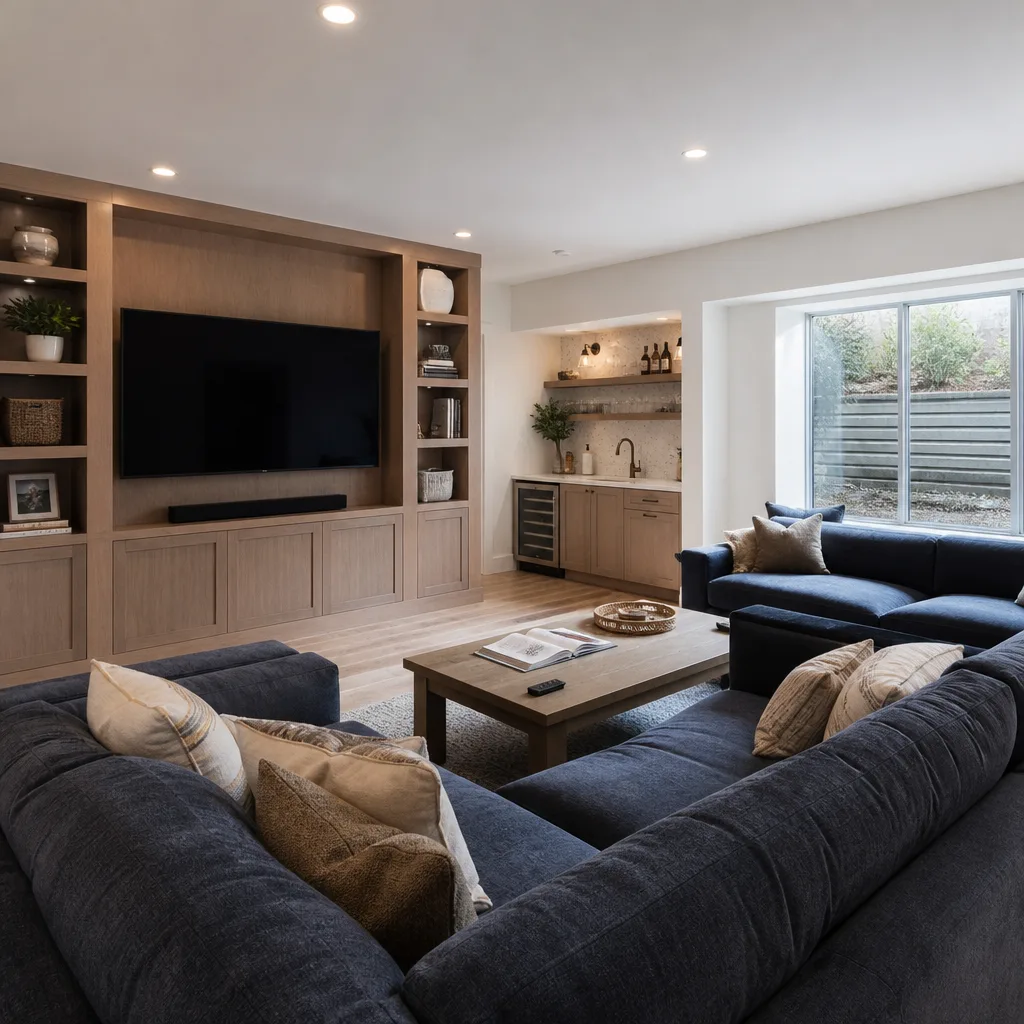
If you’re planning a home addition or ADU in Orlando and want Cambria quartz surfaces in the new space, the installed project typically runs $45,000 to $130,000 for an addition, or $90,000 to $220,000 for a full detached ADU. We plan, permit, build, and finish additions with Cambria countertops, backsplashes, and wet-bar surfaces spec’d to your exact slab selection. Most Orlando owners don’t think about “parts” on an addition until they’re standing in a half-finished space wondering why the countertop seam doesn’t line up, the island overhang flexes, or the Cambria edge profile doesn’t match the sample they approved. What you’re really dealing with at that point is a material compatibility problem: the Cambria slab was fabricated off-spec, the cabinet substrate wasn’t rated for quartz weight, or the install crew didn’t follow Cambria’s fabrication tolerances. Isaac Pruett has walked into enough Orlando additions mid-project to know the difference between a part failure and a process failure, and we’ll tell you which one you have before we quote anything.
Which Cambria Models This Applies To
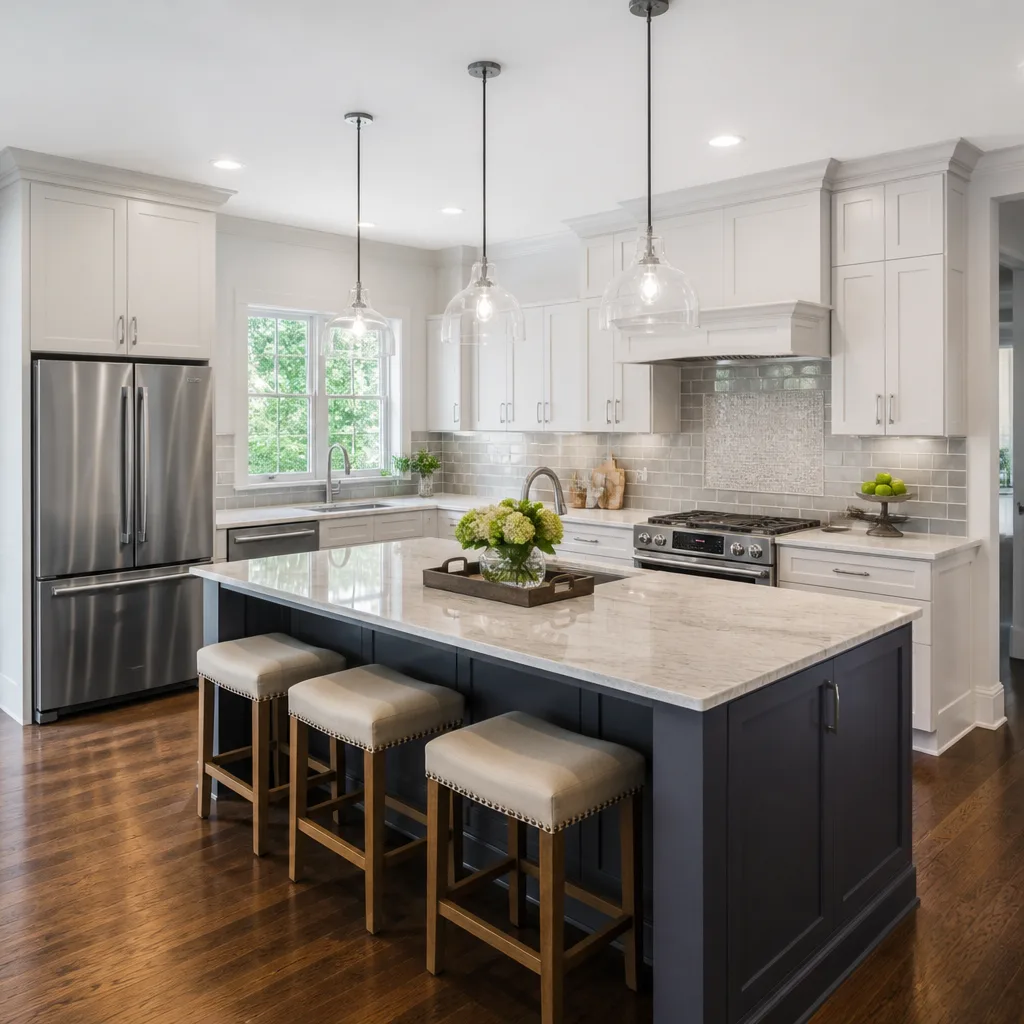
Cambria doesn’t make “parts” the way a faucet brand does. What fails or needs matching on a home addition or ADU is the fabricated quartz component itself: the slab, the edge profile, the seam placement, the sink cutout, the backsplash height. Cambria’s design palette runs over 200 colorways across collections like the Marble, Classic, and Design series, and each collection has different slab dimensions. Standard Cambria slabs are 132 inches by 65.5 inches, or roughly 56 square feet of usable material, but jumbo slabs run 144 inches in some colorways. That matters on an Orlando addition because a 10-foot island with a waterfall edge needs a seam plan that accounts for slab length, grain direction, and the fact that quartz can’t be “patched” like natural stone. If you’re matching an existing Cambria countertop in the main house to a new run in the addition, you need the exact color name and lot reference. Cambria runs color lots, and two slabs of the same named color from different production runs can shift slightly in tone. We order slabs by color name and visual inspection before fabrication, and we confirm the lot with you before we cut. On the OEM-versus-aftermarket question: there is no aftermarket Cambria. Cambria is a proprietary quartz surface. Anyone selling you a “Cambria-equivalent” at a discount is selling you a different quartz brand, often Silestone or Caesarstone, and you should know that before you sign. We install Cambria, Silestone, and Caesarstone, and we’ll tell you what the price difference actually buys you in terms of warranty, stain resistance, and repairability. We’re an independent contractor, not affiliated with Cambria, which means we can be honest about when Cambria is worth the money and when a comparable quartz does the same job for less.
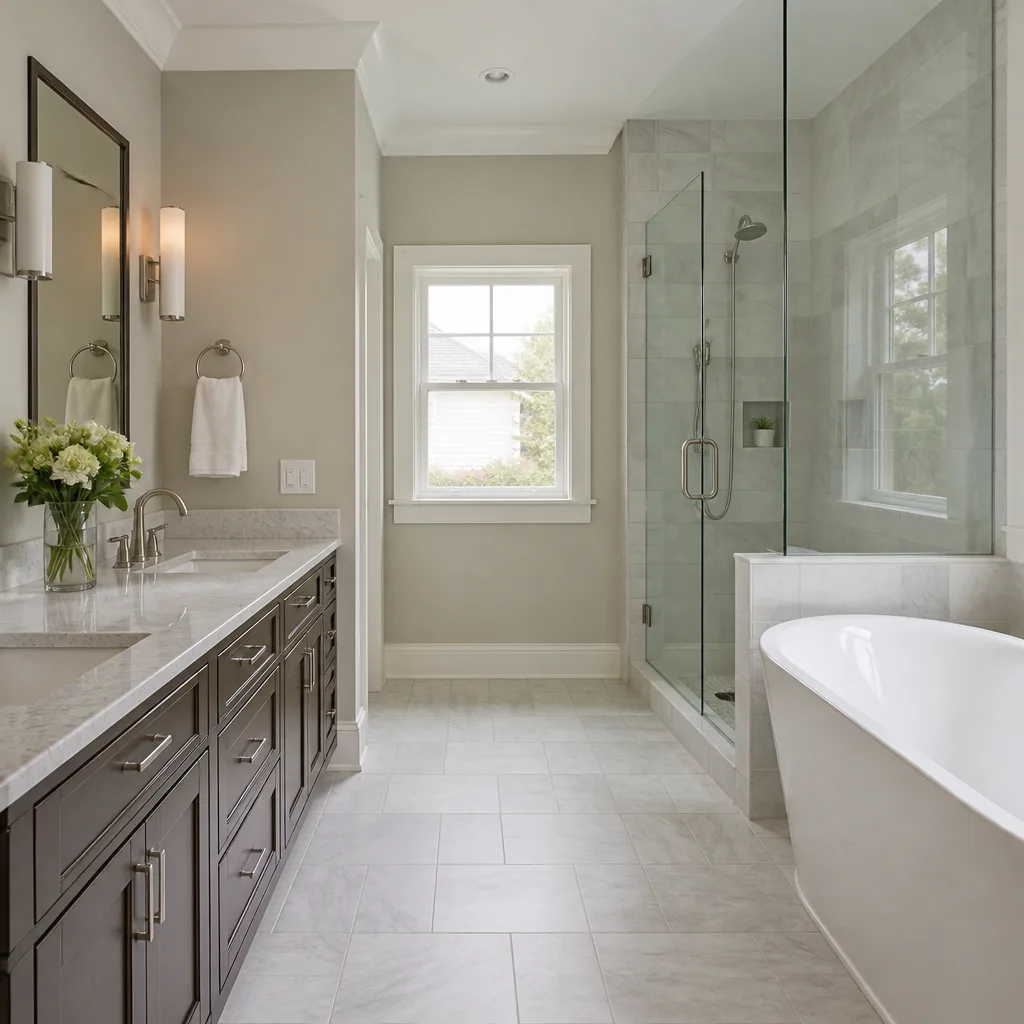
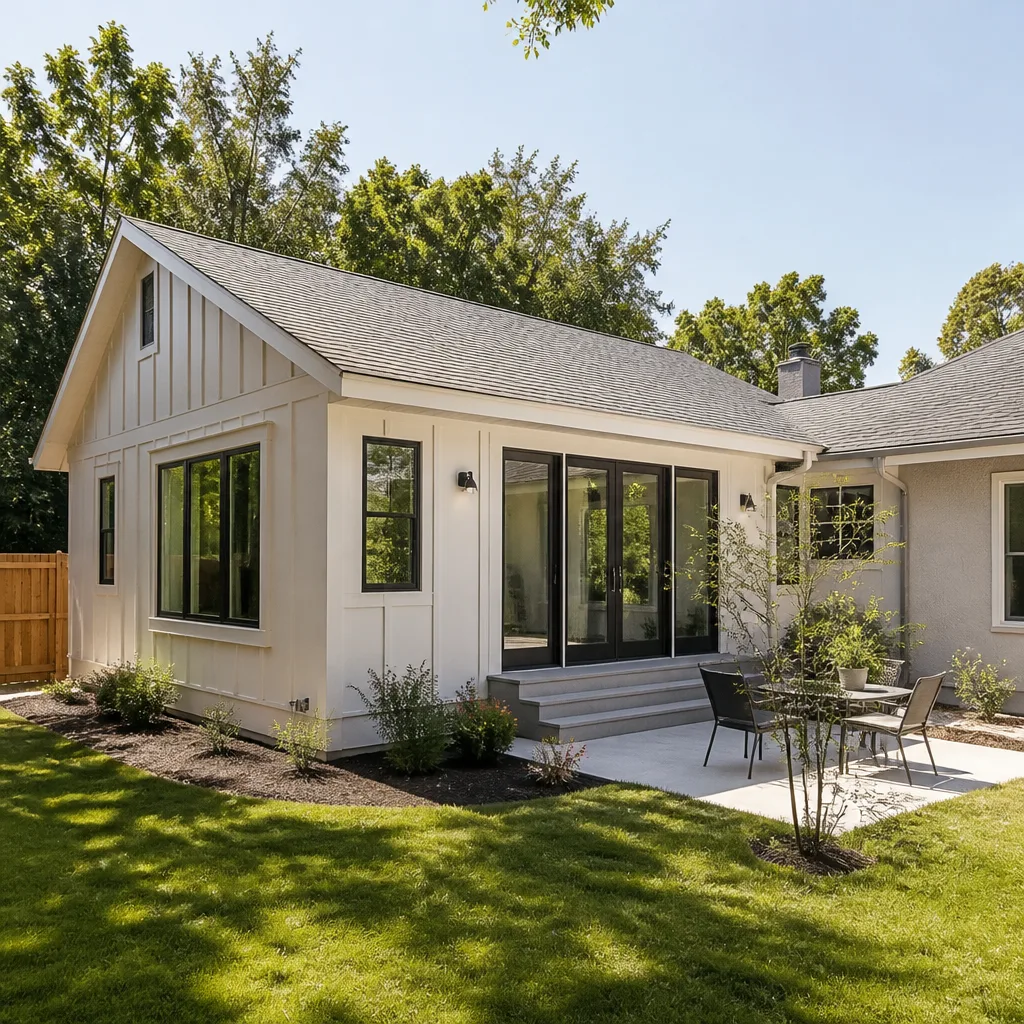
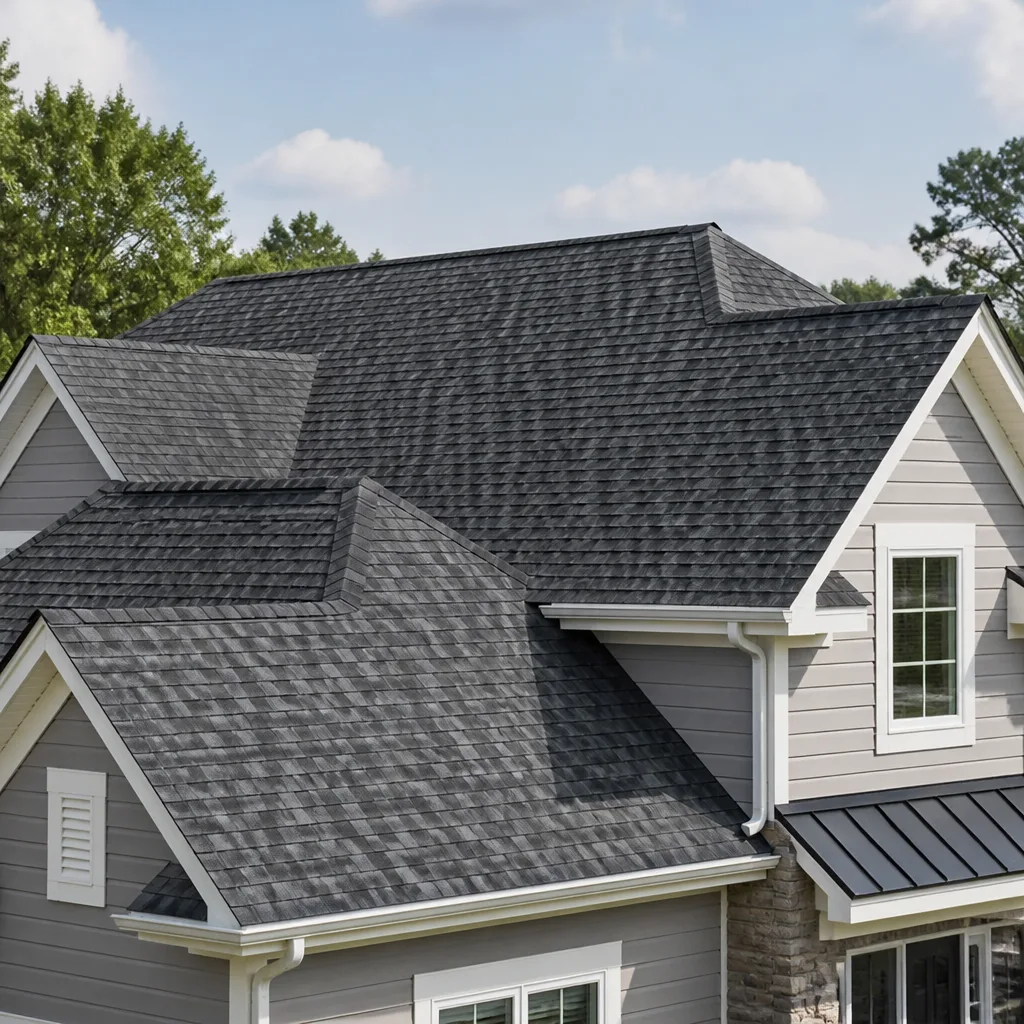
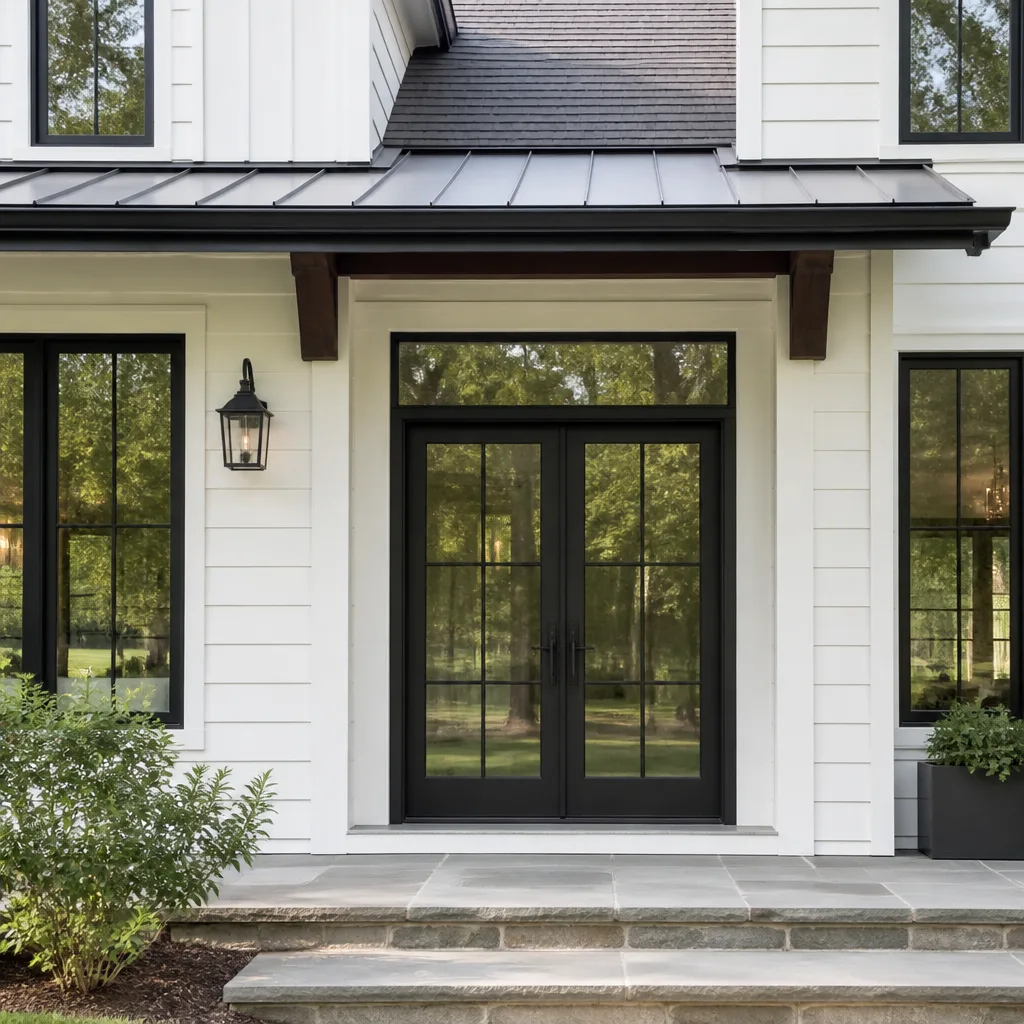
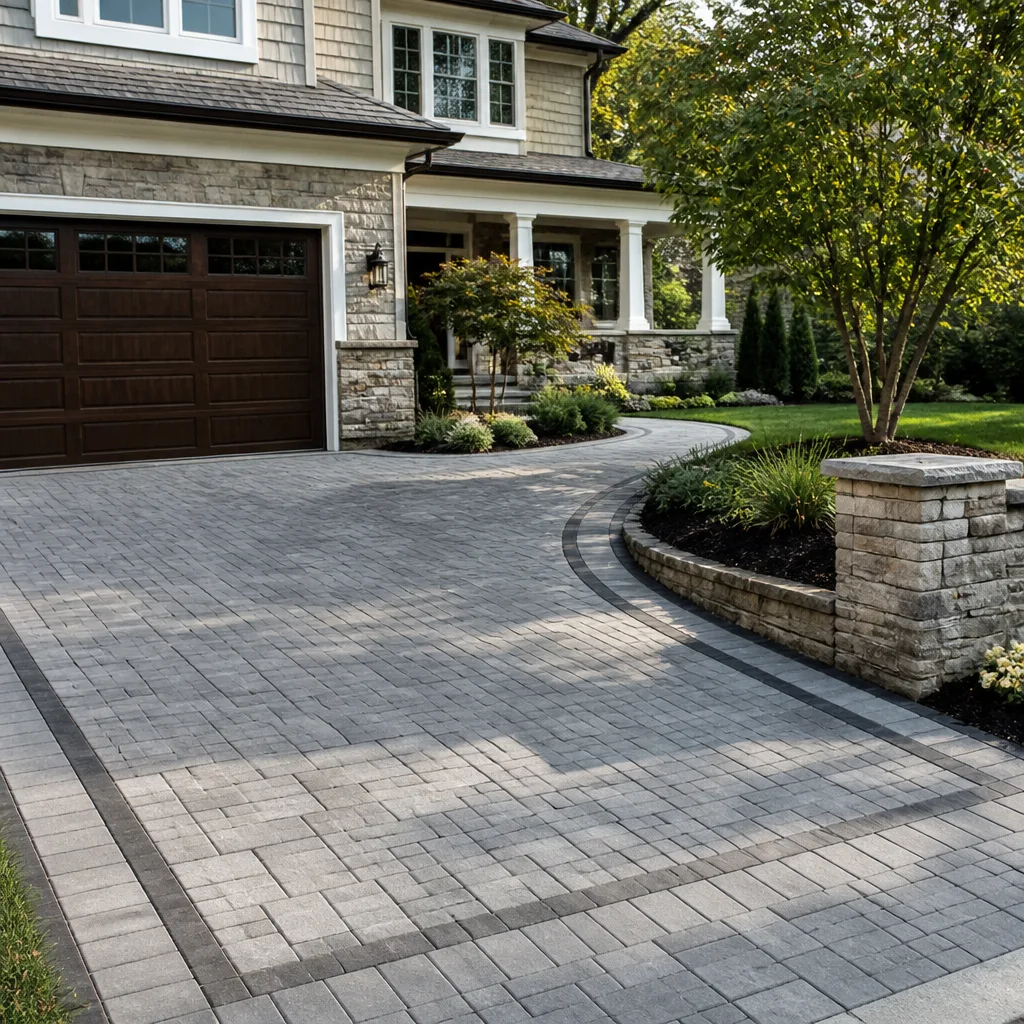
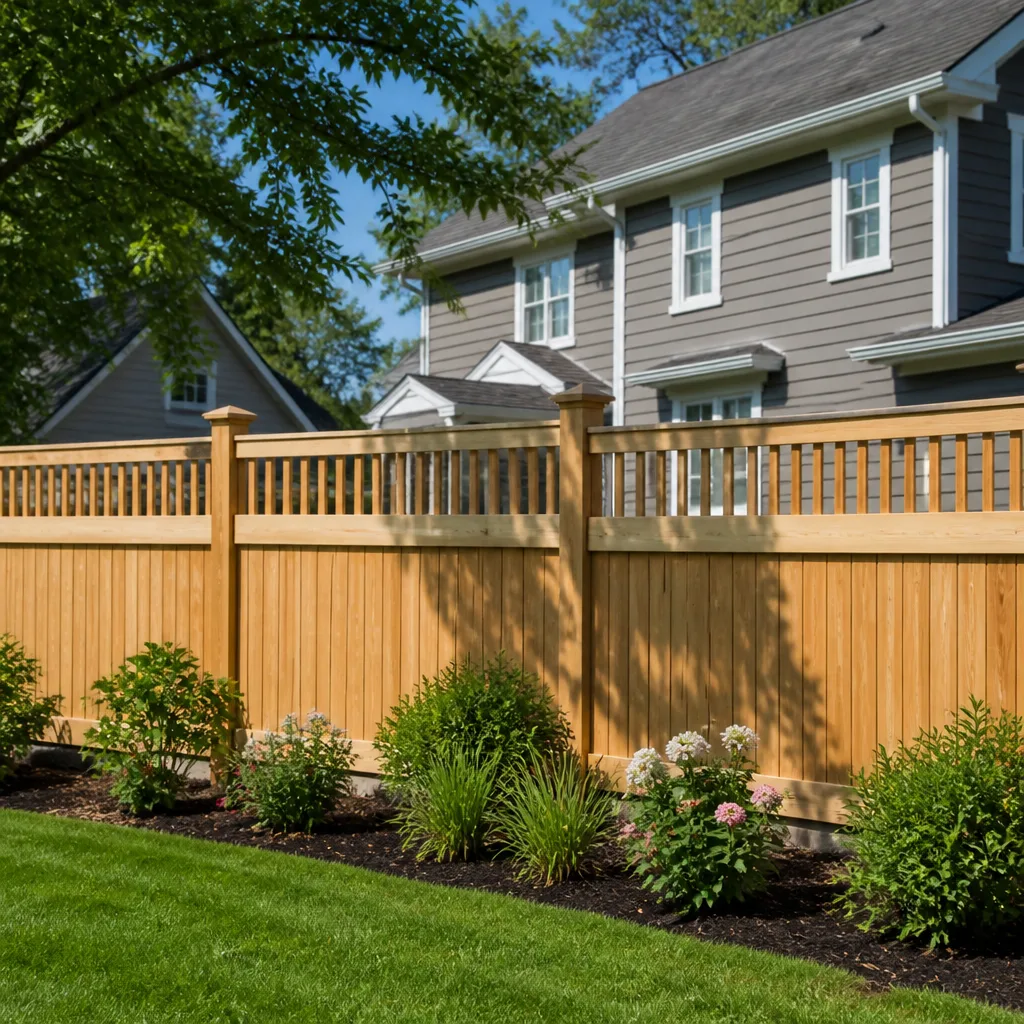
Styles & brands we work with
Signs Your Cambria Home Additions & ADU Is Failing
- The seam is separating or the slab has cracked at the seam. In Orlando, the humidity swings between wet season and dry season cause cabinet substrates to expand and contract. If the plywood under the quartz isn’t rated for that movement, the slab flexes and the seam opens. A well-built seam should sit flush with no visible gap and no lip you can catch with a fingernail.
- The island overhang bounces when you lean on it. Cambria quartz is heavy, roughly 6 pounds per square foot per centimeter of thickness. A 12-inch overhang needs corbels or steel brackets sized for that load. If the overhang flexes, the support wasn’t engineered right, and over time the slab will crack at the stress point.
- The edge profile doesn’t match the approved sample. Cambria offers several standard edge profiles: eased, pencil, bevel, bullnose, ogee. If your fabricated edge looks thinner or steeper than the sample, the fabricator ran the slab through the wrong profile bit, and unlike wood, you can’t sand quartz back and re-cut it. The piece is wrong and needs recutting.
- The backsplash was installed with visible caulk joints at the seams rather than a continuous run. On a multislab run, joints should land at corners or behind the range, not in the middle of a visible wall. If the fabricator ran short on material and spliced a piece in, that’s a fabrication error, and it will catch grease and grime in an Orlando kitchen faster than any other surface failure.
- The sink cutout edges are chipped or the sink doesn’t sit flush. Quartz is brittle at cut edges. A sink cutout that wasn’t routed with a water-fed bit or that was hurried through the shop will chip along the rim, and the undermount sink won’t seal clean. Water gets under the quartz, the sink mounting clips rust, and the whole assembly looses integrity.
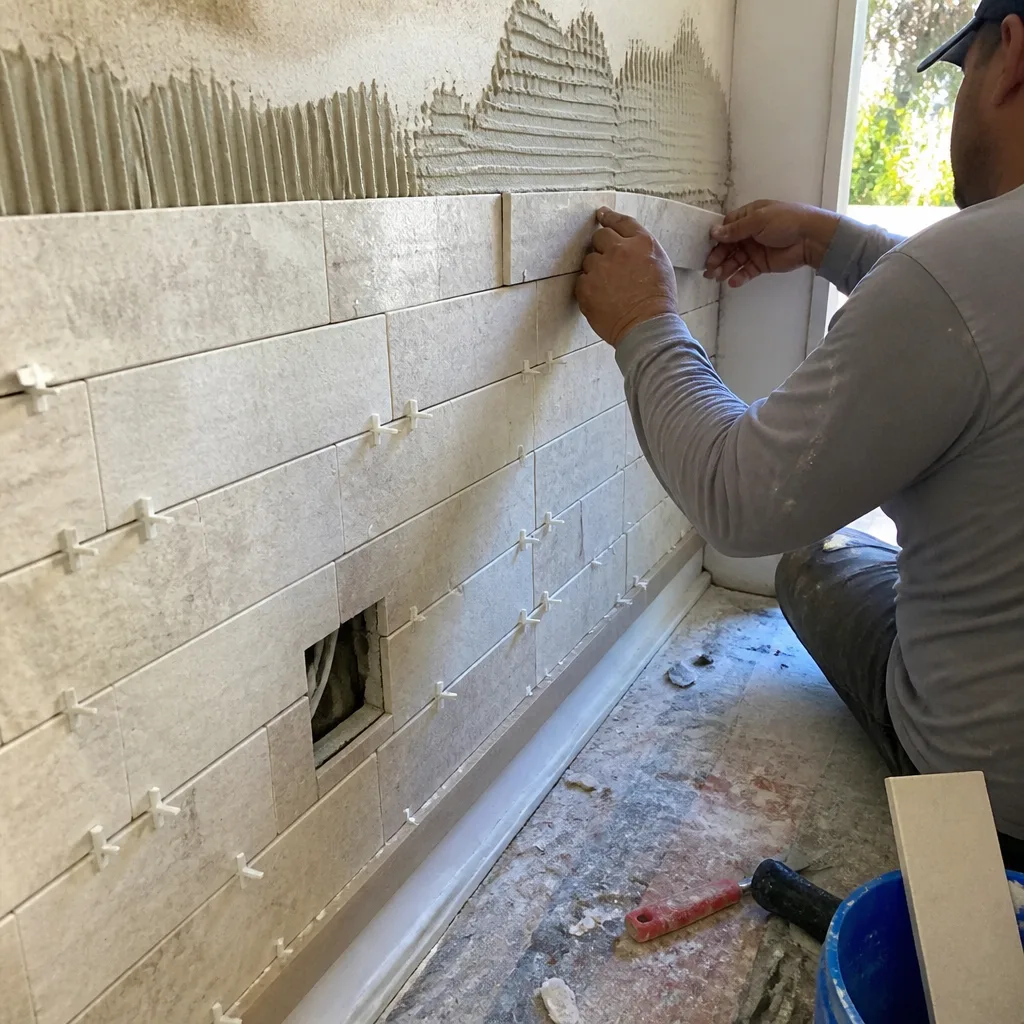
See the difference
 Before
 After
After Before
 After
After Before
 After
AfterReplacement Cost & What’s Included
For an Orlando home addition or ADU with Cambria surfaces installed, the full project ranges from $45,000 to $130,000 for the addition including finishes, or $90,000 to $220,000 for a detached ADU. If you’re replacing just the Cambria component, a countertop run typically runs $2,000 to $6,500 installed depending on slab size, edge profile, and sink cutouts. What drives the addition price: structural work for the new footprint, roof tie-ins that meet Florida wind codes, electrical and plumbing runs from the main panel, and the Cambria fabrication and install. On every project we deliver a written price before work starts. That price includes the Cambria slab, fabrication, delivery, install, seam work, and the written guarantee. Our workmanship is covered for 365 days from completion date, and we state in plain language what that covers: seam integrity, edge profile correctness, substrate leveling, and sink cutout fit. If something fails within that year, we come back and make it right at no cost. We also provide a free second visit if any installation fails, no dispute process, no conditions. The Cambria slab itself carries Cambria’s own warranty, and we’ll hand you that documentation at close of project.
DIY or Call Us?
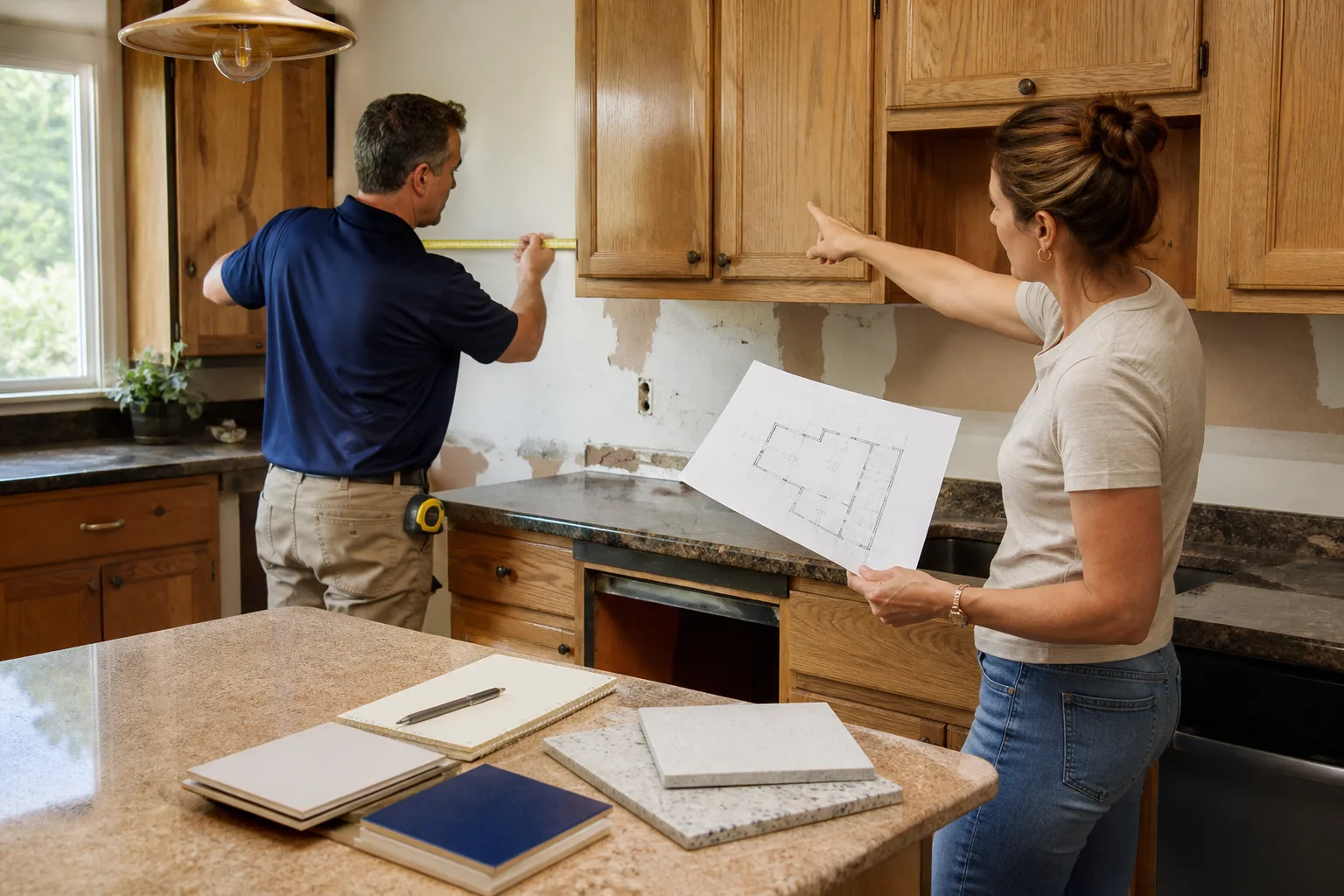
You can measure your existing space, note the Cambria color name from your original order paperwork, and take photos of the seam, edge profile, and backsplash before you call us. Those three things save a trip and help us quote accurately. What you shouldn’t do is attempt to move, re-seam, or cut a Cambria slab yourself. A full-size quartz slab weighs well over 600 pounds. Setting a slab on a cabinet run takes three or four people with proper suction cup lifters, and a dropped slab destroys the cabinets below it or breaks a foot. Cutting quartz without a water-fed diamond router burns out the surface and ruins the slab. If you already have a failing Cambria install in your Orlando addition, tell us what the problem is. We’ll figure out the rest from there. Call (850) 920-7745 and we’ll set up a time to look at it.
FAQs
A properly installed Cambria quartz surface should outlast the cabinets it sits on, typically 20 to 30 years or more before any cosmetic wear becomes noticeable, but the install quality matters more than the material in Florida’s humidity swings. Surface chips and seam failures before year five are almost always substrate or fabrication problems, not material defects. If your Cambria surface is failing early, call (850) 920-7745 and we’ll tell you whether it’s the slab or the install.
Small chips at the sink cutout or a shallow edge nick can sometimes be filled with a color-matched quartz adhesive, but a cracked slab or a separated seam cannot be reliably repaired to original strength. Seam repair works when the substrate is solid and the pieces are flush. A structural crack means the slab is compromised and will keep failing. We’ll give you an honest repair-versus-replace recommendation based on what we see, not what’s easier for us to bill.
Once we’ve confirmed your colorway and slab availability, most countertop replacements take one day for demolition and templating, then a second day for fabrication and install after the template is cut, with a 3-10 day wait between those days depending on the fabricator’s queue. Full addition or ADU builds with Cambria surfaces take months, not weeks, because structural work, plumbing, electrical, and inspections all run before the surface goes in. We’ll give you the timeline in writing before we start.
We don’t stock raw Cambria slabs in a warehouse, because Cambria maintains strict lot and inspection controls through its fabrication network. We source slabs by color name from the distributor after you’ve selected your colorway, and we inspect the slab before it goes to the fabricator. If a color is backordered, we’ll tell you the local lead time before you commit, not after you’ve paid. Call (850) 920-7745 for a current availability check on your chosen Cambria color.
Key Takeaways for Orlando Homeowners
- Installed Cambria surfaces in an Orlando addition or ADU run $2,000 to $6,500 for a countertop run; full additions run $45,000 to $130,000.
- Cambria is a proprietary quartz with no true aftermarket equivalent; slab lot consistency and template accuracy matter as much as the brand.
- Seam separation, flexing overhangs, and wrong edge profiles in Florida humidity are usually install or substrate errors, not material failures.
- We deliver a written price before any work starts and cover our workmanship for 365 days from completion.
Mason Remodeling Co Orlando is part of the Threshold Group family of home service companies, founded in 2004. Every crew member is background-checked, identity-verified, and arrives in a clean marked uniform with a photo ID badge. You get the technician’s name and photo before the visit. Every project gets a written price before work starts, every time. We also carry KraftMaid cabinetry, Silestone and Caesarstone quartz, and Kohler fixtures, so if your Orlando addition needs more than a Cambria replacement, we can handle the full scope without shuffling you between subcontractors.
If you’re standing in an Orlando addition with a cracked seam, a flexing island, or a countertop run that doesn’t match what you approved, call us at (850) 920-7745. We’ll schedule a time to look at it, tell you what went wrong in plain language, and put the fix in writing before we touch a tool.
Written by Isaac Pruett, Owner, Mason Remodeling Co Orlando at Mason Remodeling Co Orlando, serving Orlando and nearby areas.