Free written scope consultation - allowances, timeline, and change-order rules on paper before a single trade is scheduled
Blanco Home Additions & ADU: The Orlando Owner’s Guide
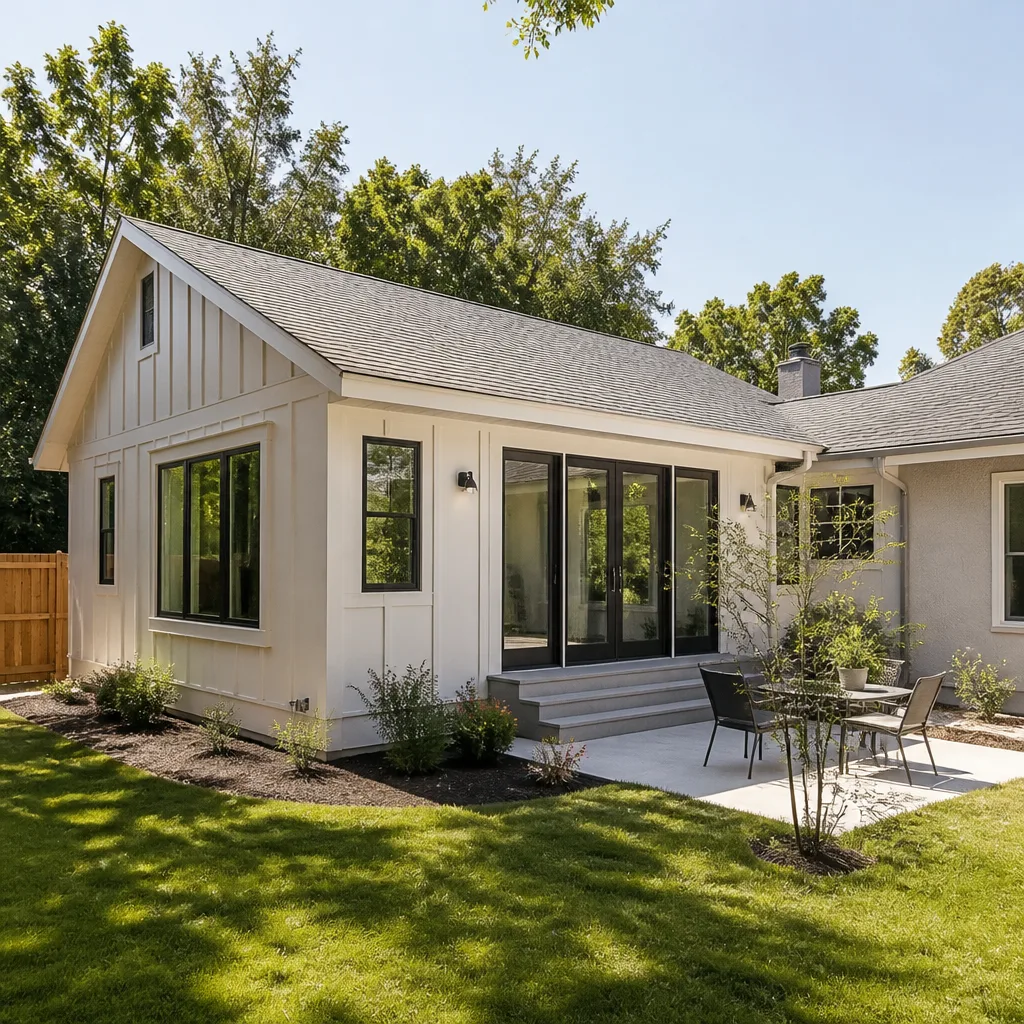
Blanco home additions and ADU construction in Orlando typically runs $45,000 to $130,000 for a full addition and $90,000 to $220,000 for a detached accessory dwelling unit, and most projects take four to nine months from permit to final inspection. We install and build Blanco-compatible additions across metro Orlando, and we’re an independent contractor, not a Blanco dealer or affiliate. The most common way owners realize their addition has failed is a roofline tie-in that starts leaking at the original house connection, or a foundation pour that settles and pulls the finished wall away from the Blanco flooring line.
When we get called out to College Park, Audubon Park, or Baldwin Park, the conversation usually starts the same way: the homeowner noticed a hairline crack running from the corner of a new window, or felt a soft spot in the floor where the addition meets the original slab. Isaac Pruett has seen enough of these to know the difference between normal settling and a real problem, and he’ll tell you straight before you spend a dollar on repairs.
Which Blanco Models This Applies To
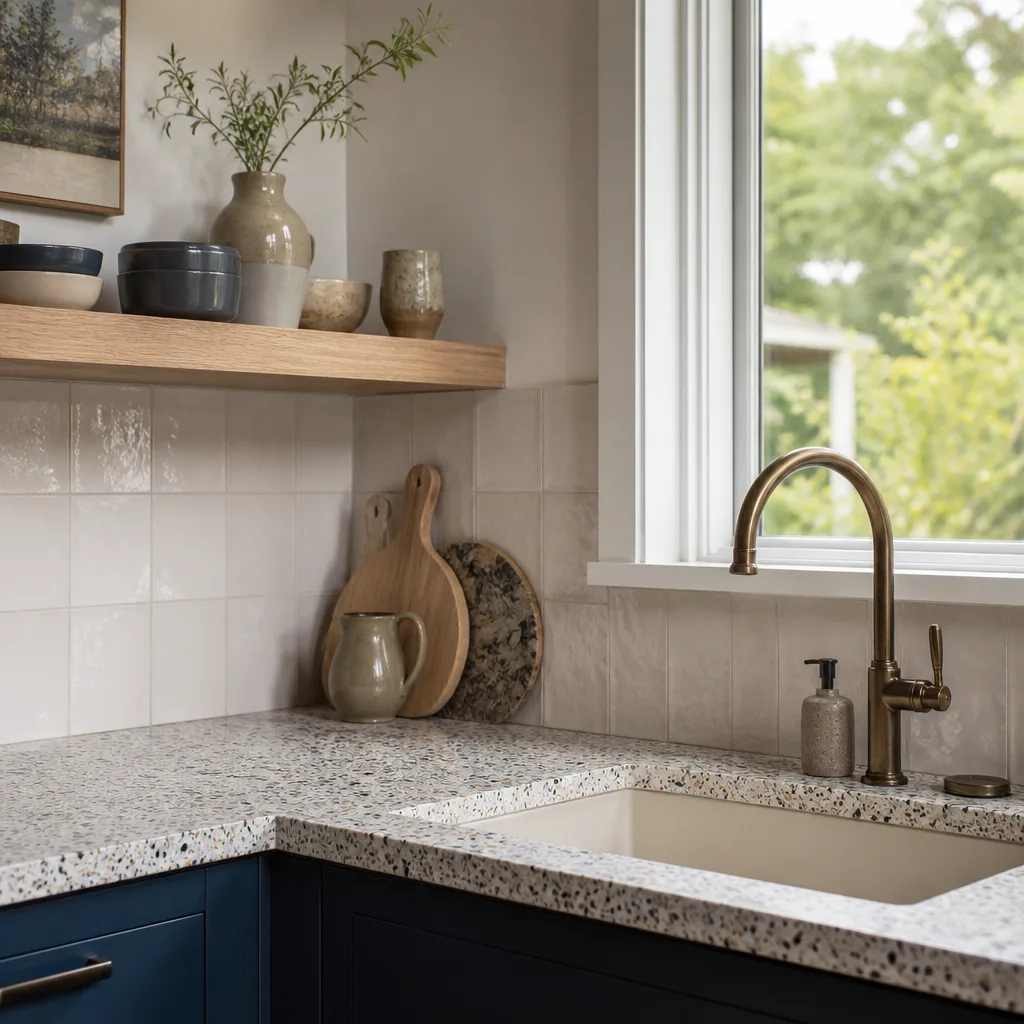
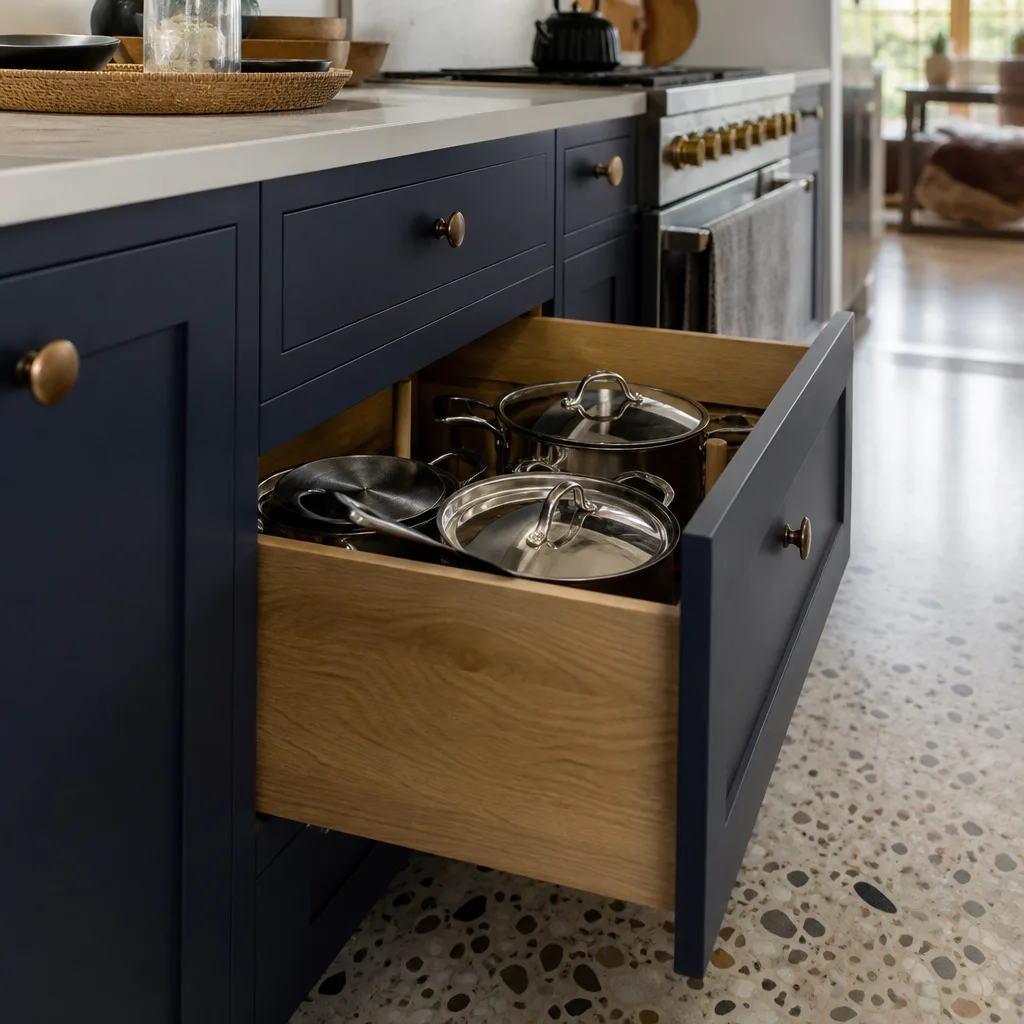
Blanco doesn’t make home additions, of course, but the Blanco line of fixtures and finishes, sinks, faucets, and surface materials, shows up in nearly every Orlando addition we build, and the compatibility questions are real. If your Blanco kitchen sink is a Silgranit model, the cabinet specs under it need to handle a 33-inch minimum base and a deeper-than-standard drain offset, which matters when you’re tying new plumbing into a 1960s College Park bungalow’s original stack. If you’re running Blanco faucets in a new ADU bath, the supply lines are standard 3/8-inch compression, but the faucet body height changes the rough-in placement for the backsplash and the mirror cabinet above it.
We also work with KraftMaid, Cambria, and Silestone when the project calls for them, so if your addition spec sheet mixes brands, we’re not starting from scratch. The OEM-versus-aftermarket question usually comes down to Blanco’s warranty terms: Blanco honors its finish warranty when the installation is done to their published specs, and we follow those specs to the letter. A generic plumber’s rough-in that’s a half inch off voids that warranty faster than a Florida afternoon thunderstorm floods a poorly graded patio.
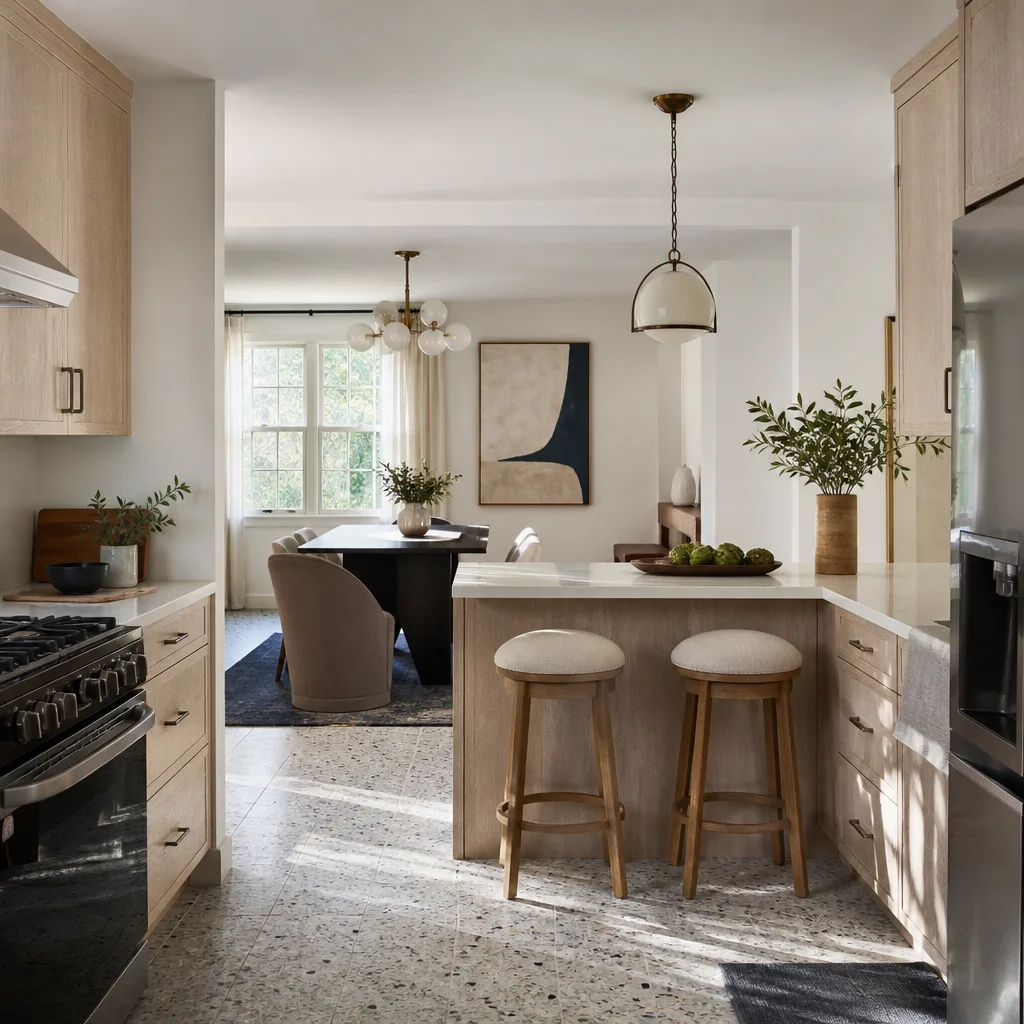
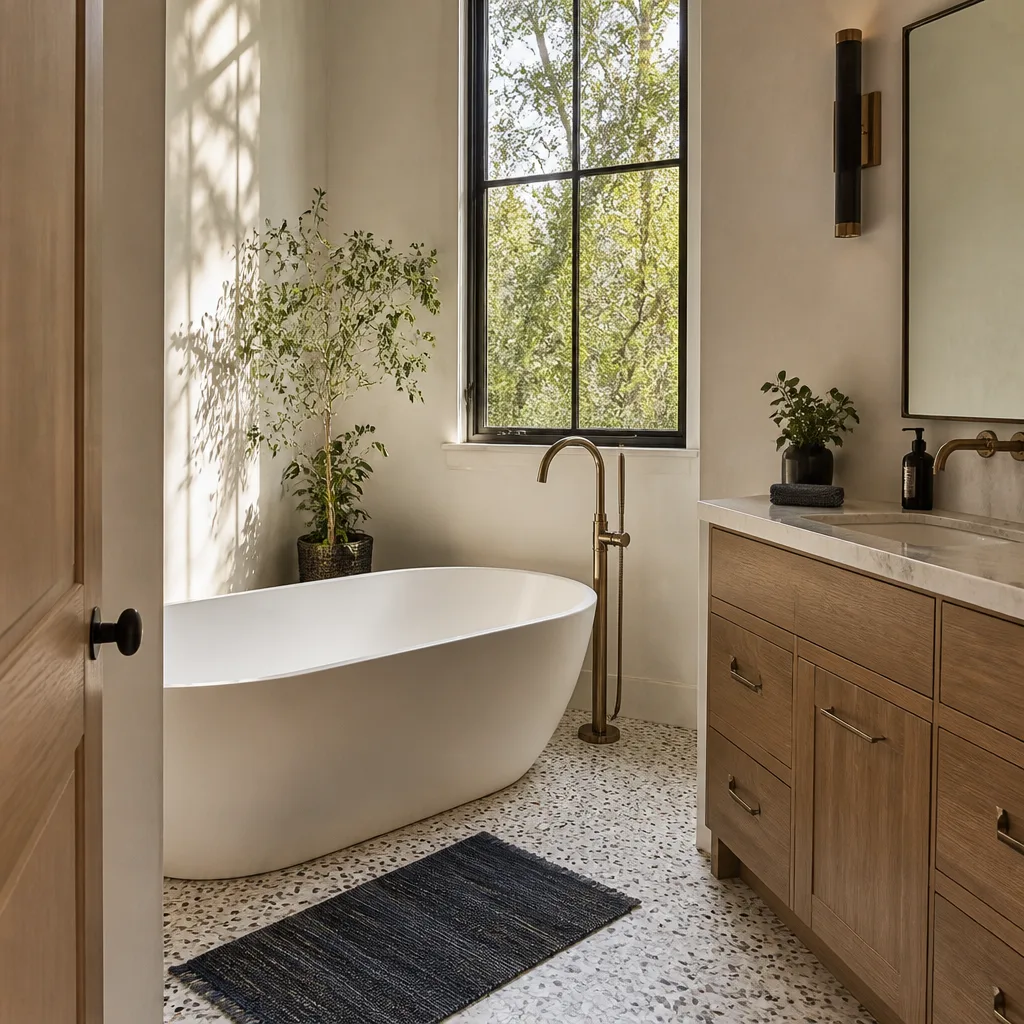
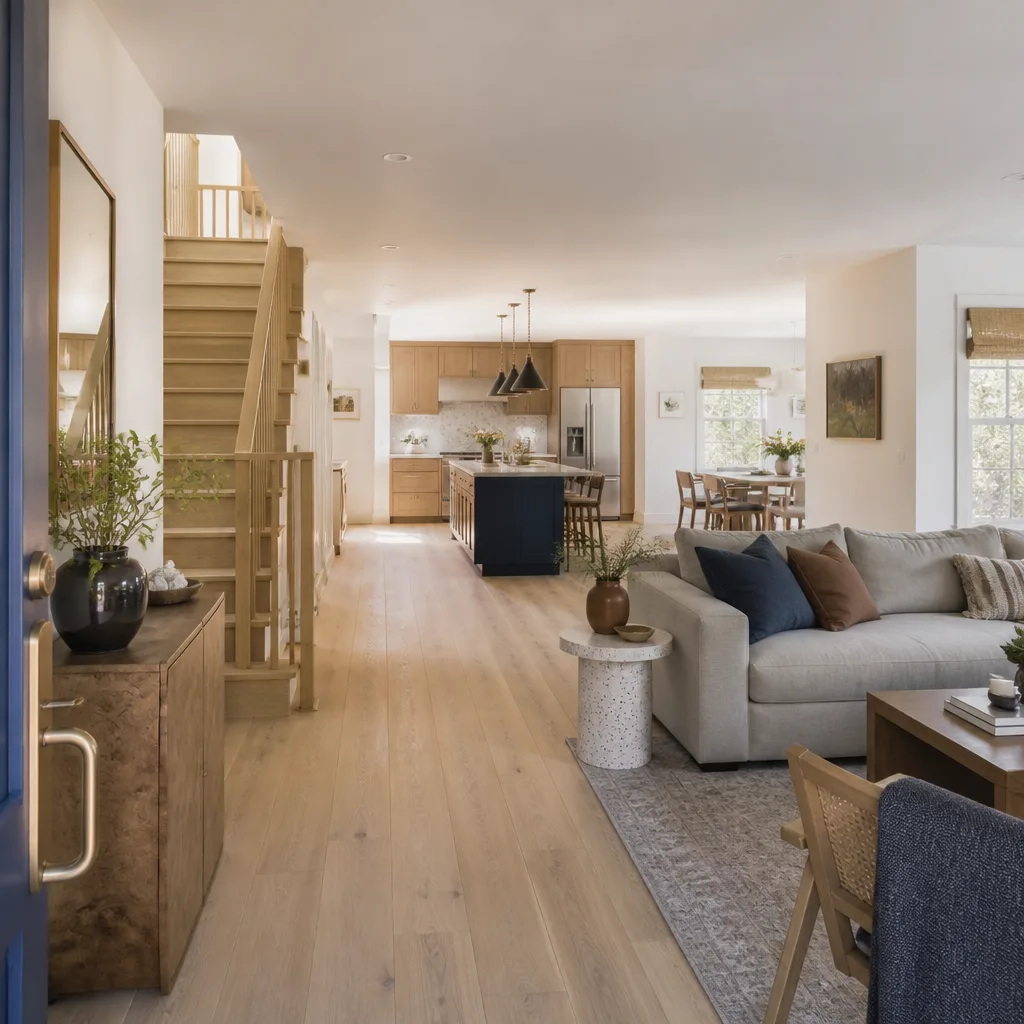
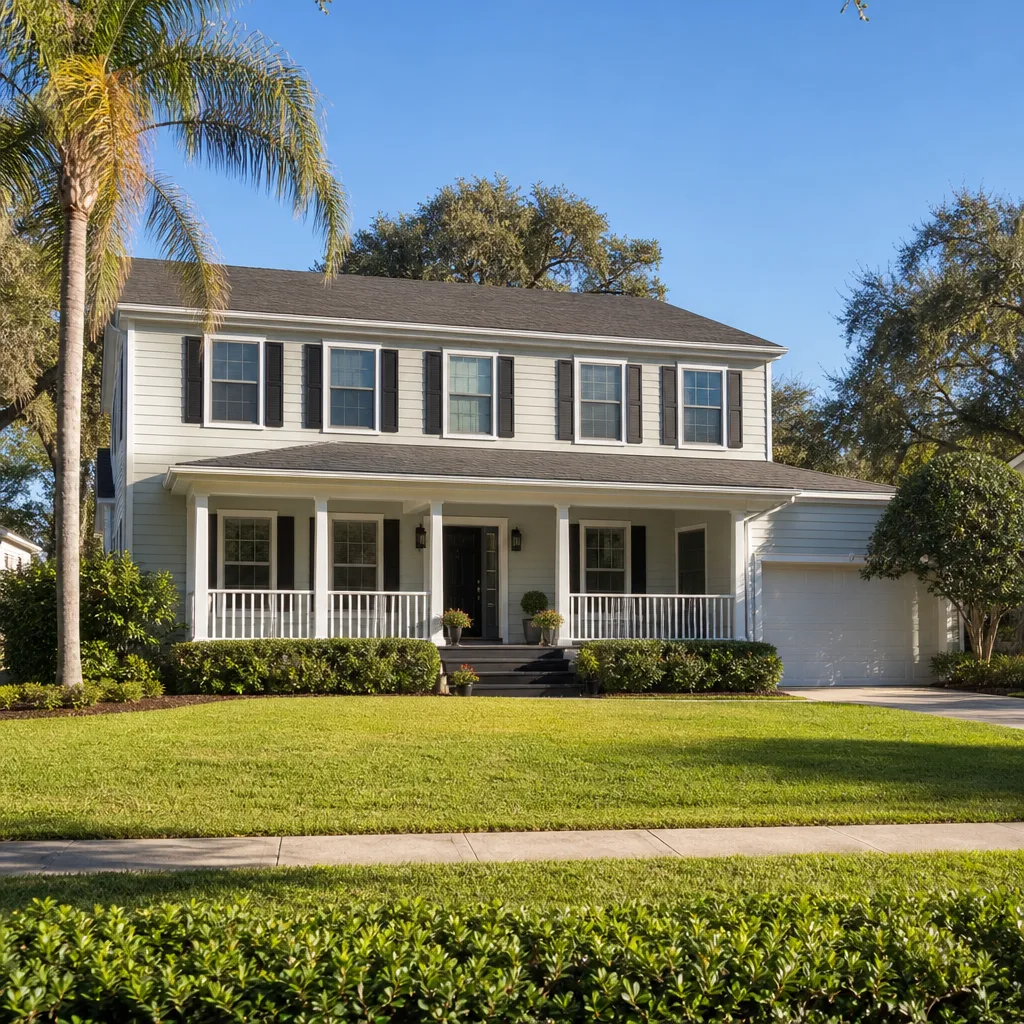
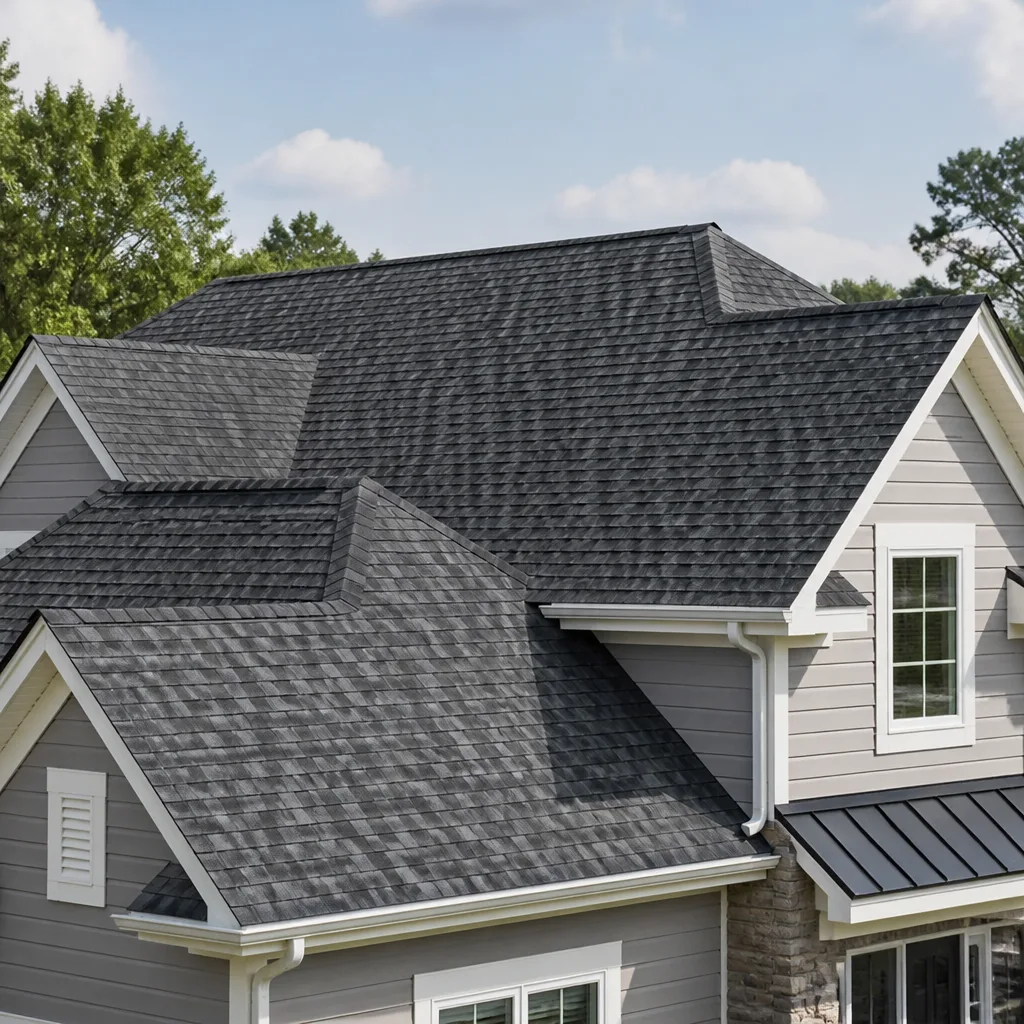
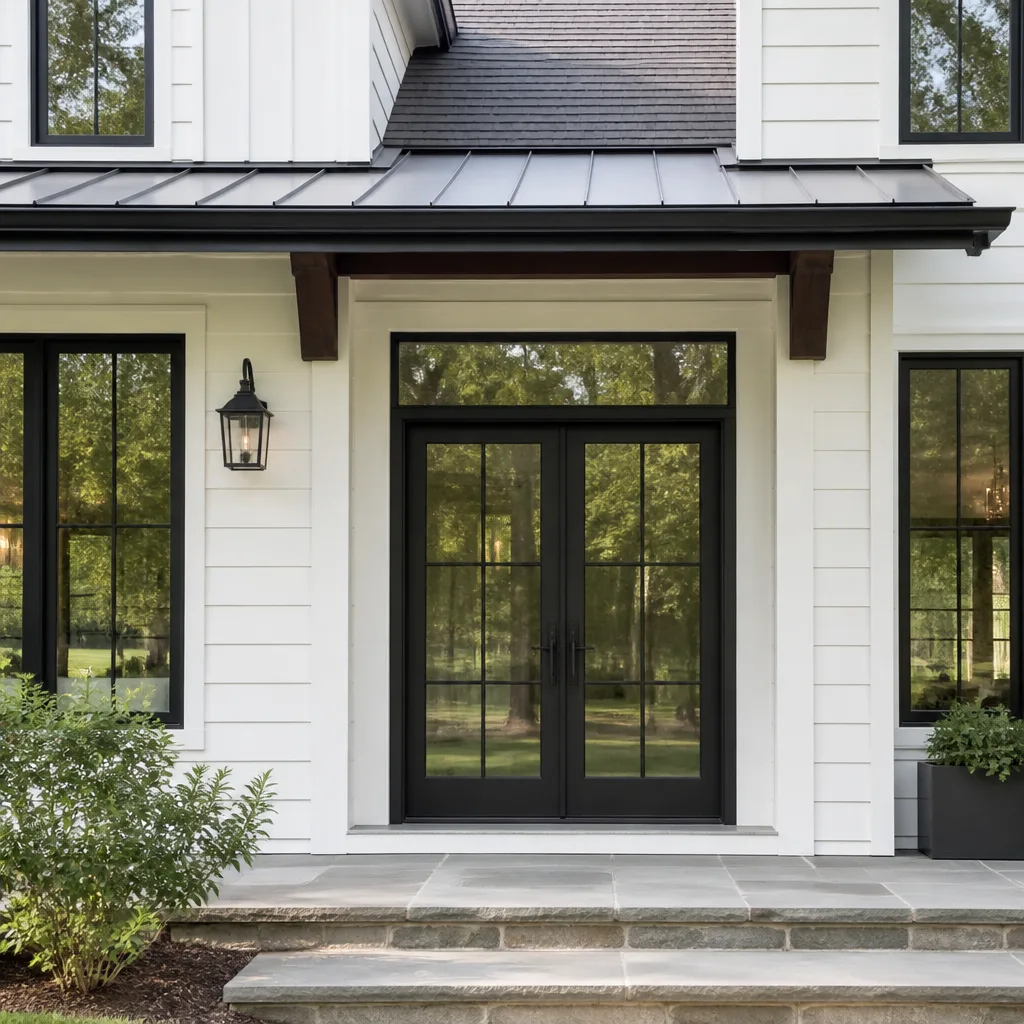
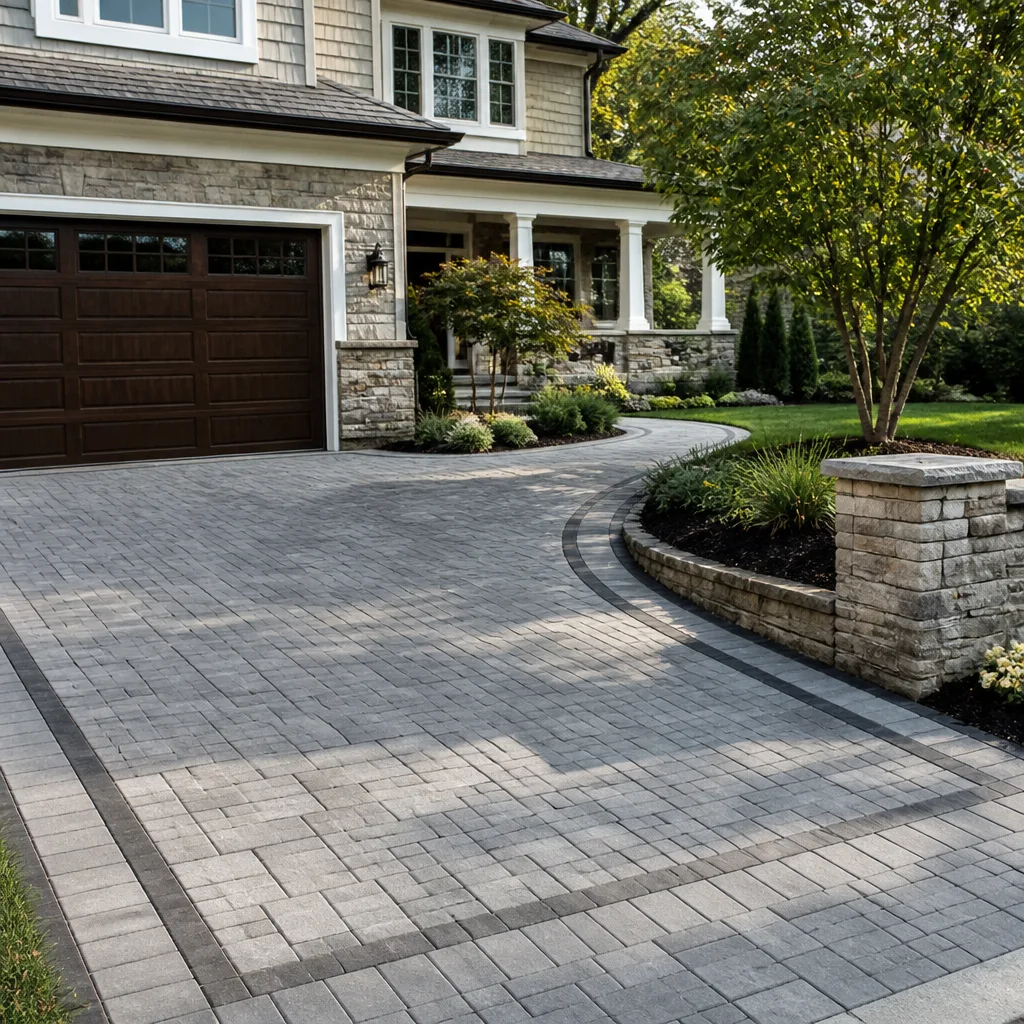
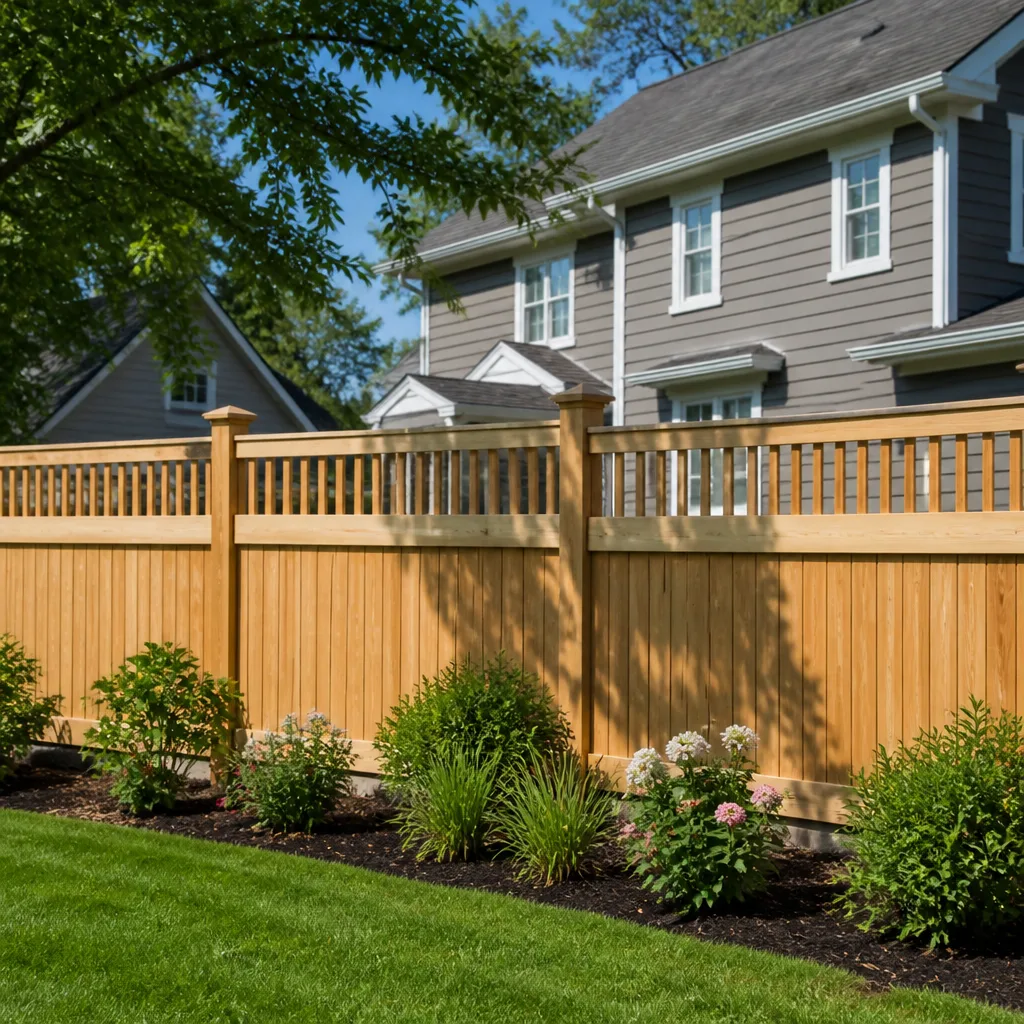
Styles & brands we work with
Signs Your Blanco Home Additions & ADU Is Failing
- Hairline cracks at the drywall corners or window frames facing the addition seam. This usually means the new foundation is settling faster than the original slab, and the differential movement is pulling the wall assembly apart at its weakest points.
- Water staining on the ceiling where the new roof plane ties into the existing roofline. The valley flashing at the tie-in is the number one failure point we see on Orlando additions, especially after the summer storm season when heat expansion and wind-driven rain find every gap.
- Doors inside the addition that stick in summer and swing freely in winter. Florida’s humidity cycling is brutal on wood framing that was installed without proper moisture barriers, and a sticking door is often the first sign the framing is moving with the seasons.
- Floor tiles or Blanco sink edges pulling away from the surrounding finish material. This points to subfloor deflection, which means the joist spacing or the underlayment wasn’t spec’d correctly for the span, and the movement is telegraphing through the finished surfaces.
- A musty smell that won’t go away, even after running the AC. In a poorly flashed addition, the moisture gets trapped in the wall cavities and creates conditions where mold takes hold behind the drywall, long before you see any visible staining inside.
See the difference
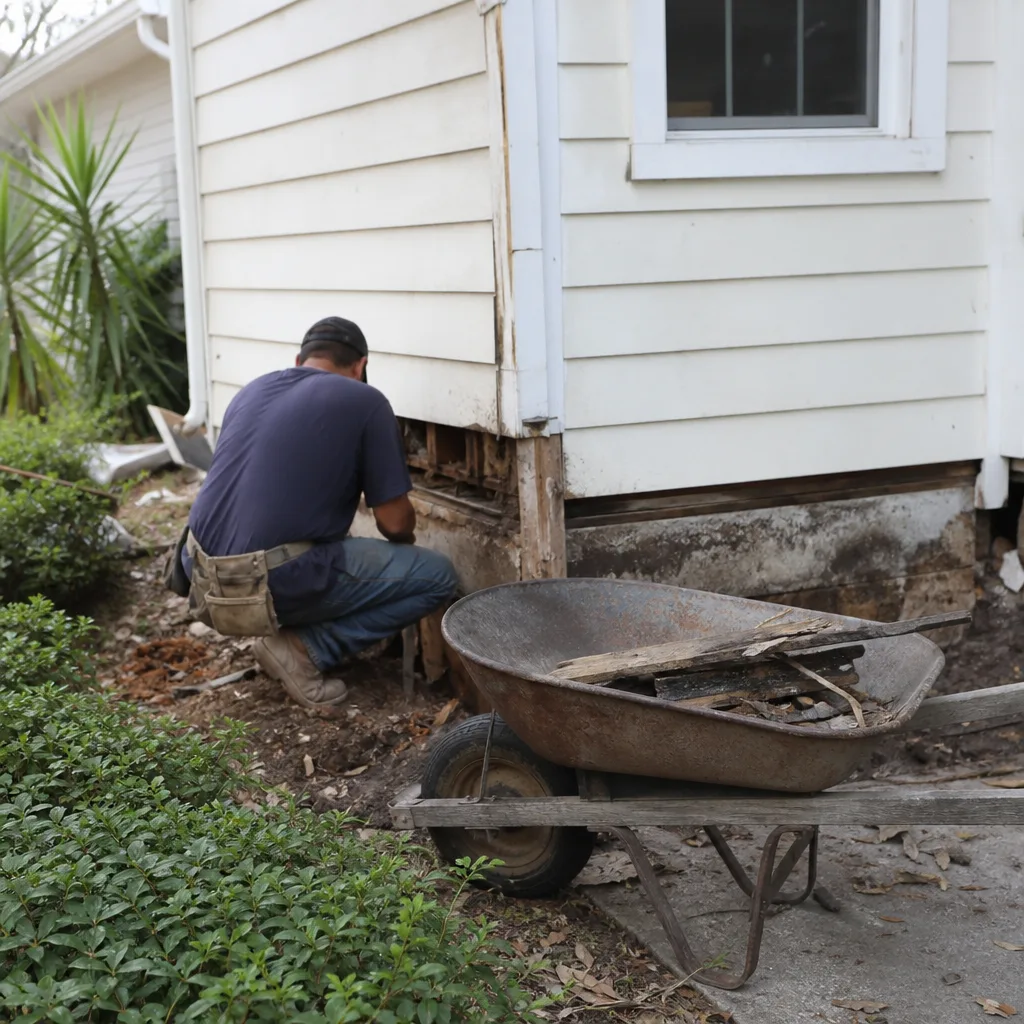 Before
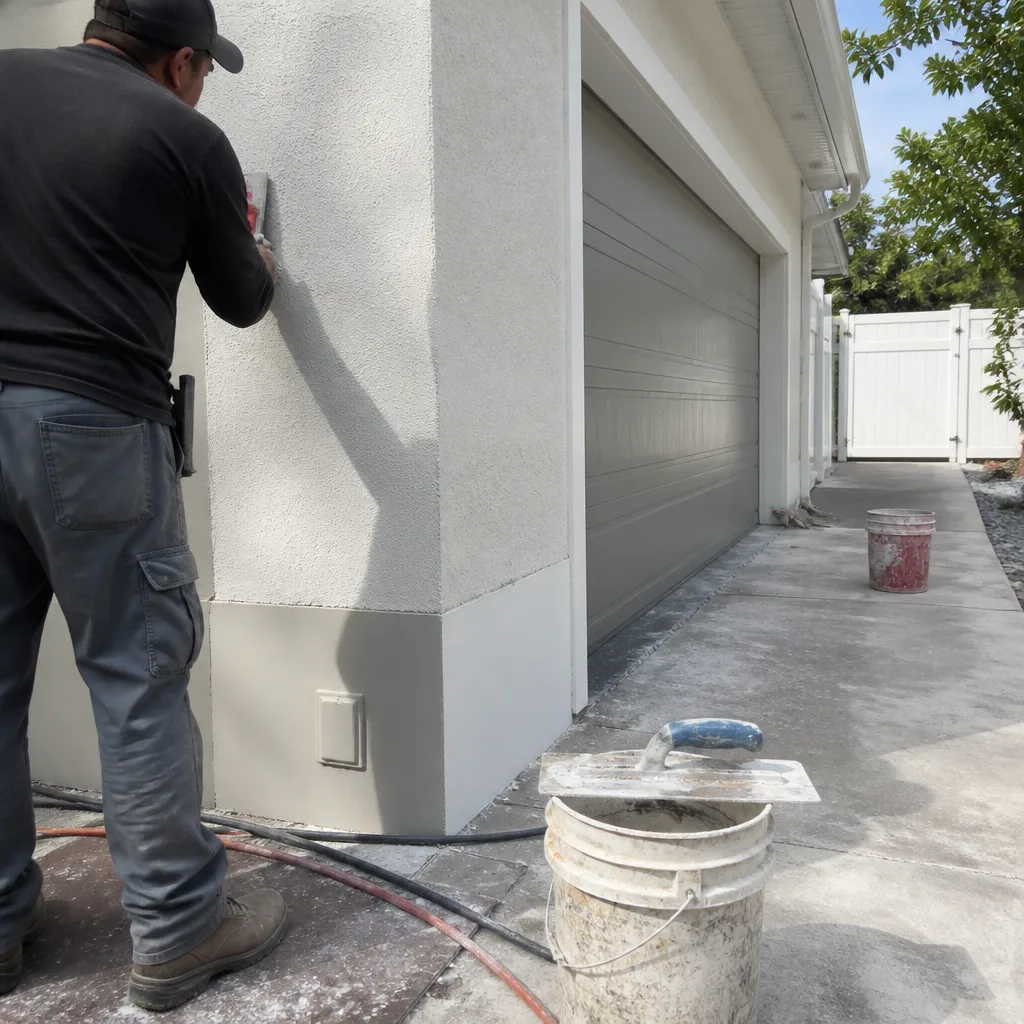 After
After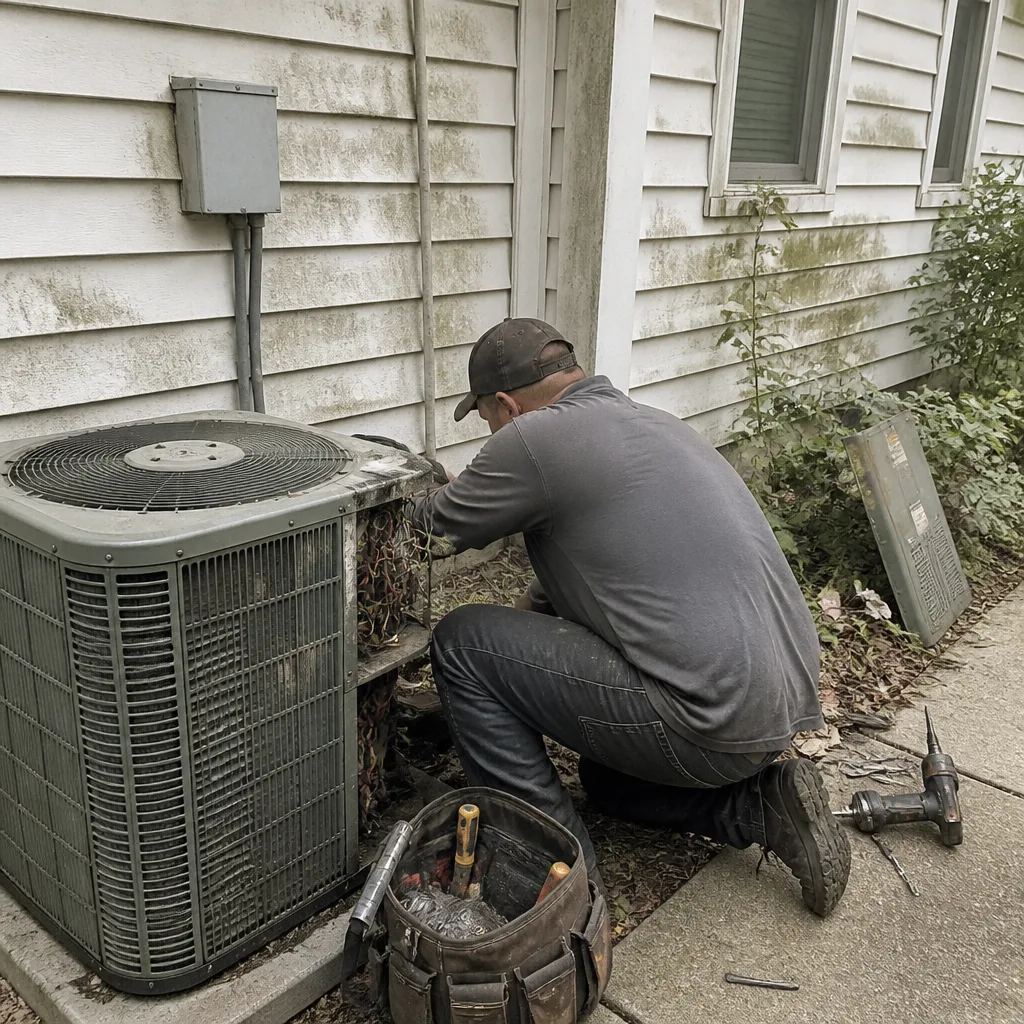 Before
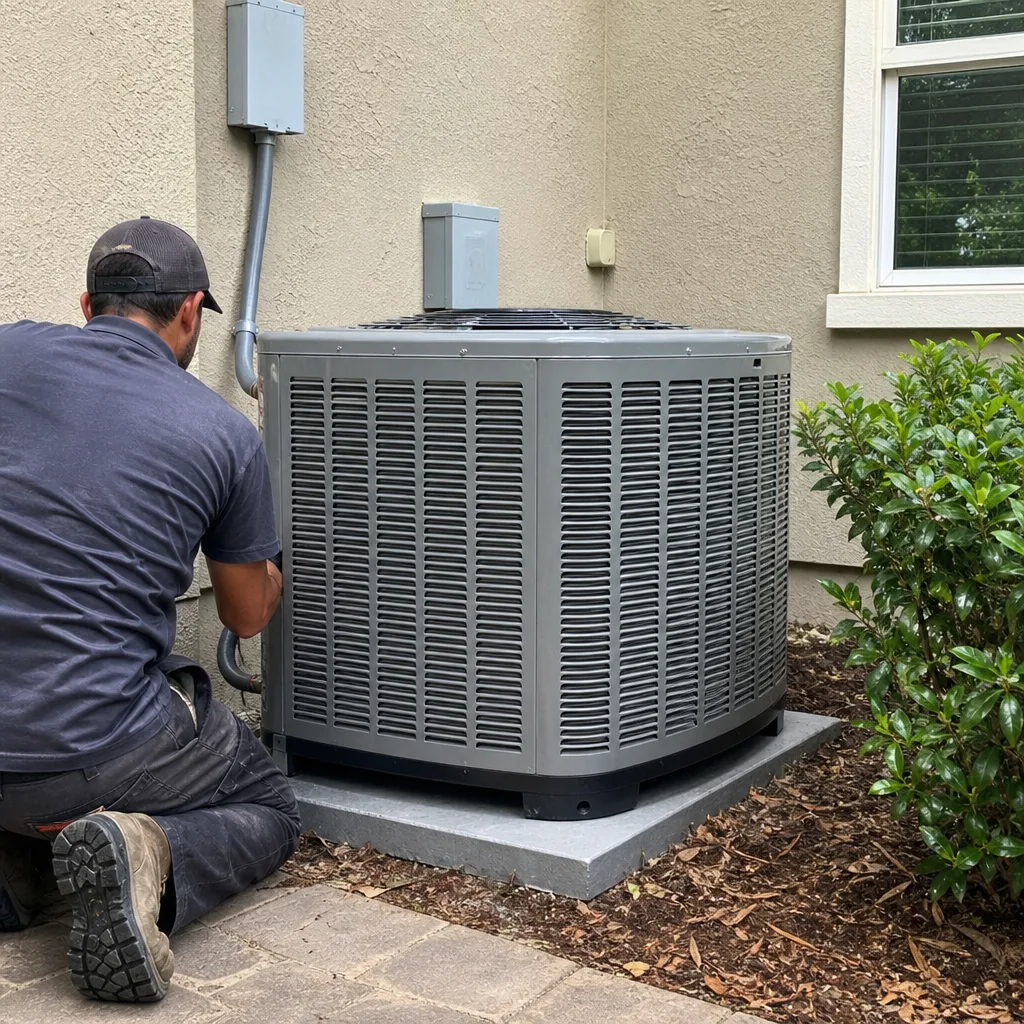 After
After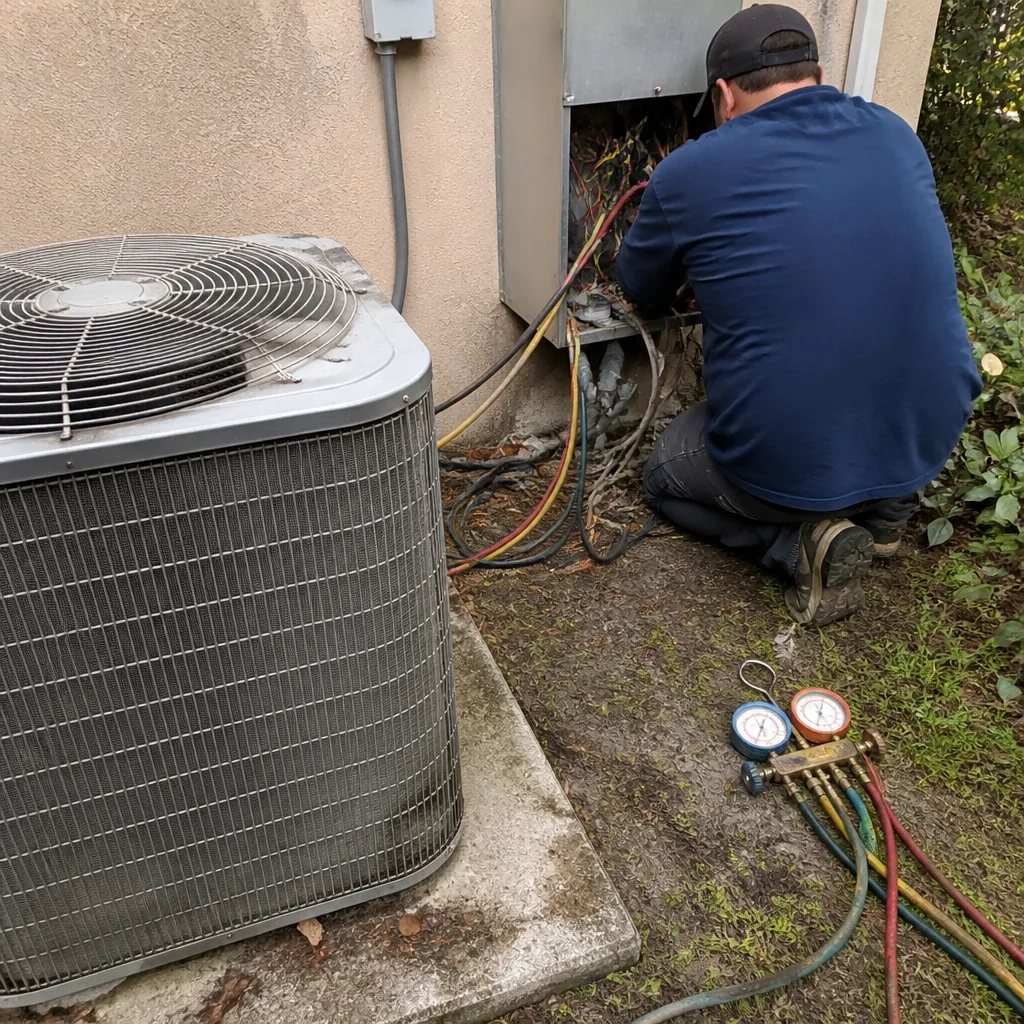 Before
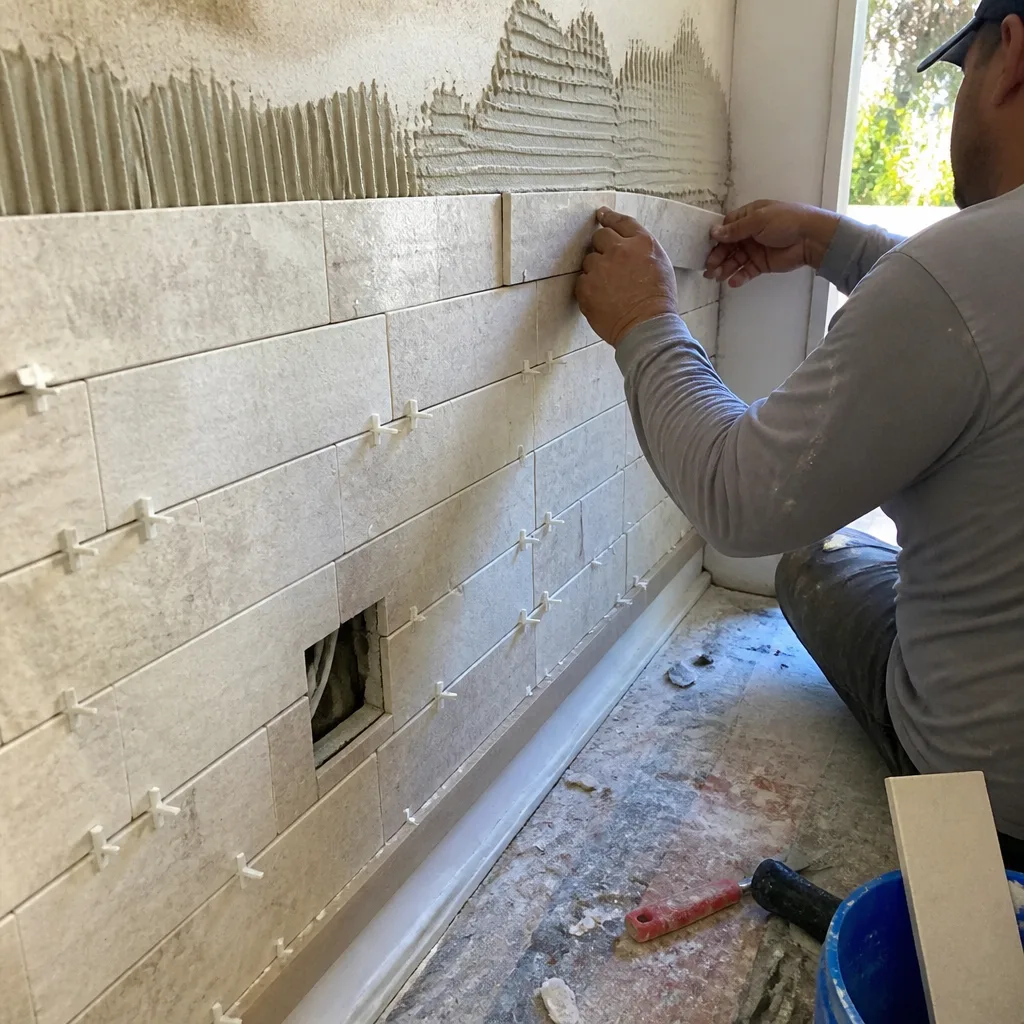 After
AfterReplacement Cost & What’s Included
| Addition or ADU Scope | Typical Installed Price in Orlando |
|---|---|
| Garage Conversion to Living Space | $30,000 – $80,000 |
| Full Home Addition (bedroom, bath, living area) | $45,000 – $130,000 |
| Detached ADU Construction | $90,000 – $220,000 |
| Addition Roof Tie-In Repair (without full rebuild) | $2,000 – $6,500 |
| Foundation Settlement Correction (spot piers) | $3,000 – $9,000 |
What’s included depends on what failed. If we’re repairing a roofline tie-in, the price covers the tear-out, new flashing, underlayment, shingle or metal match, and a written one-year guarantee on the work. If we’re rebuilding a failed addition, the price includes demolition, permits, drawings, foundation work, framing, rough and finish plumbing, electrical, HVAC connections, and the finishes to match your existing home. Every quote we give in Orlando is a written, line-item price before any work starts. No verbal estimates that grow on the final bill, no change orders for things we should have seen on day one.
DIY or Call Us?
You can safely check a few things yourself: look for visible cracks, run your hand along the seam where the addition meets the house to feel for air movement, and note when doors stick compared to the season. That gives us a real head start on the diagnosis. But Florida additions fail for structural reasons that need more than caulk and paint: a settling foundation means the footers were undersized for Orlando’s sandy, high-water-table soil, or the stem wall wasn’t tied to the slab correctly, or the roof load wasn’t carried through the new walls the way the drawings assumed.
If you’re up on a ladder poking at flashing, you’re also risking a fall, and working on a roof in July heat is a fast way to heat exhaustion. Isaac’s rule is simple: tell me what the problem is. We’ll figure out the rest from there. Call (850) 920-7745 and describe what you’re seeing. If it’s minor, we’ll tell you over the phone. If it needs eyes on it, we’ll set up a time that works, and the estimate is free.
FAQs
A properly built addition in Orlando should last 50 years or more for the structural shell, but the roof tie-in flashing typically needs replacement every 15 to 20 years, and the exterior paint on the new stucco or siding will need refreshing every 5 to 7 years due to Orlando’s sun and rain cycling. If your addition is showing structural cracks before the ten-year mark, something was wrong with the foundation or the framing from the start, and that’s repairable without tearing the whole thing down.
Yes, in most cases. Roof tie-in leaks, window flashing failures, and minor settlement cracks are all repairable without demolishing the addition, and those repairs usually fall in the $2,000 to $9,000 range. If the foundation has moved more than an inch, or the framing is rotted through from moisture, partial demolition and rebuild becomes the more honest fix. Call (850) 920-7745 and we’ll tell you which situation you’re in before you commit to anything.
A garage conversion in Orlando runs 8 to 12 weeks, a full home addition runs 4 to 6 months, and a detached ADU runs 5 to 9 months depending on permitting, which in Orange County and the city of Orlando typically adds 3 to 6 weeks at the front of the schedule. Weather delays in the summer storm season are real, but we build them into the timeline so you’re not surprised later.
We stock the most common failure-point materials on our trucks: roof flashing, sealants rated for Florida’s UV and humidity, anchor bolts, and pier hardware. For finish materials like matching Blanco Silgranit sinks, KraftMaid cabinet faces, or specific shingle colors, we order them from our supply partners and have them in hand before the crew starts work, not after the wall is open. Call (850) 920-7745 and we’ll check availability for your specific match before you schedule.
Written by Isaac Pruett, Owner, Mason Remodeling Co Orlando at Mason Remodeling Co Orlando, serving Orlando and nearby areas.