Free written scope consultation - allowances, timeline, and change-order rules on paper before a single trade is scheduled
Toto Home Additions & ADU: The Orlando Owner’s Guide
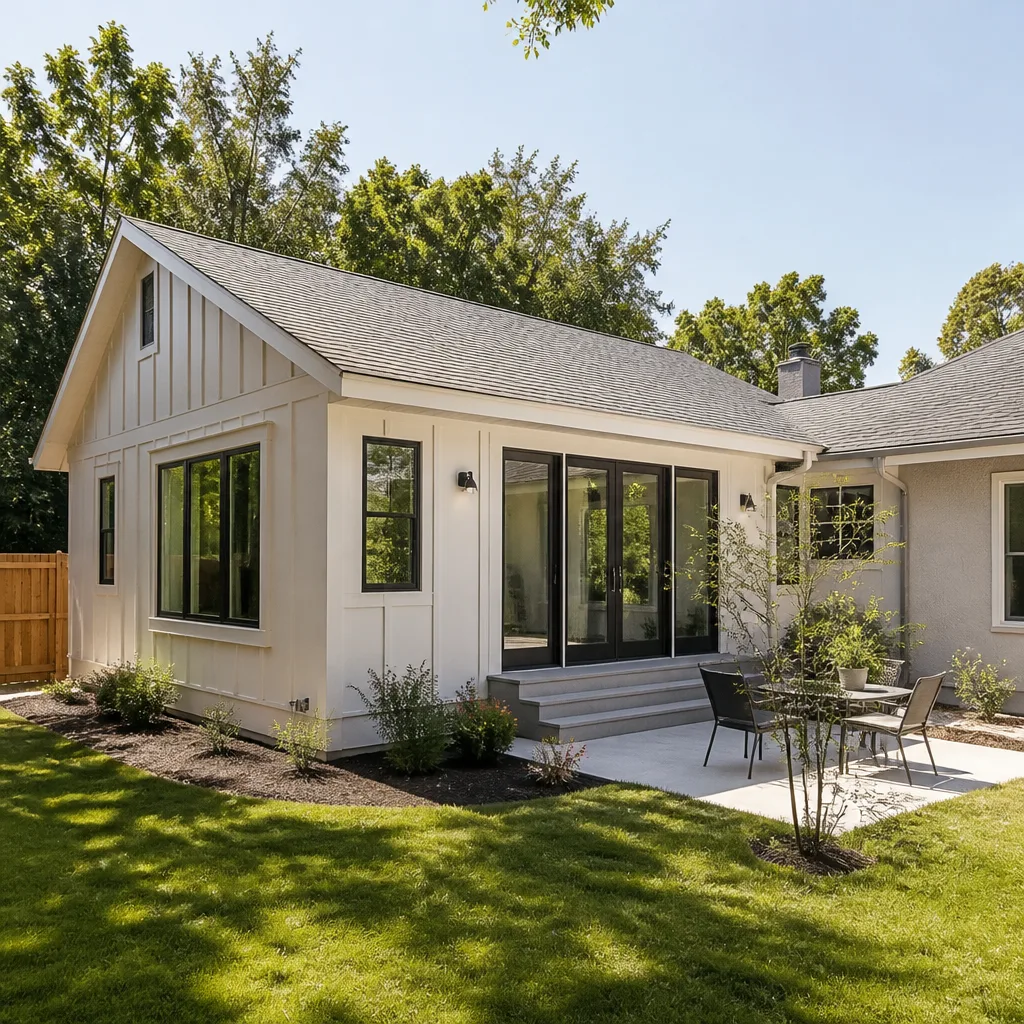
If you’re planning a home addition or ADU in Orlando and want Toto fixtures in the new space, we install them as part of the build, and the typical full project runs $45,000 – $130,000 for an addition or $90,000 – $220,000 for a detached ADU. Most Orlando homeowners call us when they realize their existing bathroom fixtures won’t survive the addition, or when they want the new primary bath to match the Toto toilet and washlet already in the main house. It’s a materials-and-methods question as much as a pricing one, and the answer starts with knowing which Toto product you’re working with and what the addition demands from it.
Here’s the honest picture: Toto makes excellent fixtures, but a home addition in Orlando means new rough-in plumbing, different water pressure at the far end of the house, and humidity that never quits. Get those three right and the Toto product performs for a decade or more. Get them wrong and you’ll be replacing a flange or a fill valve inside two years. This page covers what we see, what it costs, and how we handle it without making the addition feel like a science project.
Which Toto Models This Applies To
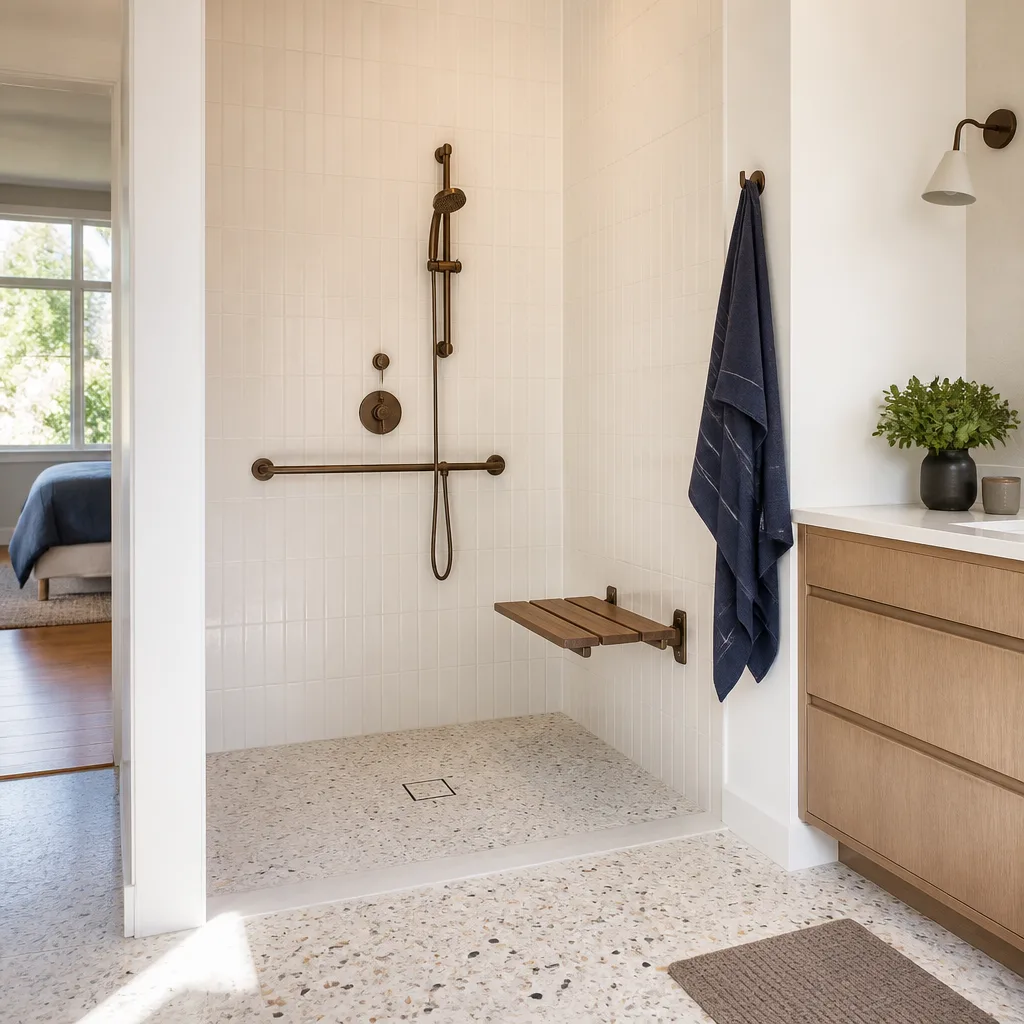
Most Orlando additions and ADUs we build incorporate one of three Toto lines: the Drake, the Ultramax, or the Washlet-integrated Neorest. Each has different rough-in requirements, and that matters before the slab goes down or the walls get framed. The Drake and Ultramax are standard 12-inch rough-in toilets, but the Neorest line often requires a dedicated GFCI outlet within 36 inches of the fixture and a minimum water pressure of 20 psi at the supply. In older Orlando neighborhoods like College Park or Thornton Park, city water pressure can dip below that in the afternoon. If you’re putting a Neorest in an ADU at the back of a deep lot in Conway, we account for a pressure-boosting pump as part of the addition, not as a surprise line item later.
OEM versus aftermarket matters for Toto more than most brands. Toto’s fill valves, flappers, and flush tower assemblies are proprietary in several Drake-era models, and the big-box “universal” kits rarely seat correctly. We use OEM Toto parts on anything under warranty and quality aftermarket equivalents only where the OEM part has a known weak point. For example, the Toto THU499 fill valve is an OEM-only call, but the flapper in an older Drake can be swapped to a Korky 2021BP without issue. If you’re not sure what you have, look for the model number stamped inside the tank or on the underside of the lid, and measure the rough-in from the finished wall to the center of the floor flange. That measurement, not the brand name, is what drives half the decisions.
Styles & brands we work with
Signs Your Toto Home Additions & ADU Is Failing
- Toilet runs briefly every 20 – 30 minutes. The flapper or flush tower seal has started to degrade. In Orlando, chloramine-treated municipal water shortens rubber seal life compared to other parts of the country, so this shows up sooner than you’d expect.
- Weak or incomplete flush in the new addition, even though the same model works fine in the main house. Long supply runs to an addition or ADU reduce pressure, and Toto’s G-Max and Tornado flush systems are more sensitive to low flow than older gravity toilets.
- Water staining or soft grout at the base of the toilet. This is usually a failing wax ring or a flange that was set too low during the original rough-in. We see this in additions where the slab was poured by a crew that didn’t verify flange height before tile went down.
- Washlet seat doesn’t heat or the remote stops pairing. The dedicated outlet may be shared with another circuit, or the seat’s power supply has been cooked by one of Orlando’s frequent summer surges. Code requires a dedicated GFCI, but plenty of older installations skipped it.
- Slow fill or a loud shriek when the tank refills. Sediment from Orlando’s water supply collects in the fill valve diaphragm. Cleaning sometimes works, but once the diaphragm is hardened, the part is done.
See the difference
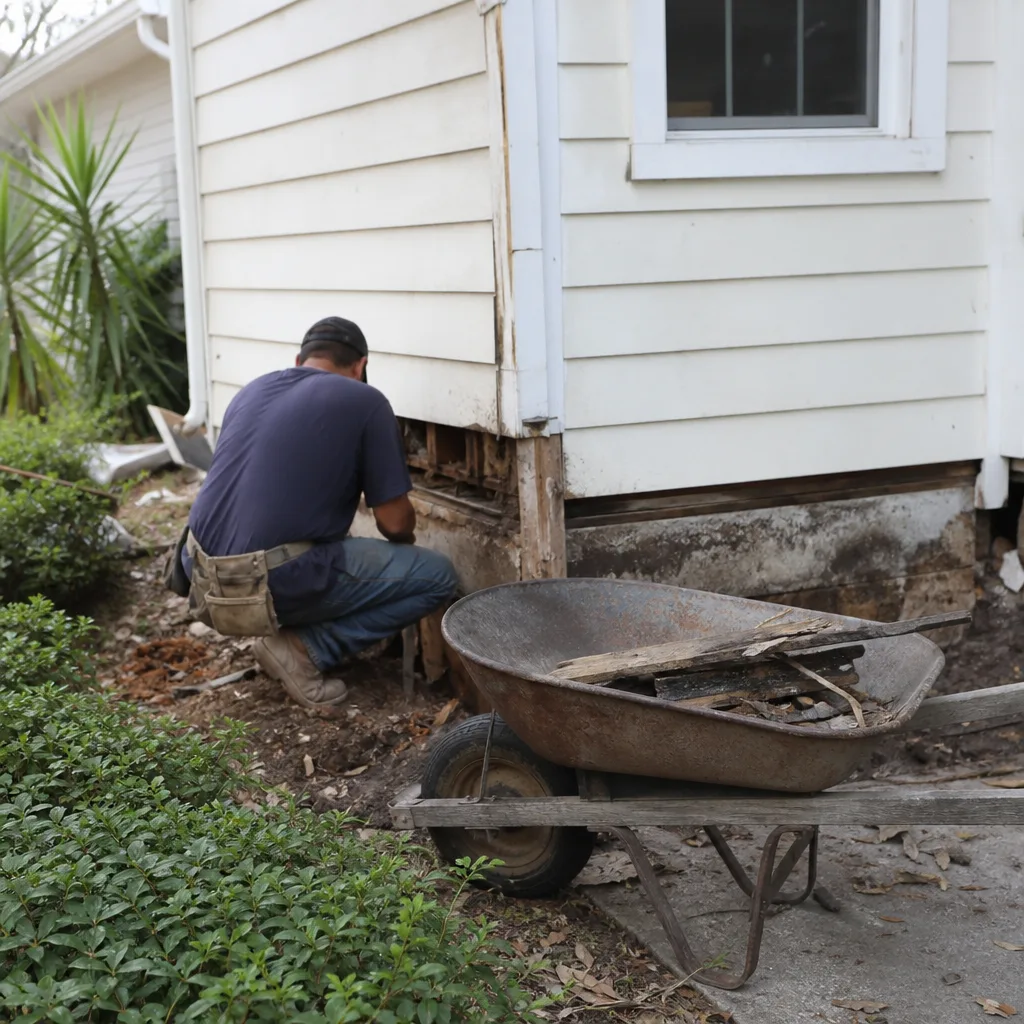 Before
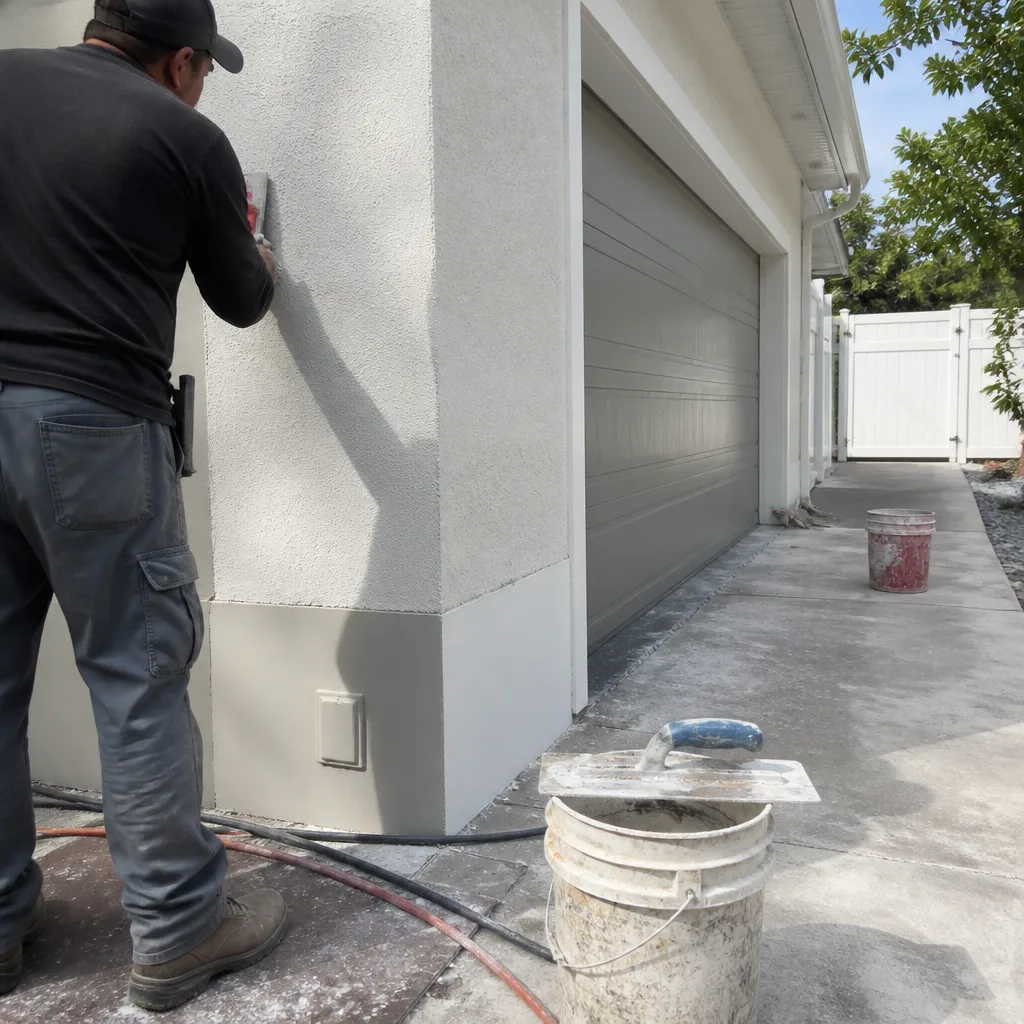 After
After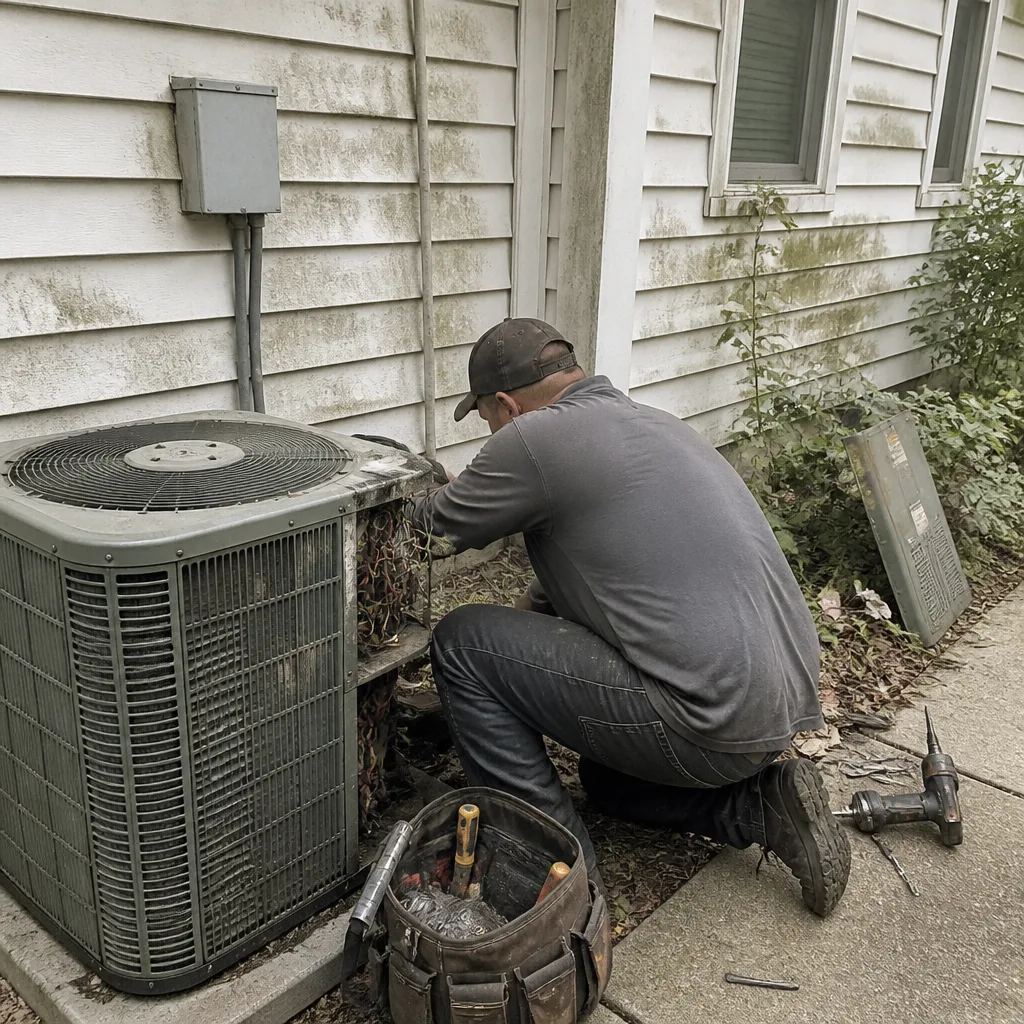 Before
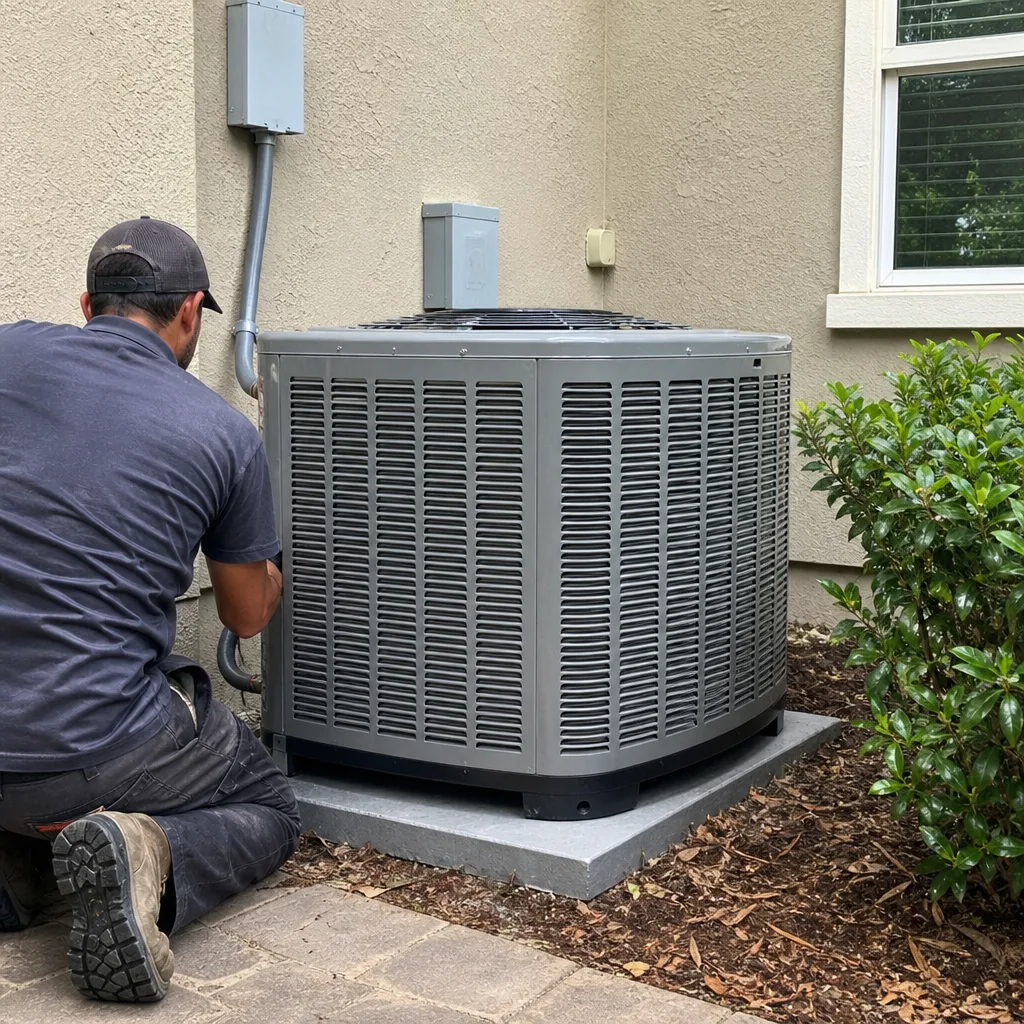 After
After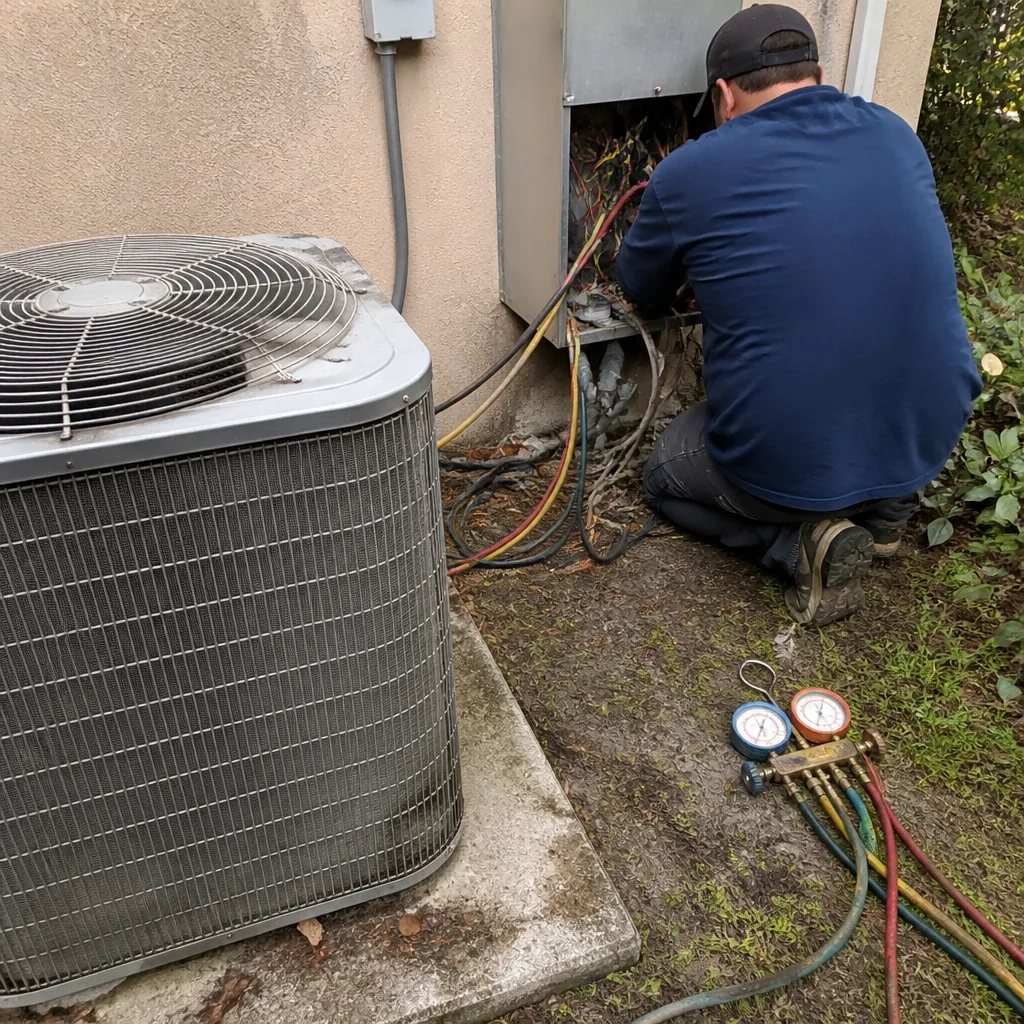 Before
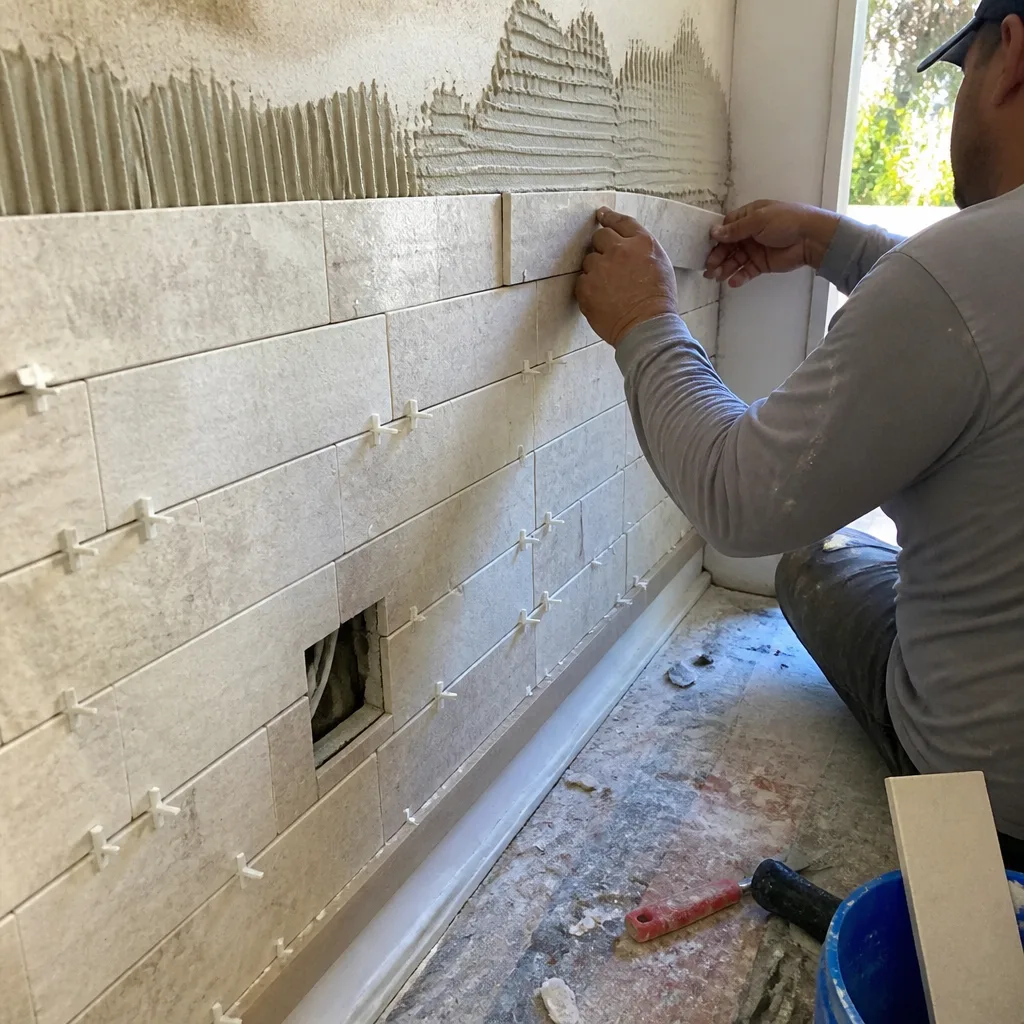 After
AfterReplacement Cost & What’s Included
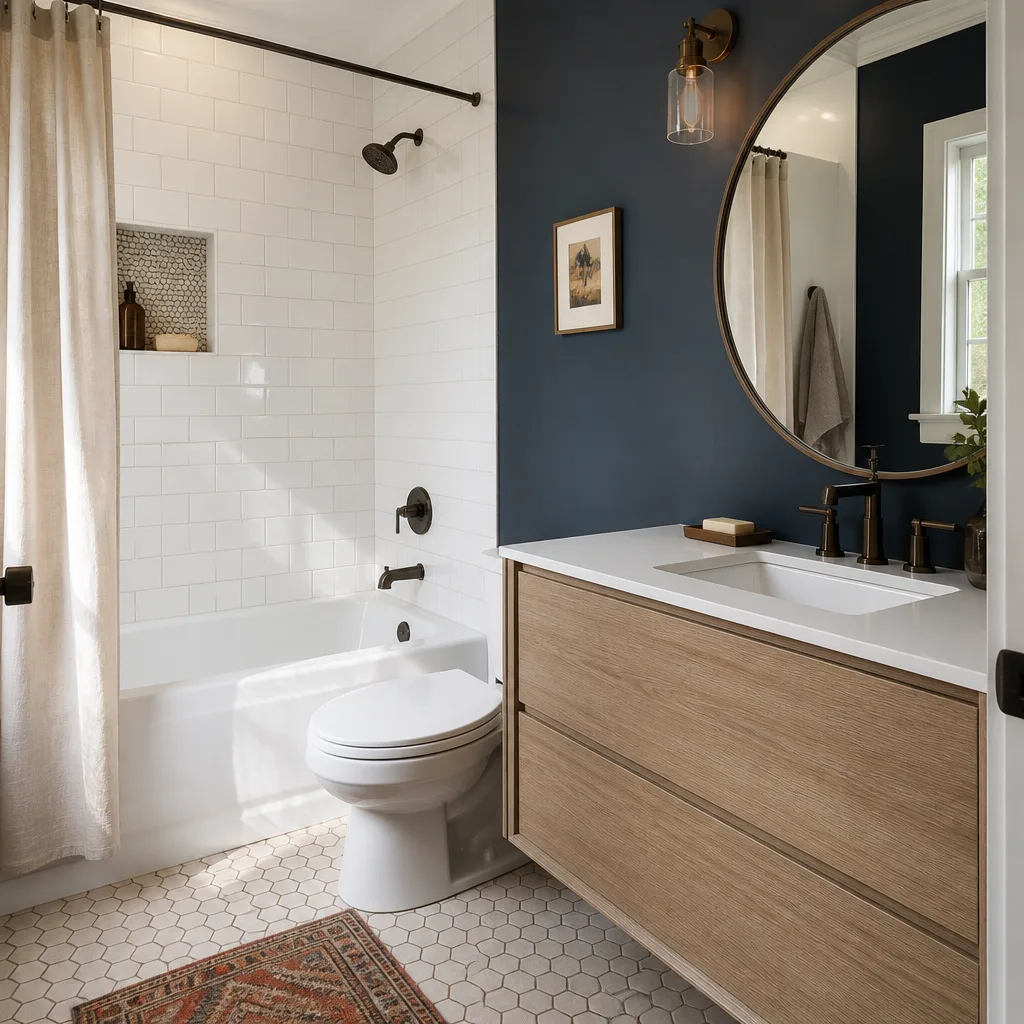
For a full home addition in Orlando, the lead range is $45,000 – $130,000. An ADU built from the ground up runs $90,000 – $220,000 depending on size, foundation type, and whether you’re tying into existing utilities or running new service from the street. If you’re just replacing a Toto fixture or its internals as part of an existing addition, the numbers drop sharply: a fill valve replacement runs $40 – $110 in parts, a complete toilet swap including the fixture and labor typically lands between $400 and $900, and a washlet seat installation runs $800 – $2,500 depending on the model and electrical work required.
Every quote includes parts, labor, disposal, and a written price before we start. No verbal estimate that grows later. The workmanship warranty is 365 days from the completion date, and if a repair or installation fails inside that year, we return and make it right at no charge. That’s the 365-Day Done Right Promise, and it covers any Toto work we do as part of a larger addition or ADU project. Isaac Pruett has been doing additions in Orlando long enough to know that warranties written in fine print aren’t worth the paper. Ours is one year, stated plainly.
DIY or Call Us?
A homeowner can replace a flapper, swap a fill valve, or check that the supply line isn’t kinked. Those are ten-minute jobs with a bucket and a sponge. What you shouldn’t attempt is moving a toilet flange, re-routing supply lines inside a framed wall, or wiring a new circuit for a washlet. That last one is genuinely dangerous: a washlet pulls real current, and a shared circuit or an open splice inside a humid Florida wall cavity is how fires start in additions. Orlando building code also requires a permit for any plumbing modification beyond a simple fixture swap, and the inspection is part of what we handle as the general contractor.
If the problem is a running toilet or a bad seal, try the simple fix and see. If the problem is that the addition was plumbed wrong from the start, that’s not a YouTube project. Call us at (850) 920-7745 and tell me what the problem is. We’ll figure out the rest from there.
FAQs
In Orlando’s humidity and with chloramine-treated water, expect 10 – 15 years from a Toto toilet before the internal seals and fill valve need real attention. Washlet seats and electronic components typically last 7 – 10 years before the heating element or power supply gives out.
Yes. Most failures we see are repairable with OEM or quality aftermarket parts: fill valves, flappers, flush tower seals, and supply lines. We repair when the porcelain and the rough-in are sound, and we’ll tell you outright when a repair is throwing money at a fixture that should be replaced.
A simple parts replacement is 30 – 60 minutes on site. A full toilet swap including flange inspection runs an hour or two. If the repair is part of a larger addition, we schedule it before drywall and paint, and it doesn’t extend the project timeline.
We keep common Toto parts on our trucks: fill valves, flappers, flush tower seals, supply lines, and wax rings. Specialty items like Neorest power supplies or remote modules are ordered OEM and typically arrive in Orlando within three to five business days. We also work with KraftMaid cabinetry, Cambria and Silestone surfaces, so a bathroom addition can be handled end to end without coordinating four different vendors.
If you’re ready to price the work, call (850) 920-7745 for a free estimate. We’ll put the number in writing before anything starts, and you’ll know exactly who’s walking through the door: background-checked, uniformed, photo ID in hand. That’s the Threshold Standard, on every job since 2004.
Written by Isaac Pruett, Owner, Mason Remodeling Co Orlando at Mason Remodeling Co Orlando, serving Orlando and nearby areas.