Free written scope consultation - allowances, timeline, and change-order rules on paper before a single trade is scheduled
IKO Home Additions & ADU: The Orlando Owner’s Guide
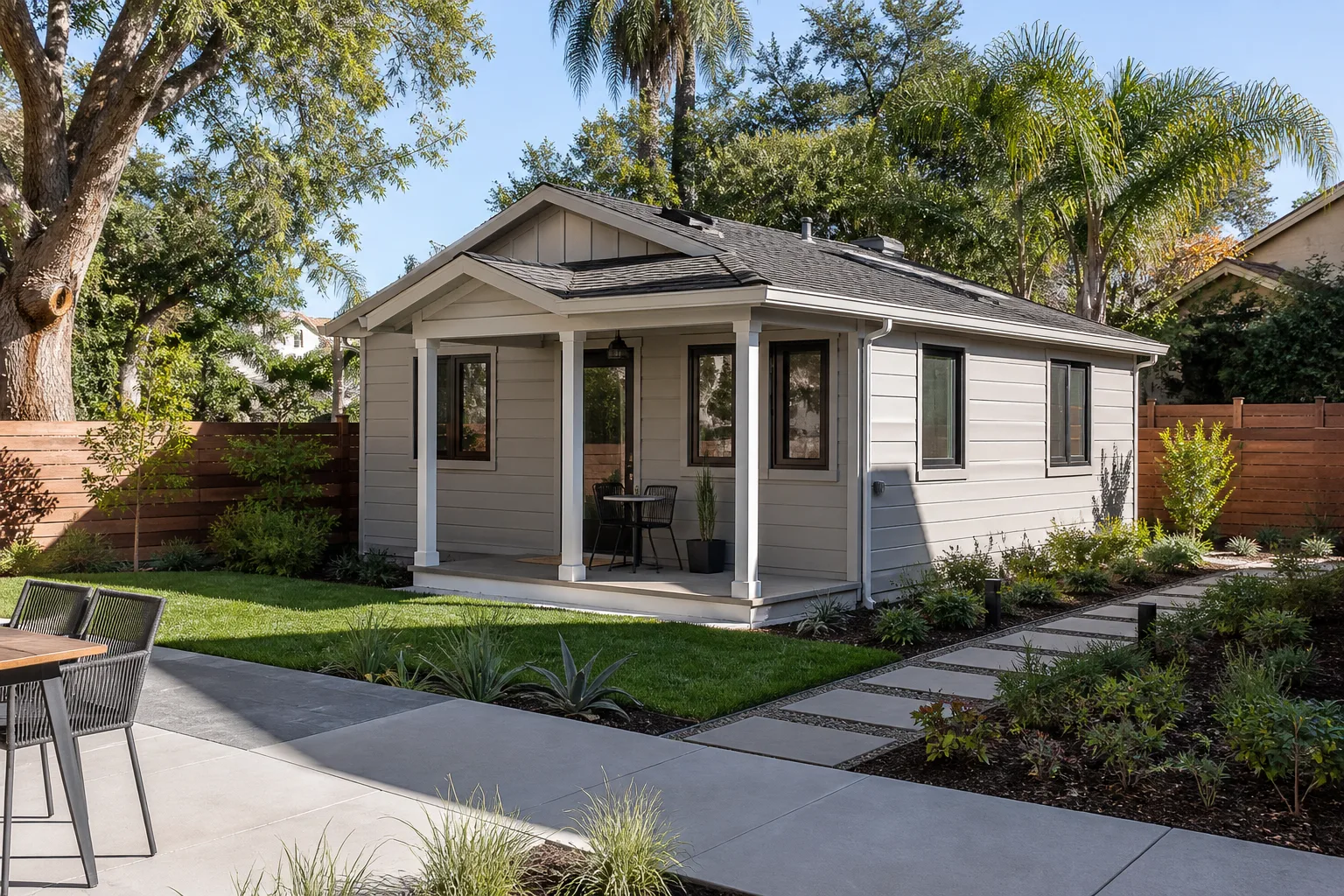
If you’re reading this, you likely have an IKO product involved in your Orlando home addition or ADU (accessory dwelling unit) and something’s gone sideways. The short answer is: we install and service IKO-compatible roofing and underlayment systems on additions and ADUs across Orlando, with full addition projects typically running $45,000 – $130,000 installed. Most repair-level issues we see are caught during a free inspection, not after a failure. The failure usually announces itself quietly first: a water stain on the ceiling near the new roofline, a shingle that lifted after a storm, or flashing that pulled away where the new structure ties into the original roof.
Which IKO Models This Applies To
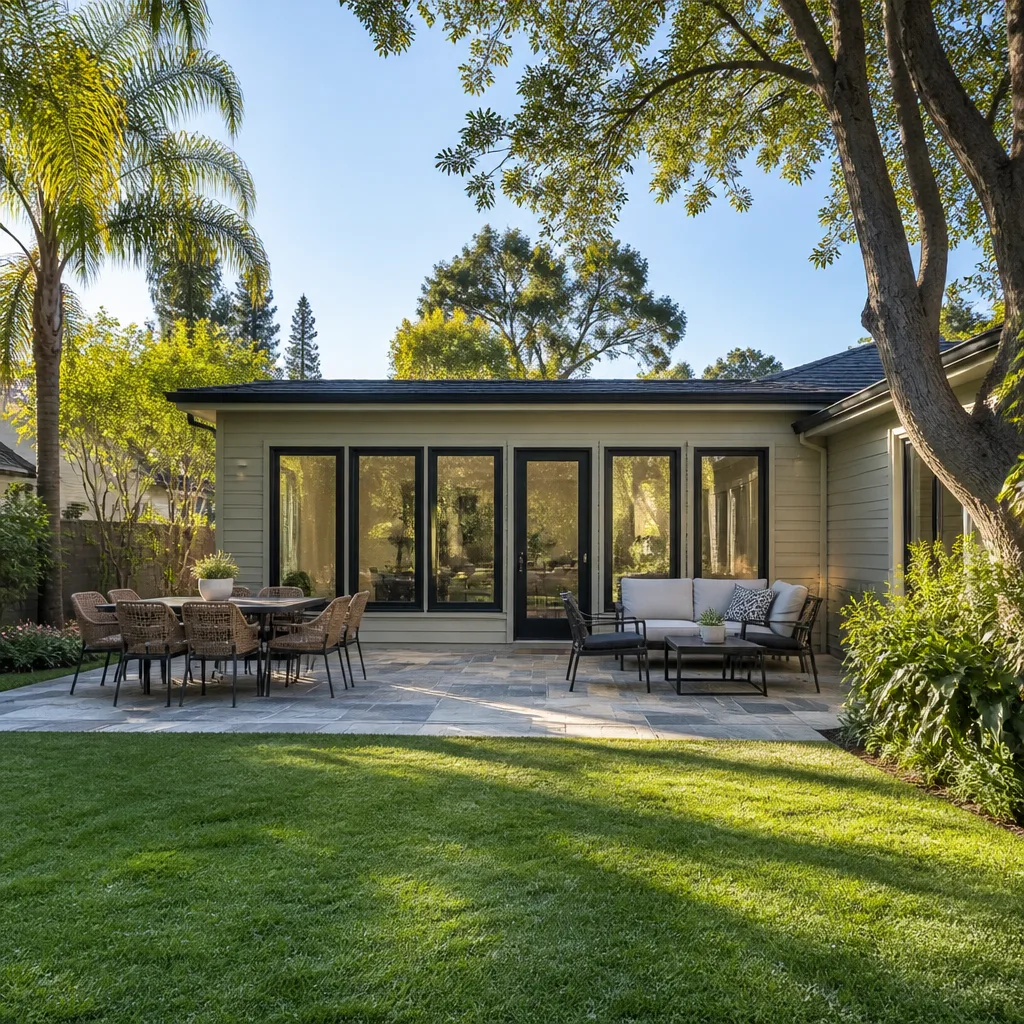
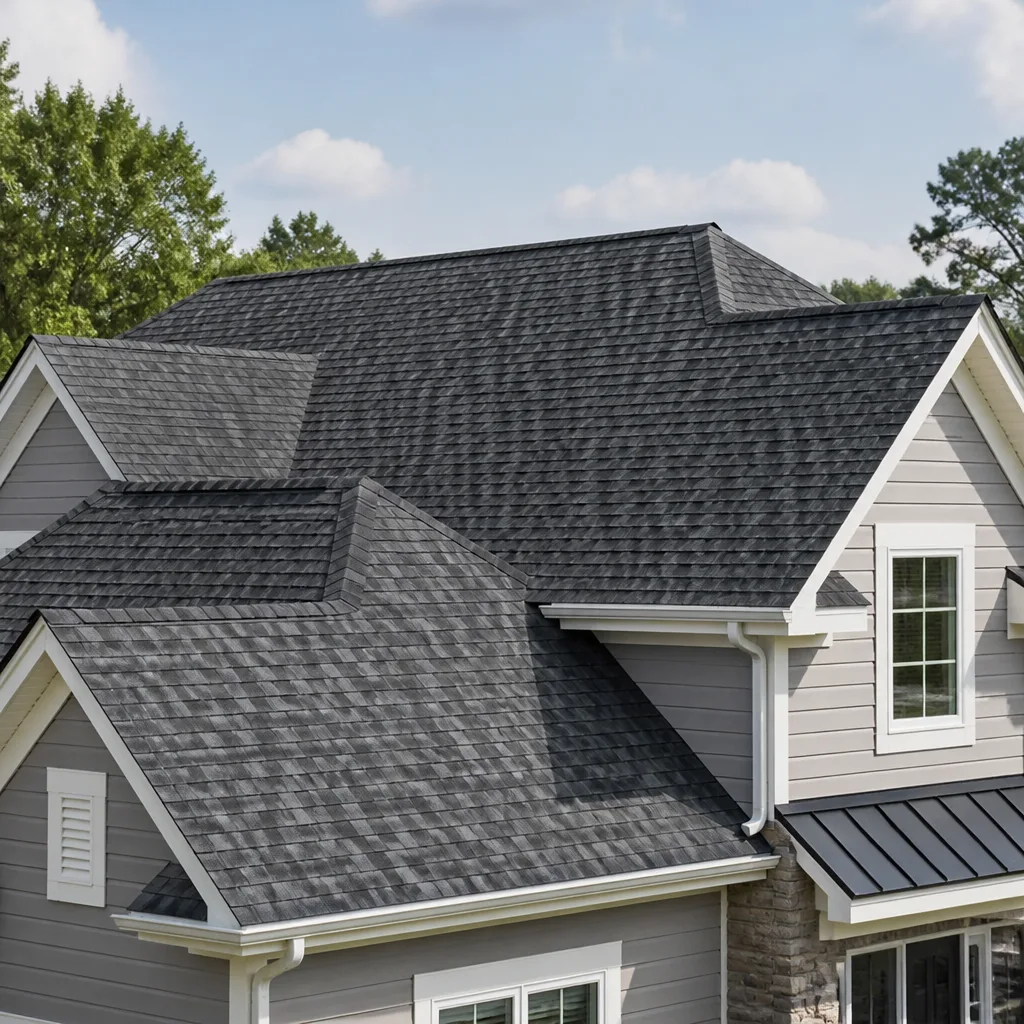
IKO makes a few product lines that matter for Orlando additions and ADUs, and the compatibility questions vary by what you actually have. The big three we work with are the Dynasty series, the Cambridge series, and IKO’s underlayment line (which includes their Ice & Water Shield products). The key gotcha with IKO shingles: the Dynasty line runs a wider exposure than Cambridge, so if someone patched a Cambridge roof with Dynasty shingles at some point, you’ll see horizontal lines that don’t align. We see this on older Orlando additions where a previous contractor used whatever was on the truck. Identify what you have by looking at the nailing strip on a spare bundle in the garage, or check the wrapper on the ridge cap. Aftermarket equivalents exist, but for anything under the IKO manufacturer warranty, OEM matters. On older roofs where the warranty is expired, a quality architectural shingle that matches the exposure and weight class will perform well in Florida sun.
One more thing worth knowing: IKO manufactures shingles with a fiberglass mat base, which handles Orland’s humidity better than the old organic mats that used to blister in Florida heat. If your addition roof is more than 20 years old and the shingles are curling or losing granules, you are likely on an organic mat. They do not last as long here as the fiberglass lines.
Styles & brands we work with
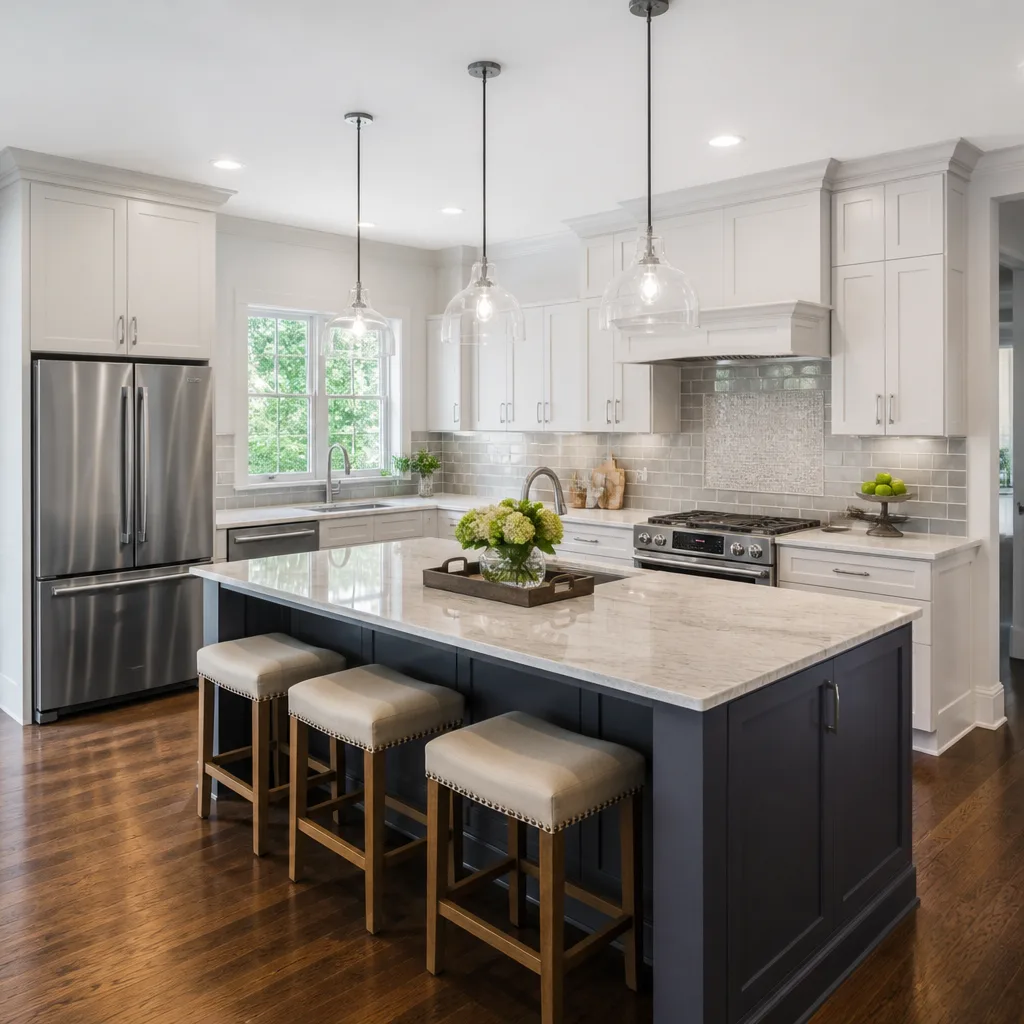
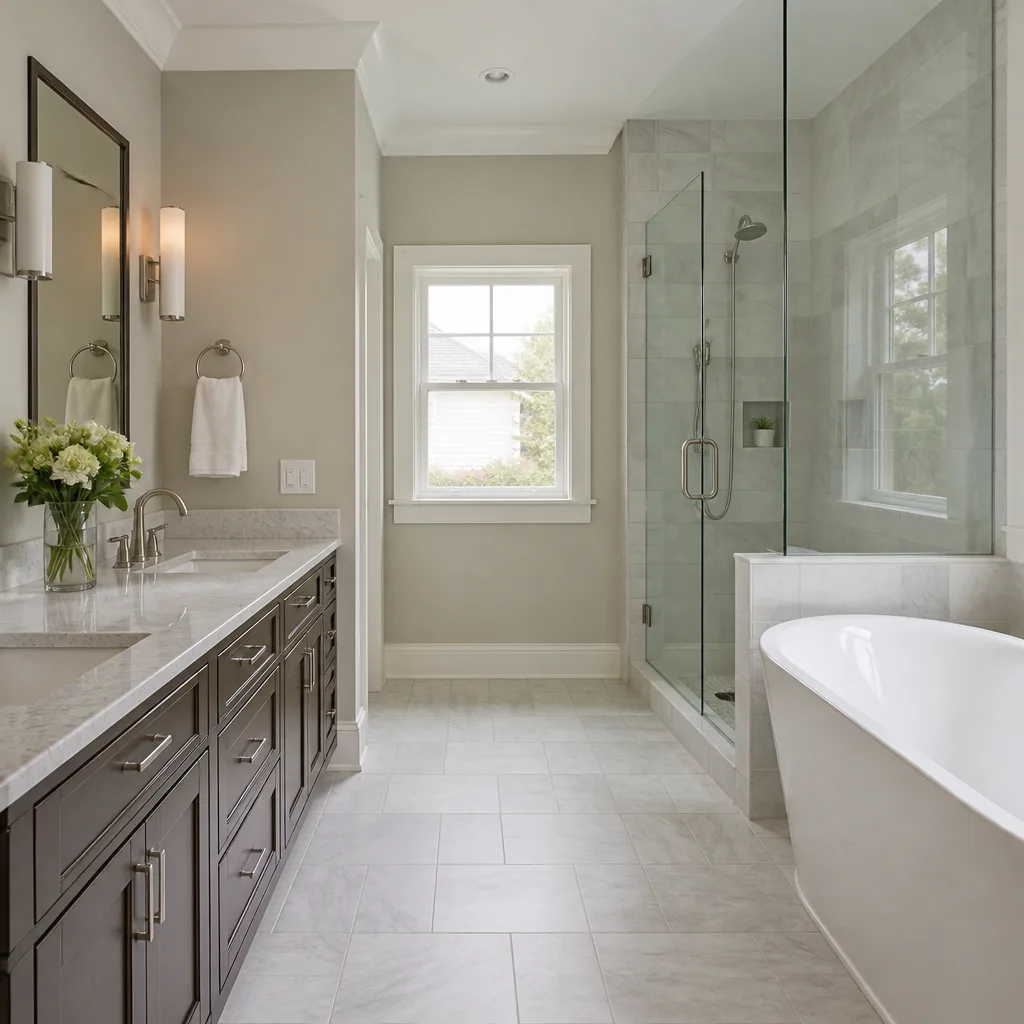
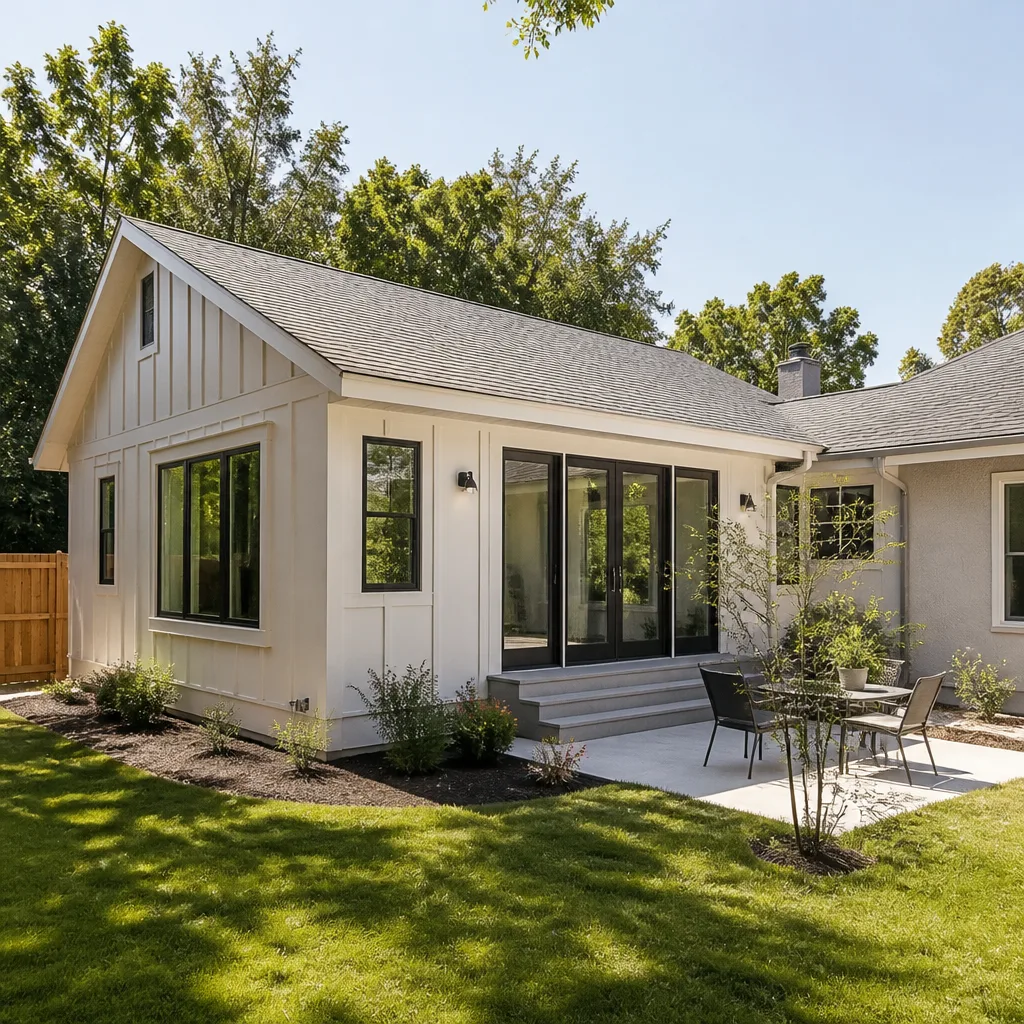
Signs Your IKO Home Additions & ADU Is Failing
- Granule loss in the gutters. Run your eyes through the gutter near the addition downspout. If you see a thick layer of black grit after every rain, the shingle surface on the IKO roof is wearing out. The Florida sun is brutal on the mineral surface, and once granules are gone, the asphalt beneath degrades quickly.
- Curling at the shingle edges where the addition roof meets flat decking. Additions and ADUs often have complex rooflines with valleys and dormers. We find curling starts at the eaves of the new structure before the roof of the main house, because the addition’s attic may not ventilate as well. Poor ventilation shortens a shingle’s life here by roughly a third.
- Water staining on the ceiling near where the new roofline meets the original structure. That tie-in point is the most common failure on Orlando additions, and the issue is rarely the shingle itself. It’s the flashing under the shingle at the transition. When the new structure settles slightly, even a quarter-inch pull on the flashing will let rain in.
- Loose or lifted ridge caps after storms. The ridge cap sees the highest wind exposure on any roof. If the caps are lifting in the middle but still attached at the ends, you are in the early stage of a problem. In Orlando we see this after the afternoon thunderstorms that hit the College Park and Audubon Park neighborhoods in summer.
- Shingle tabs are brittle and cracking when you brush against them. An aging fiberglass mat will take a set. If you can snap off a shingle corner with light pressure, the roof is structurally declining. That’s not a repair; it’s a replacement on the affected plane.
See the difference
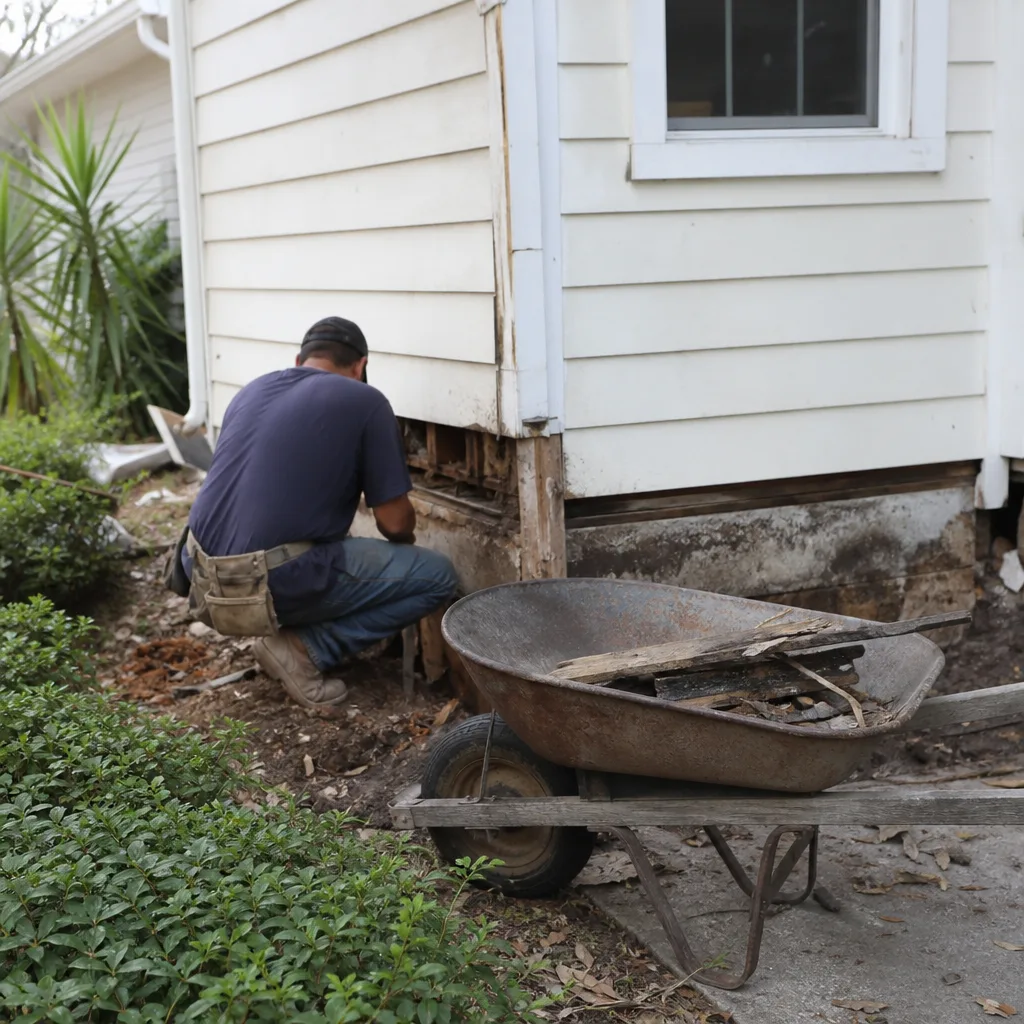 Before
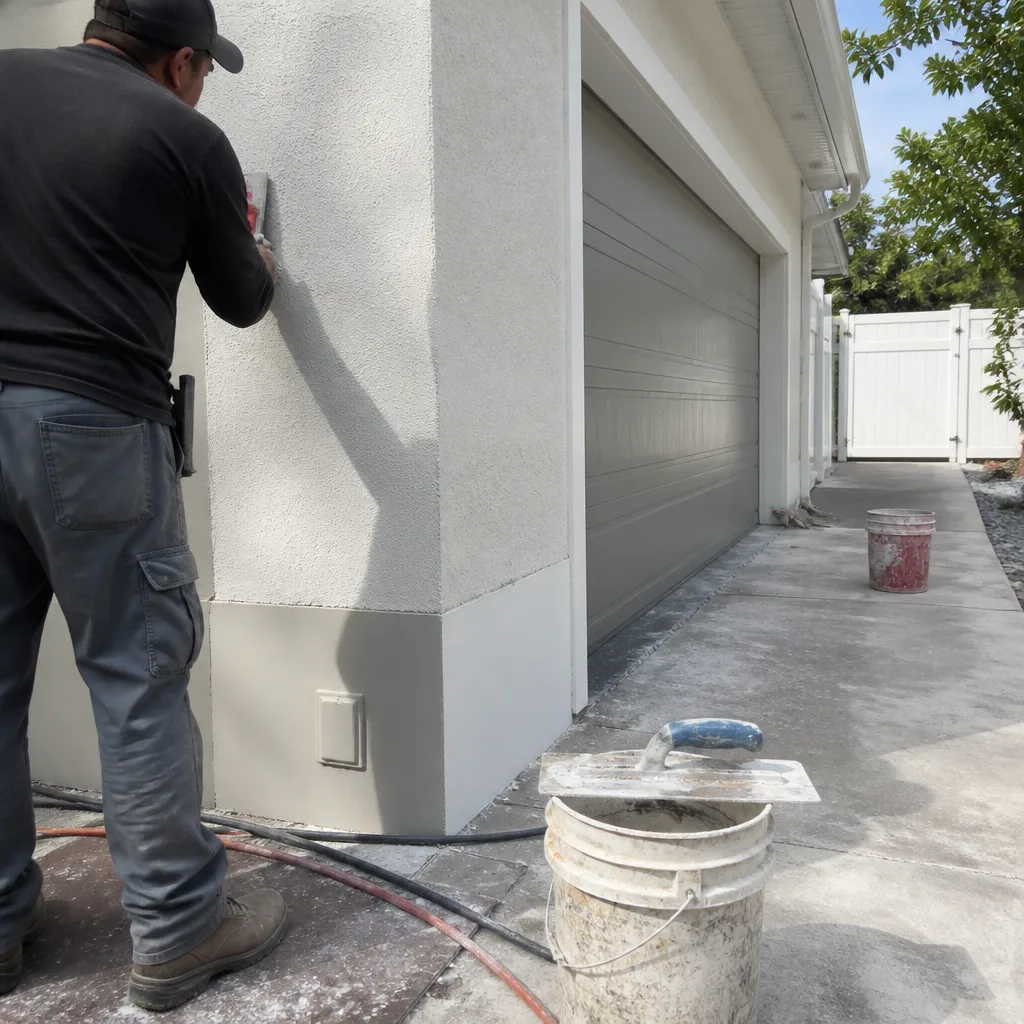 After
After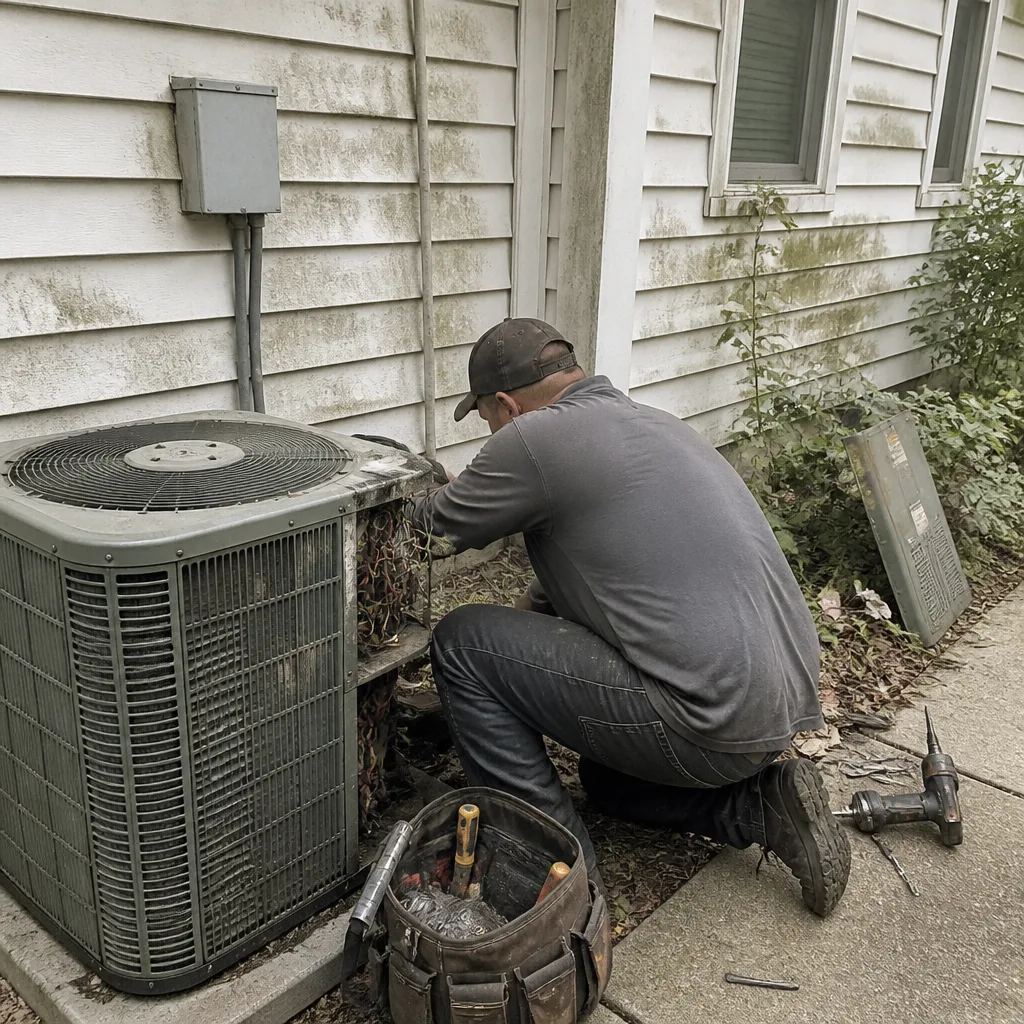 Before
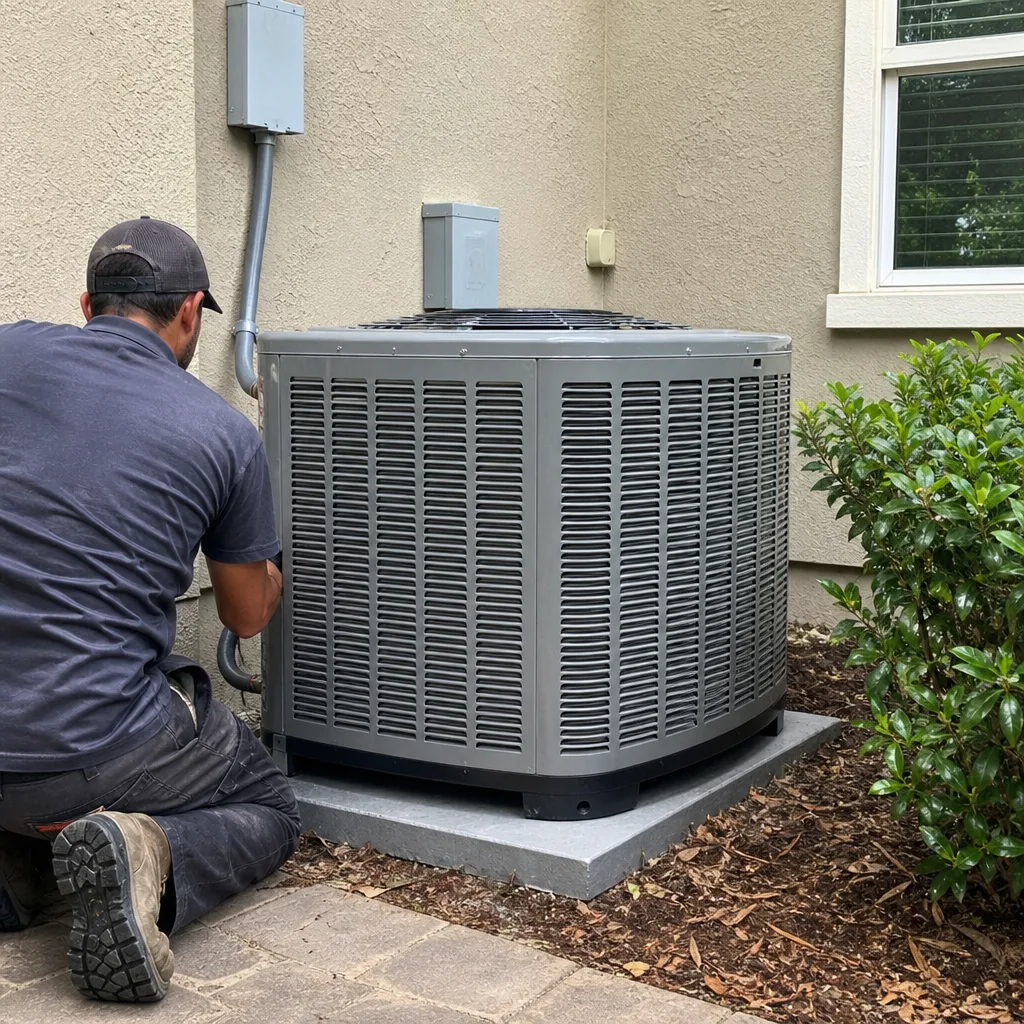 After
After Before
 After
AfterReplacement Cost & What’s Included
In Orlando, an IKO-compatible home addition runs $45,000 – $130,000 installed, depending on size, roofline complexity, and whether we’re tying into an existing slab or pouring new footers. An ADU is a larger project, typically $90,000 – $220,000, because it includes plumbing, electrical, and often a second meter or panel. What drives the range is the roofline more than the square footage: a simple shed-roof addition costs less to roof than a gable with a valley and two dormers. Every estimate includes a written line-item price before work starts, including what we’re doing with the roofing component specifically, and a written guarantee good for 365 days from completion. We pull permits and coordinate inspections on every Orlando addition and ADU we build.
DIY or Call Us?
Let’s be honest about what’s safe to look at and what isn’t. You can visually inspect from the ground: check for lifted shingles, granule piles in gutters, or water stains on ceilings. What you should not do is climb onto an addition roof in Orlando after rain, and never onto a metal roof or any roof with a pitch steeper than a 4/12 without fall protection. The mistakes we get called to fix after DIY work are almost always at the flashing: homeowners caulk where the roof meets a wall, but the water needs to route under the shingle, not around it. That’s an hour-long fix for us with the right metal. For anything beyond a visual check, call (850) 920-7745 and we’ll send someone to look. Tell me what the problem is. We’ll figure out the rest from there.
FAQs
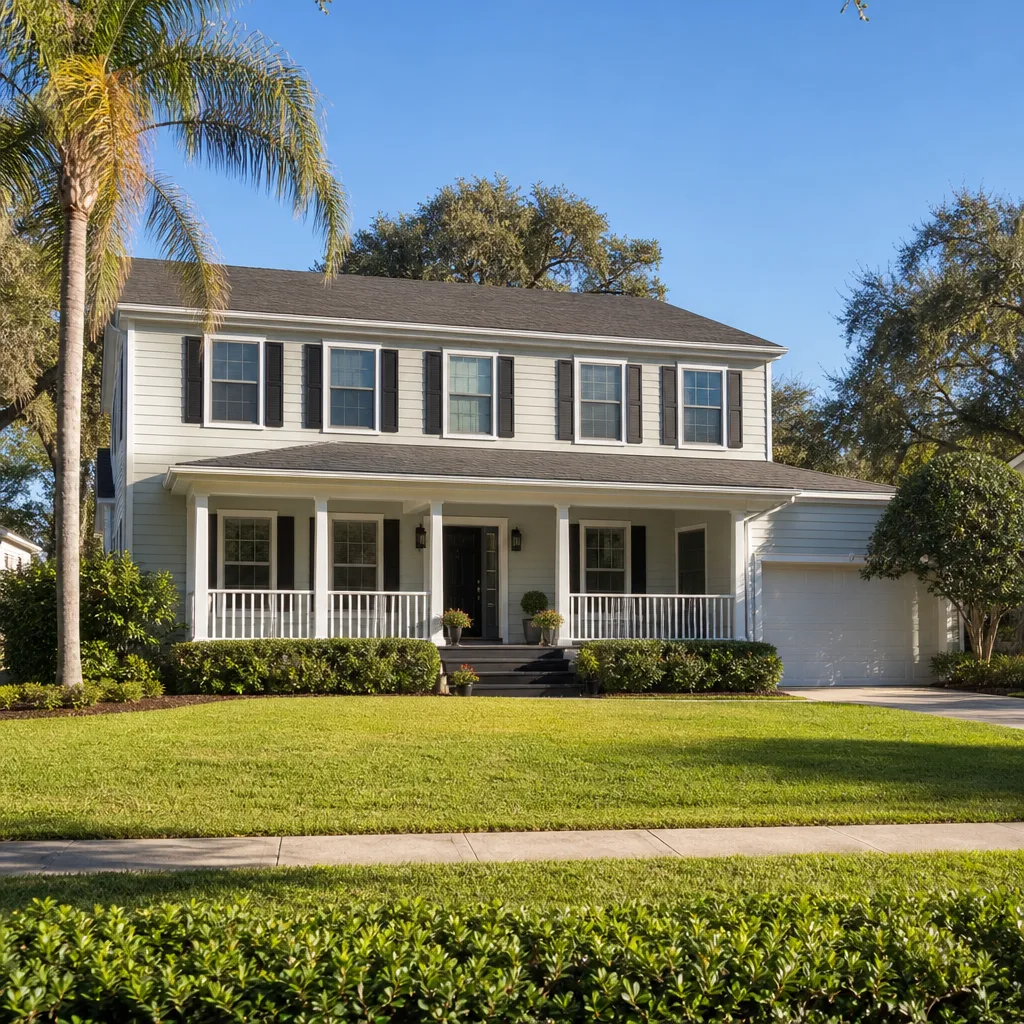
An IKO fiberglass-matted architectural shingle in Orlando should last 18 to 25 years on a properly ventilated attic. The flat, dark-colored shingles on an unventilated ADU roof may fail closer to 15. Florida’s UV exposure and the daily thermal cycling from summer rainstorms is the primary driver, so the lifespan difference largely comes down to ventilation, not the shingle brand. Call (850) 920-7745 for a free inspection and we’ll give you a straight answer on how much life is left.
It depends on the age and the failure point. Isolated flashing failures, missing shingles from a storm, and worn ridge caps are repairs. When the shingles are brittle across the entire plane, or the underlayment has been compromised by repeated leaks, you’re looking at replacement of that roof plane. We’ll never push replacement when a repair holds. Our written estimate will show why we’re recommending one or the other.
A grounded home addition typically runs 10 to 16 weeks from permitting to final inspection. An ADU usually runs 5 to 8 months, mostly because of the separate utility work and more complex engineering. The roofing component itself is usually 2 to 4 days. Rain days in the Orlando summer can add time we can’t control, but we’ll give you a schedule in writing and tell you directly when it shifts.
We keep common IKO shingle colors, ridge cap, underlayment, and flashing materials stocked in our Orlando yard, and we can source the full Dynasty and Cambridge color lines within a day through our supplier partners. For a whole addition or ADU project, we also work with KraftMaid cabinetry, Cambria and Silestone surfaces if you’re adding a kitchenette or bath in the new space. If you’re trying to match an existing IKO color on an older home, bring us a shingle or send a photo; color lots shift slightly over the years, and we’ll tell you if it will blend or look obvious.
Written by Isaac Pruett, Owner, Mason Remodeling Co Orlando at Mason Remodeling Co Orlando, serving Orlando and nearby areas.