Free written scope consultation - allowances, timeline, and change-order rules on paper before a single trade is scheduled
CGI Roofing: The Orlando Owner’s Guide
If you have a CGI roof and a part has failed, here’s the straight answer: Mason Remodeling Co Orlando stocks and installs CGI-compatible roofing components across the Orlando metro, with most replacements priced between $400 and $2,500 depending on the part and the extent of the damage. We’re usually on-site within a day or two of your call, not weeks. Most homeowners discover the problem the same way: a ceiling stain after a heavy afternoon storm, a shingle or tile in the yard after a wind gust, or a roofer from another company pointing out flashing that has pulled away from the chimney. By the time we arrive, you’ve already been living with the worry for a while. That ends quickly.
One thing worth saying up front: Mason Remodeling Co Orlando is an independent service provider. We are not affiliated with CGI, and we don’t pretend to be. What we do is keep their roofing systems watertight and structurally sound after the original installation, using parts that match the spec and installers who understand how CGI components behave in Florida’s heat, humidity, and storm cycles.
Which CGI Models This Applies To
CGI, part of the Cornerstone Building Brands family, manufactures roofing products under several lines that appear throughout Orlando homes, from the 1950s block houses in Audubon Park to newer construction in Lake Nona. The most common CGI components we replace include metal roofing panels and their associated trim, ridge caps, flashing, and fasteners. The compatibility gotcha most owners hit is this: CGI metal roofing panels come in specific widths and profiles, and a panel from one CGI series often will not seat correctly with the trim from another. We measure the panel width, the rib height, and the seam profile before we order or pull anything from inventory. Guessing costs you a return trip and another week of a leaking roof.
For CGI specifically, we recommend OEM parts whenever the roof is under warranty or the panel is a current production profile. For older CGI lines that have been discontinued, a quality aftermarket equivalent made from the same gauge steel and the same paint system is often the practical choice, and we’ll tell you that up front rather than promising a part that no longer exists. The label on the underside of an existing panel, or the original installation paperwork, is the fastest way to identify your series. No paperwork? We measure everything on-site.
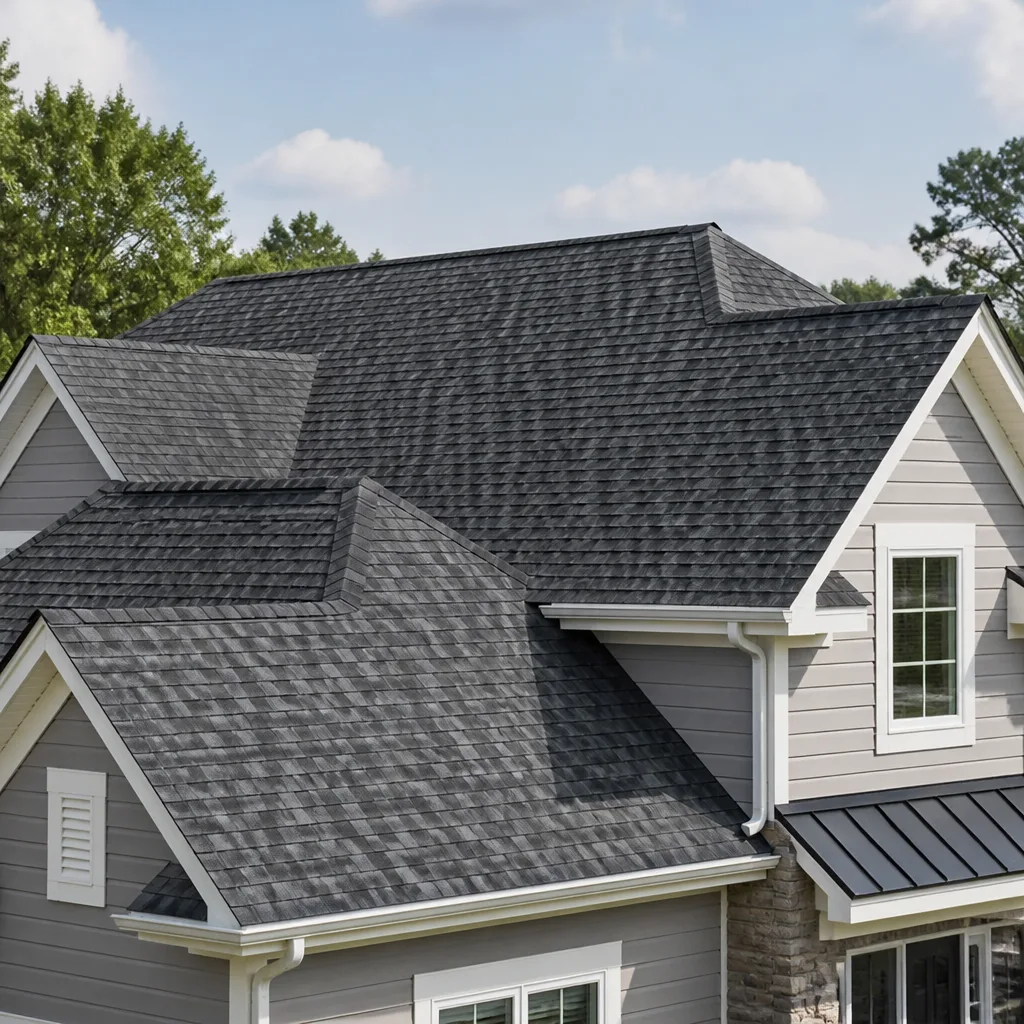
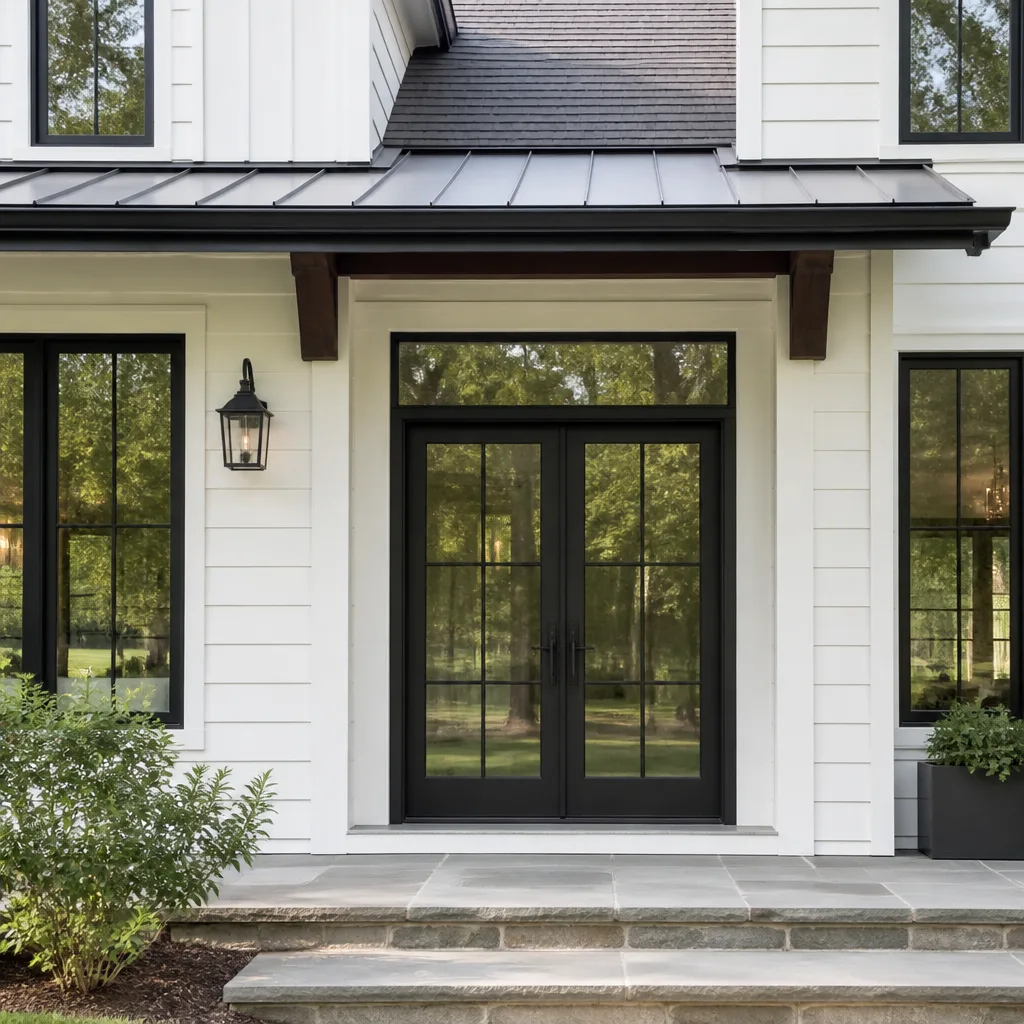
Styles & brands we work with
Signs Your CGI Roofing Is Failing
- Water staining on ceilings or walls after rain. This is the symptom that gets the call. In Orlando’s summer storm pattern, a small flashing gap can let a surprising amount of water in during a single afternoon downpour. The stain may appear days after the rain.
- Loose or missing fasteners with rust trails. CGI metal panels rely on thousands of fasteners with neoprene washers. When the washers degrade in Florida’s UV exposure, the fasteners back out slightly and water follows the threads. You’ll see rust streaks below the fastener heads.
- Visible panel movement or oil-canning that appeared suddenly. Panels that flex or pop during wind events often have loose clips or fasteners beneath. Oil-canning, the wavy distortion you see in metal roofing, can be cosmetic when the roof was installed, but a sudden change usually means something structural has let go.
- Trim, ridge cap, or flashing pulling away from the roofline. Expansion and contraction from Orlando’s temperature swings works trim loose over time. Once a ridge cap lifts even half an inch, wind-driven rain gets under it, and the damage compounds with every storm.
- Granule loss or surface coating breakdown on older CGI panels. Florida’s sun is hard on any roof coating. When the finish starts to chalk, fade, or flake, the underlying metal is no longer protected, and pinholes become a real possibility within a couple of years.
See the difference
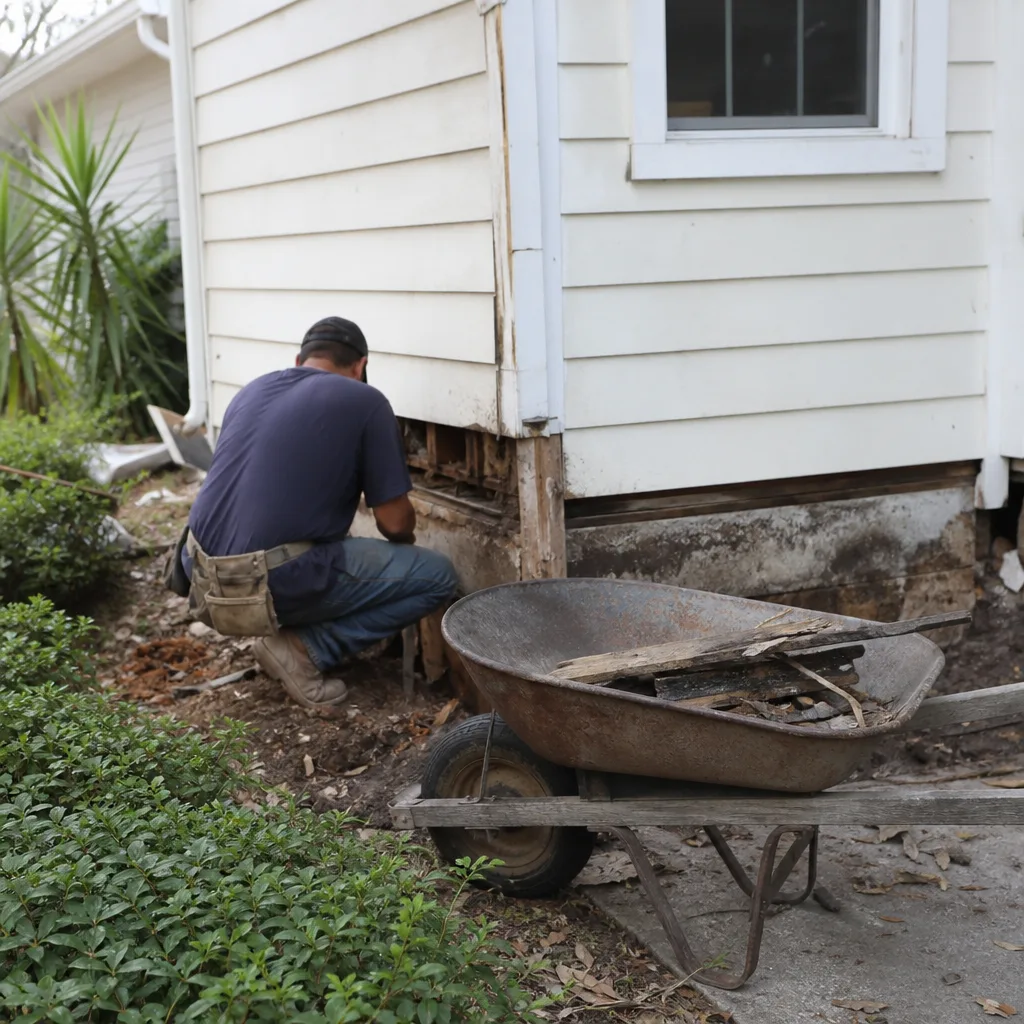 Before
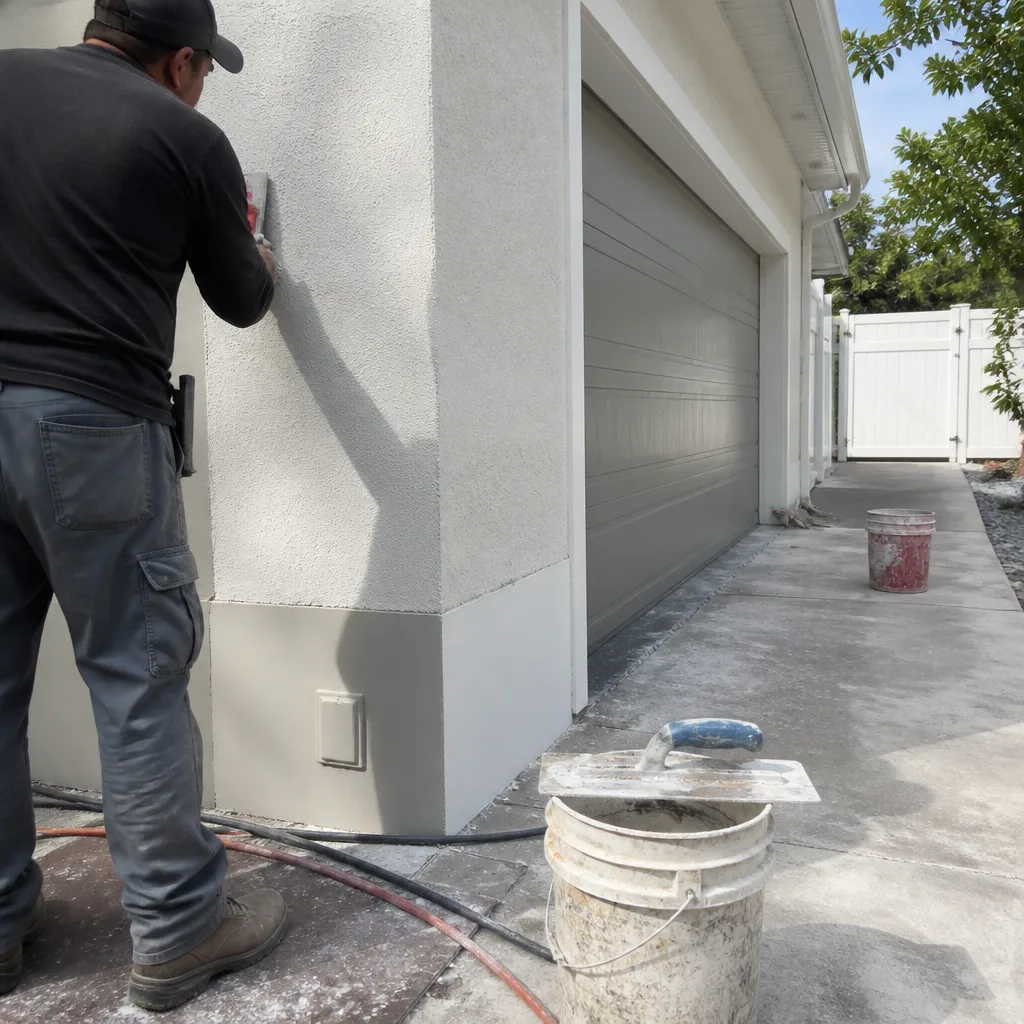 After
After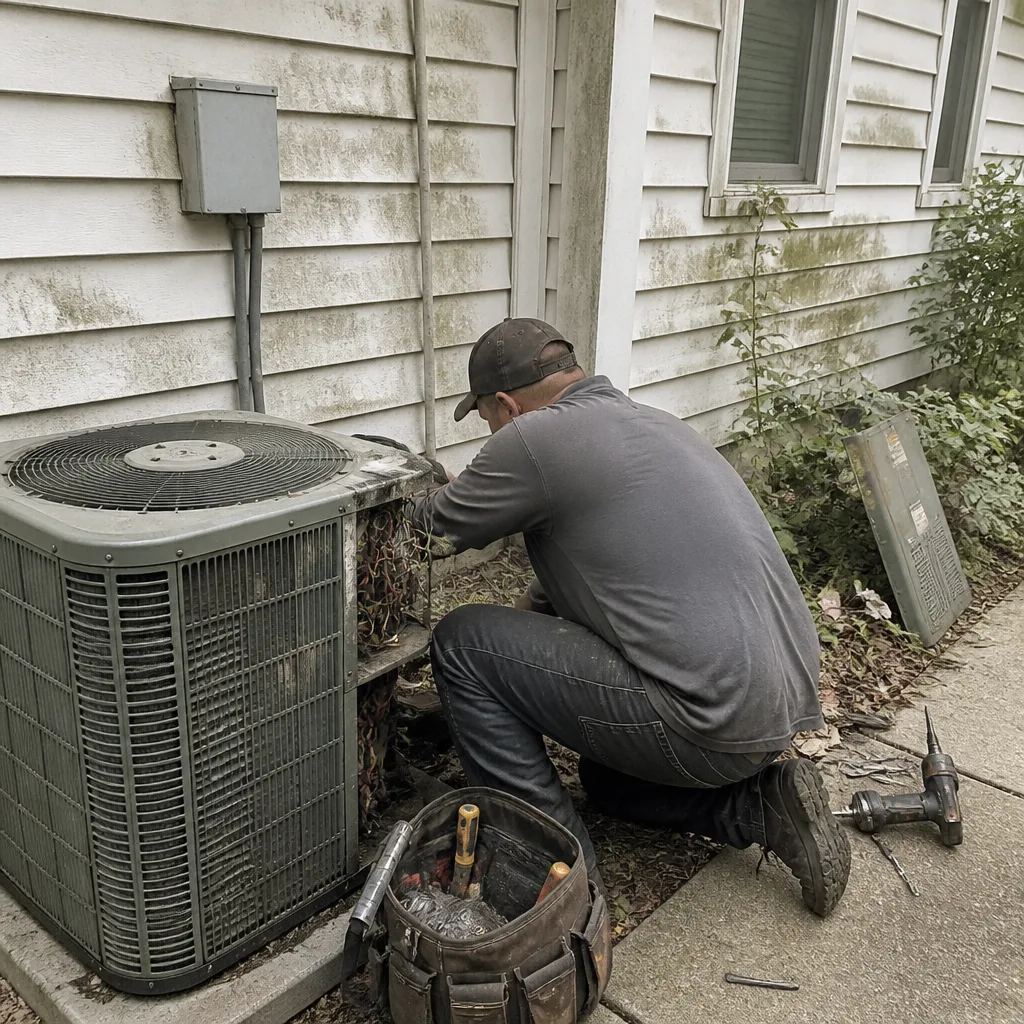 Before
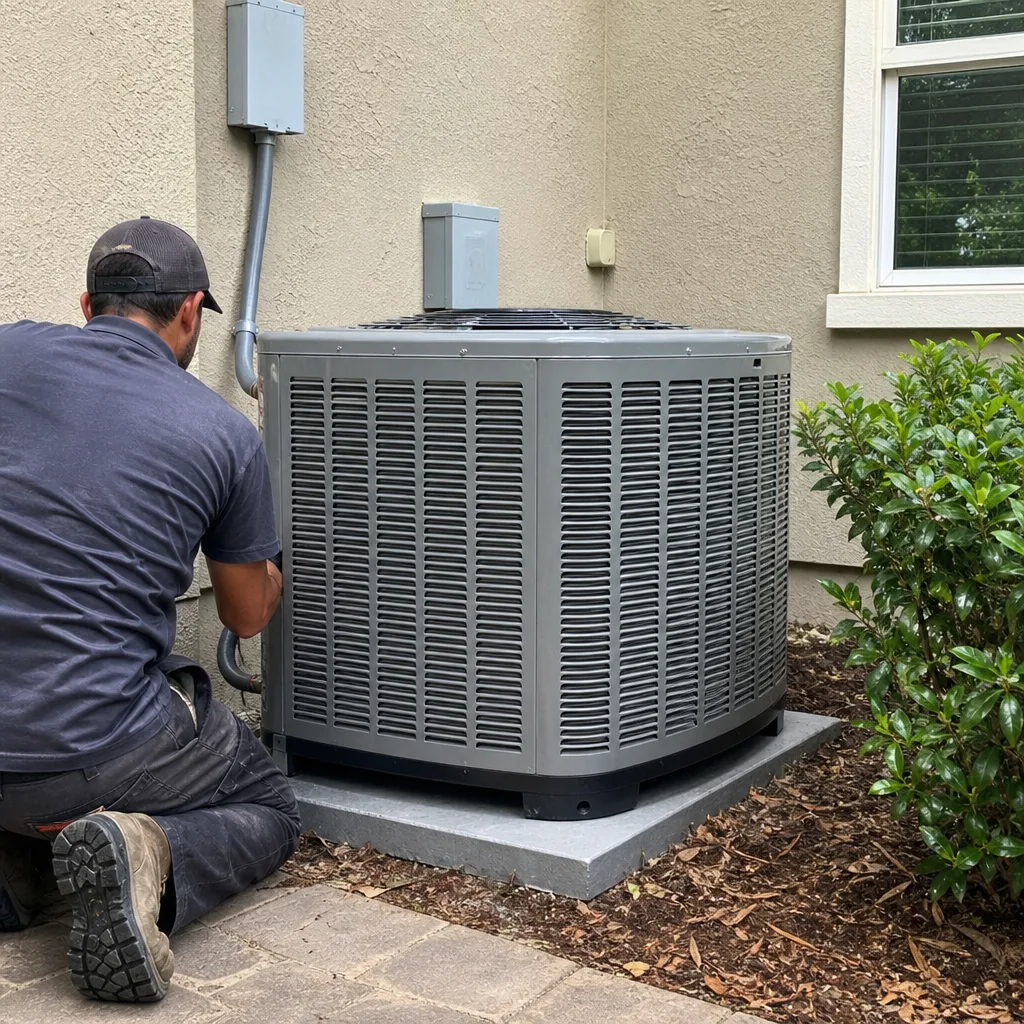 After
After Before
 After
AfterReplacement Cost & What’s Included
In the Orlando market, most CGI roofing parts replacements fall into a clear price band. A single-panel replacement with trim adjustment typically runs $400 to $1,200. Flashing repair or replacement around a chimney, skylight, or pipe boot sits in the $500 to $1,800 range. Full ridge cap replacement on a standard Orlando ranch runs $800 to $2,500 depending on the linear footage and the height and pitch of the roof. These are installed prices: part, labor, fasteners, sealant, and cleanup.
What drives the difference? Roof height and pitch, access to the damaged area, whether we’re matching an existing color or stripping and replacing a full run, and whether the underlying decking or underlayment has rotted. We quote the decking repair separately only if we find it, and we show you a photo of the damage before we touch it. Every job carries a written price before work starts, and the workmanship is covered by our 365-Day Done Right Promise: if it’s not right within a year of completion, we come back and make it right at no cost to you.
DIY or Call Us?
Let’s be honest about what’s safe to do yourself and what isn’t. Walking your roofline from the ground with binoculars to spot missing fasteners or lifted trim is smart. Cleaning debris from valleys and gutters with a ladder on solid ground is fine. But any repair that involves getting on the roof, removing fasteners, or pulling panels is where DIY goes sideways. A CGI metal roof on an Orlando afternoon is hot enough to cook on, and one wrong step on a metal panel can turn a minor repair into a hospital visit. More importantly, a partial repair that doesn’t address the underlying fastener or sealant issue will leak again, and the second leak is usually worse.
Isaac Pruett has been handling these calls in Orlando long enough to know the difference between a five-minute inspection and a two-hour repair, and we’ll tell you which one you have before we set foot on the ladder. Call (850) 920-7745 and describe what you’re seeing. Tell me what the problem is. We’ll figure out the rest from there.
FAQs
A properly installed CGI metal roof in Orlando typically lasts 40 to 50 years for the metal itself, but the fasteners, sealants, and flashing have a shorter service life, usually 15 to 25 years depending on sun exposure and storm frequency. Most of the failures we see on CGI roofs are in those secondary components, not the panels. Call (850) 920-7745 if you’re seeing rust, lifted trim, or leaks, and we’ll give you an honest assessment of what’s still good and what needs replacing.
Sometimes, yes. A single lifted seam or a few backed-out fasteners can often be reseated and sealed without replacing the panel, which keeps the cost at the lower end of the repair range. If the metal itself is rusted through, torn, or structurally compromised, replacement is the only honest fix. We’ll show you the damaged area and explain the repair-versus-replace call before any work is done.
Most single-part replacements, a panel, a section of flashing, or a run of ridge cap, take between two and six hours on-site. We handle materials pickup and disposal as part of the job, so you’re not hauling metal to the curb. Larger repairs that involve multiple panels or decking replacement may stretch to a second day, and we’ll tell you that in the written quote before work begins.
We stock common fasteners, sealants, flashing profiles, and standard panel widths on our trucks, which means many Orlando repairs are completed in a single visit. Specialty colors or discontinued CGI profiles may take three to seven days to source, and we’ll give you that timeline in writing. If you’re not sure whether your part is standard or special-order, call (850) 920-7745 with the series or a photo of the damaged area, and we’ll tell you what we’re looking at.
Written by Isaac Pruett, Owner, Mason Remodeling Co Orlando at Mason Remodeling Co Orlando, serving Orlando and nearby areas.