Free written scope consultation - allowances, timeline, and change-order rules on paper before a single trade is scheduled
Quikrete Home Additions & ADU: The Orlando Owner’s Guide
For Orlando homeowners planning a Quikrete-based home addition or ADU, the typical installed project runs $45,000 to $130,000 depending on square footage, foundation work, and finish level. Most additions take 8 to 16 weeks from permit to final walkthrough, with concrete work on the front end. What usually brings people to us isn’t the Quikrete itself failing, it’s the planning around it: figuring out whether the existing slab can support the new load, what Orlando’s building department requires for tie-ins, and how to keep the whole project from turning into a six-month headache.
We’re an independent Orlando general contractor, not a Quikrete dealer or affiliate. What that means for you: we specify Quikrete products where they make sense because the material is consistent and readily available across Central Florida, but we’re not tied to any single manufacturer’s line. Isaac Pruett and our crew have handled additions from College Park bungalows to ADU builds in the newer developments east of Orlando, and we’ve learned where Quikrete shines and where another product clears local code with less friction.
Tell me what the problem is. We’ll figure out the rest from there.
Which Quikrete Models This Applies To
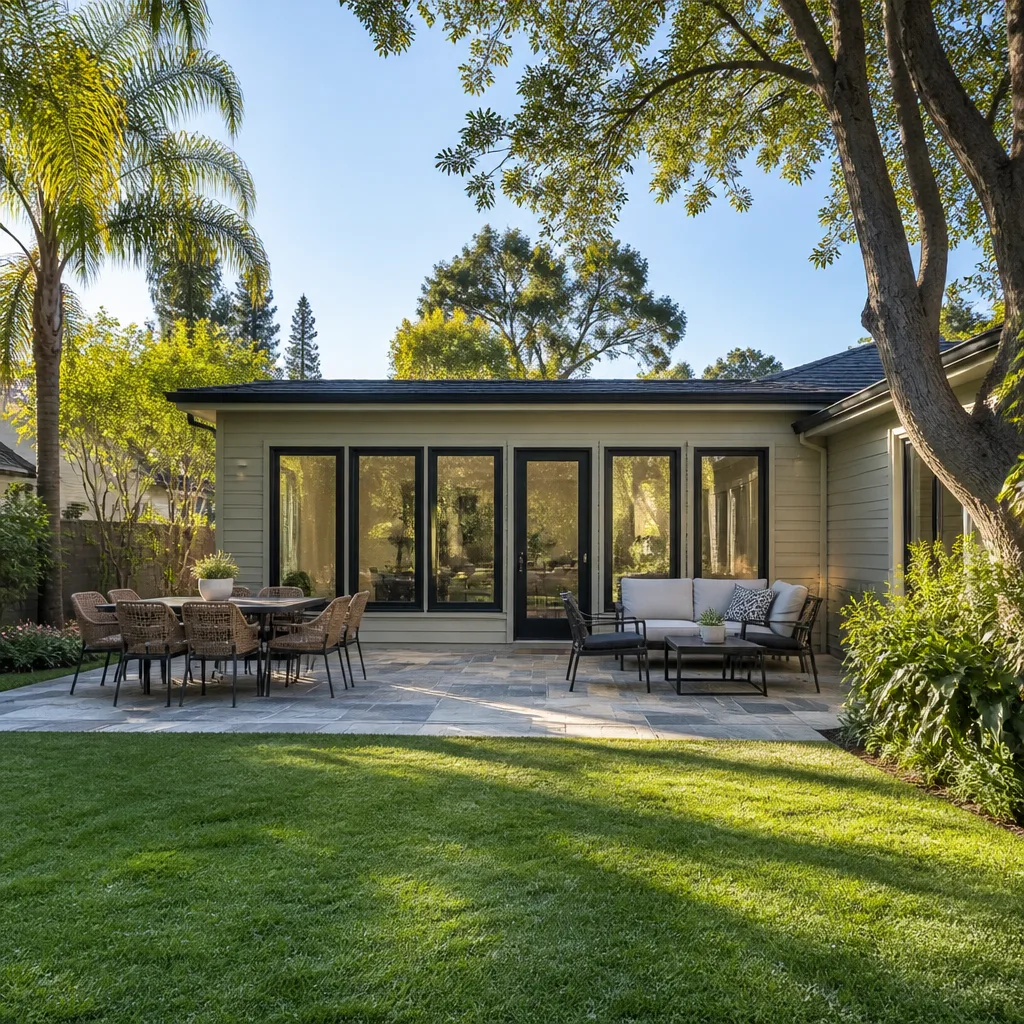
Quikrete doesn’t make “models” the way an appliance brand does, so the compatibility question is really about which Quikrete product lines apply to your specific addition or ADU scope. For Orlando work, the relevant families are:
- Quikrete Concrete Mix (1101) – the standard 4,000 PSI bagged mix for footings, slab pours under 4 inches, and small stem walls. Works for most ADU foundations when placed and cured correctly.
- Quikrete 5000 (1007) – higher early strength, 5,000 PSI. We specify this for Orlando additions where the structural engineer calls for extra compressive strength due to sandy soil conditions in areas like Azalea Park or Conway.
- Quikrete Crack-Resistant Concrete Mix (1006) – includes reinforcing fibers. Useful for interior slab patches and non-structural topping work, but not a substitute for rebar in load-bearing pours.
- Quikrete Fast-Setting Concrete Mix (1004) – for fence post footings, utility pads, and small stand-alone pads like AC condenser bases. Not for structural slab work.
- Quikrete Mason Mix / Mortar Mix – for block work on stem walls and piers, common in Orlando ADU builds where crawl-space or pier-and-beam foundations pass code more easily than full slabs in low-lying lots.
OEM vs. aftermarket: what actually matters here. Unlike a faucet cartridge or a furnace board, there’s no “OEM Quikrete part” to swap. What matters is getting the right mix specification for the application, verifying the batch date, and using clean water. Bagged concrete mixes have a shelf life. Quikrete bags stored in a humid Orlando garage past 6 months will lose strength, and we’ve seen failed slump tests from product that sat in a homeowner’s shed through two summers. We check every bag date before it hits the mixer.
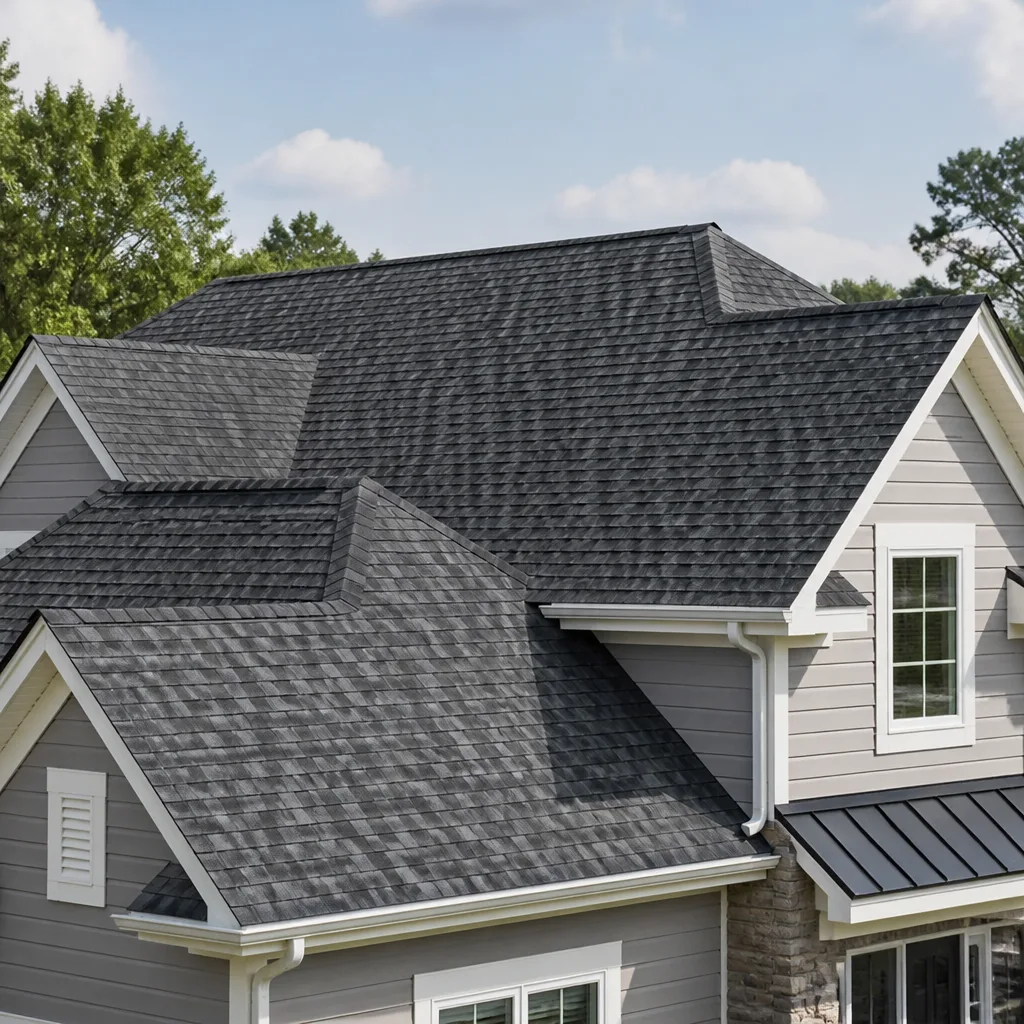
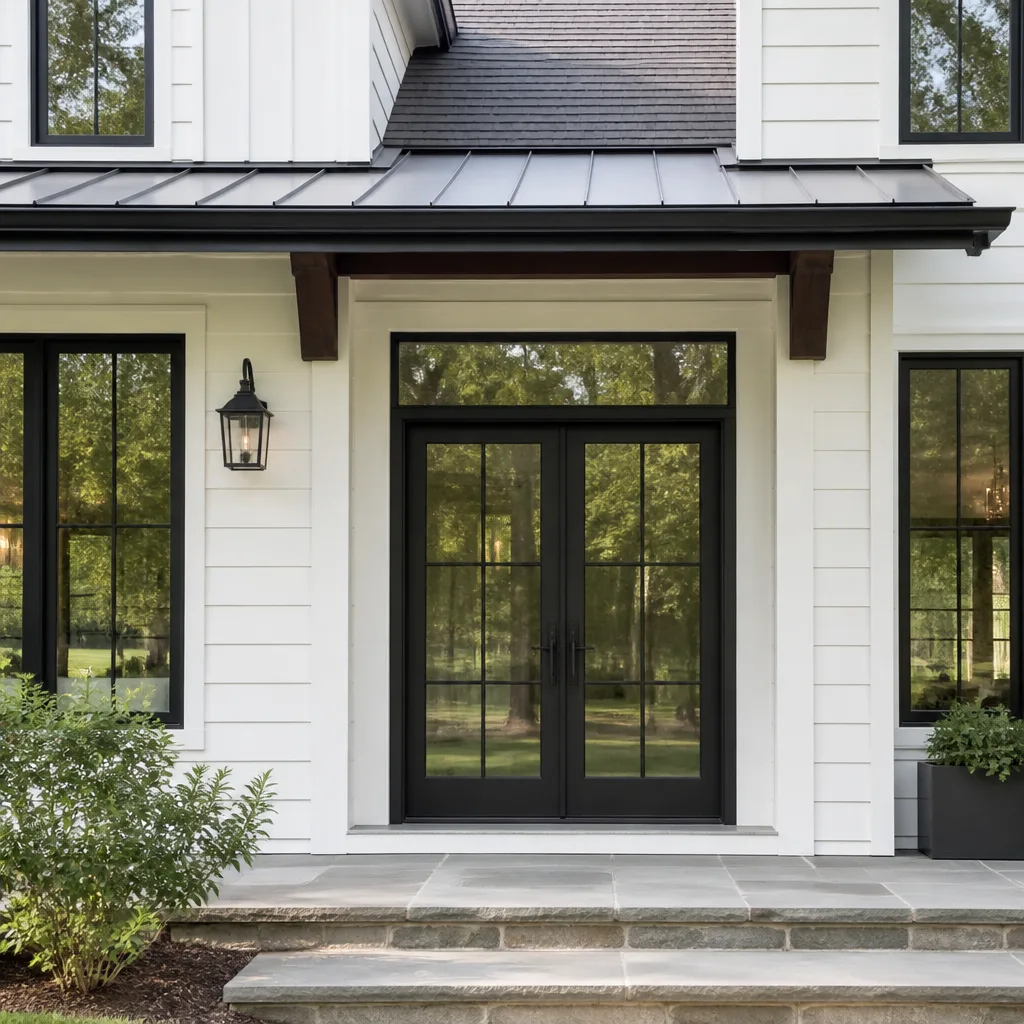
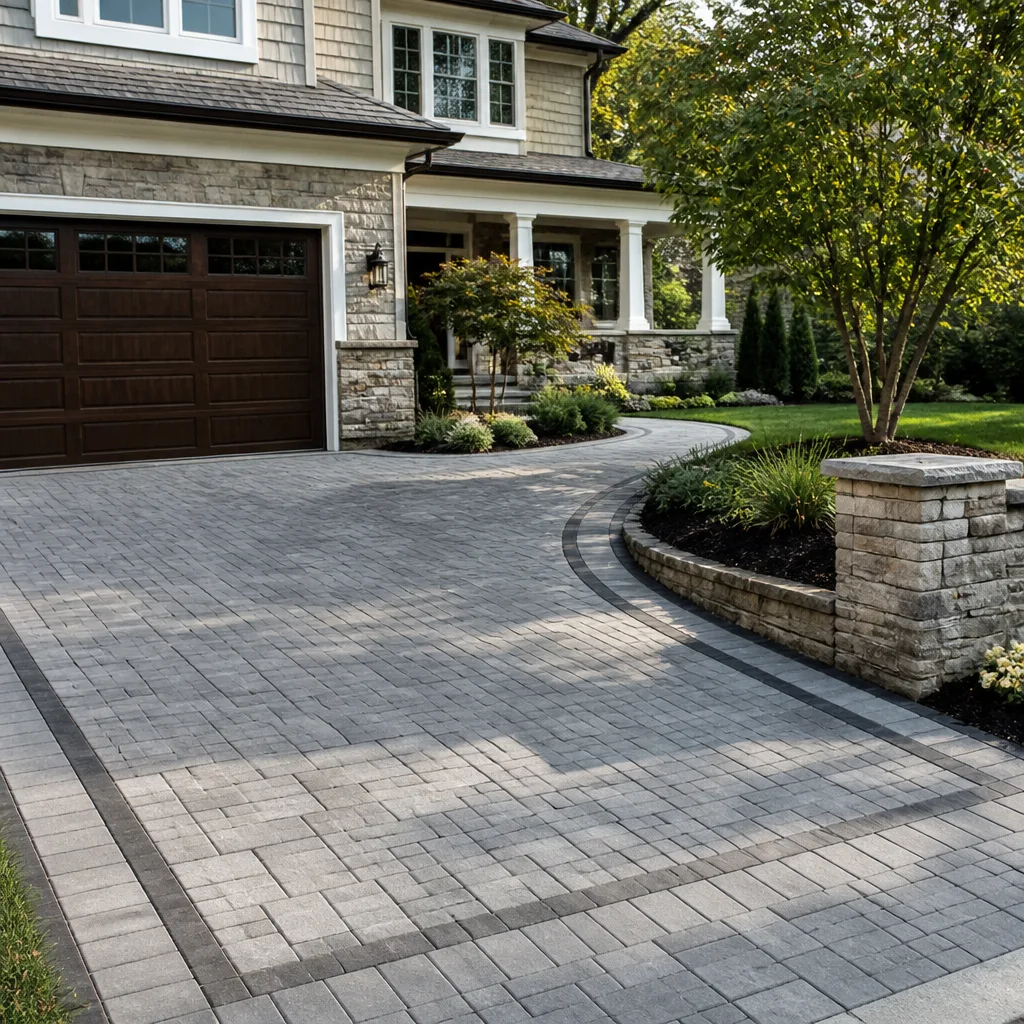
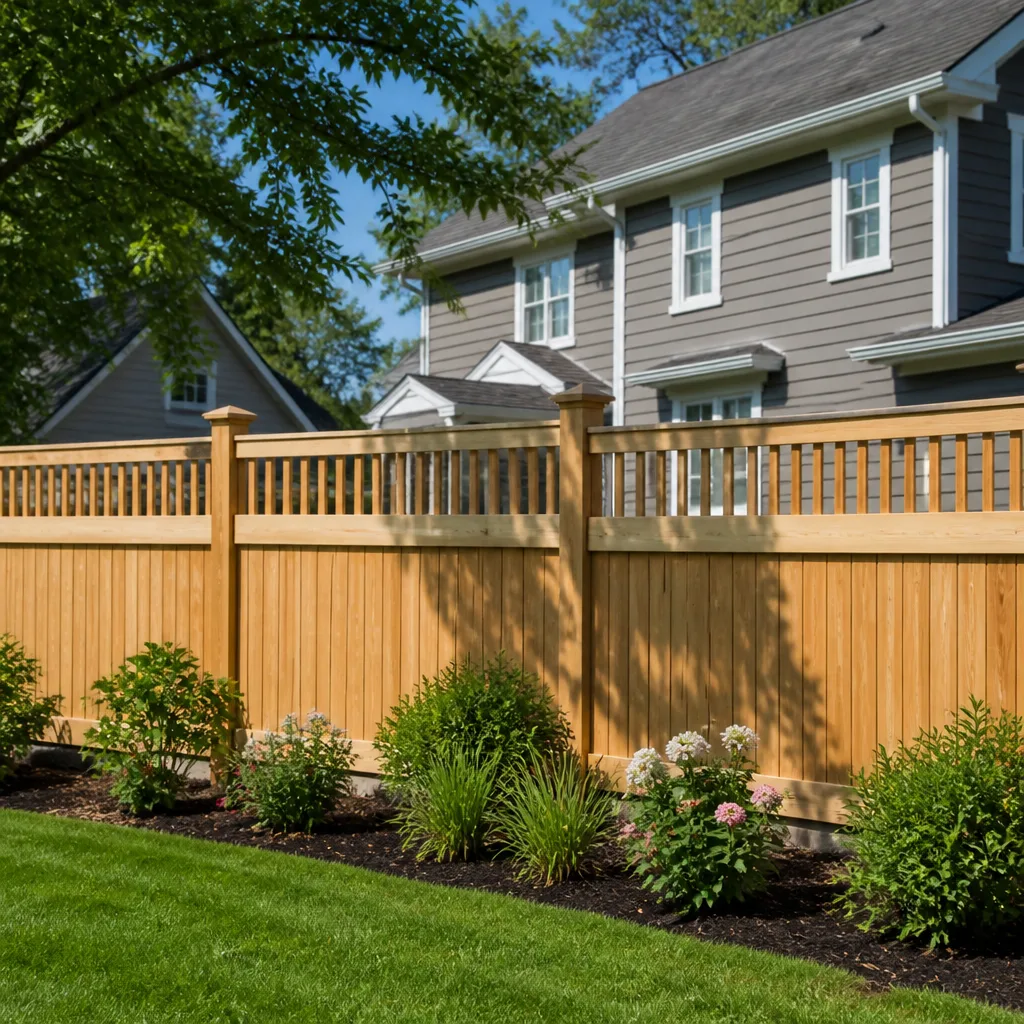
Styles & brands we work with
Signs Your Quikrete Home Addition or ADU Is Failing
If you’re on a page about “parts,” you probably already know something’s off. Here’s what we see most often in Orlando, and what’s actually going on underneath:
- Cracking along the slab-to-existing-foundation joint. Your addition’s slab is moving independently of the original house because the preparation wasn’t right: either the existing slab wasn’t doweled properly, or the soil beneath wasn’t compacted. Orlando’s sandy soil and seasonal rain make this worse than in drier climates.
- Hairline cracks spreading across the slab surface within the first year. Typically a curing issue: the concrete dried too fast in Florida heat. We see this more with unshaded pours in August than with winter work.
- Water pooling against the new slab edge. Orlando’s afternoon downpours are relentless, and if the final grade slopes toward the structure instead of away from it, you get hydrostatic pressure pushing water through the slab over time.
- Doors and windows in the new addition sticking. This means the addition is settling unevenly. Minor settling is normal; binding doors that get worse month over month is a foundation signal, not a humidity signal.
- Efflorescence (white chalky residue) on the block or slab surface. Moisture is wicking through the concrete and leaving mineral deposits behind. It’s usually cosmetic, but persistent efflorescence on a new Orlando ADU points to a drainage or vapor barrier problem worth addressing before drywall goes up.
See the difference
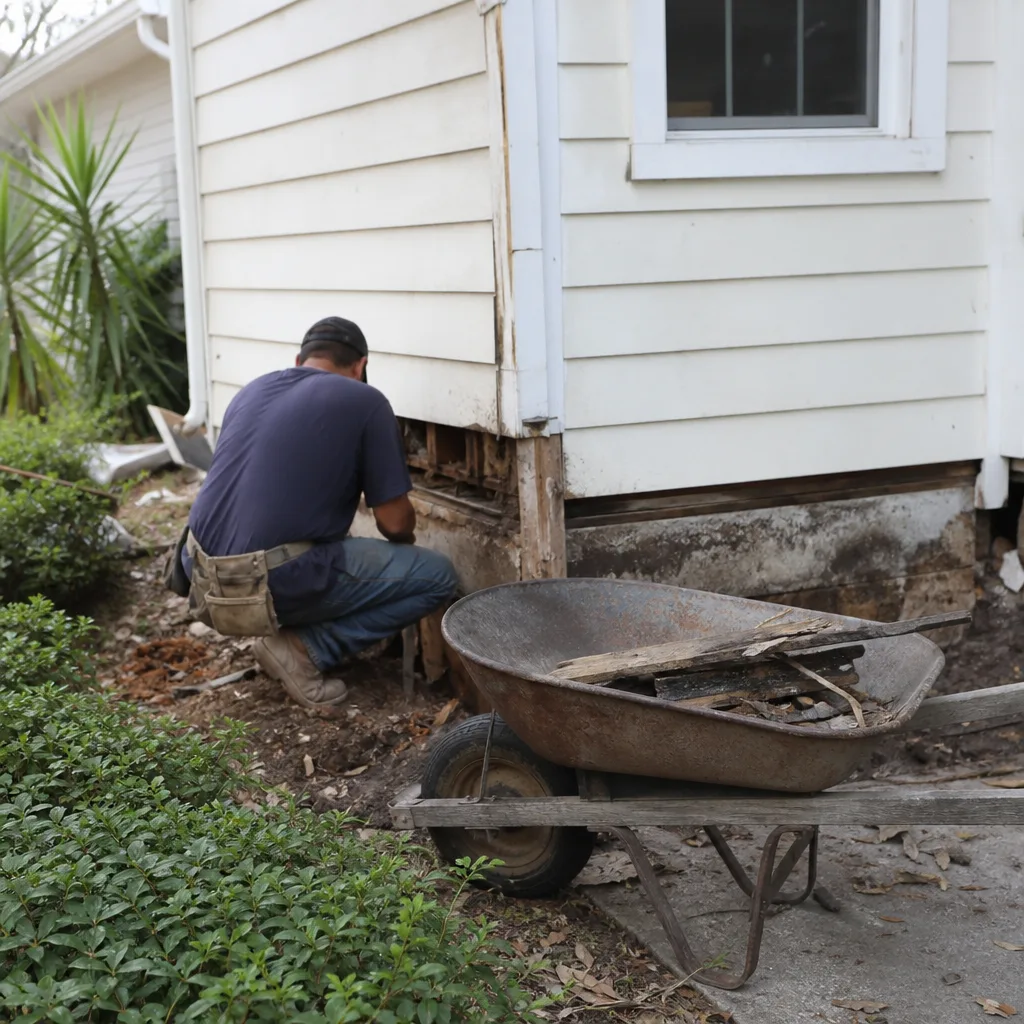 Before
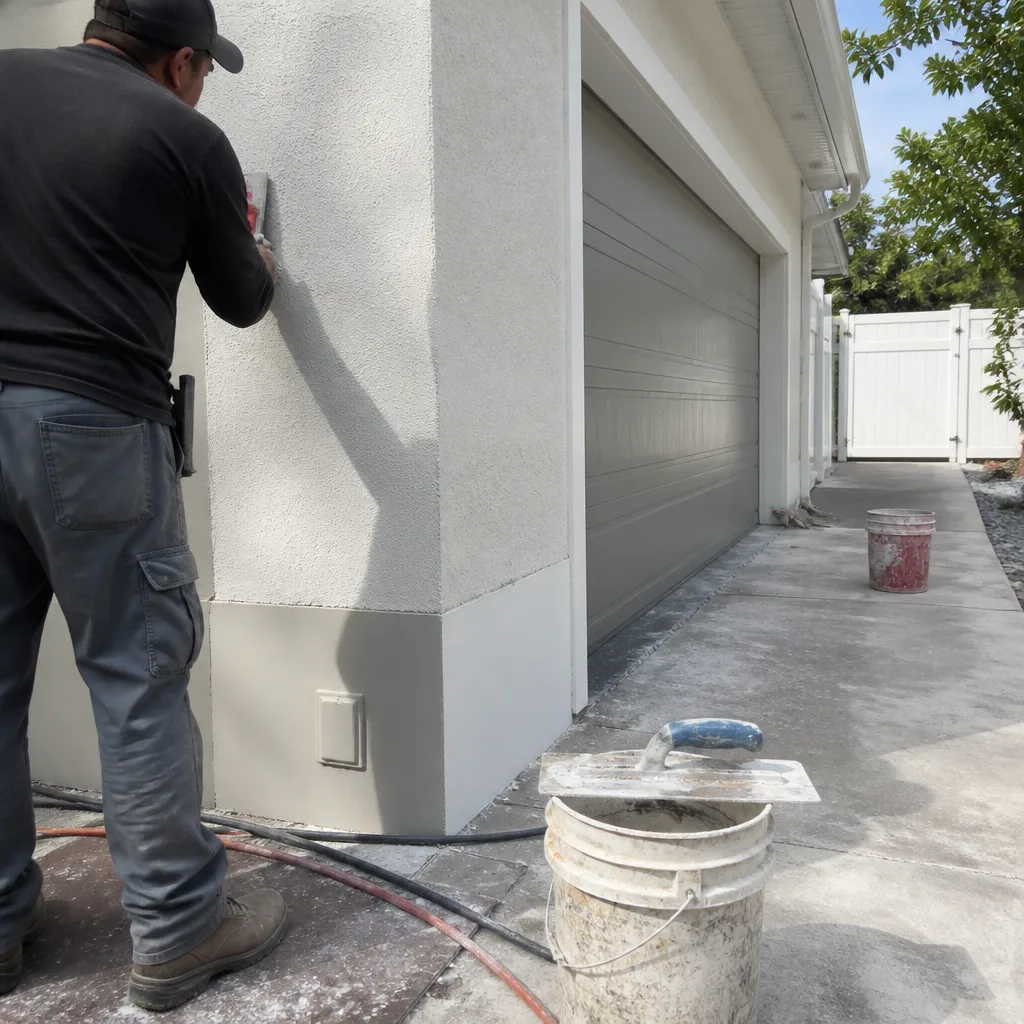 After
After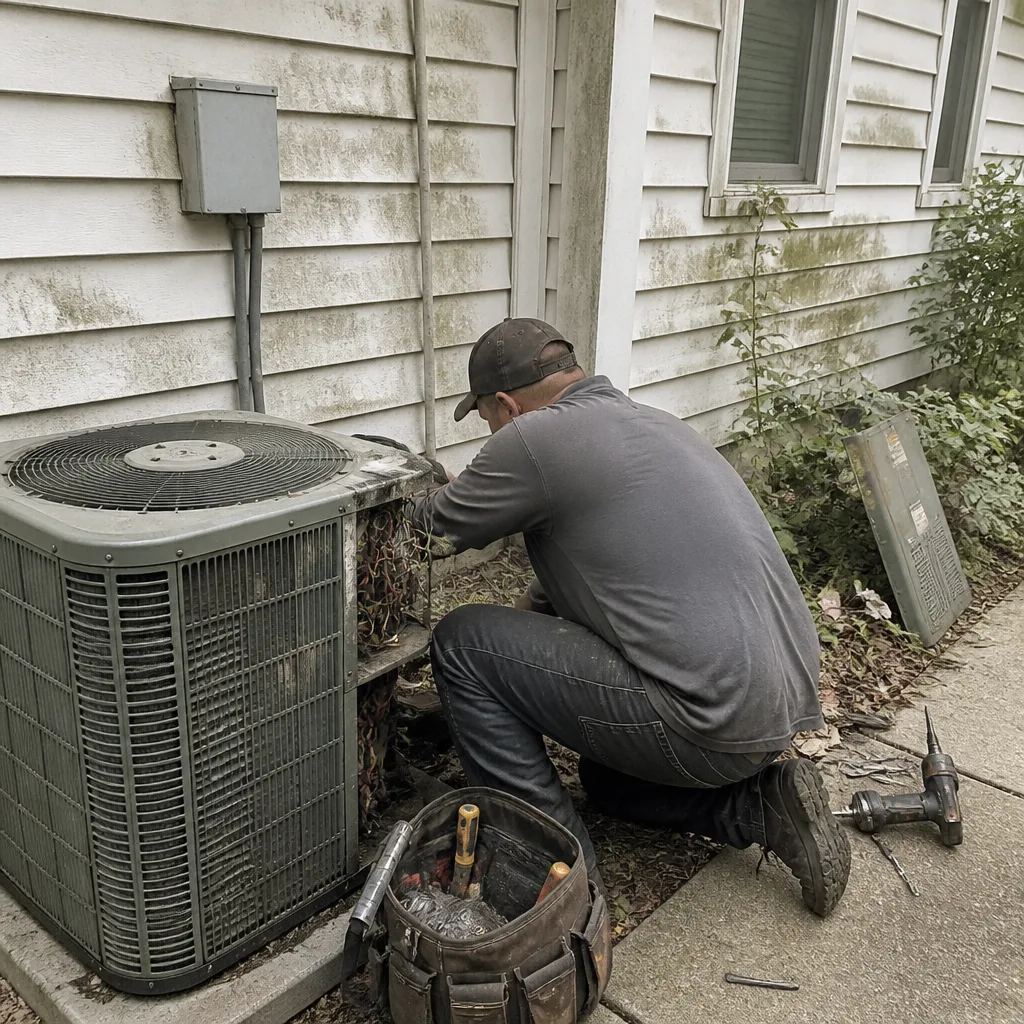 Before
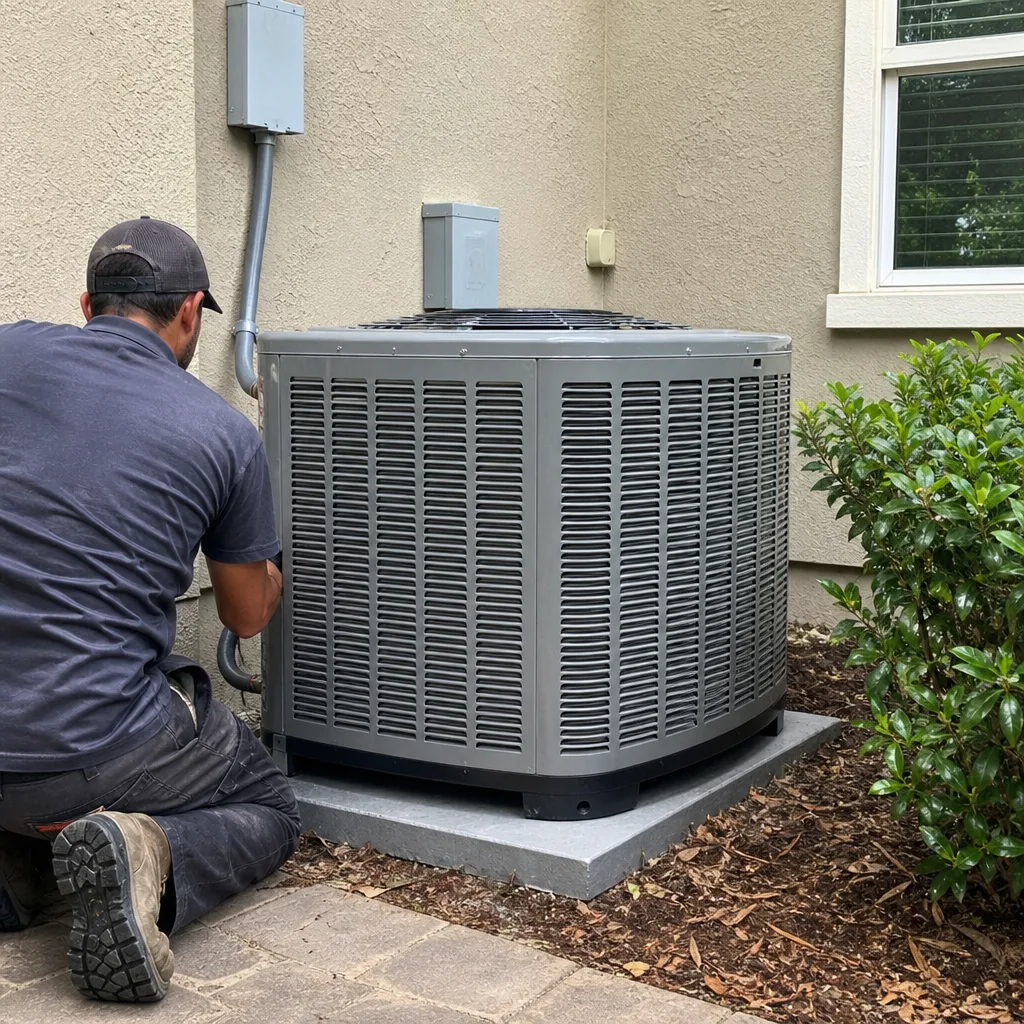 After
After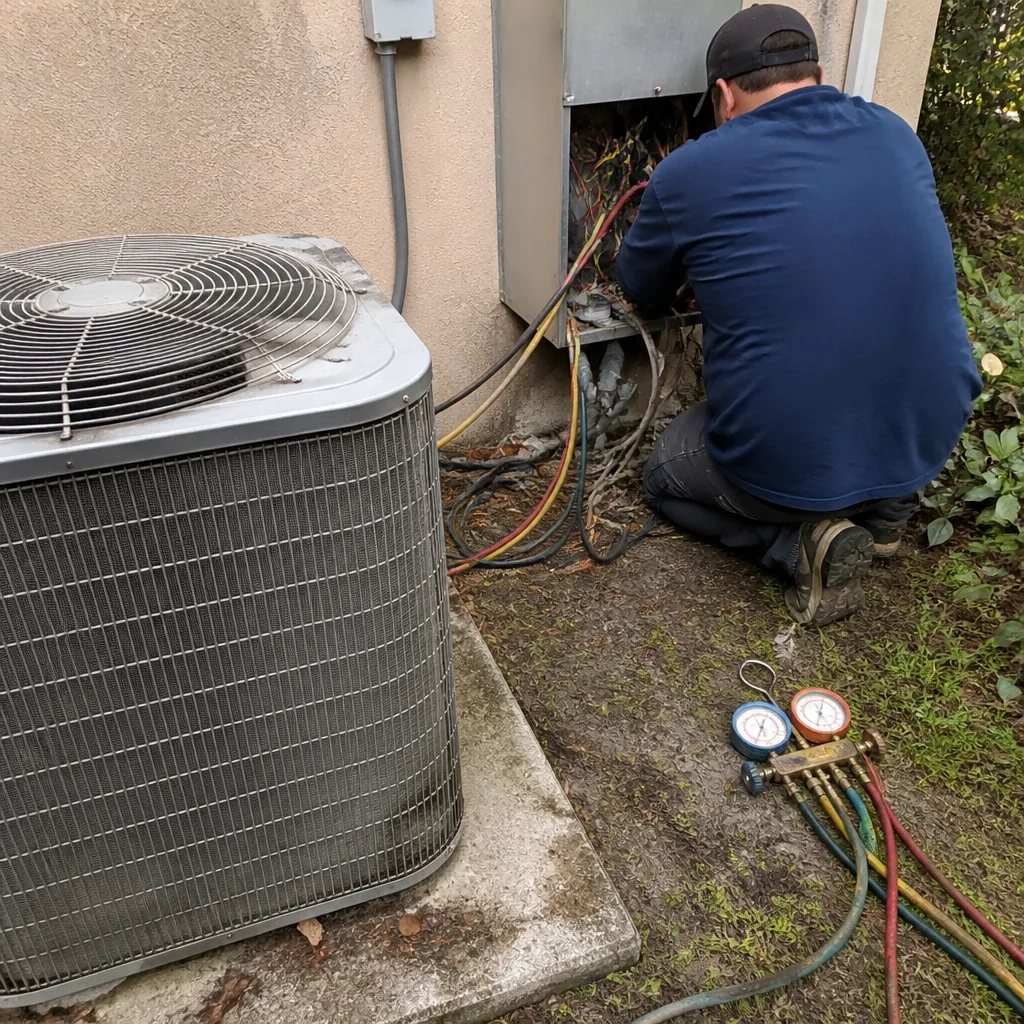 Before
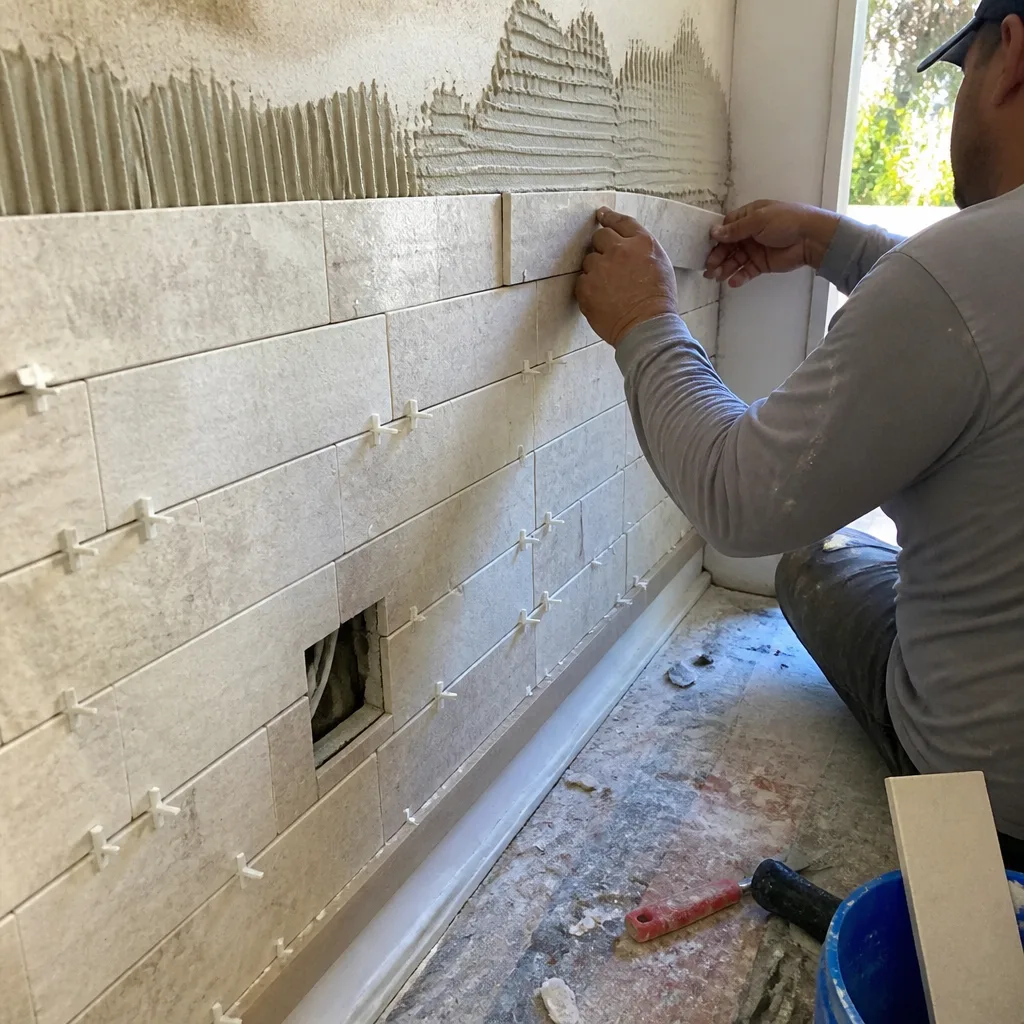 After
AfterReplacement Cost & What’s Included
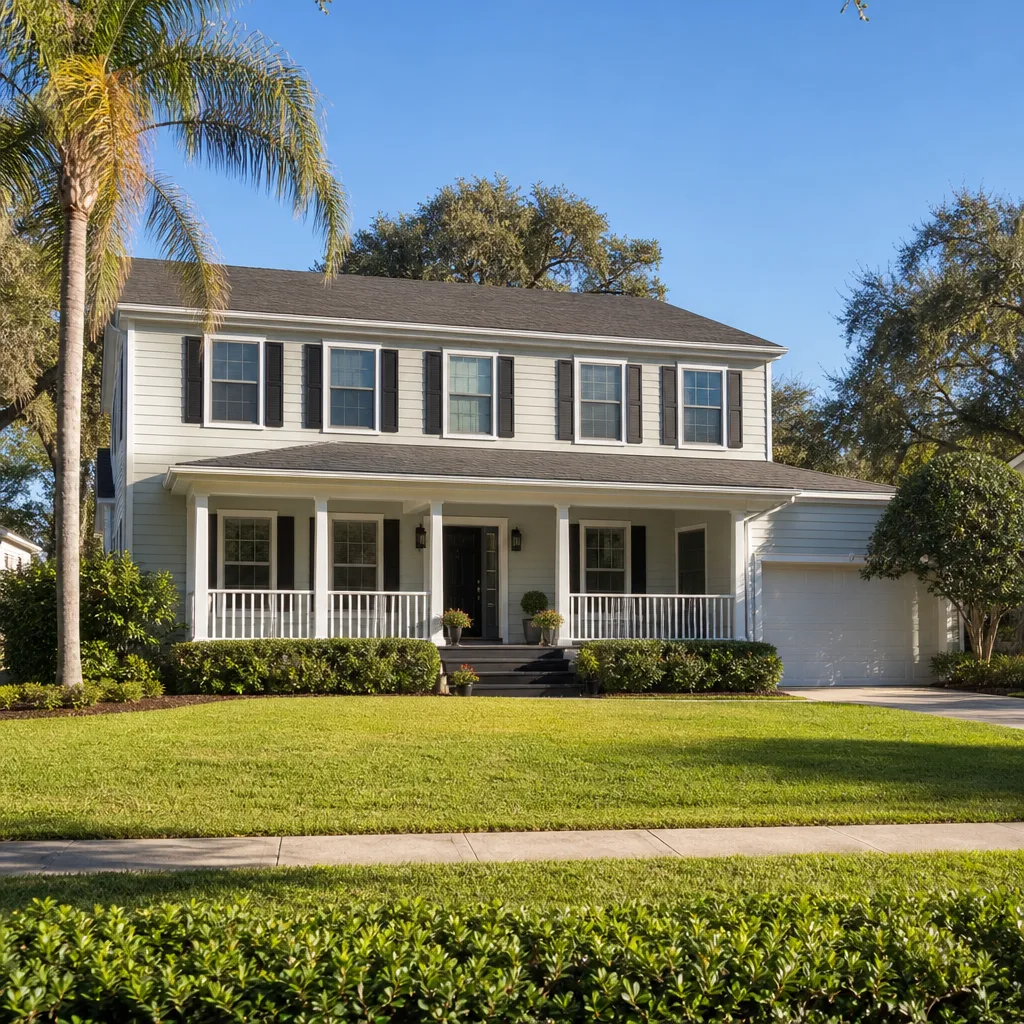
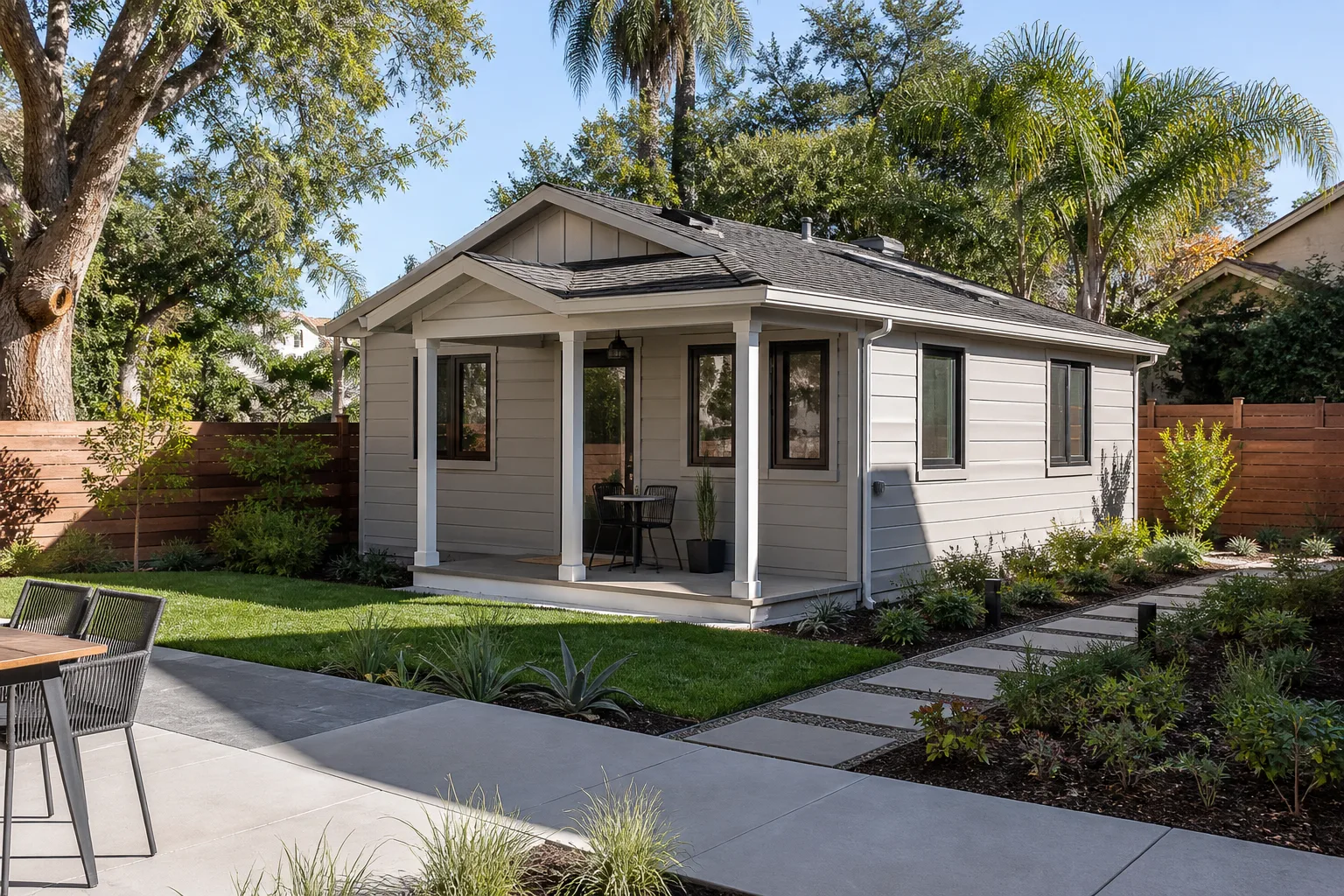
In Orlando, a full home addition using Quikrete products for the foundation and masonry work runs $45,000 to $130,000. An ADU (accessory dwelling unit) with its own kitchen and bath typically lands between $90,000 and $220,000. A garage conversion that reuses existing slab and framing is the most budget-friendly path at $30,000 to $80,000.
Here’s the line-item breakdown for a typical Orlando addition, so you can self-qualify before calling:
- Site prep, demolition, and excavation: $4,000 – $12,000
- Foundation (Quikrete slab or footers, rebar, forms, vapor barrier): $8,000 – $22,000
- Framing (walls, roof structure, sheathing): $12,000 – $35,000
- Roofing (membrane, shingles, flashing): $5,000 – $15,000
- Mechanicals (electrical, plumbing rough-in, HVAC if needed): $10,000 – $28,000
- Interior finishes (drywall, flooring, trim, paint, fixtures): $8,000 – $25,000
Every Mason Remodeling Co Orlando project gets a written price before any work starts. That price includes all material, labor, and permit fees. If something isn’t right within 365 days of completion, we make it right at no cost under our Done Right Promise. No surprise invoices, no verbal estimates that grow on the final bill.
DIY or Call Us?
Some pieces of an addition or ADU are safe to handle yourself if you have experience. Mixing Quikrete for a small non-structural pad, resetting pavers, or patching a hairline crack with the appropriate Quikrete repair product is reasonable DIY. We’re not going to tell you to call a contractor for every bag of mix.
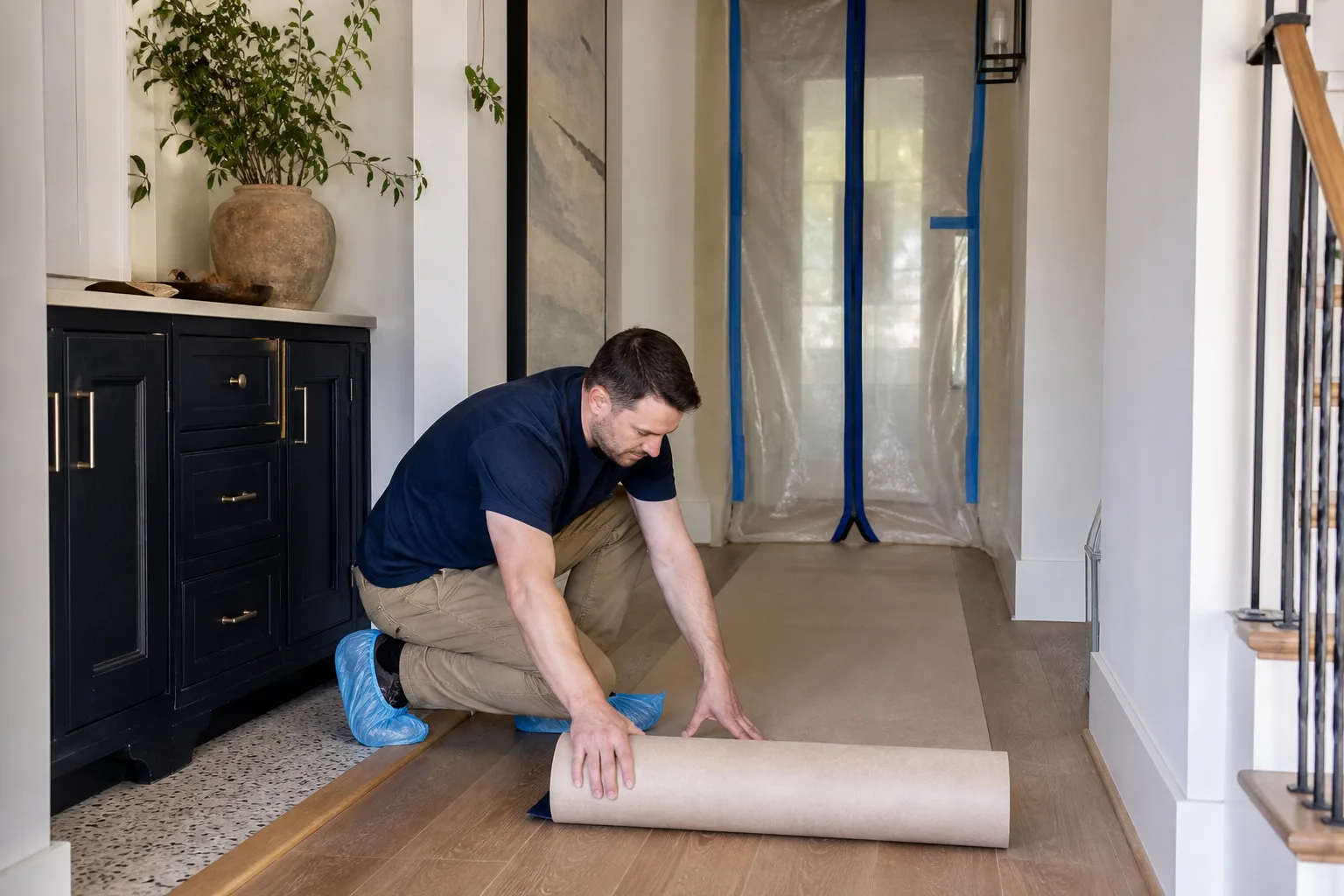
But structural work is different. Footing depth in Orlando has to account for soil bearing capacity, and the city’s building department wants stamped drawings before you pour anything that holds a roof. If you’ve already got a slab with active cracking, or you’re planning an ADU that needs its own electrical panel and water service, this is not a weekend project. Our crews include identity-verified technicians who arrive in marked uniforms with photo ID badges, and you’ll know their names and faces before they show up. Call (850) 920-7745 and we’ll walk the site with you, tell you what’s actually needed, and put the price in writing.
FAQs
A properly poured and cured Quikrete slab in Orlando should last 30 to 50 years before showing significant wear, though surface spalling from Florida’s humidity-and-rain cycles can appear sooner if the mix was over-watered at placement. The foundation is the one part of your addition you should never have to replace, which is why we control the water ratio and cure time on every pour.
Yes, in most structural cases, epoxy injection or slab jacking can stabilize a cracked slab without full replacement, and for non-structural surface cracks a Quikrete repair mortar does the job. Replacement is only necessary when the cracking is widespread, the slab has heaved, or the rebar has corroded through.
Most Orlando additions run 8 to 16 weeks, with about 3 to 4 of those weeks spent on permitting, inspections, and the Quikrete foundation pour. Weather can stretch concrete work in the summer when afternoon storms hit every day at 3 p.m. like clockwork, but our schedule accounts for that.
We keep Quikrete Concrete Mix, Fast-Setting Mix, and Crack-Resistant Mix on our trucks for footings, pads, and repair work, and we pull larger volumes from Orlando suppliers by the pallet for full slab pours. That means smaller jobs don’t wait on a supplier run, and bigger pours get fresh-dated product hauled straight to the site. Call (850) 920-7745 for an exact quote on your addition or ADU, estimates are free.
Written by Isaac Pruett, Owner, Mason Remodeling Co Orlando at Mason Remodeling Co Orlando, serving Orlando and nearby areas.