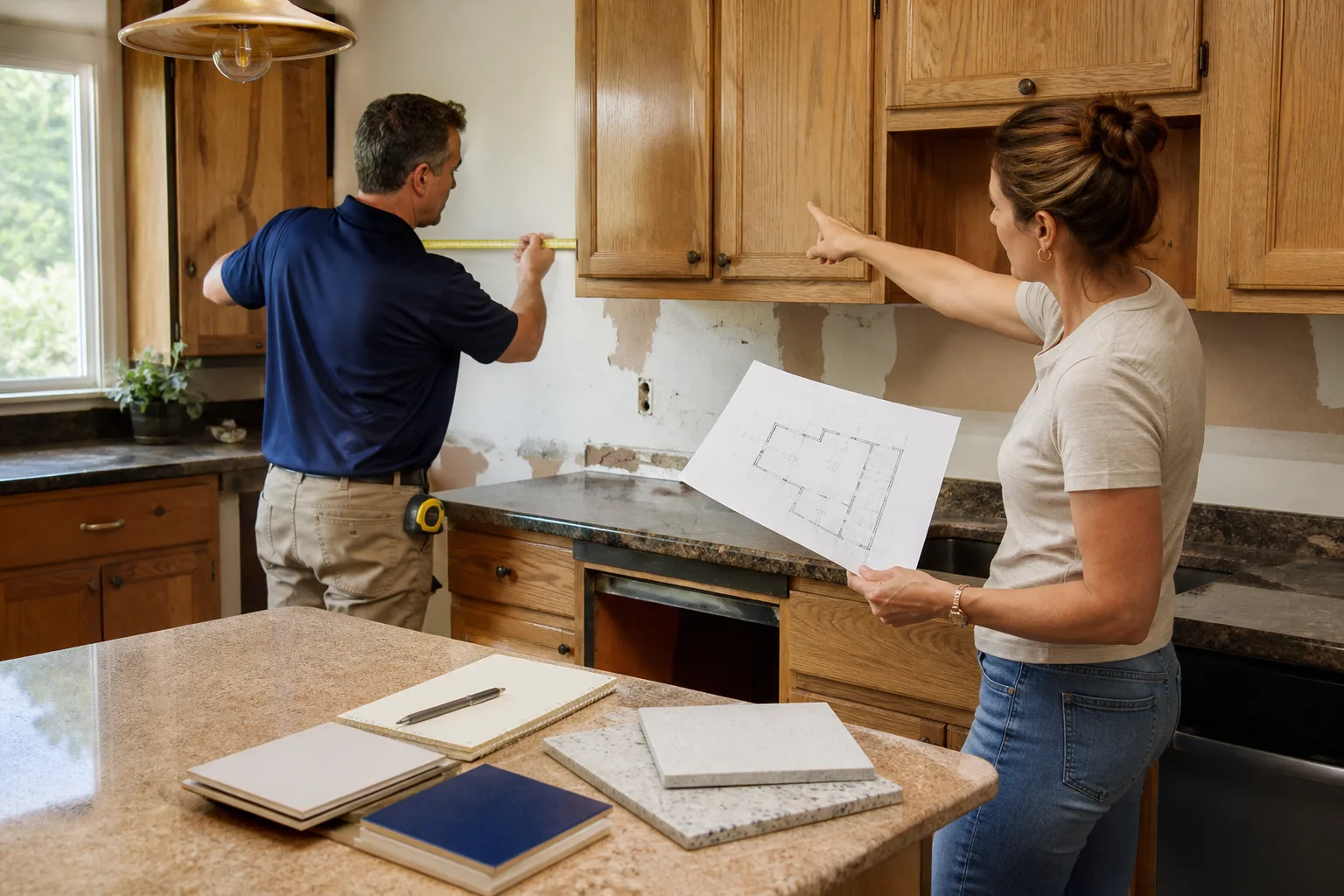
Free written scope consultation - allowances, timeline, and change-order rules on paper before a single trade is scheduled
Cover Home Additions & ADU: The Orlando Owner’s Guide
A home addition or ADU built with Cover products is a significant investment in your Orlando property, and when a component fails, you need answers fast. At Mason Remodeling Co Orlando, we stock and install Cover-compatible materials and parts for additions and accessory dwelling units, and the installed price range we typically see in the Orlando market runs from $45,000 to $130,000 depending on the scope of the component, the size of the structural element, and how much of the existing work needs to be assessed. Most owners discover a problem the way you probably did: a door that no longer closes square, a window that leaks during one of our afternoon downpours, or trim that has started pulling away from the wall. We’ll walk you through exactly what you’re looking at, what it costs, and who will be at your door to fix it.
Key Takeaways:
- Cover home addition components typically cost $45,000 – $130,000 installed in Orlando, depending on the part and scope.
- We stock Cover-compatible materials on our trucks for common failure points like flashing, sealants, and structural connectors.
- Every job gets a written price before work starts, and every cure is backed for 365 days under the Done Right Promise.
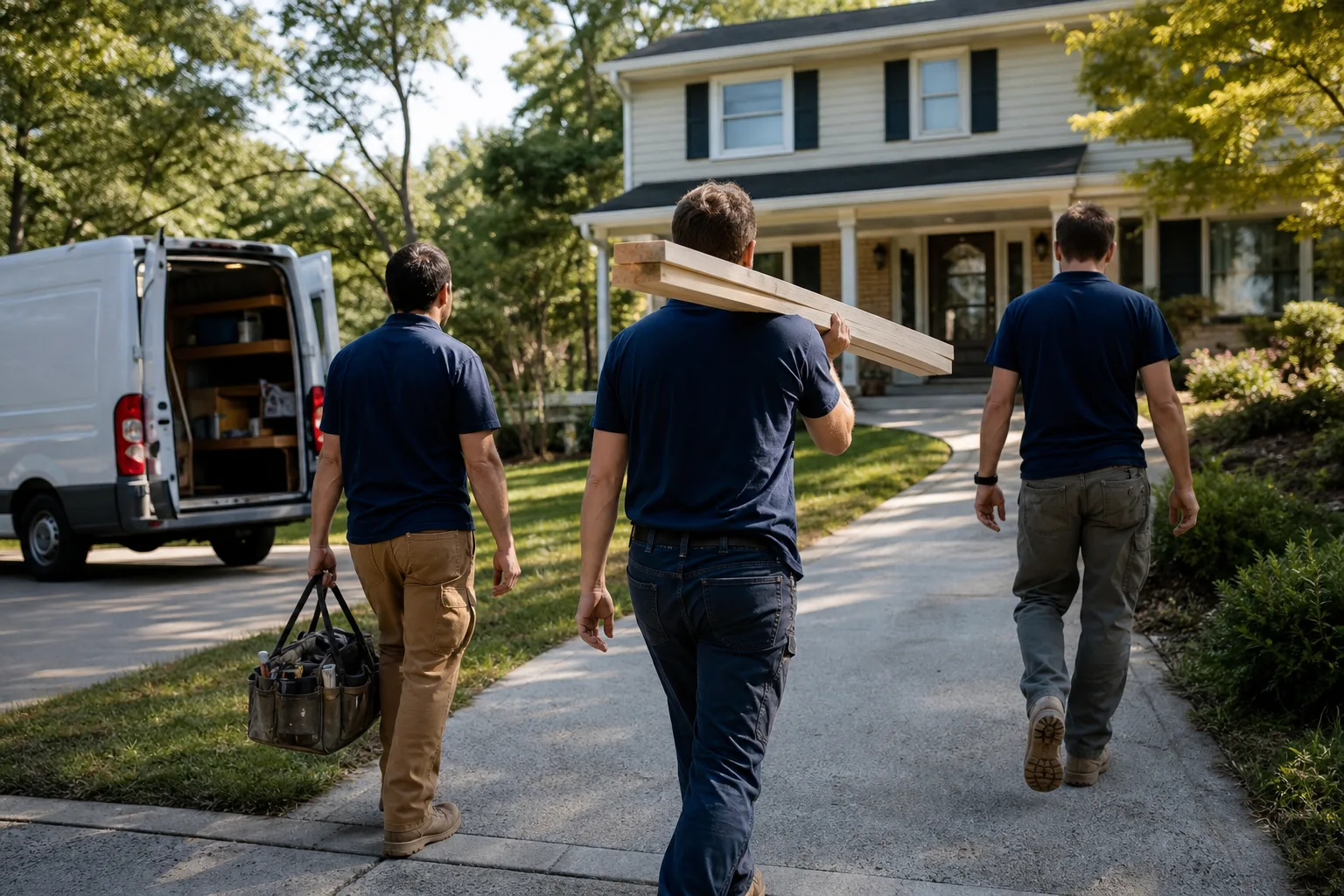
- You’ll know exactly who is coming: name, photo, uniform, and badge, before they ever ring the bell.
Which Cover Models This Applies To
Cover is known for its prefabricated wall panels and ADU kits, and the components that fail are usually the ones that tie those panels together. We work with Cover’s standard panel systems, including the wall-to-roof transition hardware, window and door flashing kits, and the sill plate anchors that hold everything to the slab. If your addition was built with Cover panels, you will usually find a small metal tag or printed label on the interior face of the corner panel near the floor line. That label carries the panel series number, and it is the single most useful piece of information you can have ready when you call.
When it comes to OEM parts versus aftermarket equivalents, the honest answer for Cover systems is this: the sealing and flashing components are best sourced as OEM because the panel grooves are sized to accept them. The structural connectors, however, are standard Simpson Strong-Tie or equivalent parts, and those are genuinely interchangeable. Orlando’s humidity is the real enemy here, not the brand name. A proper silicone-based sealant rated for Florida’s UV exposure will outlast an off-the-shelf caulk by years, and we stock the right material on the truck.
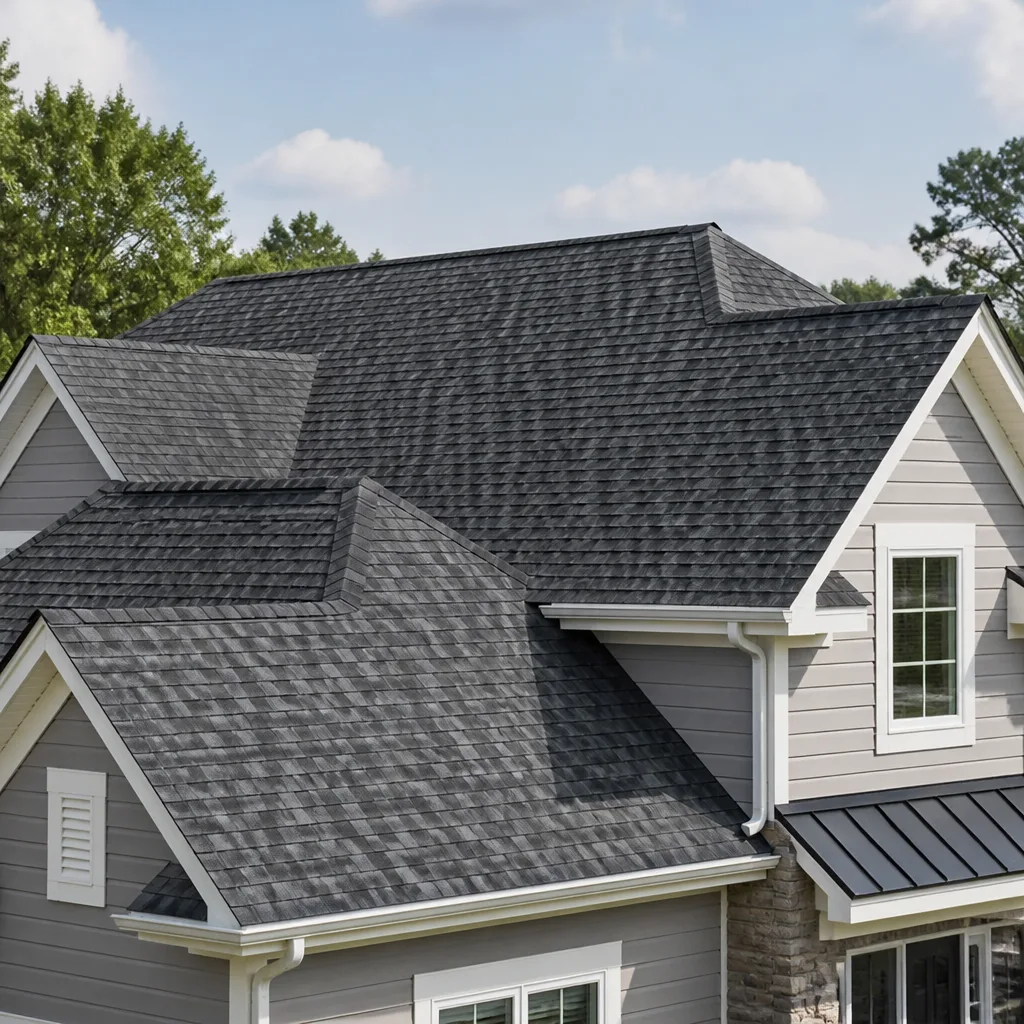
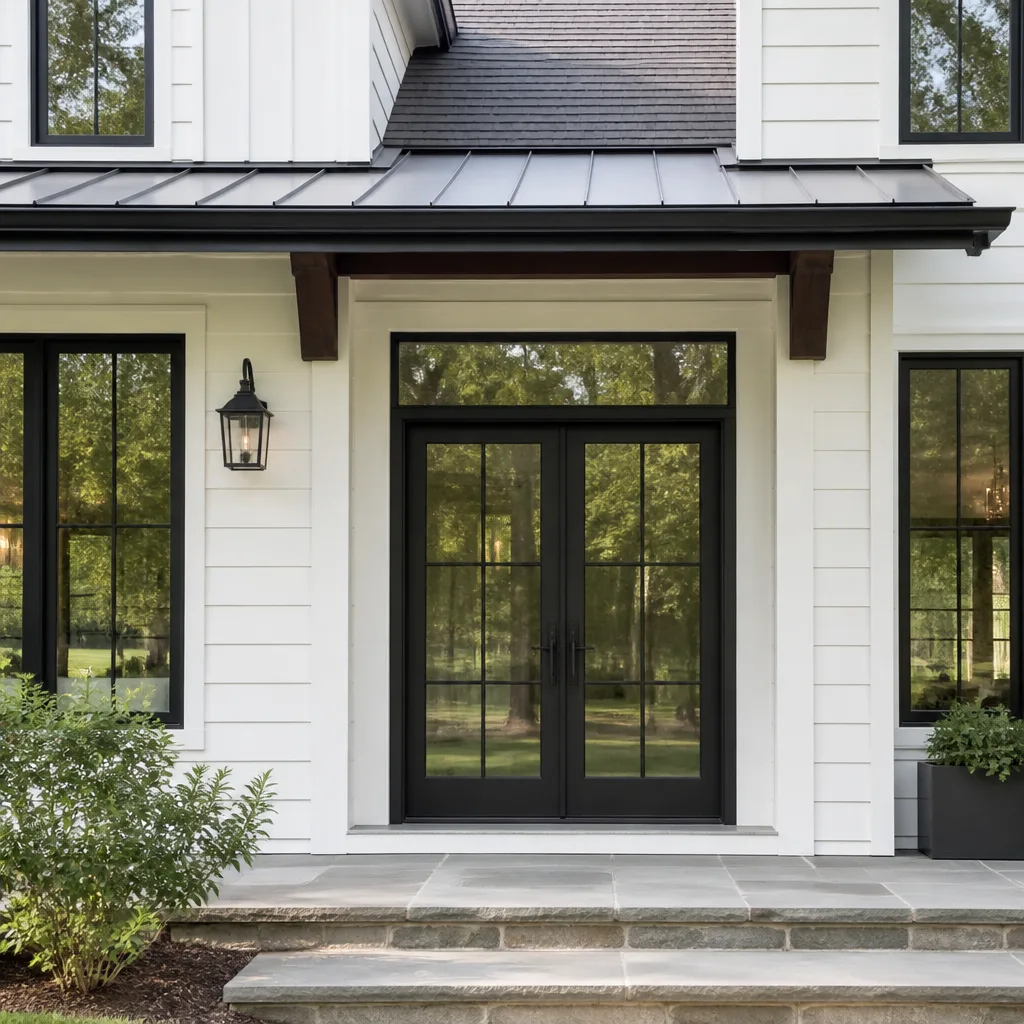
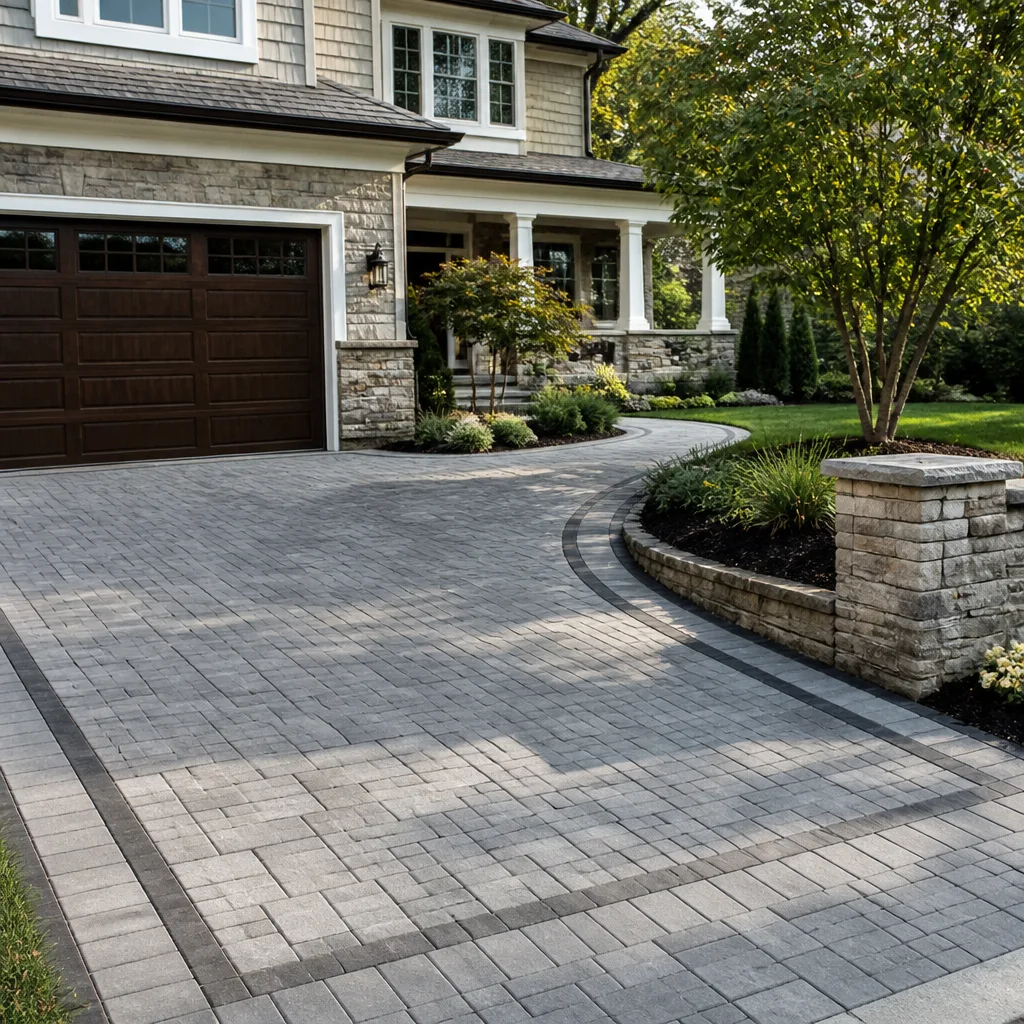
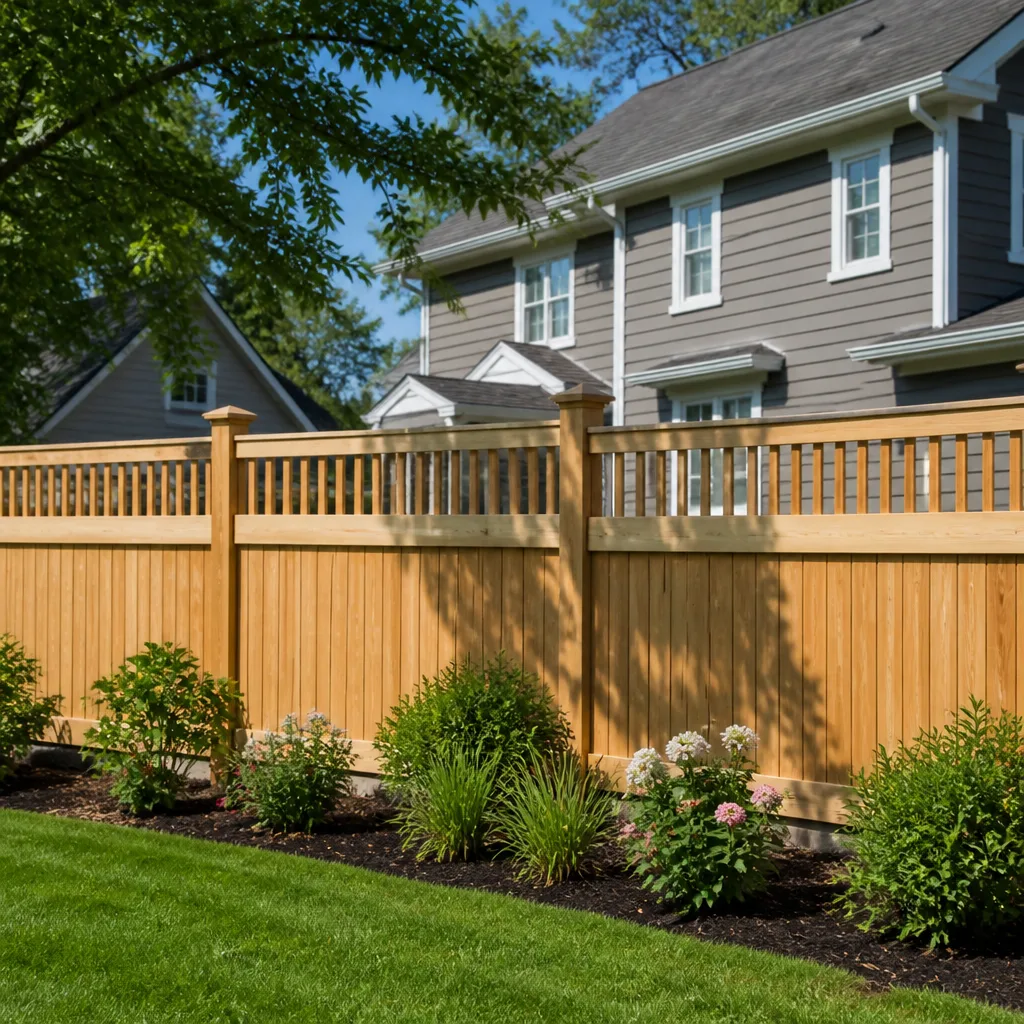
Styles & brands we work with
Signs Your Cover Home Addition & ADU Is Failing
- Separating corner trim or wall panels: This is the most common failure we see in Orlando, and it is almost always caused by expansion and contraction from our humidity swing between wet season and dry season. The connection hardware is working, but the sealant has lost its bond and the panels are moving independently.
- Water staining on the ceiling near the wall-to-roof line: This usually means the roof flashing detail on the Cover panel has failed, often after a summer of strong thunderstorms. The panel itself is usually fine; the transition tape and flashing need replacement.
- Doors or windows in the addition that no longer operate smoothly: Florida’s clay-heavy soil shifts, and a slab that moves even an eighth of an inch will transfer that movement straight into the door and window openings cut into Cover panels.
- Musty smell or visible mold on the lower interior wall: This points to a failed sill plate seal at the base of the panels. Water wicks up from the slab or in from the exterior and gets trapped behind the wall covering.
- Gaps appearing between the addition and the original house structure: This is the one to take seriously. The connection point between your original home and a Cover addition is the area most likely to develop a differential movement problem, and it requires a proper structural assessment.
See the difference
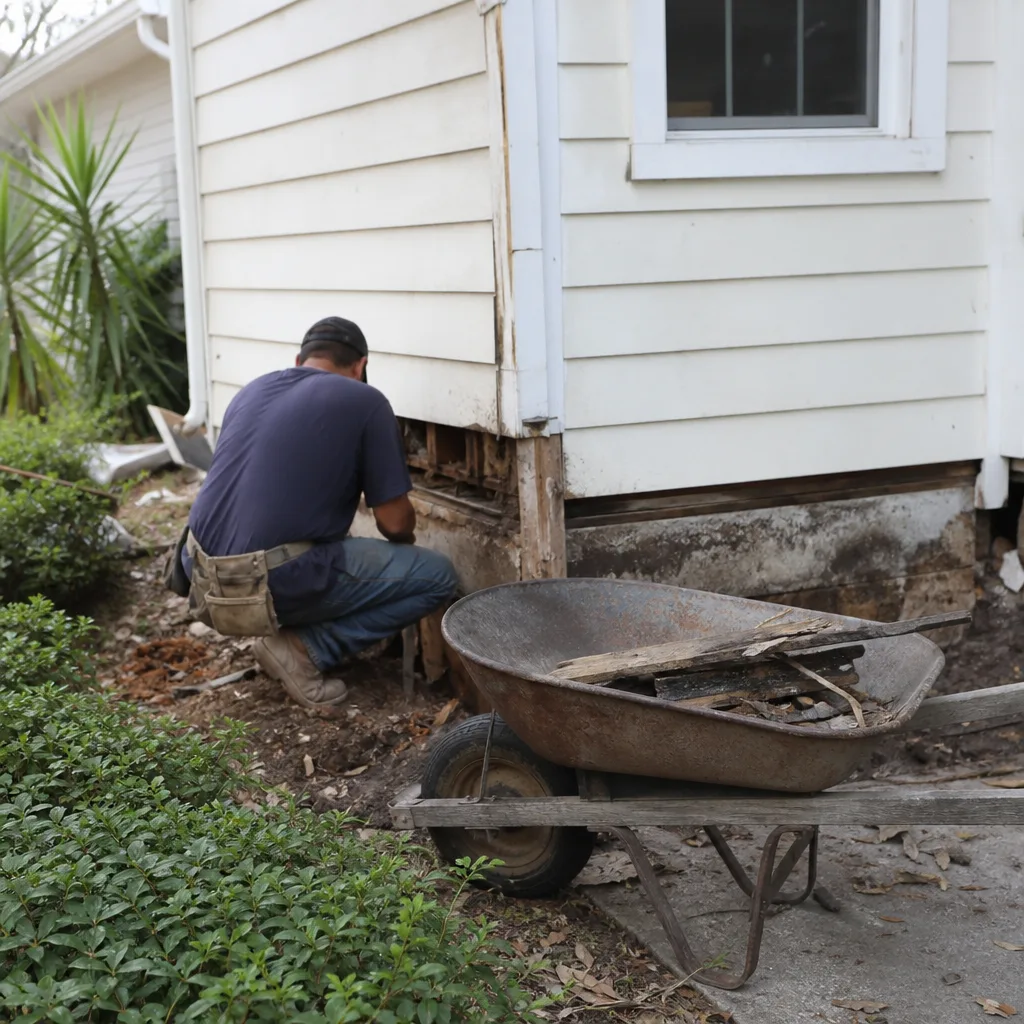 Before
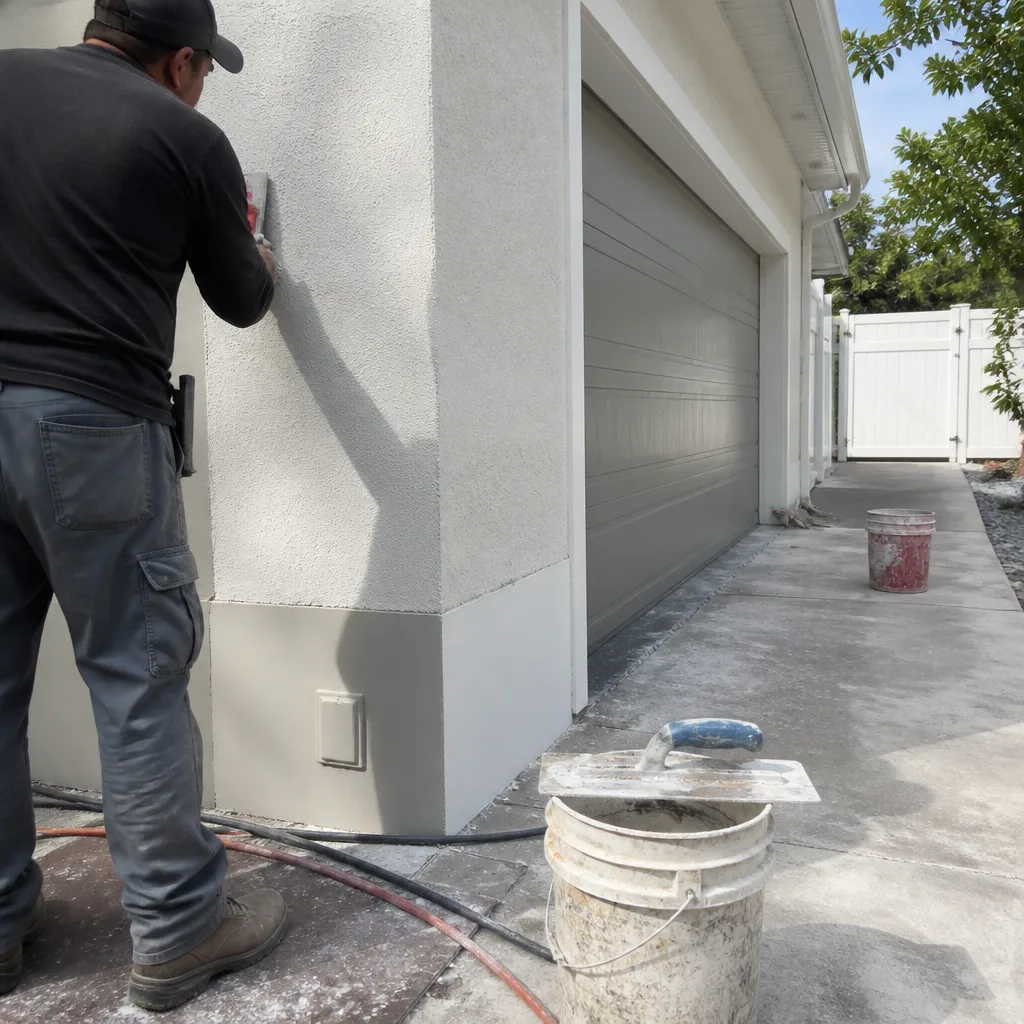 After
After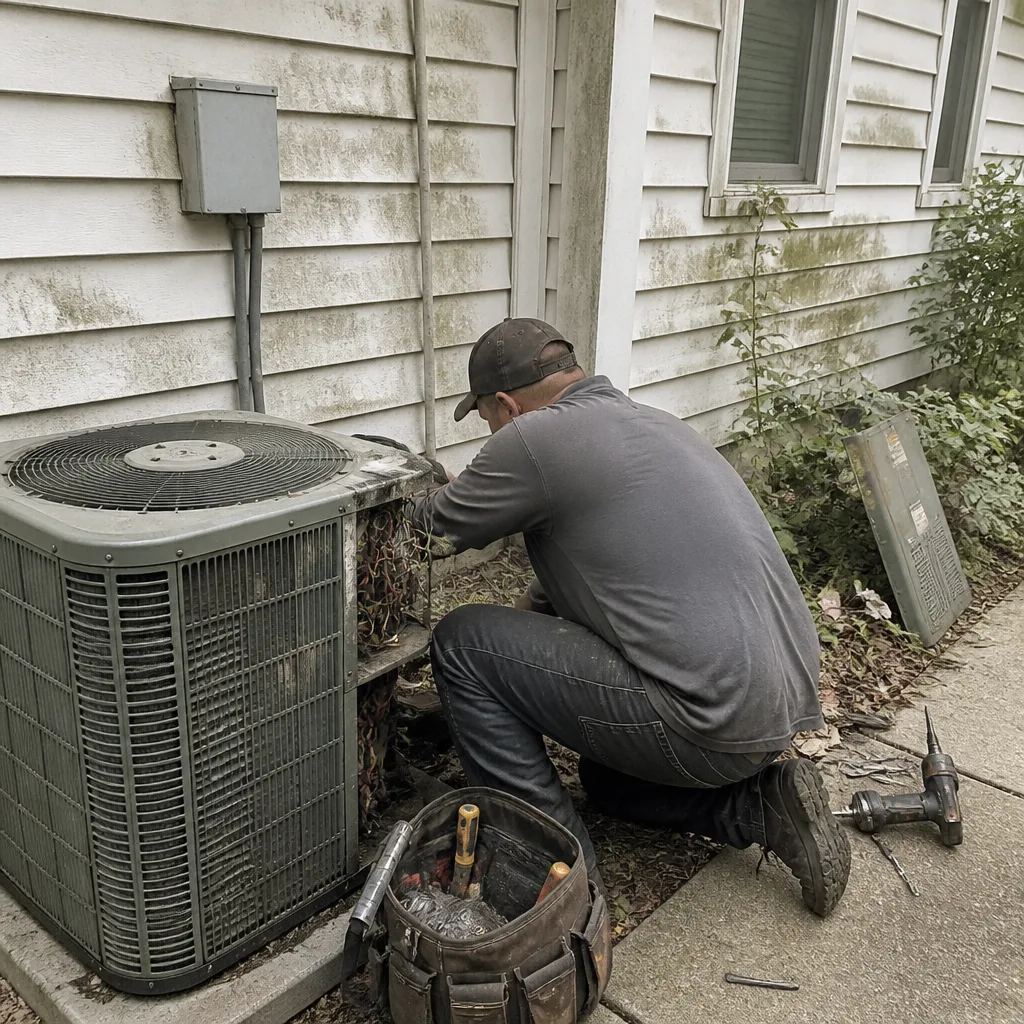 Before
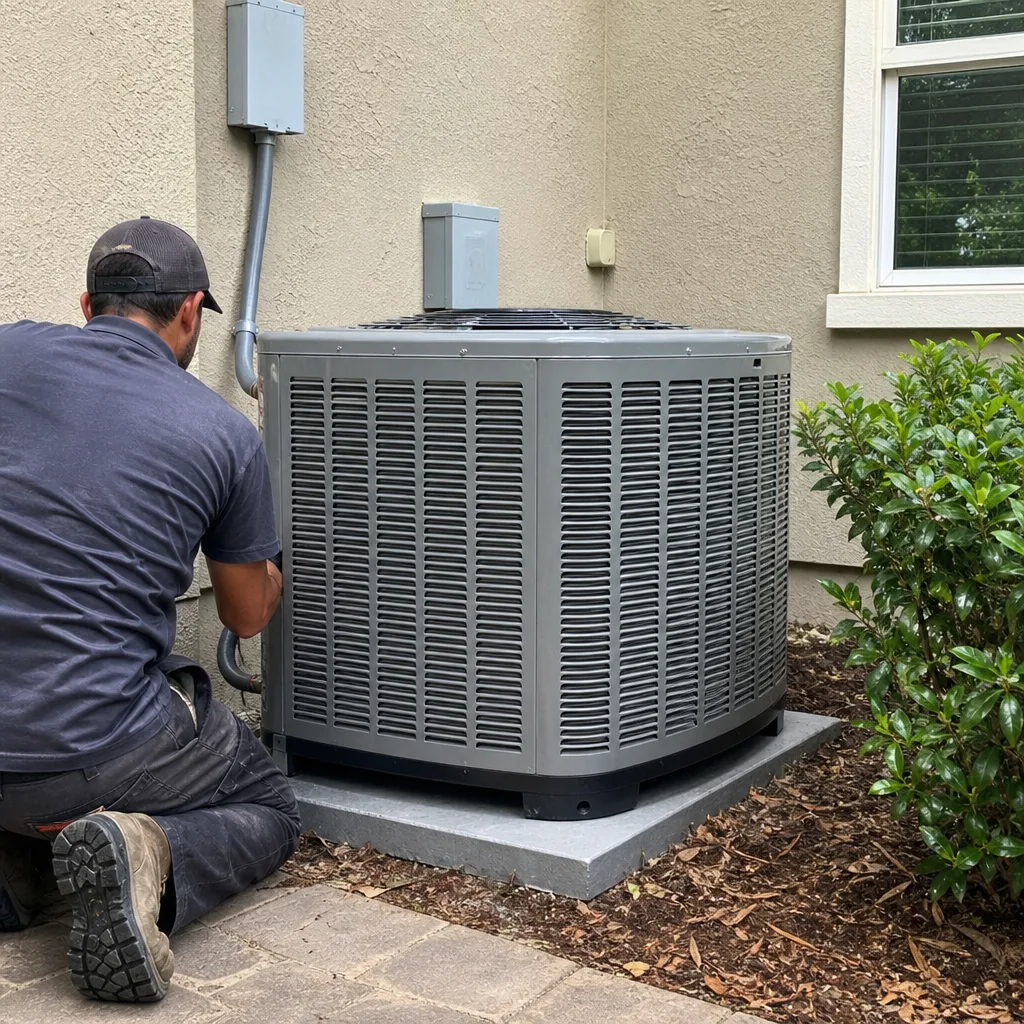 After
After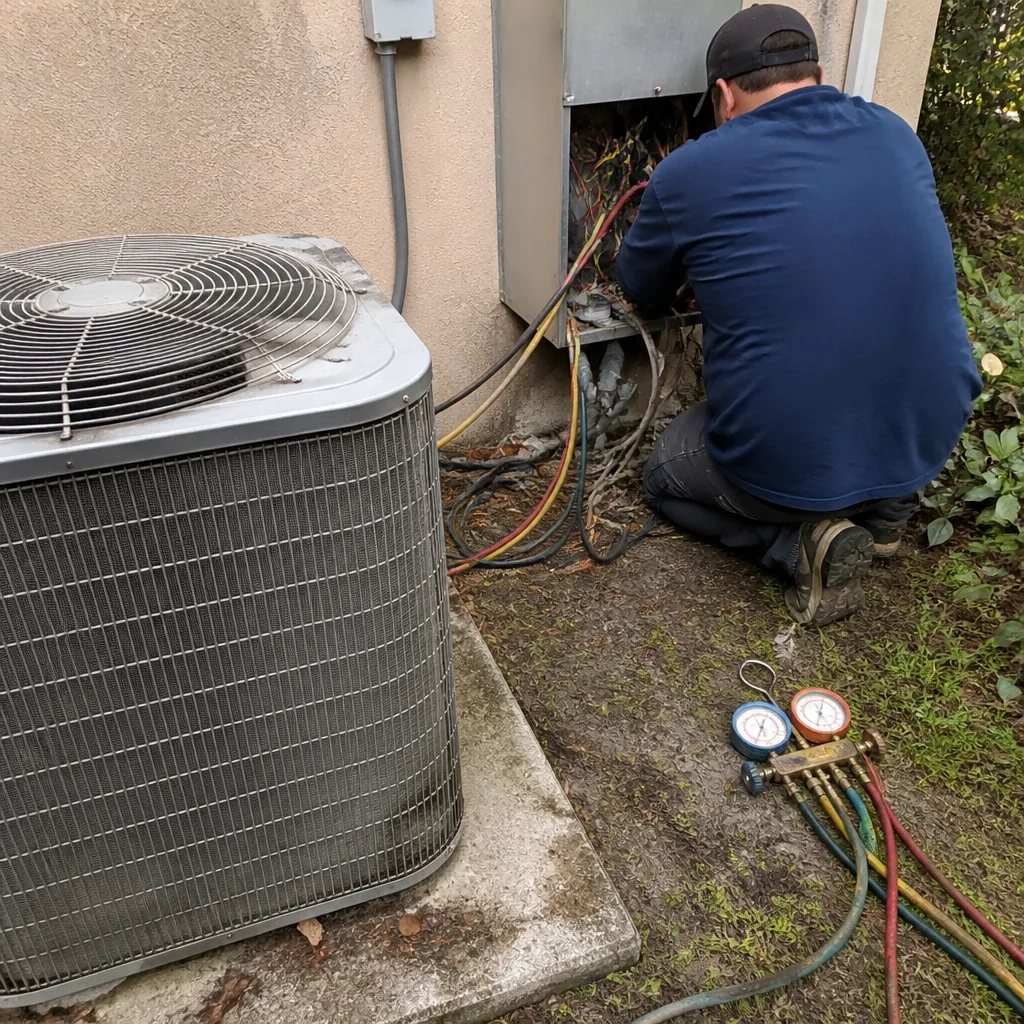 Before
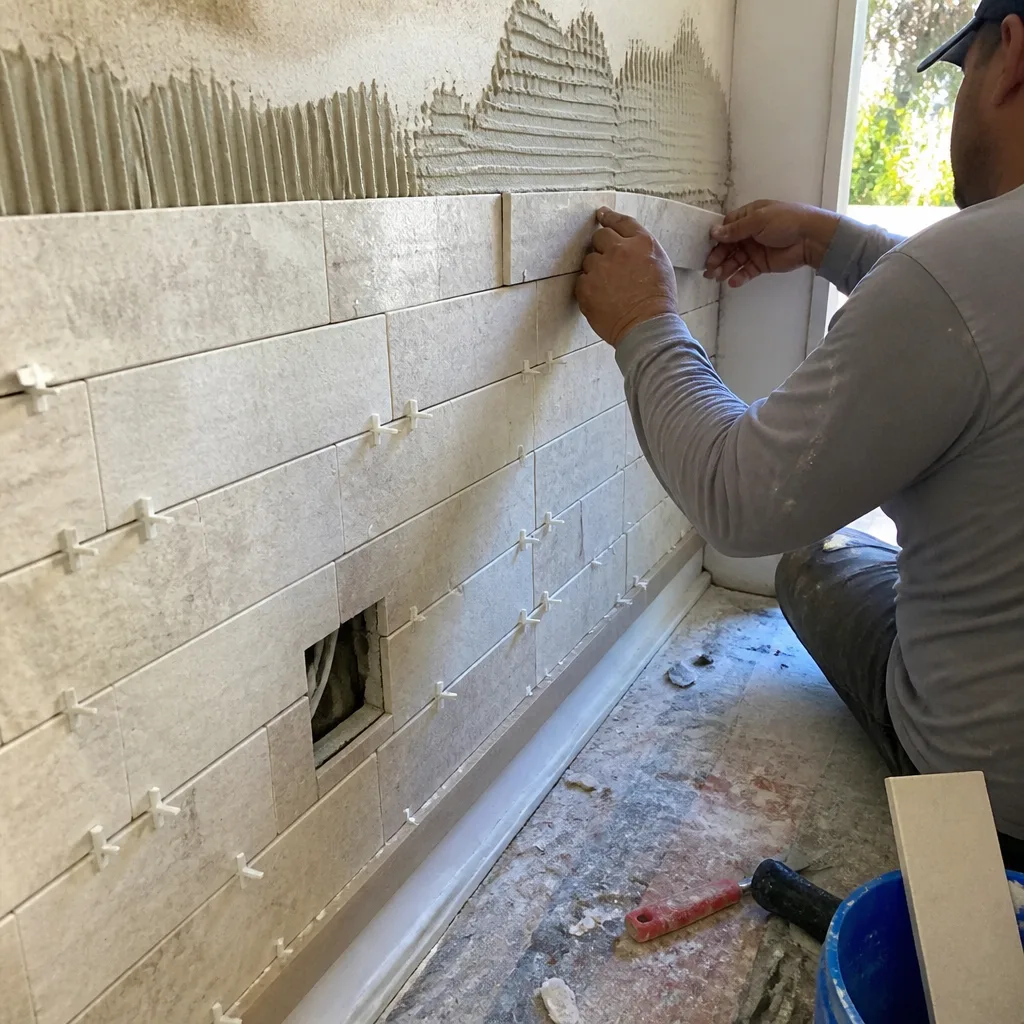 After
AfterReplacement Cost & What’s Included
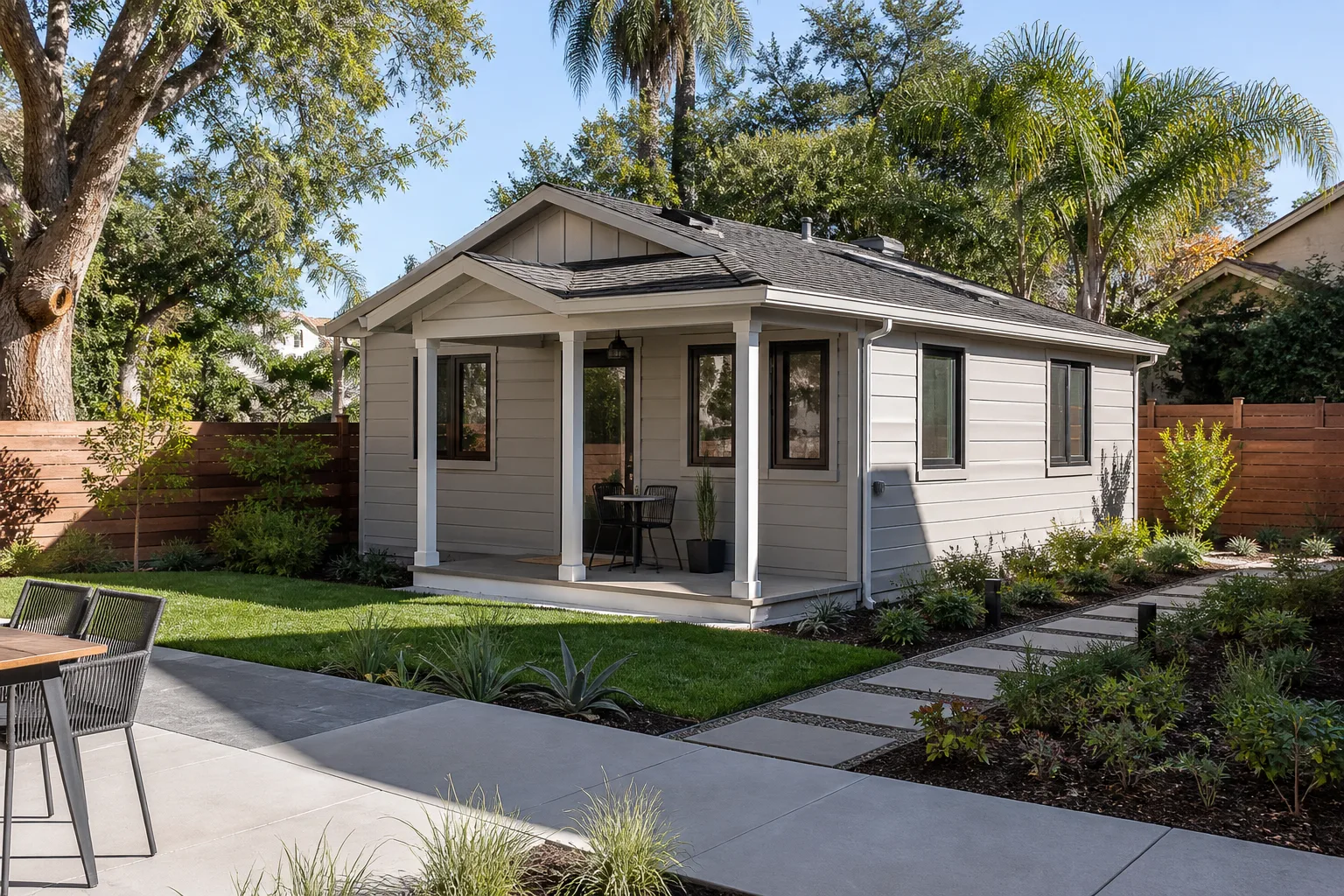
Here are the installed price ranges we quote in Orlando, including all parts, labor, and the cleanup afterward. Every number on this page is a written quote before work begins, not a verbal estimate.
| Cover Component Service | Typical Orlando Installed Price |
|---|---|
| Full home addition with Cover systems | $45,000 – $130,000 |
| ADU construction with Cover panels | $90,000 – $220,000 |
| Garage conversion using Cover components | $30,000 – $80,000 |
| Flashing and sealant replacement (per wall line) | $800 – $2,500 |
| Structural connector repair and re-anchoring | $1,500 – $4,500 |
| Sill plate seal replacement | $600 – $2,800 |
What drives the range is access. A failure on a ground-level corner panel is a straightforward fix. A roof-line flashing issue on a two-story addition requires scaffolding or a lift and takes twice the labor. All of our Cover-compatible repair work includes the removal of the failed material, proper surface preparation, installation of the new component, and a walk-through with you before we leave. The labor is warrantied for 365 days from the completion date under the Done Right Promise. If something is not right within that year, we return and fix it at no charge.
DIY or Call Us?
You can safely do two things before you ever call us. First, find the panel label or series tag and write down the number. Second, take photos of the failure from a few angles with your phone, including one wide shot that shows where it sits in relation to the rest of the addition. That saves a trip and helps us stock the right parts on the truck.
What you should not do is climb onto a roof or pull panels off a wall. Roof-line flashing failures require working at height, and panel separations under load can shift unexpectedly. The force stored in a bowed wall panel is not something to experiment with. That is when a trained professional earns their keep. If you have already opened the wall yourself and found something you do not like, stop there and call us at (850) 920-7745. We will come out, look it over, and give you a written price before any tool leaves the truck.
FAQs
Most Cover structural components will last 25 to 40 years, but the sealants and flashing that protect them typically need replacement every 7 to 10 years in Orlando because our humidity and UV exposure break down even high-quality sealant faster than in drier climates. Call (850) 920-7745 and we will tell you honestly whether yours is at the end of its useful life or still has years left.
Yes, in most cases the panel itself is structurally sound and only the connection hardware, flashing, or sealant has failed, which makes this a repair rather than a full replacement. The only time we recommend full replacement is when water intrusion has compromised the panel’s structural core, and we will show you exactly what we found before recommending that step.
Most flashing and sealant repairs on a Cover addition in Orlando are completed in one day, including cleanup and the final walk-through with you. Structural repositioning and re-anchoring work typically takes two to three days depending on access and how many connection points are involved.
We stock the most common Cover-compatible components on our trucks in Orlando, including flashing, sealants rated for Florida UV exposure, structural connectors, and sill plate sealing materials. If your job requires a panel-specific OEM part, we can usually source it within three to five business days and will give you that timeline in writing before we begin.
Tell me what the problem is. We’ll figure out the rest from there. Call (850) 920-7745 for a free estimate on your Cover home addition or ADU repair, and you’ll get a written price before any work starts, from a team that shows you exactly who is coming before they arrive.
Written by Isaac Pruett, Owner, Mason Remodeling Co Orlando at Mason Remodeling Co Orlando, serving Orlando and nearby areas.