Free written scope consultation - allowances, timeline, and change-order rules on paper before a single trade is scheduled
Silestone Home Additions & ADU: The Orlando Owner's Guide
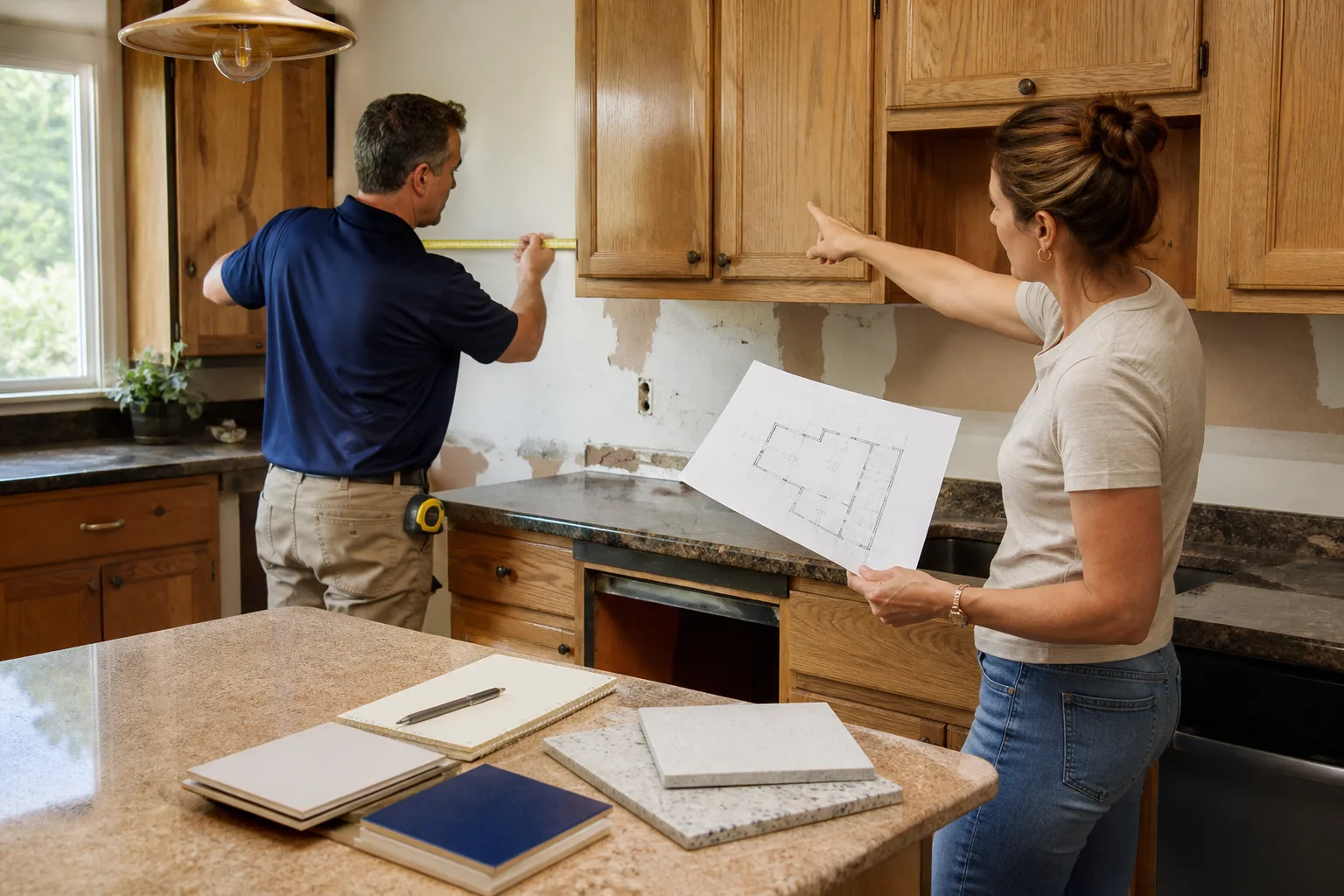
A Silestone home addition or ADU in Orlando typically runs $45,000 to $130,000 installed, with ADU construction landing between $90,000 and $220,000 depending on square footage, foundation work, and finish level. Most Orlando homeowners call us after realizing their existing surface or countertop layout won't survive an addition, or when they need Silestone matched across old and new spaces and can't find a contractor who will handle both the structural work and the surface specification correctly. The failure point is rarely the Silestone itself. It's the seam between what was and what's being added, a measurement taken wrong, or a slab ordered to the wrong template and discovered the day the cabinets are already set.
Which Silestone Models This Applies To
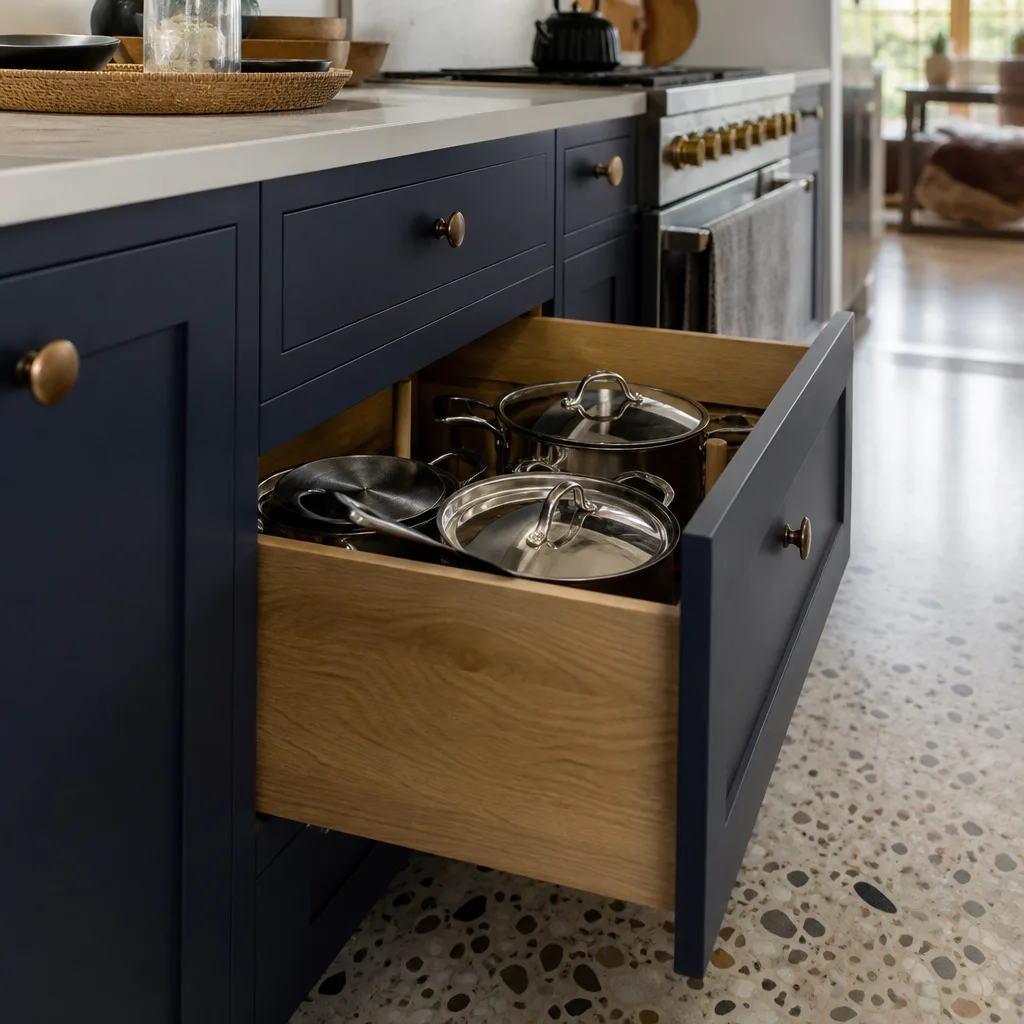
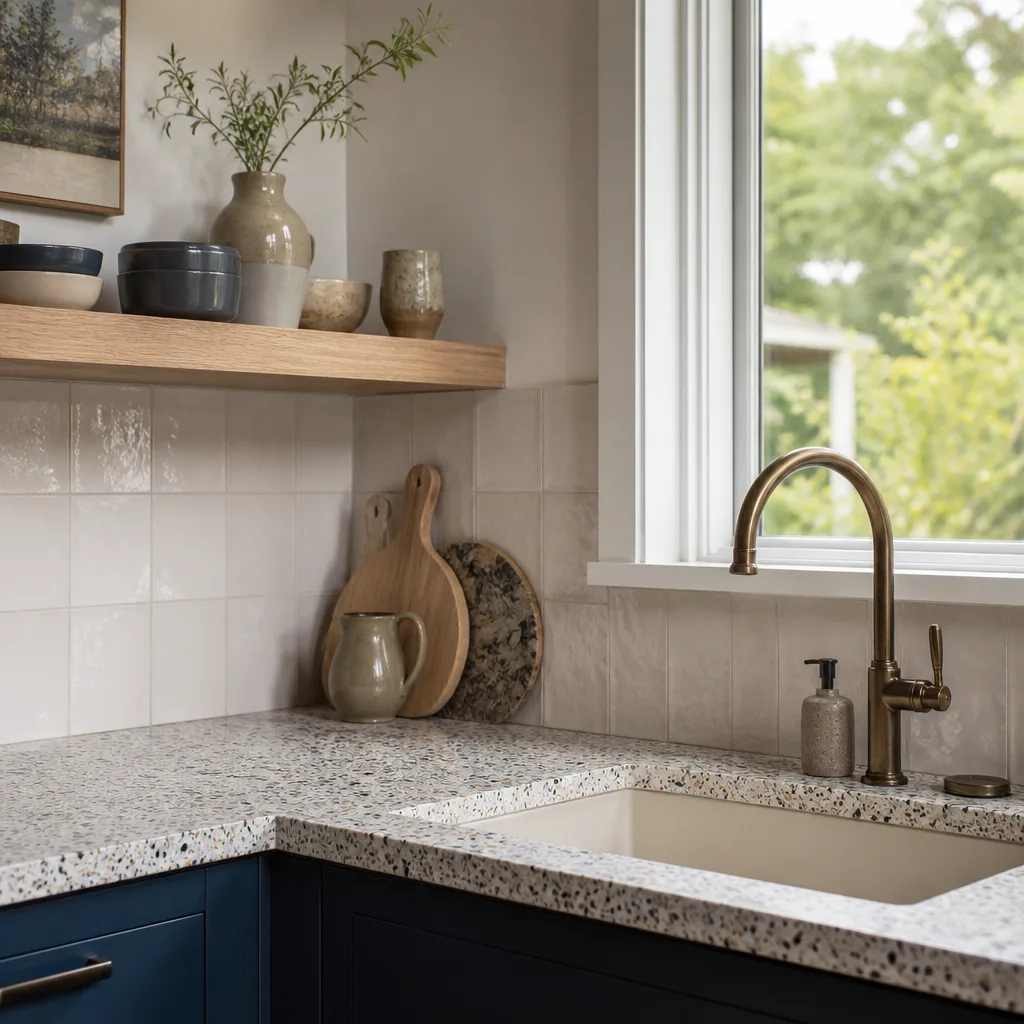
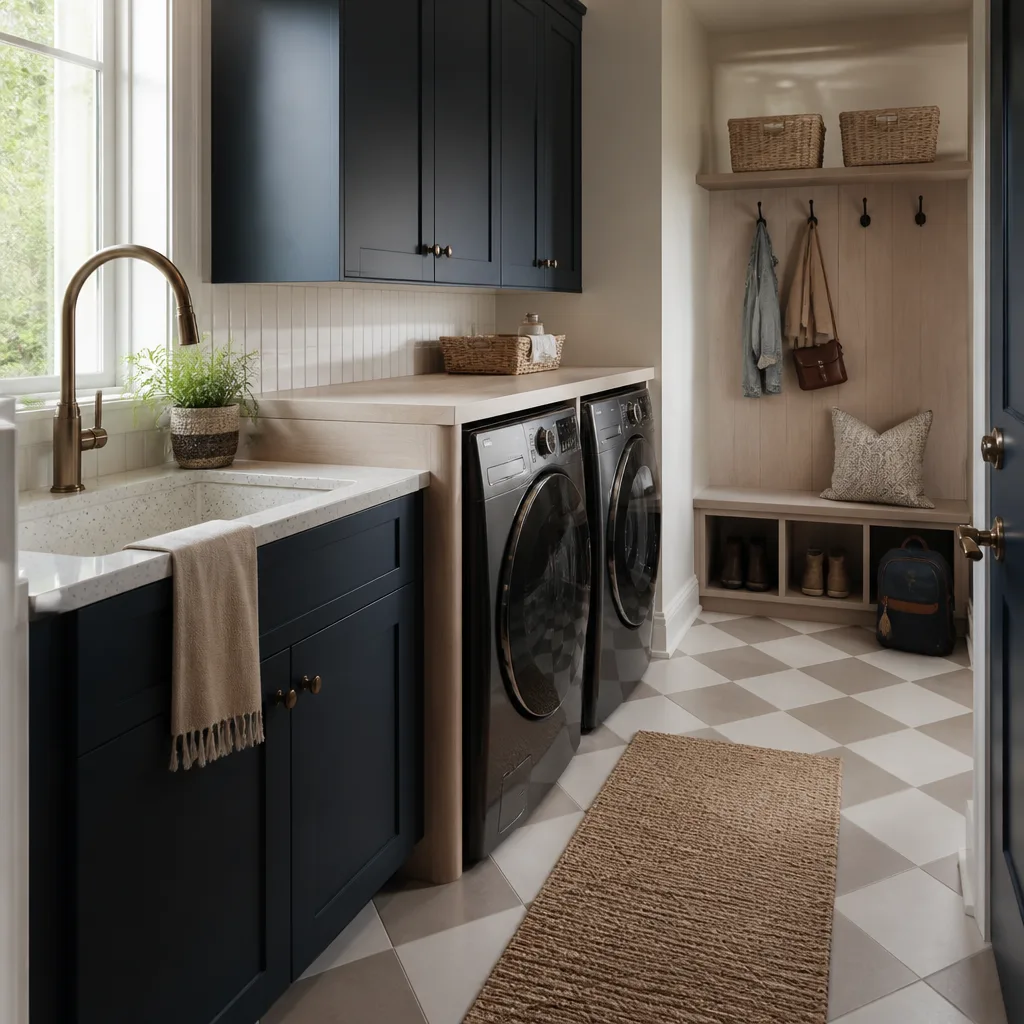
Silestone is Cosentino's quartz line, and it spans dozens of colors and three finish types: polished, sueded (matte), and the newer sunlit or textured options. For additions and ADUs, the compatibility question is never about the model name alone. It's about dye lot. Quartz is manufactured in batches, and a color called "Eternal Serena" poured in 2019 will not perfectly match a slab of Eternal Serena poured in 2024. If you're extending a kitchen island or adding a wet bar in a new ADU and matching existing Silestone, we always recommend pulling a sample from the original install and ordering new material against it. Mason Remodeling Co Orlando is an independent contractor, not affiliated with Silestone or Cosentino, but we work with their local Orlando distributors directly, and we keep spec sheets on current and discontinued colors so we can tell you honestly whether a match is possible before you spend money on templating.
The other compatibility layer is thickness. Silestone comes in 1.2cm, 2cm, and 3cm. Older Orlando homes often have 3cm installed over 3/4" plywood. Some newer builds use 2cm with a laminated edge. When we tie new Silestone into existing runs, the thickness difference changes how we build the substrate underneath. It's the kind of detail that gets missed in a generic quote and shows up as a visible height change at the seam six months later.
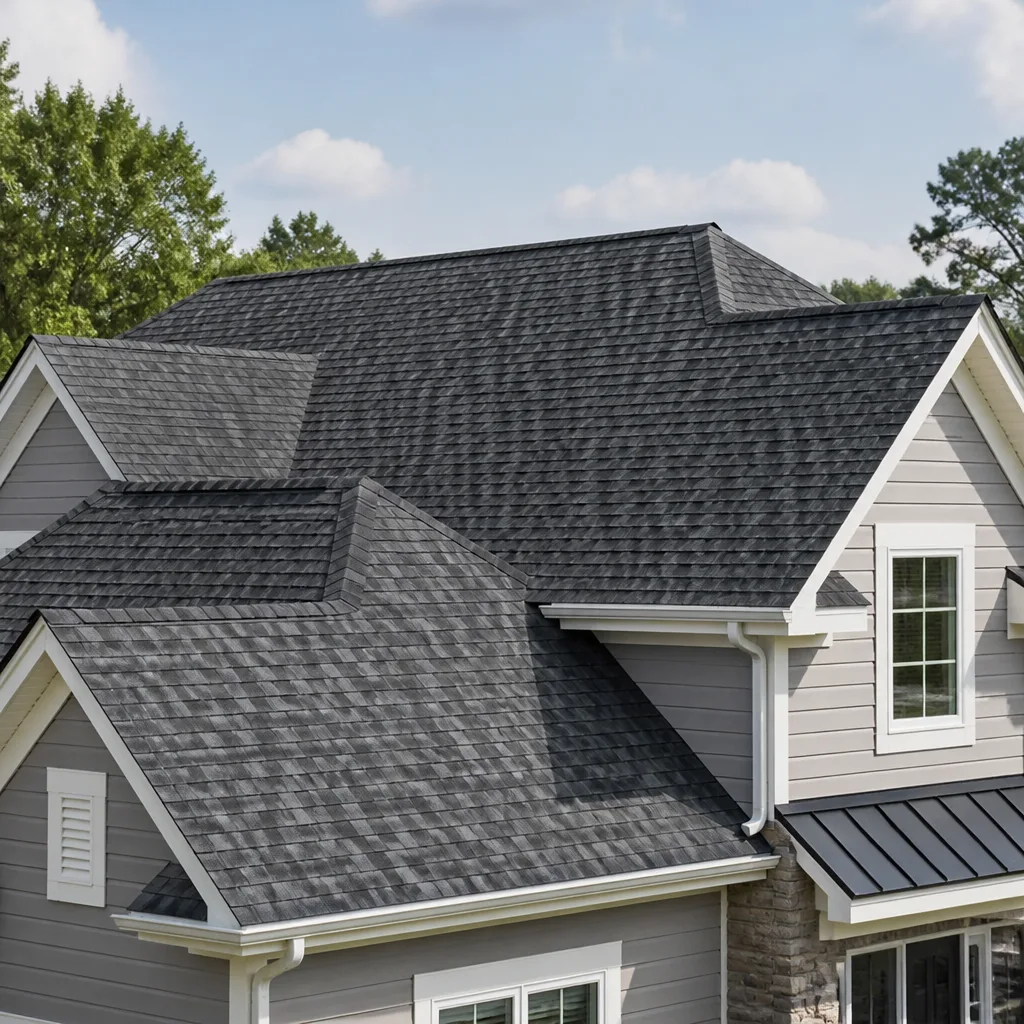
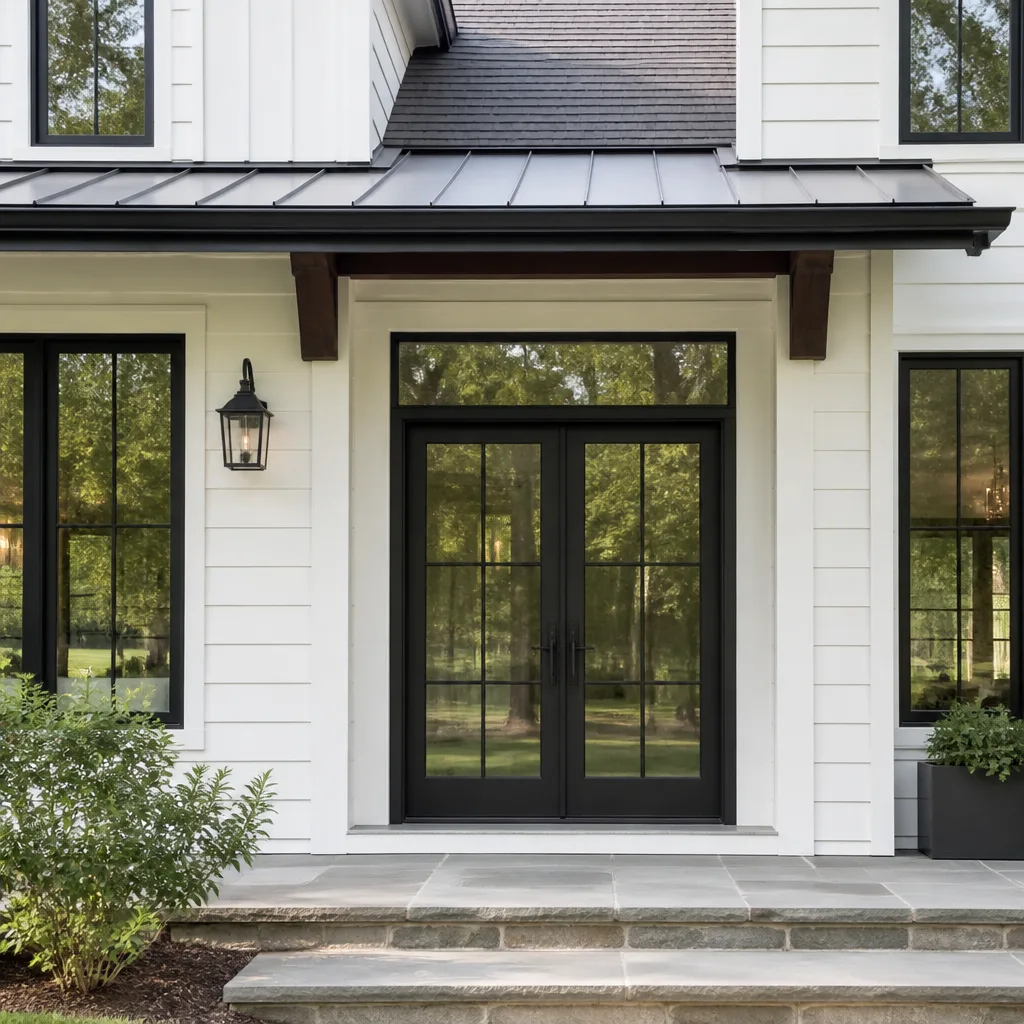
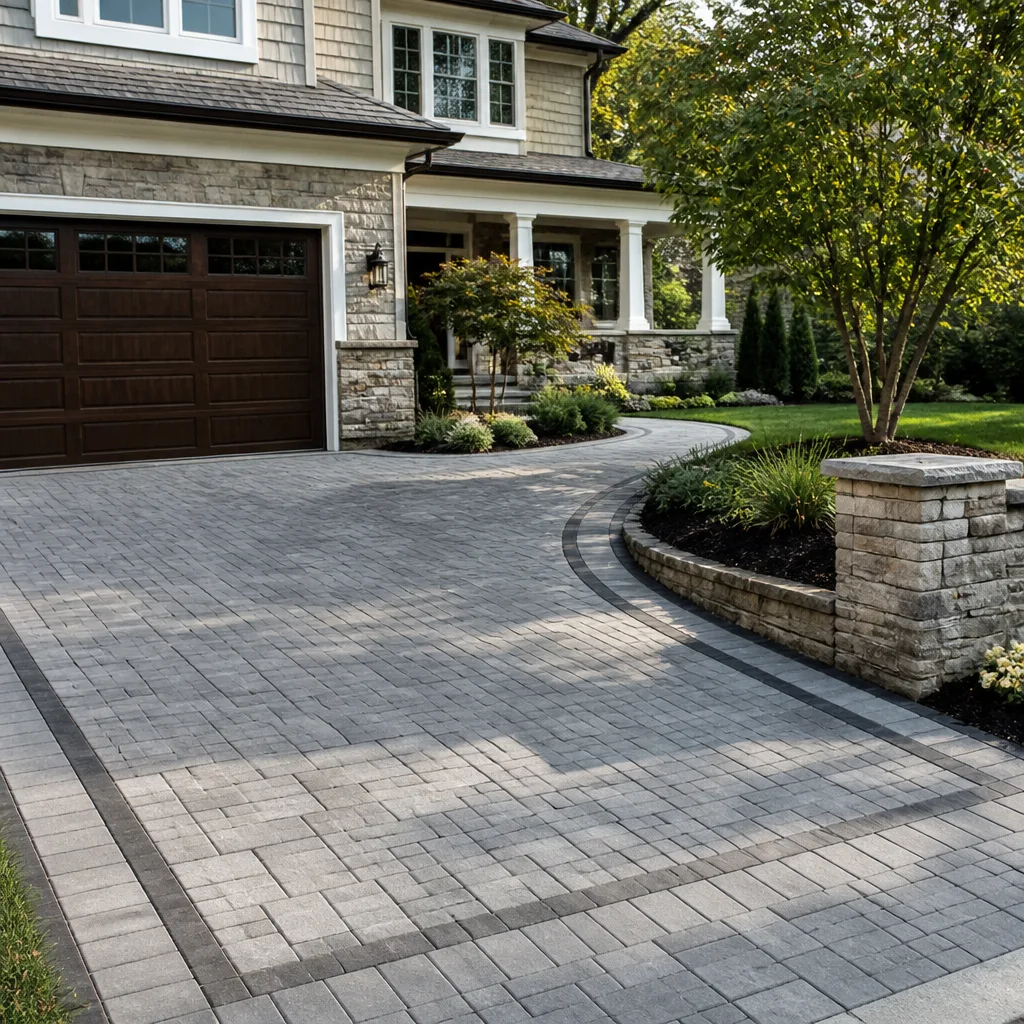
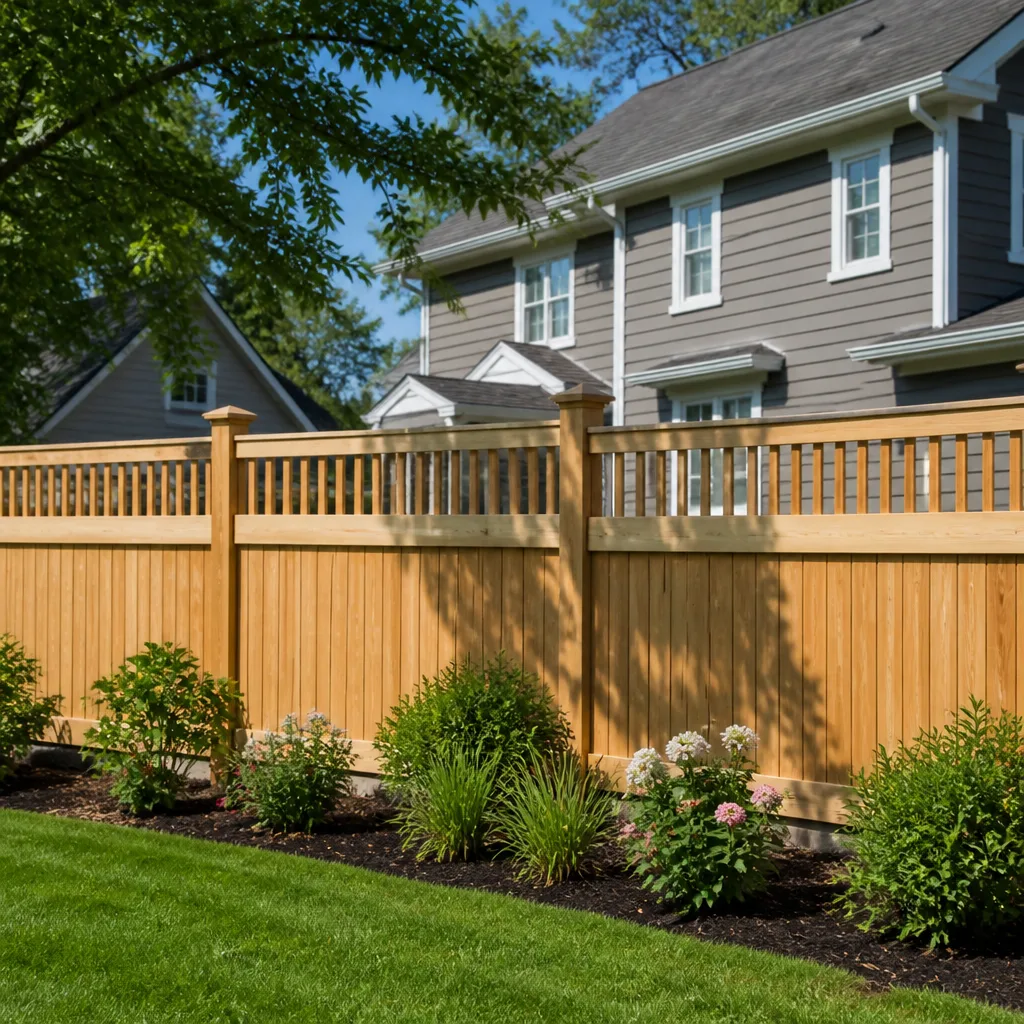
Styles & brands we work with
Signs Your Silestone Home Additions & ADU Is Failing
- The seam keeps cracking or separating. In Orlando's humidity and seasonal temperature swings, quartz expands and contracts. If the original seam was placed over a cabinet joint that flexes, or the subfloor wasn't leveled before the Silestone went down, the seam will open and close with the seasons. Caulk hides it for a month. Proper support fixes it.
- The slab sounds hollow when you tap it. Silestone needs full, even contact with the substrate. Hollow spots mean the adhesive didn't bond everywhere, usually because the countertop bowed slightly after fabrication. Over time that unsupported area becomes a crack risk, especially at sink cutouts or cooktop openings.
- Edges are chipped near high-traffic corners. Quartz is tough, but a sharp corner hit by a dropped pot or a sliding appliance will chip. On an addition or ADU build, it often happens during construction, before the final walkthrough, and it's easy to miss until the work lights come off.
- The overhang is sagging or bounces when you press it. A Silestone overhang over a breakfast bar or island without proper corbel or steel support will flex. Quartz doesn't bend forever. It eventually cracks, and the crack can run from the overhang all the way back across the slab.
- Stains that won't come out, especially near the sink. Silestone is non-porous in theory. In practice, the resin binding can dull or micro-etch over years of hard water, citrus, and cleaning chemicals. On an addition, homeowners sometimes find the new slab doesn't match the sheen of the old one after cleaning, even if the color is right.
See the difference
 Before
 After
After Before
 After
After Before
 After
AfterReplacement Cost & What's Included
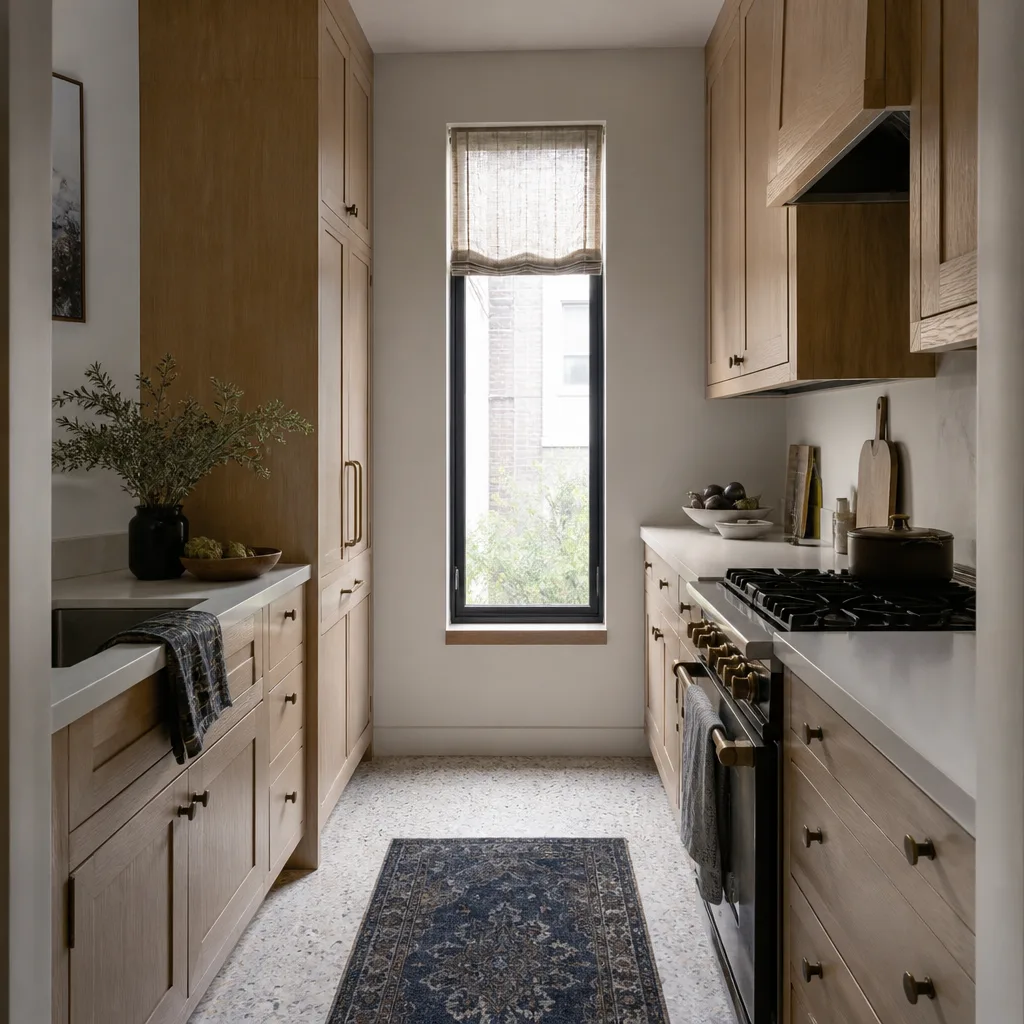
Installed Silestone work in an Orlando addition or ADU runs $2,000 to $6,500 for a standard countertop replacement, and $45,000 to $130,000 for the full home addition or $90,000 to $220,000 for a complete ADU build. The range depends on slab size, edge profile, whether removal and disposal of the old surface is needed, and any structural work underneath. We write the price before any work starts, and it includes the Silestone material, templating, fabrication, delivery, installation, sink or cooktop cutouts, seam work, and a written guarantee covering craftsmanship for 365 days from completion. If a repair or installation fails within that year, we come back at no charge. No dispute process, no conditions.
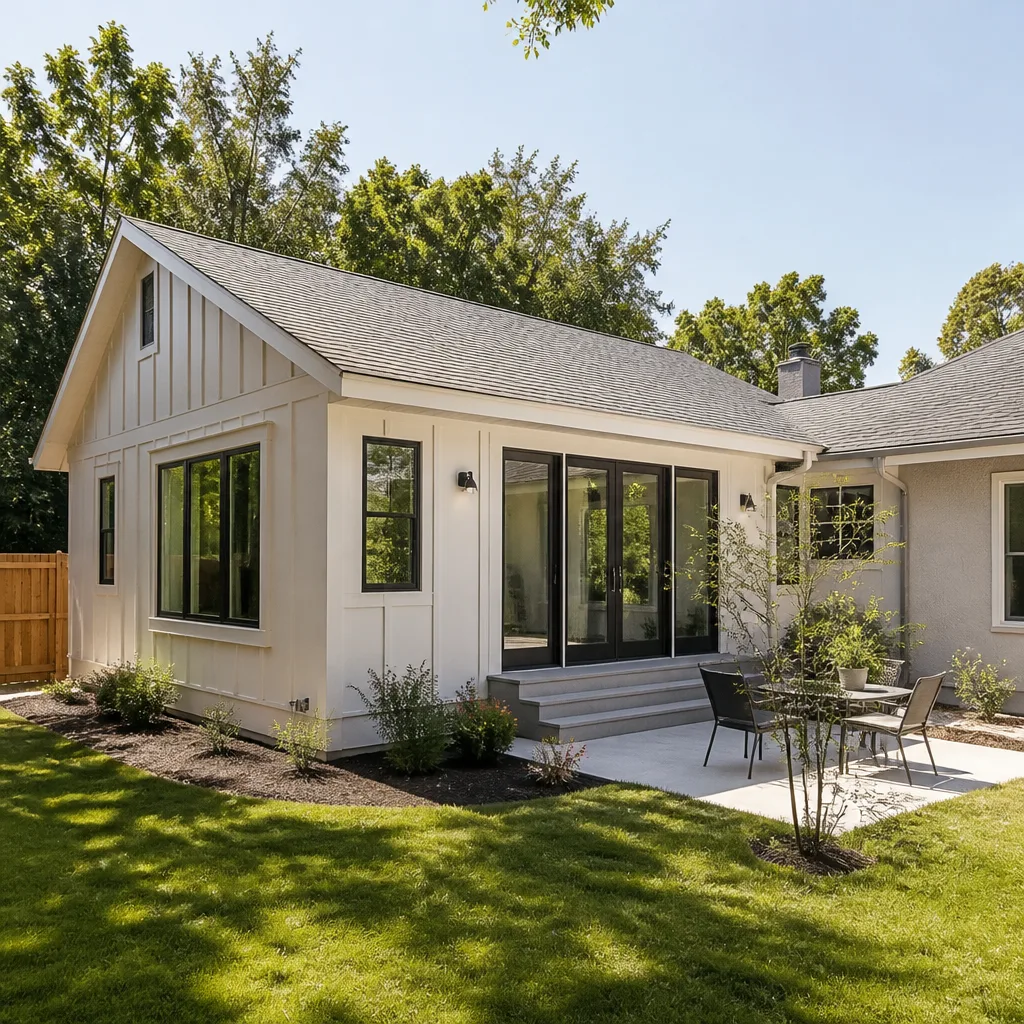
For additions and ADUs specifically, the honest cost drivers in Orlando are foundation type (slab vs. raised), impact-window requirements, electrical service upgrades, and whether the existing roofline ties in cleanly or needs reconfiguring. A simple bump-out addition with a Silestone wet bar will land at the lower end. A full ADU with kitchen, bath, and separate utility connections will sit at the top, sometimes above, depending on the lot.
DIY or Call Us?
You can check a few things yourself if your Silestone feels wrong. Tap the surface to find hollow spots. Run your hand along the seam to feel for a lip. Look under the overhang for the support brackets that should be there. What you shouldn't do is attempt to move, shim, or re-adhere a quartz slab. A 3cm Silestone top weighs roughly 18 pounds per square foot. A standard 25-square-foot island top is 450 pounds. If it shifts while you're under it, people get hurt. We carry the proper lifting equipment, we template and cut in a controlled shop, and we bring the slab in with a crew that knows how to place it without cracking a corner on the doorframe. Isaac Pruett learned to measure on the job sites of Los Angeles before bringing that habit to Orlando, and he still checks every template twice before it goes to the fabricator. Tell me what the problem is. We'll figure out the rest from there. Call (850) 920-7745.
FAQs
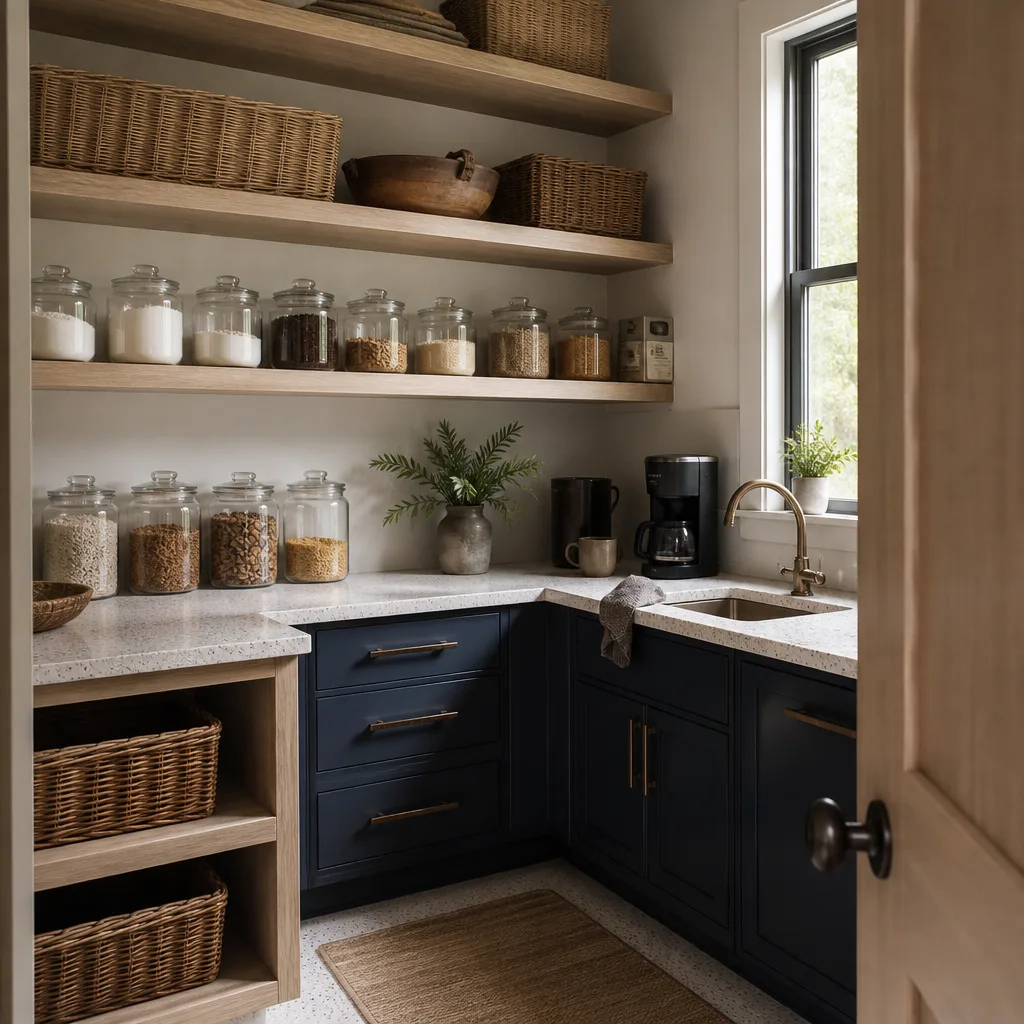
Silestone quartz should last 25 years or more with normal use, but Florida's UV exposure can fade some lighter colors if a slab sits in direct sunlight for years, so we recommend window film or exterior shading on south-facing ADU kitchens. Silestone's manufacturer warranty covers residential use, but installation-related failures are covered by our 365-day workmanship guarantee.
Small chips and edge nicks can be filled with color-matched resin and polished, but a structural crack that runs more than a few inches usually means replacement, because the crack will telegraph through any repair and eventually separate again. We'll tell you which one you have before quoting anything.
From template to install, most Orlando Silestone replacements run 1 to 2 weeks. Templating takes about an hour on site, fabrication runs 5 to 10 business days depending on the fabricator's queue, and install is typically a single day with a two-person crew.
We pull from local Orlando Silestone distributors and confirm slab availability before we template, so you're never waiting on material that hasn't been reserved. We also work with KraftMaid, Cambria, and Kohler products on addition and ADU projects, so multiple specifications can move through one job without you chasing separate vendors. Call (850) 920-7745 for an exact quote, estimates are free.
Written by Isaac Pruett, Owner, Mason Remodeling Co Orlando at Mason Remodeling Co Orlando, serving Orlando and nearby areas.