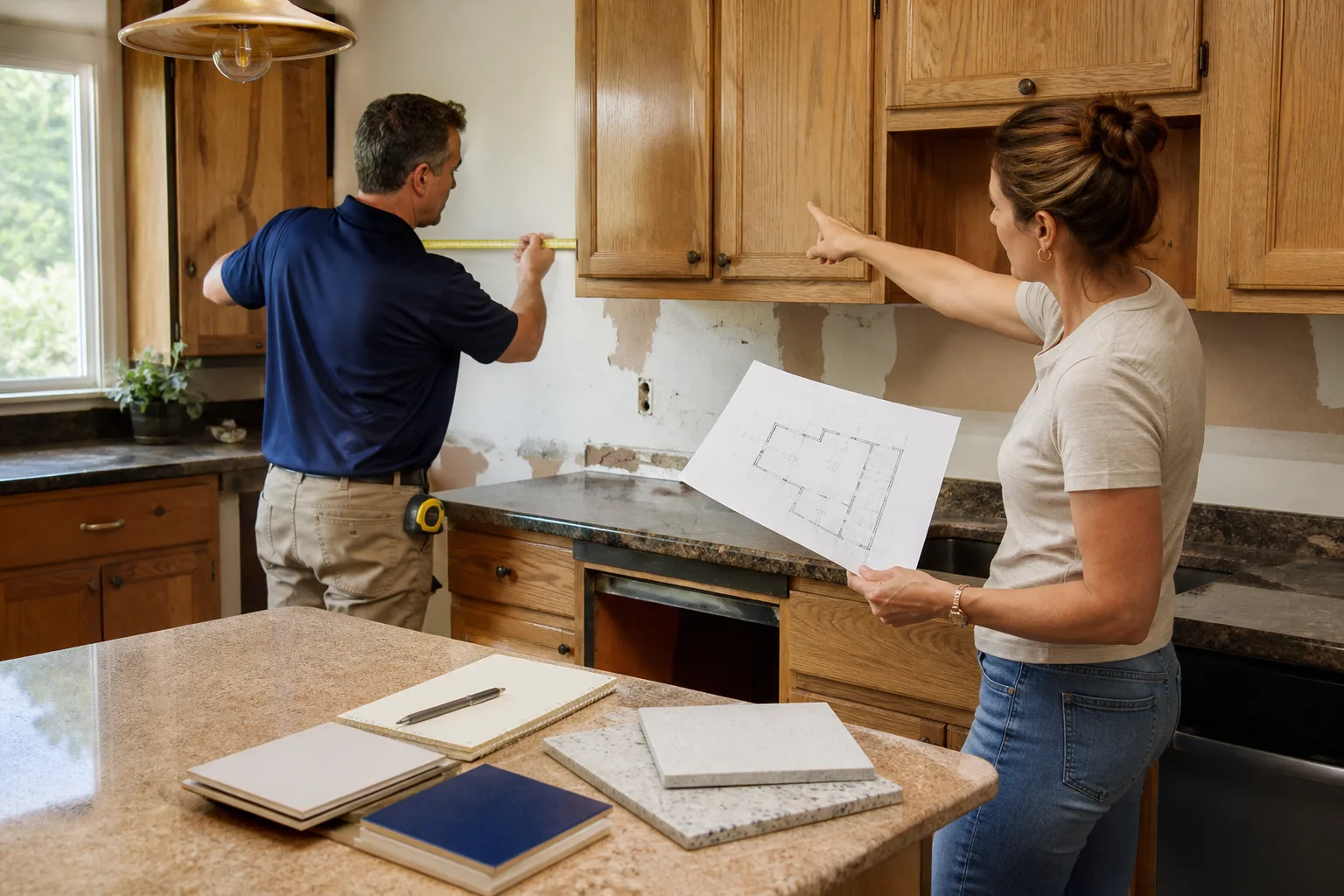
Free written scope consultation - allowances, timeline, and change-order rules on paper before a single trade is scheduled
Unilock Home Additions & ADU: The Orlando Owner’s Guide
Unilock home additions and ADU construction in Orlando typically runs $45,000 to $130,000 depending on square footage, foundation work, and whether you’re building up or out. We install Unilock paver systems as part of these projects, and we stock the edge restraints, base materials, and jointing compounds that Unilock’s installation specs call for. Most Orlando homeowners discover they have a Unilock paver problem the same way: a corner of the patio or walkway settles after a heavy rain, or the sand between pavers washes out and weeds start pushing through.
Here’s what you need to know before you spend a dollar on parts or labor. Unilock pavers are only as good as the base beneath them. In Orlando’s sandy soil and wet season, a failing edge restraint or an undersized gravel base will undo even the best-laid paver surface within two or three years. The good news is that most failures are repairable without tearing out the whole hardscape, and we can tell you which it needs when we see it.
Which Unilock Models This Applies To
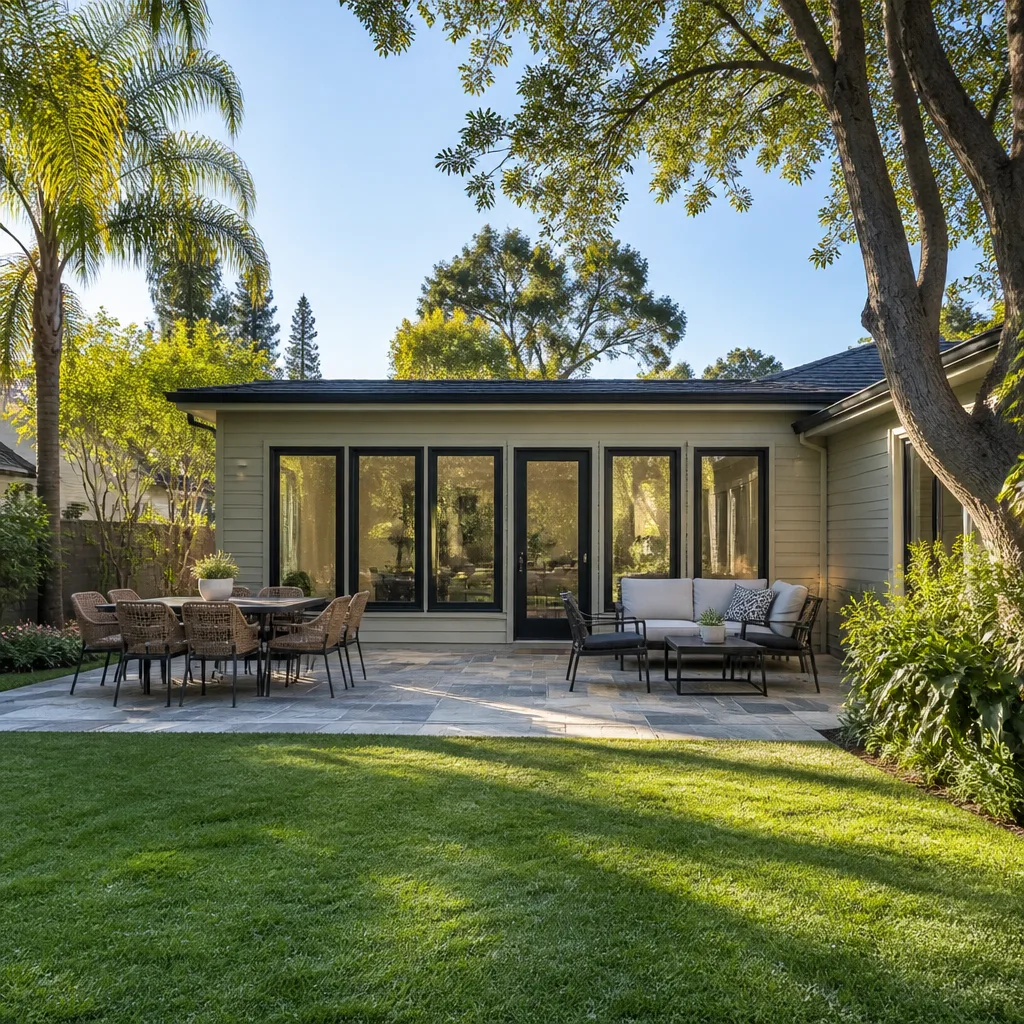
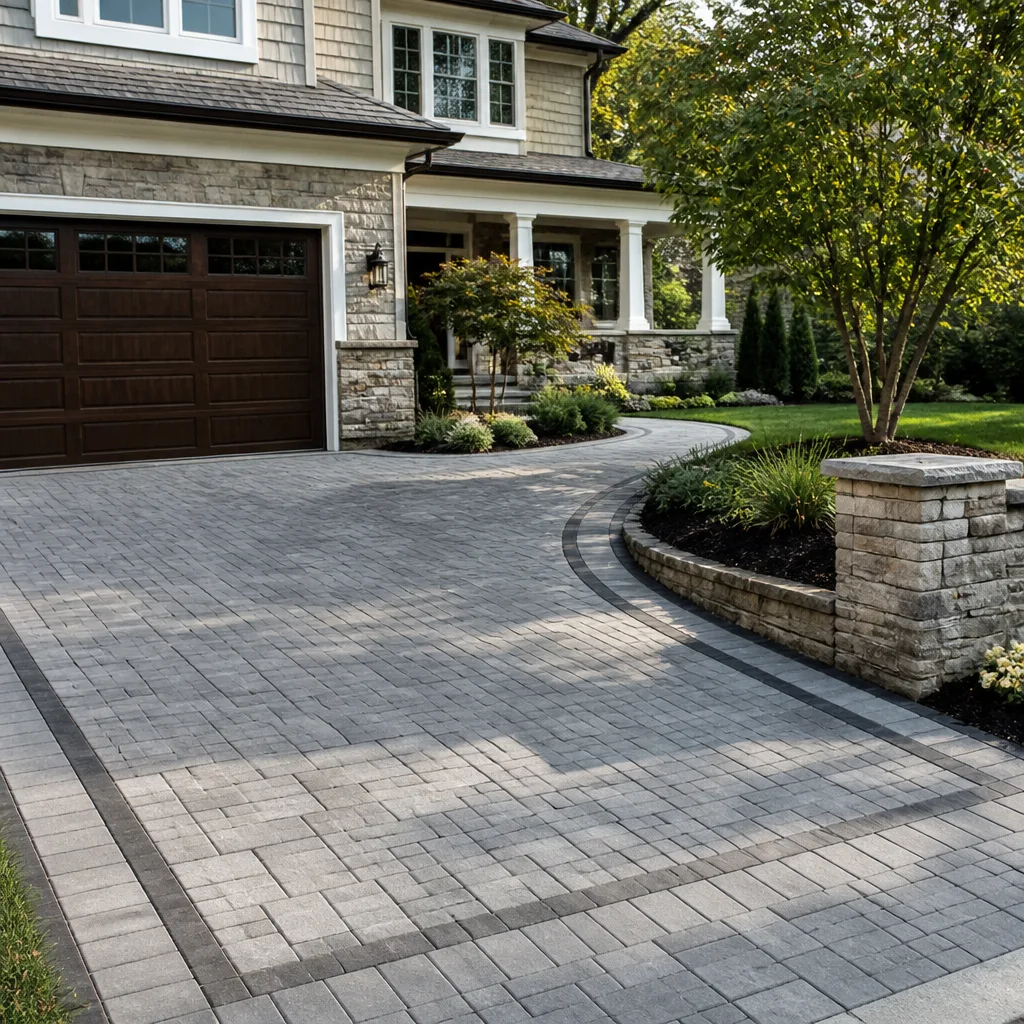
Unilock makes dozens of paver lines, but for Orlando home additions and ADU projects, we work with a few series more than any others. The Brussels Block, Hollandstone, and Mattoni lines are the most common for driveways, walkways, and patio surrounds because they handle Florida’s heat and rain well. The Richcliff and U-Cara Multi-Face lines show up on higher-end ADU entries and pool decks. If you’re matching an existing paver, the stamped name on the back of the paver is your best identifier. Unilock molds the series name into the underside of most pavers, and the color code is usually a two-letter stamp near one corner.
Here’s the compatibility gotcha we run into constantly: Unilock color lots vary. A “Sierra” Brussels Block from 2019 will not match a “Sierra” Brussels Block from 2023 exactly. UV exposure fades pavers over time, and if your addition or ADU project needs to tie into an existing patio, the new pavers will look different from the old ones for a season or two. The honest fix is to plan for a blended transition or budget for re-sealing the full surface so everything reads as one color. Uncleaned joints, broken edge pavers from mower strikes, and heaved sections after root growth are the parts that fail first in Orlando, not usually the pavers themselves.
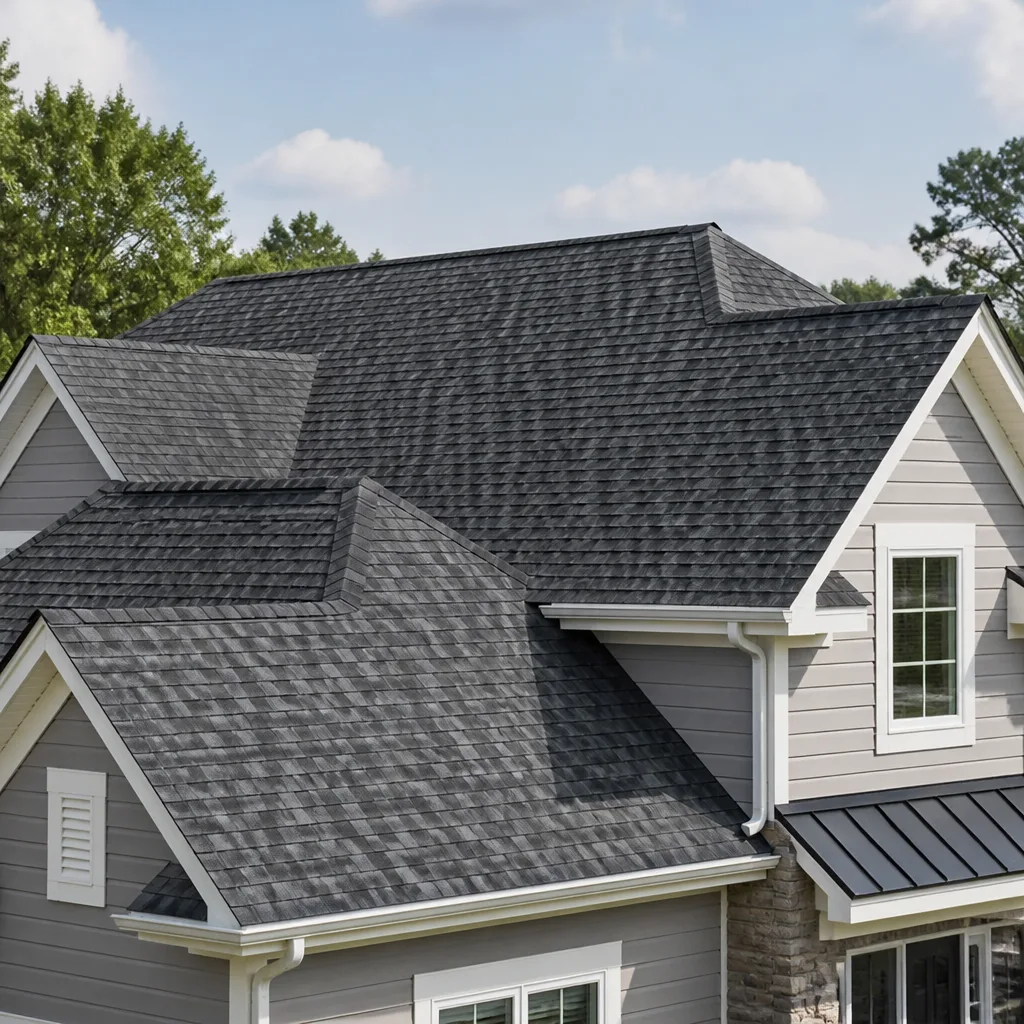
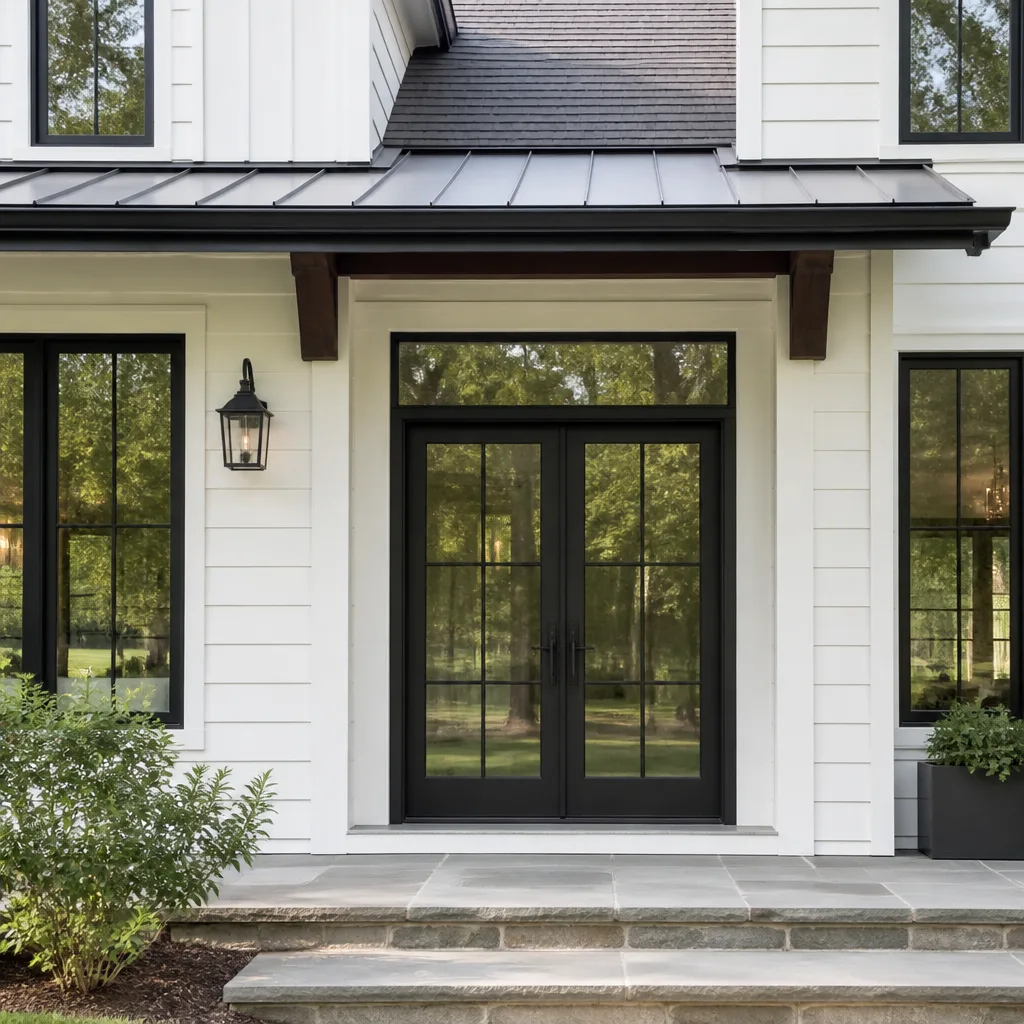
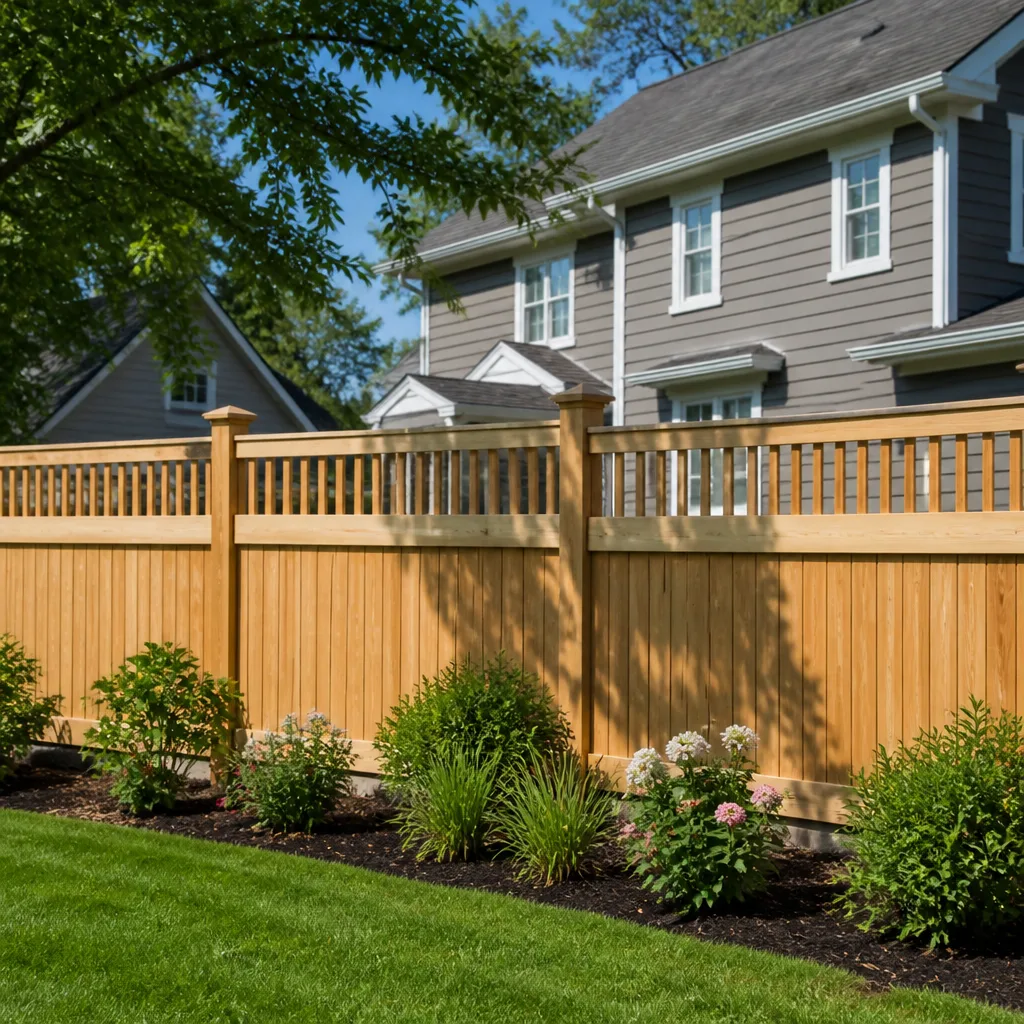
Styles & brands we work with
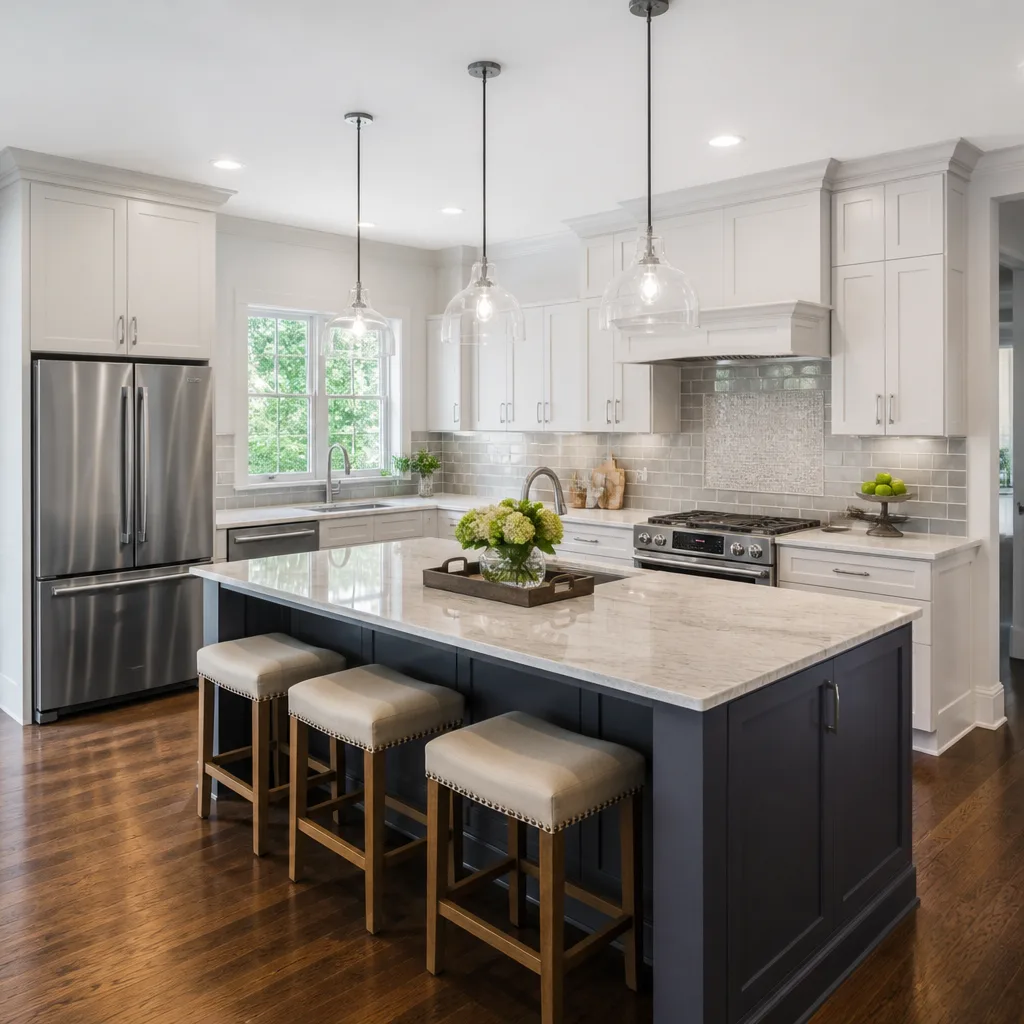
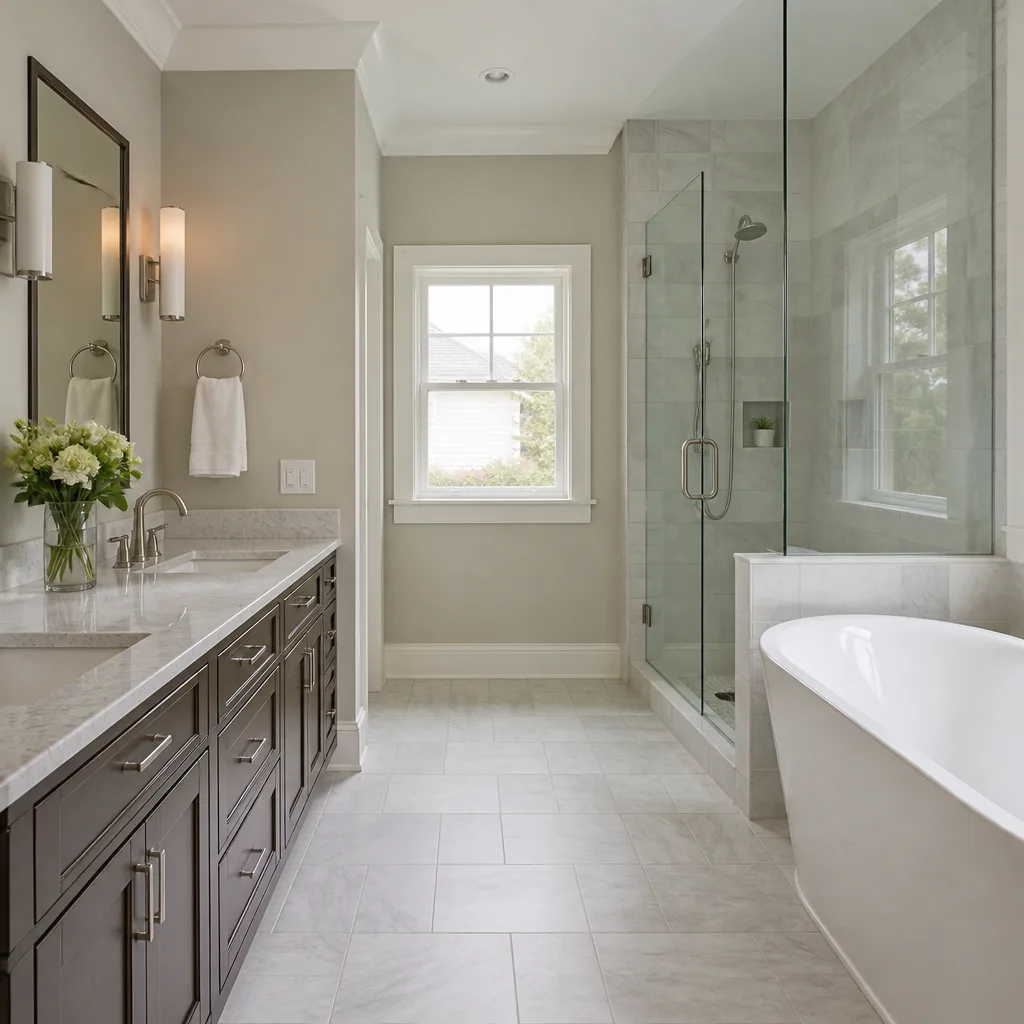
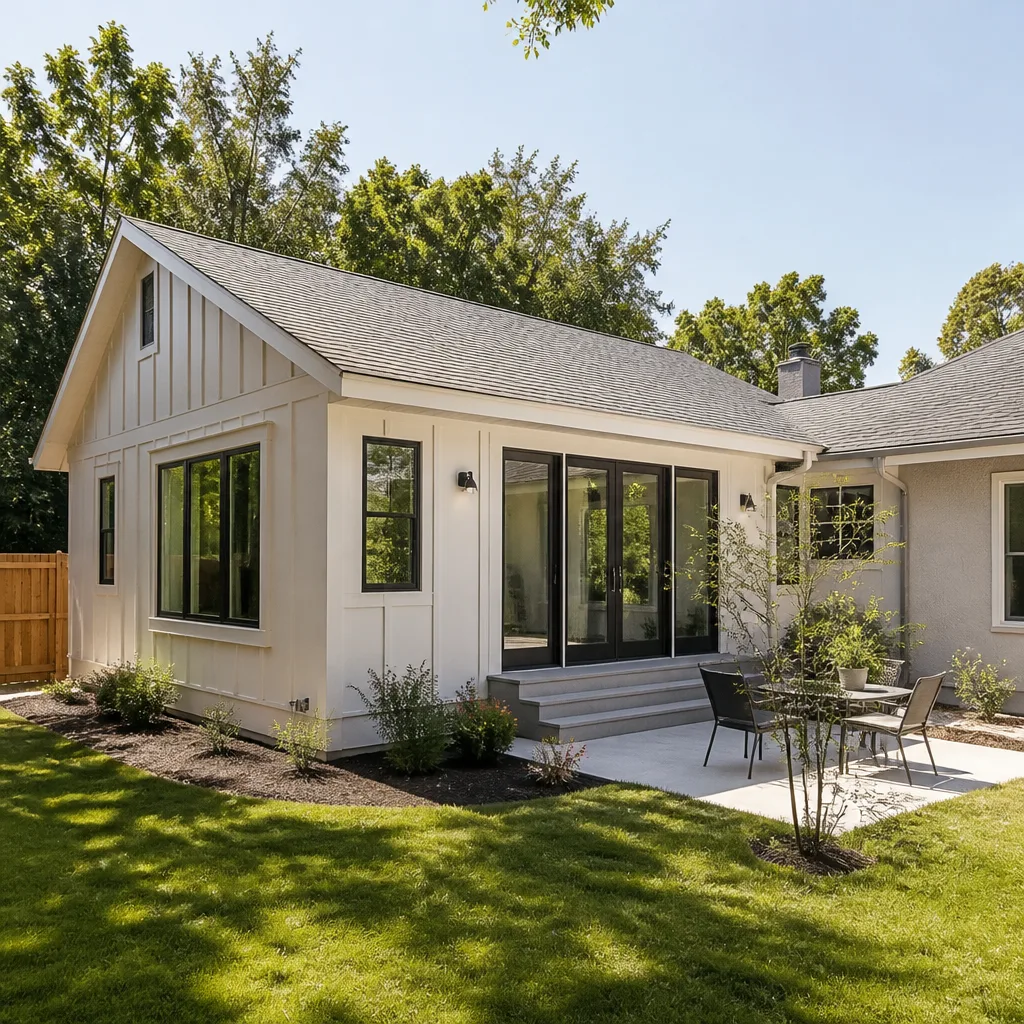
Signs Your Unilock Home Additions & ADU Is Failing
- Settled or sunken pavers near the foundation line. This is almost always a base problem, not a paver problem. Orlando’s sandy soil shifts, and if the gravel base was poured too thin or never compacted in lifts, water finds a way under and the pavers sink. If you see a low spot that holds water after rain, the base is washing out.
- Weeds or grass growing through the joints. This means the polymeric sand has failed or was never installed. Polymeric sand hardens after it is wetted, and it’s what keeps joints locked and weeds out. Unilock’s installation guide calls for a specific jointing compound, and skipping it saves a few hundred dollars up front and costs you years of maintenance after.
- Edge pavers shifting outward or popping loose. The plastic or aluminum edge restraint is the part that holds the outside row in line. When it snaps or pulls away from the spike, the whole edge migrates. You’ll see gaps open at the border and the pattern start to drift.
- White, chalky residue on the paver surface. That’s efflorescence, and it’s common in Florida humidity. It’s not structural, but it does mean water is moving through the paver and evaporating at the surface. A proper sealer and a clean base slope will reduce it.
- Faded, patchy color across the surface. Orlando’s UV load is brutal, and older Unilock pavers fade unevenly if they were sealed once and never re-sealed. This is cosmetic, but it makes an addition look newer than the original patio it is tied to, which reads as a mismatch.
See the difference
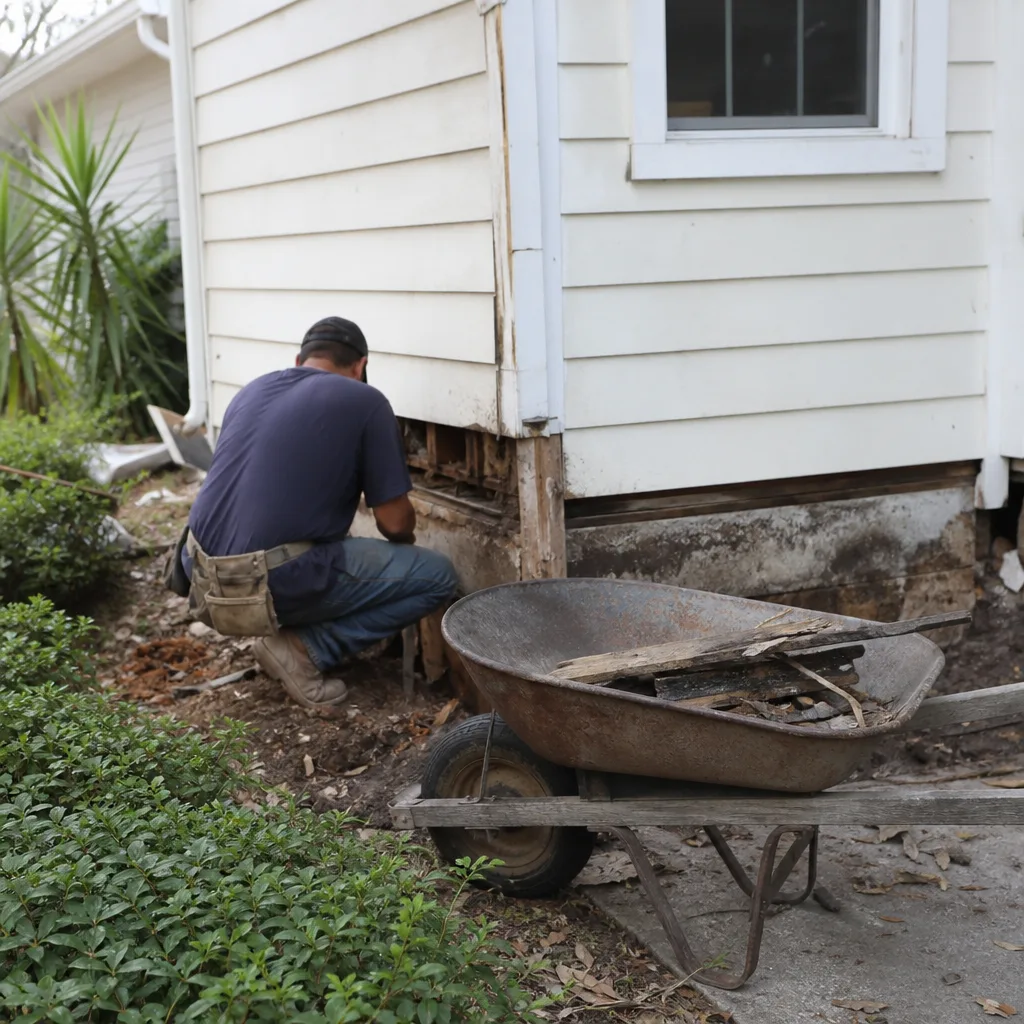 Before
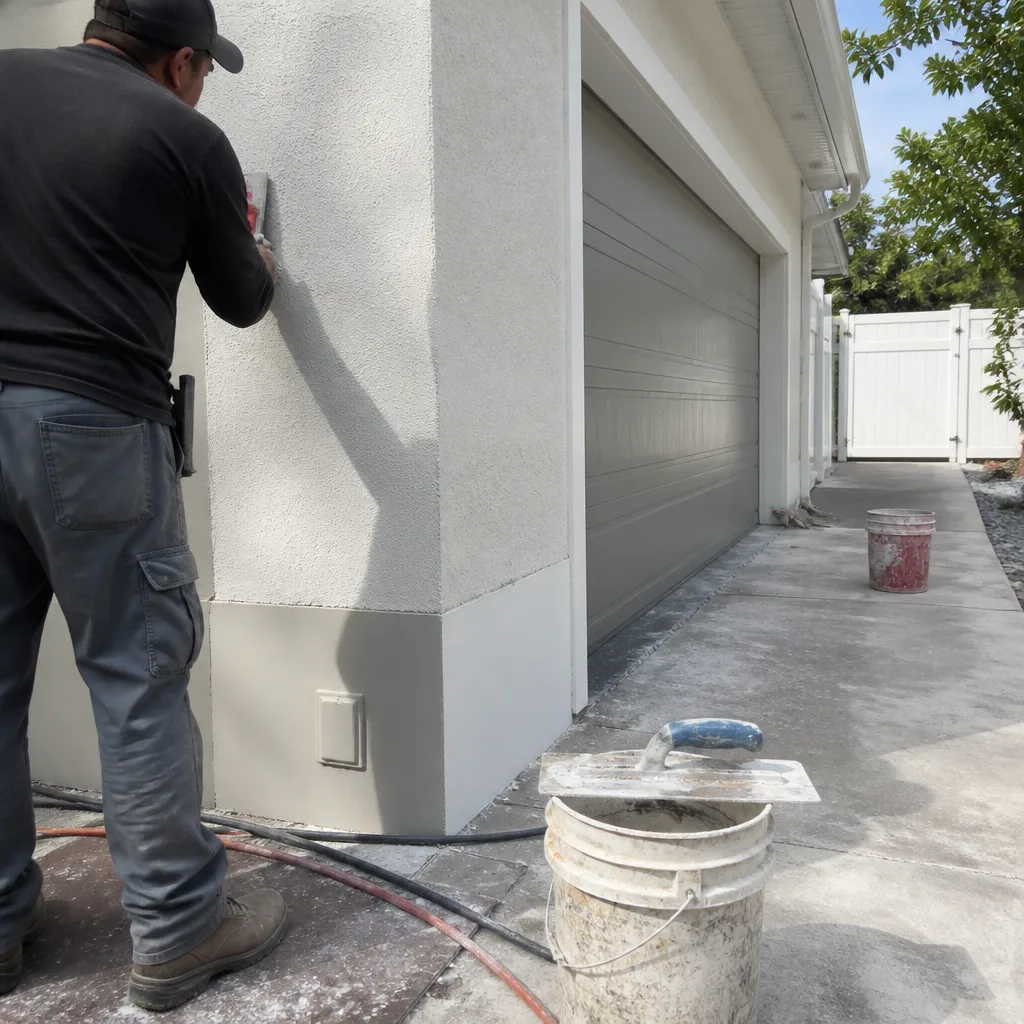 After
After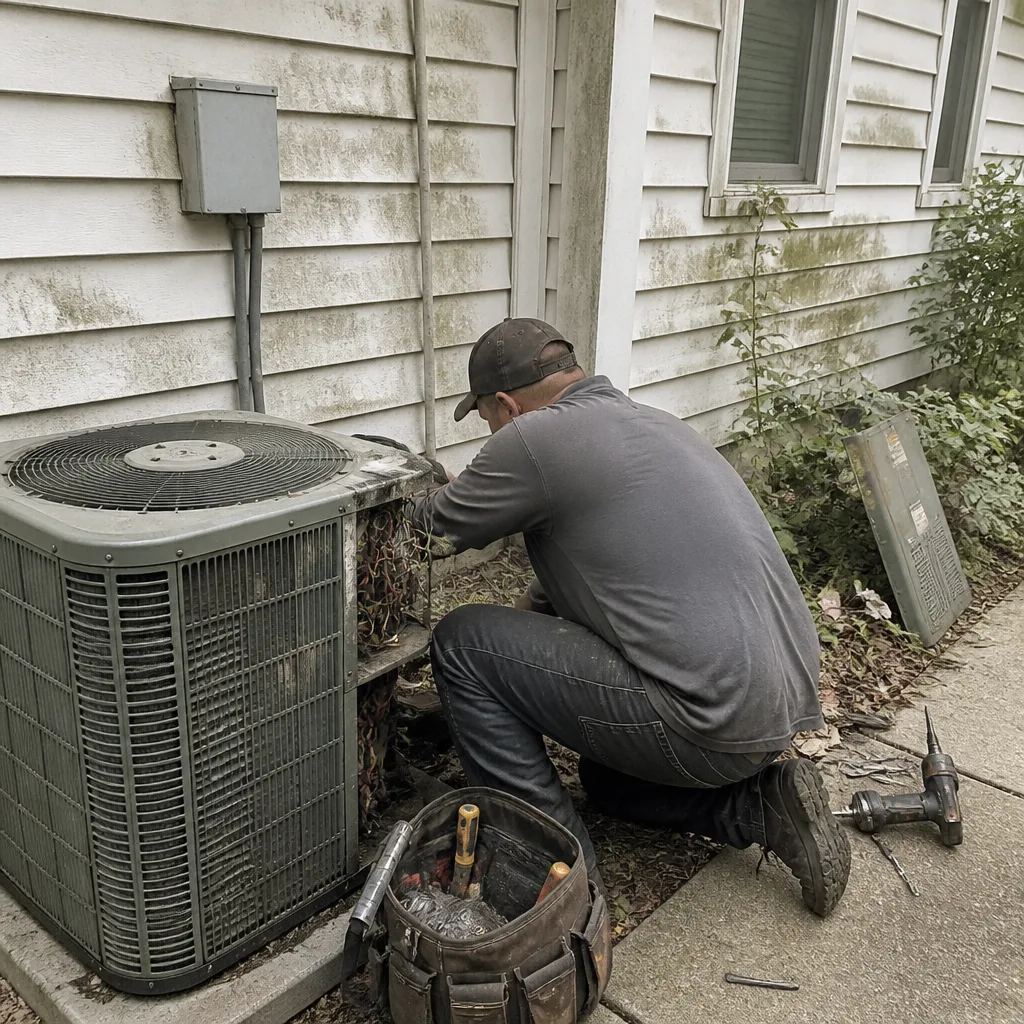 Before
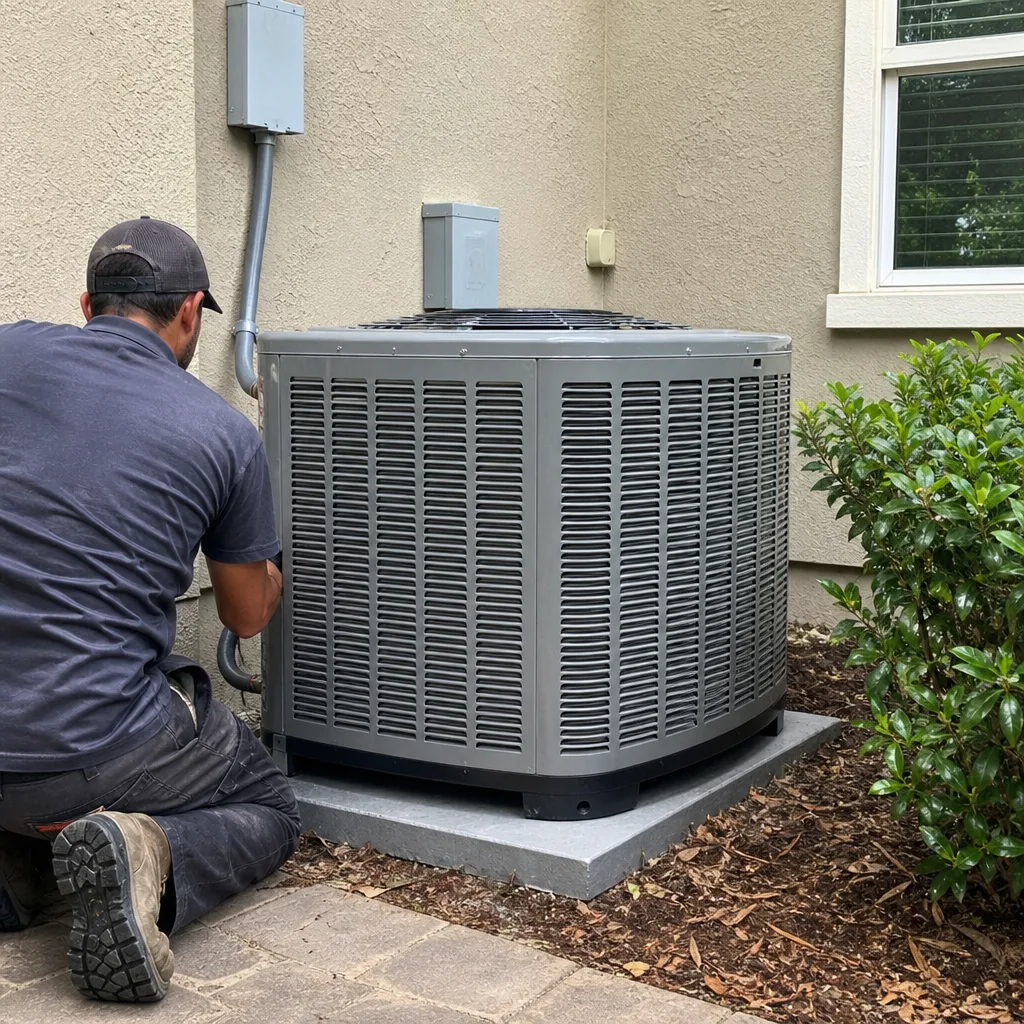 After
After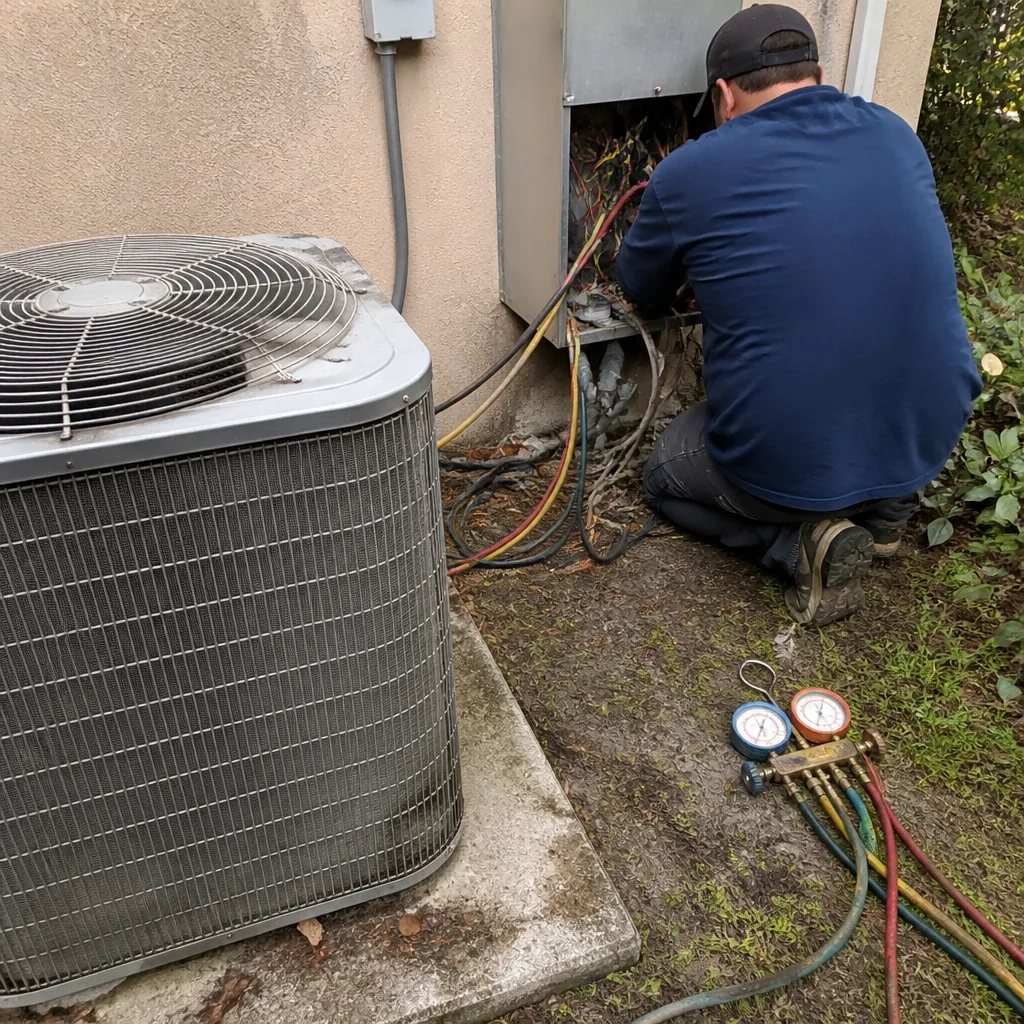 Before
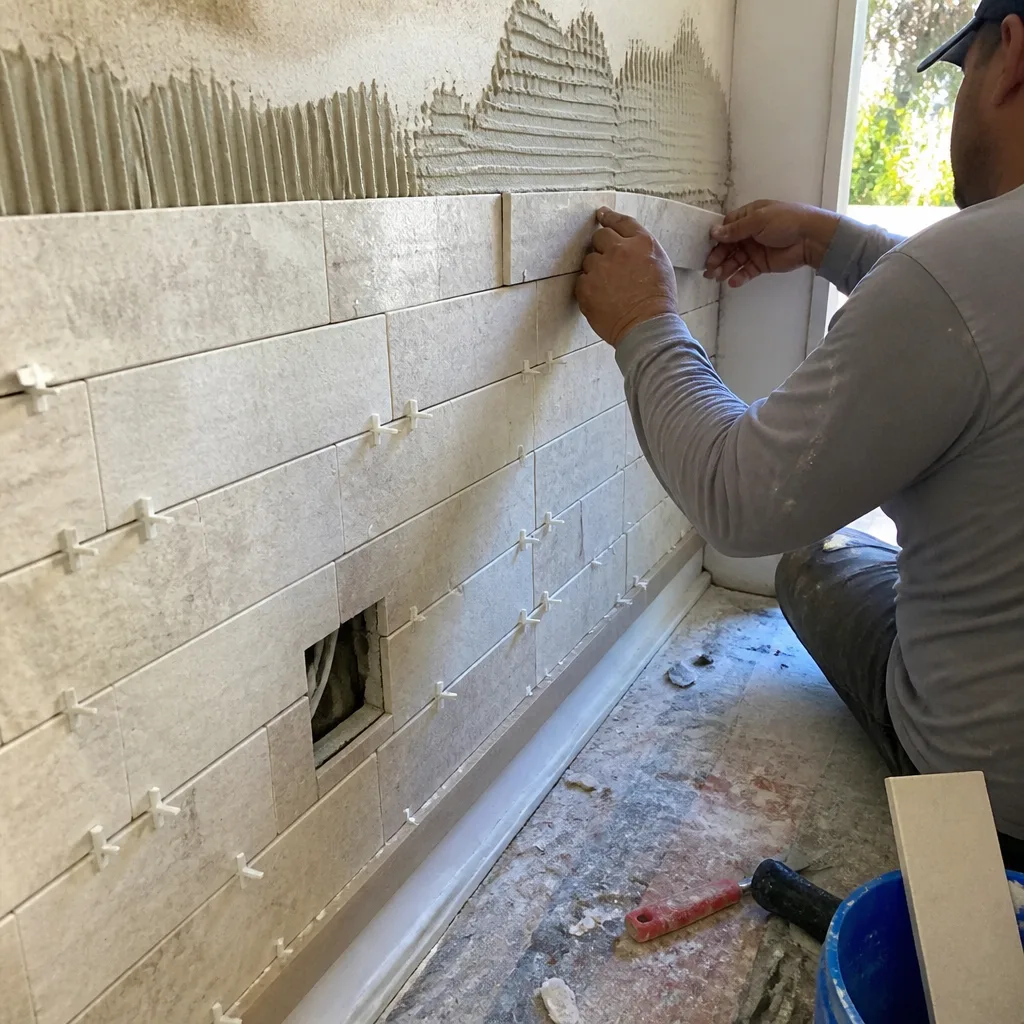 After
AfterReplacement Cost & What’s Included
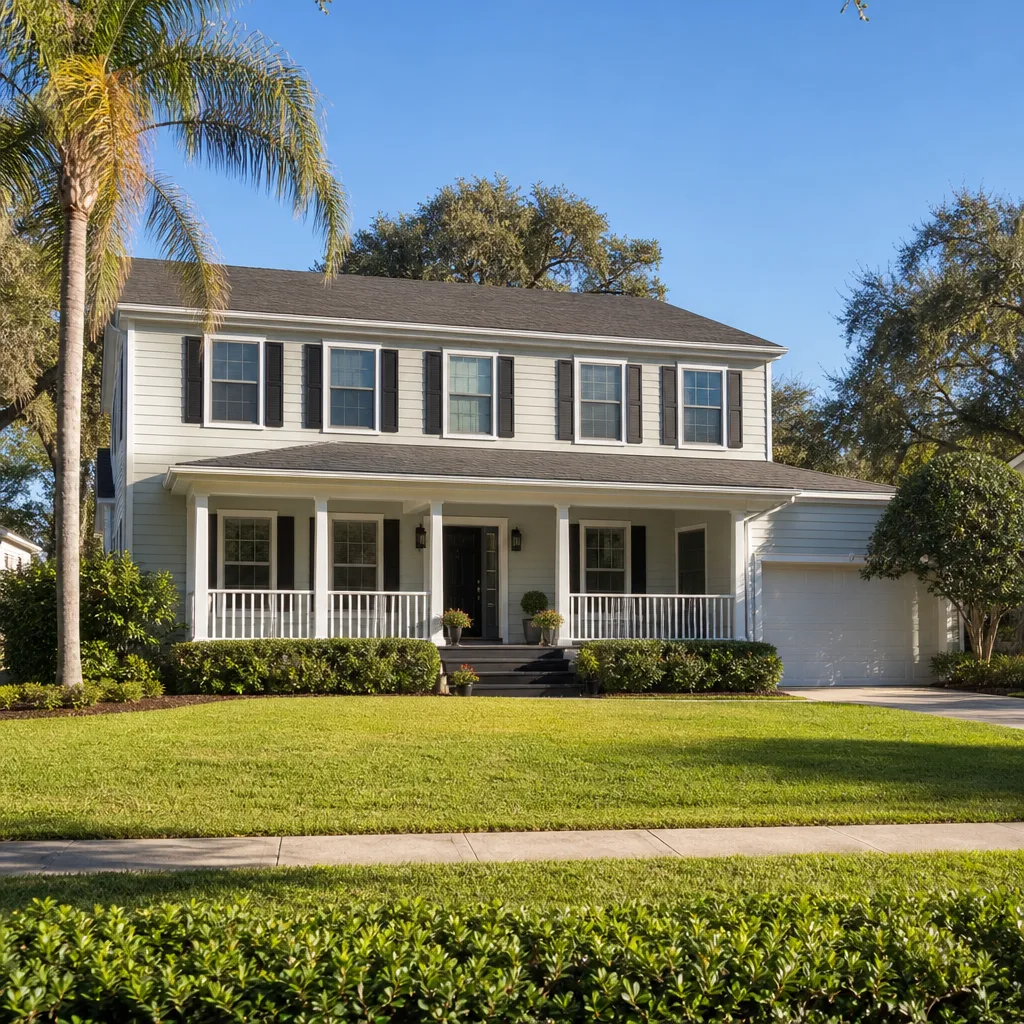
For a standalone Unilock paver repair as part of a home addition or ADU project in Orlando, expect to pay between $3,500 and $11,000 for a patio-level repair that includes tearing out the failed area, rebuilding the base, and re-laying with new jointing sand. A full paver driveway replacement runs $7,000 to $18,000. If the pavers themselves are intact and you just need base repair, edge restraint replacement, and re-sanding, you are usually at the lower end of that range. If we’re replacing a section of pavers with a new color lot and blending it into the old surface, you will trend higher because of the matching labor.
Every quote you get from us is a written line-item price before work starts. You’ll see the parts, the materials, the labor, and the disposal separately. No change orders unless you ask for something different mid-project. And every paver repair we do is covered under our 365-Day Done Right Promise: if the work isn’t right within a year of completion, we make it right at no cost to you.
DIY or Call Us?
You can safely check a few things yourself before you pick up the phone. Walk the edge of the paver field and look for lifted or shifted edge restraints. Look for pooling water after a rain. Pry up one loose paver and check whether there is at least four to six inches of compacted gravel underneath it, not just sand and dirt. What you should not do is attempt a base rebuild on a paver addition tied to a new ADU foundation. A bad base on a walkway is a trip hazard. A bad base on a driveway that carries vehicles is a structural problem, and a paver failure against a new foundation can direct water toward the slab and into your home. That is the point where you call someone who does this every week, not watch a weekend tutorial.
If you’re in Orlando and you have a Unilock paver area that is failing, call us at (850) 920-7745 and tell us what you’re seeing. We’ll figure out the rest from there.
FAQs
Unilock pavers themselves are rated for 30-plus years, but the base and jointing materials beneath and between them usually need attention every 10 to 15 years in Orlando’s climate because of shifting sandy soil and heavy seasonal rain. If your pavers are failing at year five, the issue is almost always the base or the edge restraints, not the paver itself. Call (850) 920-7745 and we can tell you what you are actually looking at.
Yes, in most cases we can cut out the failed section, rebuild the base, and re-lay the same pavers if they are not cracked or badly faded. Full replacement is only necessary when the pavers are damaged, the color lot is unsalvageable, or the base failure is widespread enough that patching would just move the problem. Call (850) 920-7745 for an exact assessment and a written price before anything starts.
Most Orlando paver repairs take one to two days once the base is exposed and we know what we are working with. A full paver driveway or large patio for a new ADU typically runs three to five days including base prep, drainage work, and compaction. We’ll give you a schedule in writing before we start.
We stock Unilock-compatible edge restraints, base materials, and polymeric jointing sand on our trucks, and we order Unilock pavers directly from the manufacturer for color-lot matching. Mason Remodeling Co Orlando is an independent contractor and not an authorized Unilock dealer, but we install and repair their systems to manufacturer spec every week. KraftMaid, Cambria, and Silestone products ride along on our remodeling jobs as well.
Written by Isaac Pruett, Owner, Mason Remodeling Co Orlando at Mason Remodeling Co Orlando, serving Orlando and nearby areas.