Last updated October 15, 2026








Free written scope consultation - allowances, timeline, and change-order rules on paper before a single trade is scheduled
Seasonal Construction Care for Orlando: Year-Round Homeowner’s Guide
Here’s something most Orlando homeowners don’t realize until it’s too late: the six weeks between October 1 and mid-November are the most cost-effective window to catch storm damage before it becomes mold damage. Yet that’s exactly the period when most people do nothing, because the storm passed without any obvious problems. In a climate where humidity stays above 70 percent for months at a time and named storms routinely pass within 150 miles of the city, what you don’t see after a storm is precisely what will cost you thousands a year later. This guide walks through the two seasons that actually matter in Orlando, hurricane season and the dry season that follows it, and what a homeowner should do during each to protect a remodel investment; for more guides & resources, see our blog.
Styles & brands we work with







Quick Answer
Seasonal construction care in Orlando, FL means preparing your home for hurricane season from April through May, inspecting within 72 hours after any named storm passes within 150 miles, and using the dry season from November through April to address grout, cabinetry, and stucco issues that high humidity masks, as detailed in The Complete Guide to Construction in Orlando. A homeowner who follows this two-season rhythm, rather than a generic four-season maintenance calendar, protects both the structure and any kitchen, bath, or whole-home remodel investment for years.
Table of Contents
- Pre-Storm Season Preparation: April Through May
- The 72-Hour Post-Storm Inspection: What to Check Even Without Visible Damage
- Dry Season Risks: Grout, Cabinetry, and Stucco From November Through April
- The HVAC Maintenance Timeline That Protects Your Renovation
- Which Seasonal Tasks to Do Yourself, and Which to Contract Out
- Protecting a Recent Kitchen, Bath, or Whole-Home Remodel Through Both Seasons
- Common Mistakes to Avoid
- When to Call a Professional
- Frequently Asked Questions
- The Bottom Line
Pre-Storm Season Preparation: April Through May
By April, Orlando is roughly eight weeks out from the start of the Atlantic hurricane season on June 1. That’s not a countdown to panic over; it’s a countdown to the single best window for prevention. A newly remodeled kitchen, bathroom, or addition in central Florida needs a specific set of pre-storm checks that a standard maintenance list doesn’t cover, because the materials involved, tile, grout, caulk, wood cabinetry, exterior stucco, and window and door flashing, respond to high wind and driven rain in ways that dry-climate homes never experience.
The April-to-May Checklist for Newly Remodeled Spaces
- Inspect all exterior caulk and sealant joints around new windows, doors, and any new wall penetrations. Remodel crews seal these during construction, but Florida sun and heat can cure and crack caulk within a single season. Hairline gaps let wind-driven rain enter wall cavities. A tube of exterior-grade polyurethane caulk costs under $12; the water damage behind a failed joint costs thousands.
- Check the roof flashing where any new addition ties into the existing roofline. This is a chronic failure point in Orlando additions. The intersection of old and new roof planes concentrates wind pressure, and if the flashing was not sealed correctly, it will be the first place water enters during a storm.
- Test every new window and exterior door’s weep holes. These small drainage openings at the bottom of window frames and door thresholds are how water that gets past the weatherstripping escapes. In Orlando’s spring pollen season, weep holes clog quickly. A clogged weep hole turns a minor water intrusion into a soaked wall cavity.
- Clear and test all new gutters and downspouts serving remodeled areas. Orlando’s spring oak and pine drop is heavy. A downspout that worked fine in March may be fully clogged by late May, and a clogged downspout during a hurricane dumps water directly against the foundation or into the wall at the point of the new addition.
- Photograph the interior and exterior of all recent remodel work. Take dated photos of grout lines, ceiling corners, cabinet faces, and exterior walls. If a storm causes damage, these photographs become the baseline for an insurance claim. Homeowners who skipped this step consistently struggle to prove what a storm damaged versus what was pre-existing.
We’ve walked through hundreds of home remodeling projects in Orlando after storms, and the difference between a protected remodel and a damaged one almost always comes down to whether these five steps happened in April and May, not whether the homeowner had hurricane shutters. The shutters matter. The seals matter more.
The 72-Hour Post-Storm Inspection: What to Check Even Without Visible Damage
After any named storm makes landfall within 150 miles of Orlando, even one that passed with no visible damage to your home, there is a 72-hour window for inspection that determines whether small problems stay small or become expensive problems. The reason is straightforward: in central Florida’s post-storm humidity, which routinely sits at 85 percent or higher for days after a system passes, mold colonization begins within 48 to 72 hours on wet organic material. Drywall paper, wood studs, and cabinetry substrate are all organic. If water got in, the clock is already running.
What to Inspect Within 72 Hours
- Ceiling corners in every room, especially in single-story additions and rooms with vaulted ceilings. Wind-driven rain enters at roof intersections and travels along ceiling joists, pooling at the corners. Look for any change in paint sheen, a faint yellow tint, or a slight bubbling under the paint film.
- Around every window and door on the windward side of the house. During a hurricane, wind-driven rain pushes water horizontally at window and door frames. Water can enter behind the trim without ever showing on the interior wall surface. Run your hand along the drywall adjacent to each frame and feel for cool spots or softness.
- Inside cabinetry, especially base cabinets on exterior walls. Sink base cabinets are the usual suspect, but any base cabinet on an exterior wall can take water through the wall if the exterior finish was compromised. Pull everything out, run your hand along the back panel, and look for swelling, warping, or a musty smell.
- Under all sinks and around all toilets in remodeled bathrooms. A storm doesn’t just push water in from outside. In Orlando’s older neighborhoods, storm surge and saturated ground can shift drain lines enough to cause slow leaks at compression joints. A leak that starts during a storm and goes unnoticed will rot the subfloor within a season.
- Exterior stucco and any hardie board or wood siding on remodeled additions. Look for hairline cracks that weren’t there before. Stucco is rigid, and hurricane-force wind flexes a wood-framed wall enough to crack the finish. A crack wider than a credit card edge is a water entry point for the entire rainy season that follows.
If you find any of these conditions, act the same day. Dry the area with fans, remove wet insulation, and call a general contractor in Orlando to assess whether structural drying or repair is needed. What costs $400 to dry and seal in the first 72 hours costs $4,000 to remediate as mold damage six weeks later. The math is not subtle.
Dry Season Risks: Grout, Cabinetry, and Stucco From November Through April
Orlando’s dry season runs from approximately November through April, when average monthly rainfall drops from the summer’s seven-plus inches to under three. That shift does something counterintuitive: it exposes problems that high humidity was masking. During the wet months, wood cabinetry and door frames swell with ambient moisture, which temporarily tightens joints and hides movement. When the dry season arrives, that moisture leaves the wood, and every joint, seam, and grout line that was quietly failing becomes visible.
What the Dry Season Reveals
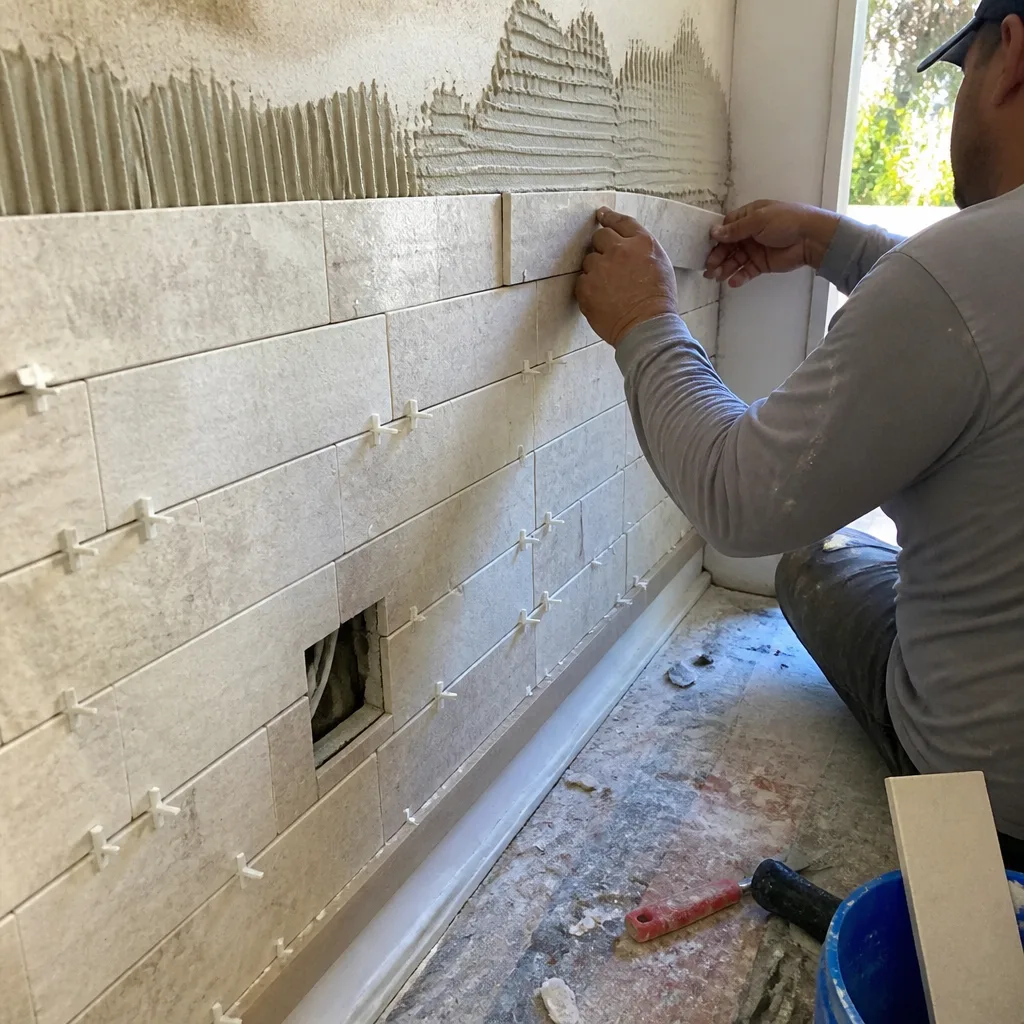
- Tile grout cracks and crumbling. During summer, the home’s framing absorbs humidity and expands. In winter, it contracts. That seasonal movement puts stress on rigid grout, and the first place it shows is in bathroom showers, kitchen backsplashes, and floor-to-ceiling tile installations. Hairline grout cracks that appear in November and December are the early warning sign of a shower pan liner or waterproofing problem that will become a visible leak in the summer rains.
- Cabinet doors that no longer close flush. Solid wood and wood-veneer cabinet doors move with the seasons. A door that closed perfectly in August and rubs or gaps in January is telling you the cabinet was installed too tight to the seasonal movement cycle. Left unaddressed, the rubbing wears through the finish and exposes raw substrate to the next humid season.
- Stucco cracks that were hidden by summer moisture. Stucco expands and contracts with temperature, not just moisture. The 30-degree temperature swings common in Orlando’s dry season, from mid-80s daytime to low-50s overnight, create thermal movement that opens hairline cracks. Paint and seal, and you prevent water entry in the next rainy season. Ignore them, and the spring rains do the damage.
- Caulk pulling away from tubs, shower surrounds, and countertop backsplashes. The same seasonal movement affects every caulk joint in a kitchen or bathroom. A caulk line that has pulled away from the tub or the counter isn’t cosmetic; it’s a direct water pathway into the wall or the cabinet below.
November through April is the right time to repair or replace bathroom grout, caulk, and sealant in Orlando, because materials cure best in lower humidity and the repair has months to settle before the wet season tests it. The same repair done in July, when humidity makes caulk and grout cure slowly and unevenly, simply doesn’t last as long.
The HVAC Maintenance Timeline That Protects Your Renovation
In Orlando, the HVAC system is not a separate maintenance item from the rest of the home. It’s the single most important environmental control system protecting every renovation you’ve ever paid for. Wood flooring, cabinetry, drywall, and millwork all hold their dimensions and finish quality when the indoor relative humidity stays between 40 and 55 percent. When the HVAC system runs inefficiently or stops running during the humid months, that humidity spikes, and the first things to show damage are the things you most recently built or installed.
The Orlando HVAC Maintenance Schedule
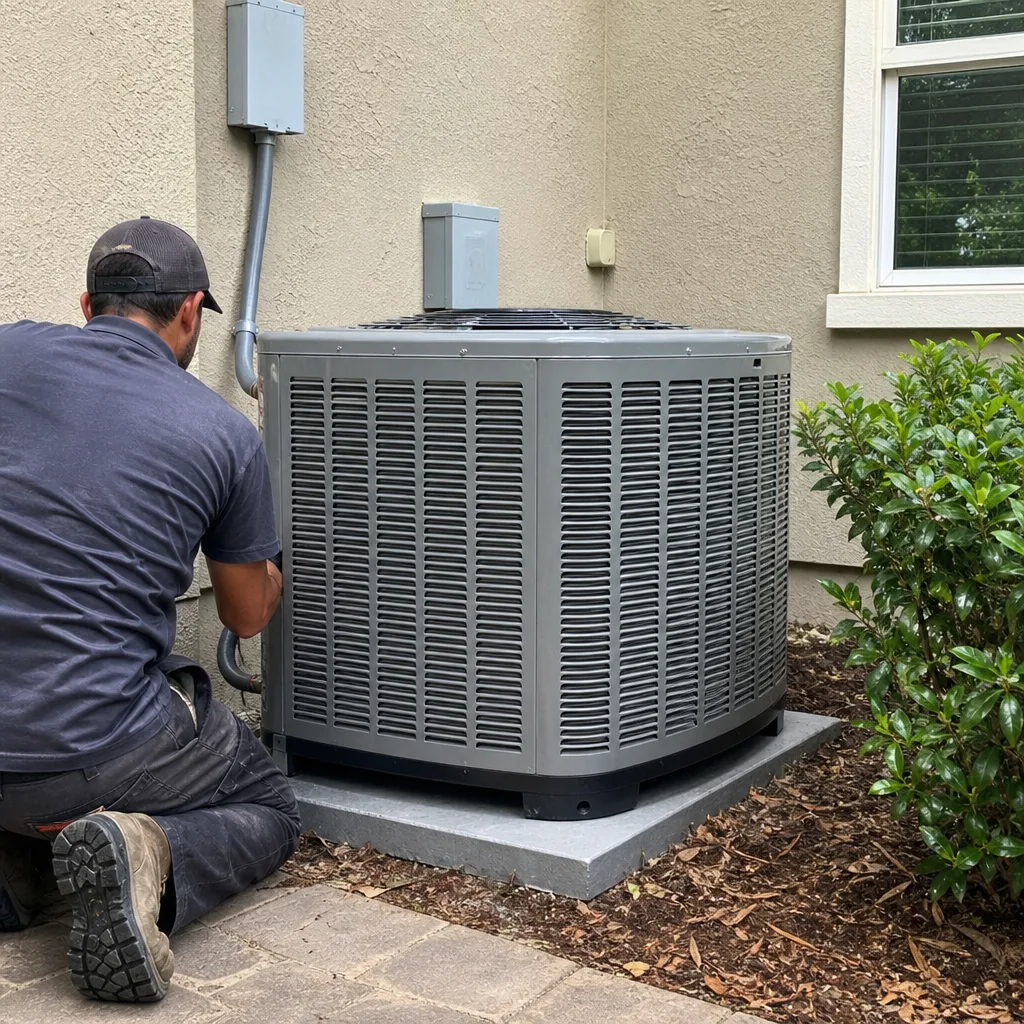
- Late March or early April: Schedule the pre-humidity-season service. This means replacing the air filter, cleaning the evaporator coil, checking the condensate drain line, and verifying the system is pulling the correct amount of moisture. A properly functioning central AC in central Florida should remove 20 to 30 pints of water from the indoor air every day. If the coil is dirty or the charge is low, it removes less, and indoor humidity creeps up.
- Mid-October: Schedule the post-hurricane-season check. Storms pull debris into outdoor condenser units, and the first cooler weeks of October are the right time to clear it. This second service also catches drain line clogs, the most common cause of water damage to ceiling finishes in Orlando homes, before the holidays.
- Quarterly: Pour one cup of white vinegar or a dedicated condensate line cleaner down the primary drain line access point. In Orlando’s heat, algae and mold grow in the drain line within weeks. A clogged line backs up water into the drain pan, and once the pan overflows, it drips onto whatever is below, often a newly remodeled kitchen ceiling.
- Every 30 days: Change the return air filter. A clogged filter reduces airflow across the coil, which lowers the coil temperature, which increases condensation, which raises indoor humidity. In a home with new cabinetry and wood floors, a $15 monthly filter change prevents thousands in humidity-related damage.
For homes with newly remodeled kitchens and baths, the HVAC timeline matters even more, because new cabinetry, quartz countertops, and tile all emit moisture from adhesives and setting materials during their first weeks in place. The HVAC system is what carries that construction moisture out of the home. A remodel completed in June, with a properly serviced AC pulling at full capacity, dries and settles correctly. A remodel completed in June with a neglected AC cures poorly, and the homeowner blames the materials when the real problem was the air.
Which Seasonal Tasks to Do Yourself, and Which to Contract Out
Some seasonal maintenance genuinely requires no professional skill, and paying someone else to do it is money wasted. Other tasks look simple and are not, and a homeowner who attempts them without the right knowledge creates problems that cost more than the service call would have. The line between the two is clear.
Do These Yourself: Real Value, No Specialized Skill
- Replacing HVAC air filters. This takes two minutes, costs under $20, and no professional does anything differently.
- Clearing gutters and downspouts on a single-story home. A ladder, gloves, and a hose are all you need. For two-story homes, this moves to the contract-out list for safety reasons.
- Testing window and door weep holes with a small brush and water. If water flows out, they’re clear. If it pools, they’re clogged, and clearing them is a five-minute job with the right thin brush.
- Applying exterior caulk to small gaps around windows and doors. A $12 tube of exterior polyurethane caulk and a caulk gun handle 90 percent of the joints a homeowner will ever need to reseal. The key is cutting the tip at the right angle and tooling the bead with a wet finger; everything else is practice.
- Documenting the home with dated photos each season. This is the highest-value zero-cost task in this entire guide, and almost no one does it. Your phone does the work; the photos become the record if anything fails.
Contract These Out: The Risk Is Not Worth the Savings
- Any roof inspection or repairs requiring a ladder on a two-story home with a steep pitch. Orlando roofing work, particularly after storms, accounts for a significant share of homeowner fall injuries every year. The combination of wet shingles, pitch, and inexperience is genuinely dangerous. A professional inspection costs between $150 and $400 and comes with eyes that know what storm damage actually looks like versus normal wear.
- HVAC coil cleaning, refrigerant checks, and drain line disassembly. The coil is a finned metal surface that bends easily, and cleaning it wrong reduces efficiency and shortens the system’s life. If the drain line is clogged past the accessible point, compressed air or a wet-dry vac in untrained hands can blow the fitting apart inside the wall.
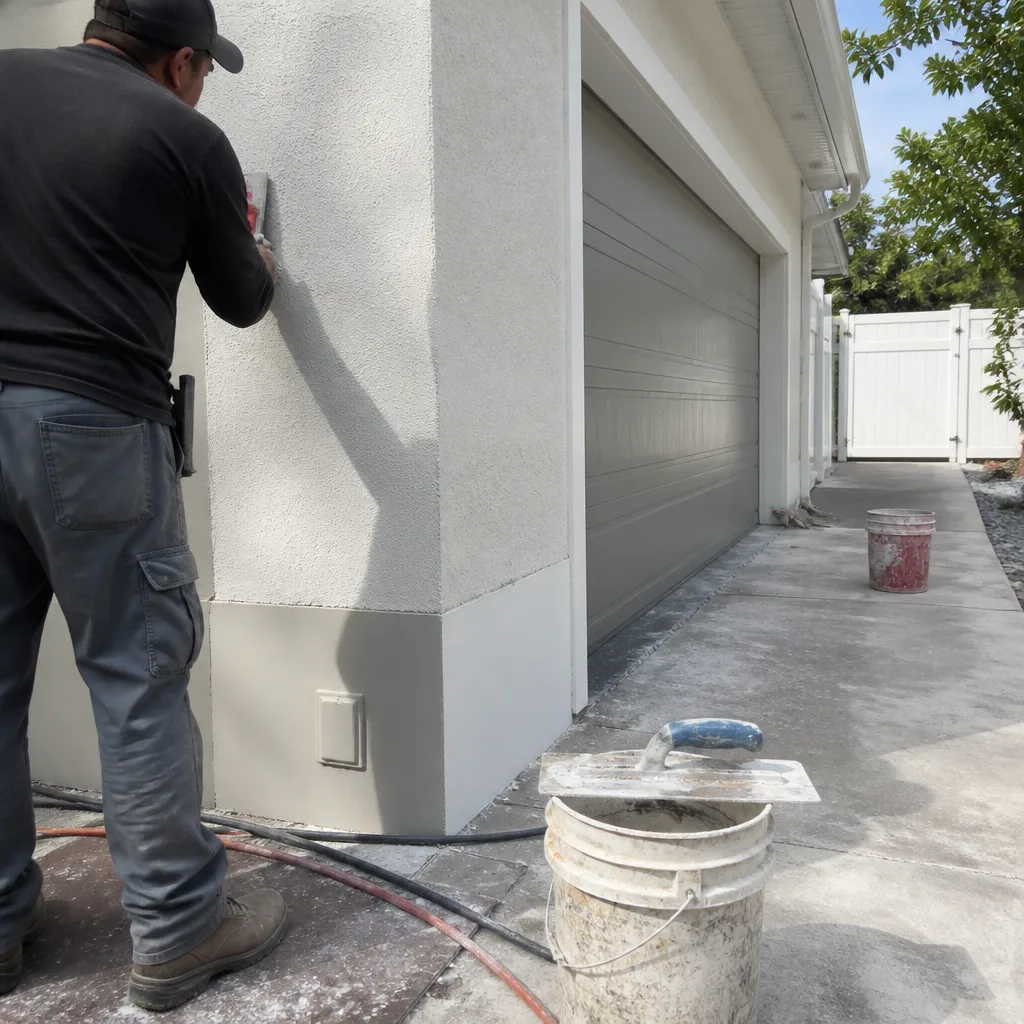
- Any stucco repair larger than a hairline crack. Stucco is a multi-layer system, lath, scratch coat, brown coat, finish coat, and matching the existing texture and color takes experience. A bad stucco patch on an Orlando home looks exactly like a bad stucco patch, and it will be the first thing a buyer’s inspector flags when you sell.
- Electrical panel work, wiring, or any seasonal electrical task involving more than changing a light bulb. This is a safety line that should never blur. Improper electrical work in a humid climate creates fire and shock hazards that no savings justify.
Our Mason Remodeling Co Orlando home page walks through how we approach these contracted-out items, including written pricing before any work starts, because a homeowner should never discover the cost of a repair after it’s already done.
Protecting a Recent Kitchen, Bath, or Whole-Home Remodel Through Both Seasons
The homeowners we work with in Orlando tend to care about seasonal maintenance for one reason: they just spent real money on a kitchen, a bathroom, or a whole-home change, and they want to protect it, a topic we cover in our Construction Cost Breakdown: The Orlando Homeowner’s Reference for 2026. That’s the right instinct, but seasonal maintenance for a remodelled home looks different from seasonal maintenance for an untouched one. The new materials you just paid for have specific vulnerabilities in the first 12 to 18 months, and the corrective actions are not expensive.
For Kitchens Remodeled Within the Last 18 Months
- Watch the joint between the countertop and the backsplash. Whether the counter is quartz, granite, or solid surface, and whether the backsplash is tile or slab, that horizontal joint is a water pathway into the cabinet below. Orlando’s dry-season movement opens this joint within the first year. Check it every November and reseal with silicone caulk the moment it shows any gap.
- Test cabinet door and drawer alignment every spring and fall. New cabinetry settles in its first year, and the seasonal humidity cycle accelerates that settling. Adjusting hinges and drawer slides is a ten-minute job with a screwdriver, but the longer a misaligned door rubs, the more finish damage accumulates.
- Check the dishwasher supply line and drain connection every April and October. The dishwasher is the one appliance in a kitchen that works hardest during storm season, when everyone is home more and cooking more. A supply line fitting that loosened during the first year of use is a slow leak that will damage the new base cabinet it sits inside.
For Bathrooms Remodeled Within the Last 18 Months
- Inspect the caulk line where the tub or shower pan meets the tile every April and November. This is the single highest-risk water detail in any Florida bathroom. When the caulk pulls away, water runs behind the tile, soaks the backer board, and feeds mold inside the wall cavity. The fix is a $10 tube of silicone and one hour.
- Watch the grout floor lines in the shower for darkening or softness. White grout that turns gray in spots is saturated. Your shower pan liner is either not sloping correctly, or the weeps in the drain are clogged. Both conditions need a professional’s eyes before the subfloor becomes involved.
- Test the exhaust fan in late March before the humidity season begins. A bathroom exhaust fan that moves less air than it should leaves moisture in the room after every shower, and that moisture feeds the mold that will eventually stain the new grout and crack the new paint. Clean the fan grille and verify the duct actually vents outside, not into the attic.
The pattern in both rooms is the same: small, visible changes that happen seasonally, that cost almost nothing to correct, and that cost thousands to ignore. A homeowner who checks the right joints in the right months gets decades from a home remodel in Orlando. A homeowner who doesn’t gets a slow decline that starts within the first year.
Common Mistakes to Avoid
- Waiting until June to prepare for hurricane season. By the first week of June, the first named systems are already forming, and every contractor in Orlando is booked through August. The work you didn’t do in April and May won’t get done before the storms arrive.
- Assuming no visible damage means no damage. In a wood-framed home in central Florida, water routinely enters wall cavities and ceiling spaces without ever showing on an interior surface in the first days. By the time the stain appears, the mold has already established. The 72-hour inspection exists because visible damage is a lagging indicator.
- Using interior caulk on exterior joints. Interior latex caulk breaks down under Orlando’s UV exposure within six weeks. The material is labeled for a reason, and the reason is three inches of rain and a hurricane window full of wind.
- Skipping the October HVAC service because the July service was done. Orlando’s summer heat and humidity are the hardest season on an HVAC system, and the system is most contaminated at the end of it. The October service is the one that catches the problems before the next rainy season, not a duplicate of what happened in July.
- Ignoring hairline grout cracks because they’re small. A grout crack is never just a grout crack. Behind it, water is moving. In a state where the water table sits high and ambient humidity stays over 70 percent for months, small cracks become structural problems on a timeline most homeowners underestimate.
- Paying a professional for tasks that require no professional skill. Replacing air filters, clearing single-story gutters, testing weep holes, and resealing small caulk joints: these are homeowner tasks. A contractor who charges you for them is charging you for something you can do as well yourself in an afternoon.
- Doing a roof inspection yourself after a storm. Even on a single-story home, walking a wet roof after a storm is how homeowners end up in emergency rooms. The risk compounds on two-story homes, where fall injuries are more severe. Hire the inspection. Write it off as the cost of owning a home in a hurricane zone.
When to Call a Professional
Some seasonal conditions mean stop, don’t touch, and call someone who does this every day. A water stain on a ceiling that grows over 24 hours, an exterior wall that is soft or spongy to the touch, cabinets that smell musty or show visible swelling, an HVAC system that runs but doesn’t cool, a roof leak you can’t find from the attic, electrical outlets that are warm, discolored, or buzzing: these are all professional territory. The common thread is that the damage is behind the surface, and finding it requires experience and the right tools. Mason Remodeling Co Orlando offers free estimates in Orlando, call (850) 920-7745, and a written price before any work starts, so you’ll know the real number before committing to anything.
Frequently Asked Questions
The most important seasonal maintenance task in Orlando is preparing the home for hurricane season in April and May, specifically sealing all exterior joints around windows, doors, and roof penetrations and clearing all gutters and downspouts. Every other seasonal task matters, but failure on this one produces the largest and most expensive consequences.
Inspect your Orlando home twice a year at minimum: once in early November, when the dry season begins and seasonal movement exposes cracks and gaps, and once in late May, when hurricane preparation should be complete. If a named storm passes within 150 miles of Orlando, add a third inspection within 72 hours of landfall. Call (850) 920-7745 if an inspection turns up anything that needs professional eyes.
A professional post-storm roof and exterior inspection in Orlando typically costs between $150 and $400. Repairs found during that inspection range from a $12 tube of caulk for a hairline joint to $1,500 for flashing replacement at a roof intersection to $4,000 or more for water damage remediation if a leak went unrepaired. The inspection is always the cheapest part of the process.
The best time of year to repair grout and caulk in an Orlando bathroom is November through April, when lower humidity allows the materials to cure properly and the dry-season contraction has already revealed the gaps that need filling. Grout and caulk applied in Orlando’s wet season cure slowly and unevenly, and the repair will not last as long.
Impact-rated windows, such as PGT products common in Orlando, are tested to withstand hurricane-force wind and flying debris without additional shutters, assuming the windows are properly installed and the surrounding flashing and sealant are intact. However, the window is only one part of the system, and the flashing, caulk, and framing around it still require the seasonal inspection described in this guide, because that’s where water actually enters.
A properly functioning HVAC system in an Orlando home should hold indoor relative humidity between 40 and 55 percent, and a simple indoor hygrometer, available for under $15, will tell you the number. If the indoor humidity stays above 60 percent while the AC is running, schedule a professional HVAC service, because that humidity level will damage wood cabinetry, flooring, and millwork over time. Call (850) 920-7745 for a free estimate if HVAC problems have already caused damage to adjacent remodeling work.
The Bottom Line
Orlando doesn’t have four seasons, and a seasonal maintenance calendar built for a four-season climate will miss the things that actually damage homes here; for rules on permits and inspections, see Construction Permits, Codes & Inspections in FL: What You Need to Know. The two seasons that matter are hurricane season and the dry season that follows it, and each demands a specific set of actions: seal and photograph everything in April and May, inspect within 72 hours after each storm, and use the dry season to repair the grout, caulk, stucco, and cabinetry movement that high humidity was hiding. The homeowners who follow this rhythm, rather than reacting to visible damage after it’s already expensive, keep their homes and their remodel investments intact for decades.
Written by Isaac Pruett, Owner at Mason Remodeling Co Orlando, serving Orlando since 2004.
See the difference
 Before
 After
After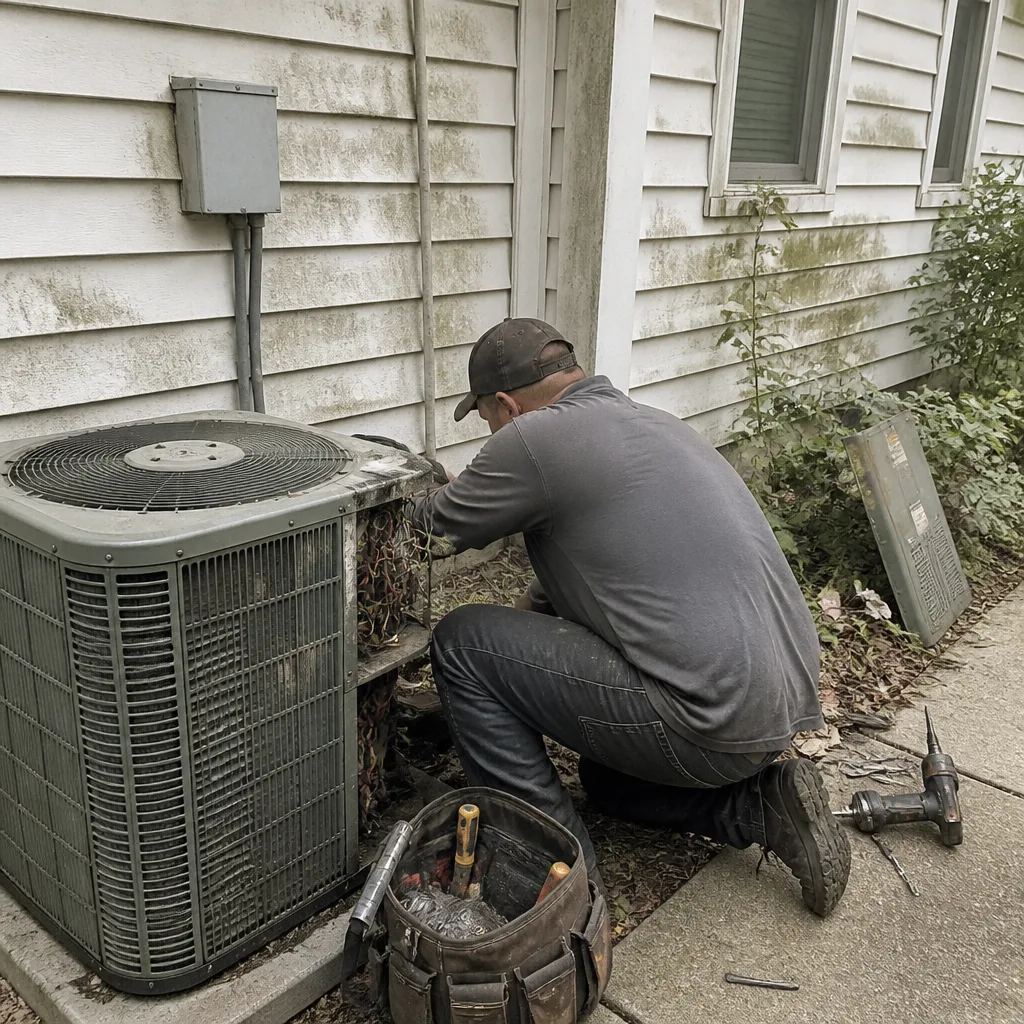 Before
 After
After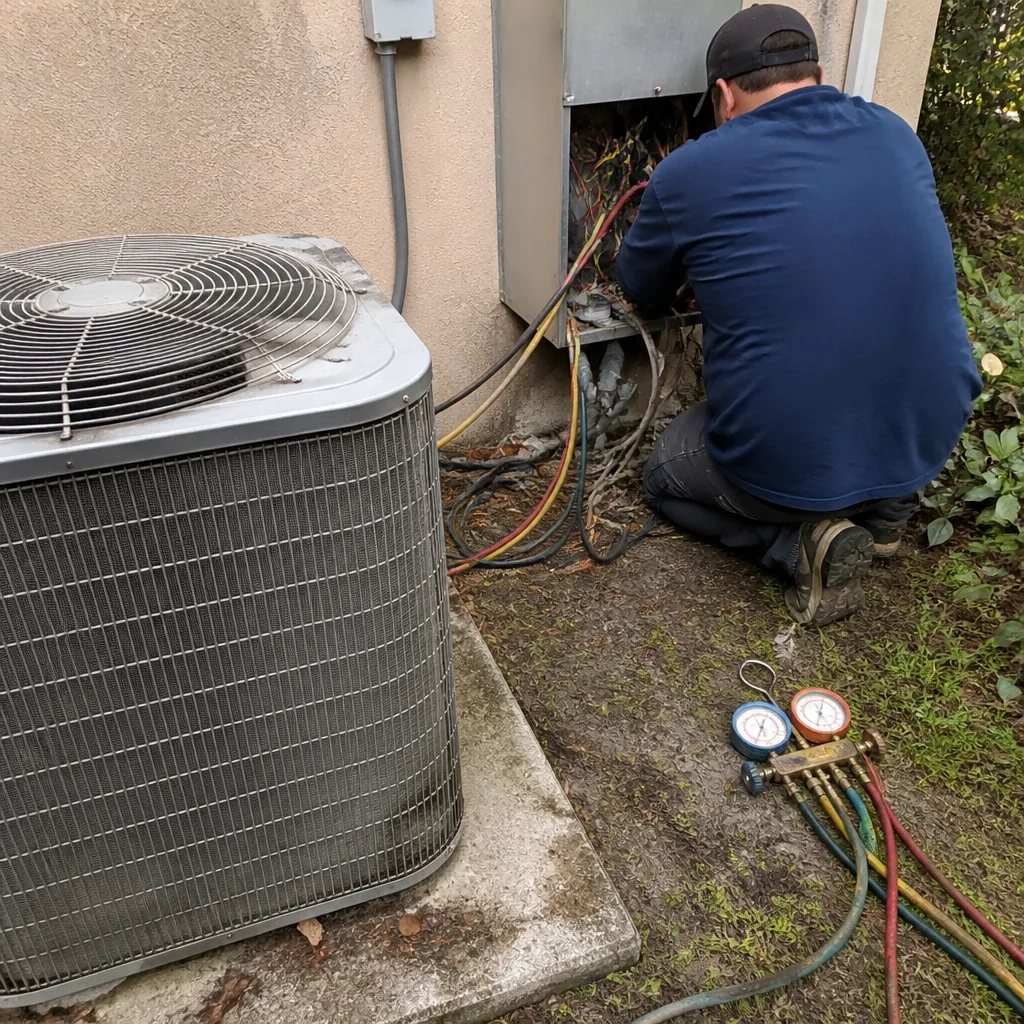 Before
 After
After