Last updated October 15, 2026







Free written scope consultation - allowances, timeline, and change-order rules on paper before a single trade is scheduled
Construction Permits, Codes & Inspections in FL: What You Need to Know
Florida is one of the few states where unpermitted work can legally transfer liability for future structural failures to you, the homeowner, even when a licensed contractor did the work. A 2023 Florida appellate ruling reinforced what real estate attorneys in Orlando have warned about for years: if the county has no record of a permit, the county often treats the current owner as the responsible party. That means a $4,000 unpermitted bathroom update can become a $40,000 remediation order at resale, long after the contractor is gone. This guide-along with our more guides & resources-explains which projects trigger permitting requirements in the Orlando area, how Florida’s 7th Edition Building Code changes your remodel scope, what inspectors actually look for, and how to protect yourself before you list your home.
Quick Answer
Florida requires a building permit for most structural, electrical, plumbing, and mechanical work, including nearly all kitchen and bathroom remodels that move walls, replace fixtures, or alter wiring. The Florida Building Code 7th Edition (2023) took effect December 31, 2023, and applies to any permit application filed after that date in Orlando and Orange County. Homeowners can pull their own permits for work on their primary residence, but doing so shifts code-compliance liability to the homeowner rather than a licensed contractor, which is why most Orlando remodelers handle permitting in-house.
Styles & brands we work with







Table of Contents
- Which Projects Require a Permit in Orange County
- Florida Building Code 7th Edition: What Changed and Why It Matters
- The Inspection Sequence for a Kitchen or Bathroom Remodel
- Unpermitted Work and the 4-Point Inspection: What Happens at Resale
- Pulling Your Own Permit as a Homeowner vs. Using a Licensed Contractor
- Orlando-Specific Permitting Notes: Climate, Wind Loads, and Local Amendments
- What Permits Cost in the Orlando Metro Area
- Common Mistakes to Avoid
- When to Call a Professional
- Frequently Asked Questions
Which Projects Require a Permit in Orange County
Orange County’s permit threshold is not a suggestion. The county and the City of Orlando both enforce the Florida Building Code, and they treat “cosmetic” and “structural” as a legal distinction, not a stylistic one. A homeowner who guesses wrong on this distinction usually discovers it at the worst moment: during a home inspection, an insurance claim, or a title search.
Here is what actually triggers a permit requirement:
- Any wall alteration. Moving a wall, removing a wall, cutting a new doorway, or widening an opening requires a permit. Drywall patching and painting do not.
- Any electrical work beyond replacing a fixture. Swapping a light fixture or outlet cover is fine. Adding a new circuit, moving an outlet, installing recessed lighting, upgrading a panel, or running new wire requires an electrical permit.
- Any plumbing work beyond replacing a fixture in place. Replacing a faucet or toilet in the same location is exempt. Moving a drain line, adding a new water supply, or relocating a fixture requires a plumbing permit.
- Water heater replacement. This always requires a permit, even a like-for-like swap. The inspection covers the relief valve, pan, and strapping. Orlando’s municipal utility also requires an inspection for gas water heaters.
- Window and door replacement when the opening changes. Same-size window replacement is generally exempt. Enlarging an opening or adding a new window requires a permit. All exterior doors, including sliding glass doors, must meet current wind-load ratings under a permit.
- Roof work over 100 square feet. Small repairs under one roofing square are typically a repair, not a re-roof. Anything larger requires a permit, and Orange County requires a dedicated wind mitigation inspection on re-roofs.
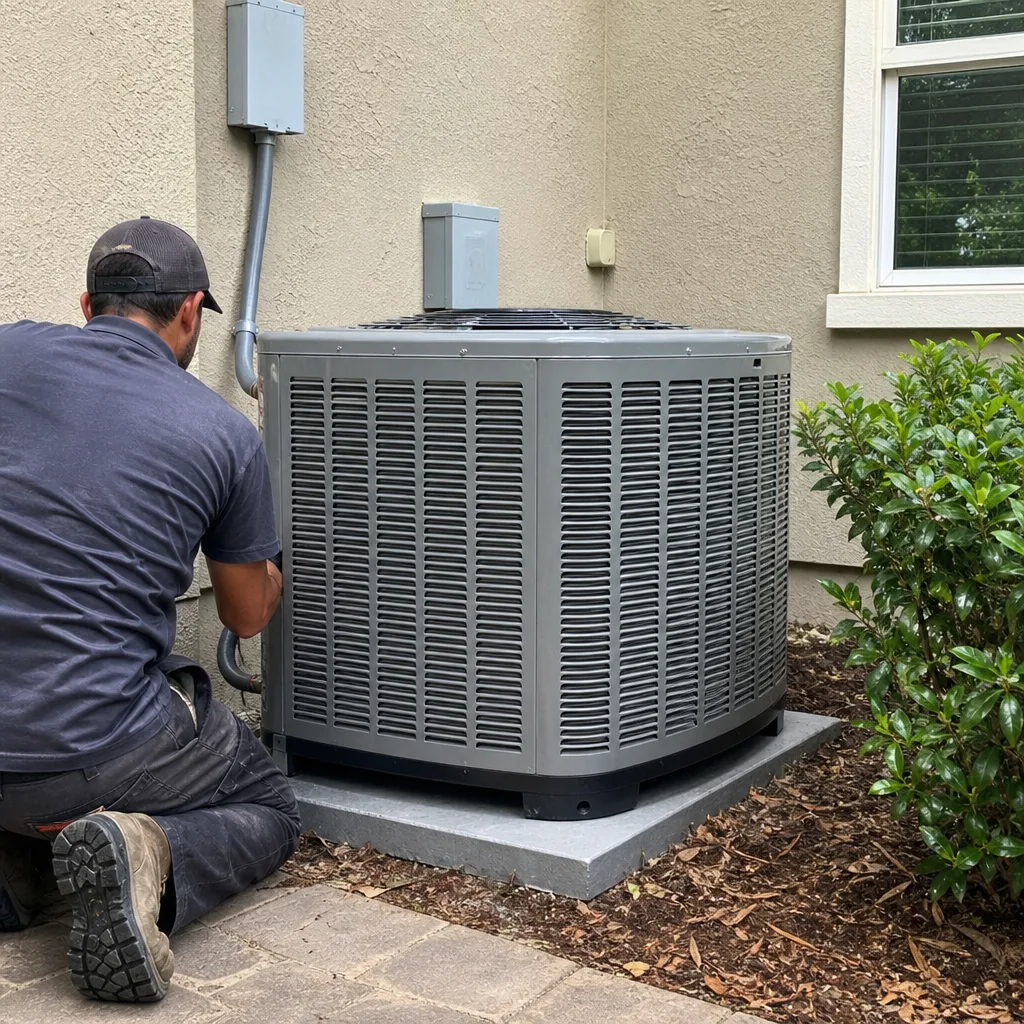
- HVAC replacement. Like water heaters, a condenser or air handler replacement requires a mechanical permit. The inspector checks refrigerant line connections, drain pan, and disconnect switches.
- Fences over 6 feet or masonry walls of any height require a zoning review. Orlando has specific setback rules in neighborhoods like College Park and Audubon Park that differ from unincorporated Orange County.
- Sheds and accessory structures over 200 square feet. A Tuff Shed under that threshold typically needs no building permit, but still requires a zoning clearance for setback compliance.
- Any work on a load-bearing element. This includes beams, headers, trusses, foundation repair, and any alteration to the roof structure. No exceptions.
The dollar-value threshold most people cite ($1,000 or $2,500) is a misreading of the code. There is no permit exemption based on project cost in Florida. A $200 electrical outlet addition still requires a permit. The cost question only matters for contractor licensing: work under $1,000 that does not require a permit may legally be performed by an unlicensed handyman in Florida, though liability for defects remains with the owner.
In our experience working with homeowners across Orlando, the projects most likely to be flagged at resale are not full additions, but small scope changes done without paper: a powder room added under a stairwell, a laundry room moved to a garage, a bathroom vanity moved to the opposite wall. See our Construction Warning Signs: A Orlando Homeowner’s Reference Guide for additional red flags. Each one relocated a drain line or a wire, and each one left zero record with the county.
Florida Building Code 7th Edition: What Changed and Why It Matters
Florida rewrote its building code after Hurricane Andrew in 1992 exposed widespread construction failures, and the state has tightened it after every major storm since. After Hurricane Ian in 2022, Florida adopted the 7th Edition (2023) of the Florida Building Code, which took effect December 31, 2023. If your permit application was filed on or after that date in Orlando, the 7th Edition governs your project.
The changes most relevant to remodeling work:
- Stronger wind-load requirements for exterior openings. Windows, doors, and skylights must now meet higher design pressure ratings, especially for homes in the “wind-borne debris region,” which includes all of Orange County. If you are replacing a sliding glass door in a 1990s Orlando home, the new code-compliant unit will cost more than a big-box equivalent, and it must be installed with the right fasteners to pass inspection.
- Tighter energy-efficiency provisions. The 7th Edition aligns more closely with the 2021 IECC. In practical terms, a kitchen remodel that moves exterior walls may trigger a requirement to upgrade insulation in those walls to current R-values, even if the rest of the house remains as-is.
- Updated structural design for concrete and masonry. For Orlando block-construction homes, the 7th Edition revised reinforcement requirements for openings cut into exterior masonry walls. If you are adding a pass-through window or a new exterior door in a block wall, the lintel and grout specifications changed under the new code.
- Revised plumbing fixture flow rates. Showerheads, faucets, and toilets must meet updated gpm and gpf ratings. This mostly matters for older homes being remodeled where original fixtures are being reinstalled or where a homeowner is sourcing vintage fixtures online.
- New requirements for photovoltaic and battery storage systems. If you are adding solar to a remodeled roof or garage, the 7th Edition has specific setback and shutoff requirements that Orlando inspectors now enforce.
What has not changed: the code still requires that all work be performed by a licensed contractor when the work requires a permit and the homeowner is not performing it themselves. Florida Statute 489.127 makes unlicensed contracting a felony in certain circumstances, and Orange County has an active enforcement arm that follows up on citizen complaints and permit-avoidance reports.
The practical takeaway for an Orlando homeowner planning a kitchen or bath remodel in 2025 or 2026: your project will likely be reviewed under the 7th Edition, and your contractor should be able to explain what that means for your specific scope before you sign. A contractor who cannot answer “which code edition governs this permit” is not pulling your permits correctly.
The Inspection Sequence for a Kitchen or Bathroom Remodel
Inspections are not optional checkpoints. They are the legal record that your work complies with the code. Skipping an inspection has the same legal effect as skipping the permit itself. Here is the typical sequence for a standard Orlando kitchen or bathroom remodel, in order:
- Permit application and plan review. Your contractor or a designer submits drawings, a scope of work, and a site plan. Orange County reviews for code compliance, zoning (setbacks), and, in flood zones, elevation requirements. Plan review for a simple bath remodel typically takes 5 to 10 business days in Orlando; for a whole-home remodel, 2 to 4 weeks is realistic.
- First inspection: rough-in. After demo and before drywall, the inspector checks framing, plumbing rough-in (drains and water lines under pressure), electrical rough-in (wiring before fixtures), and any structural changes. This is the inspection most likely to fail in Orlando: missing nail plates on studs where plumbing passes through, improperly supported drain lines, and insufficient blocking for grab bars are common failure points.
- Second inspection: insulation and mechanical. The inspector verifies insulation R-values and, if applicable, fire-rated caulking around penetrations. For kitchens, this includes the range hood exhaust and any gas line work. In Orlando, this is also when a gas line inspection is scheduled with the utility or a county gas inspector.
- Third inspection: final. The inspector checks all finished work: GFCI protection in wet areas, fixture operation, cabinet and countertop installation if a structural or plumbing element was involved, and smoke/CO detector compliance. The final inspection must pass before the permit is closed.
- Permit closure and certificate of completion. After the final passes, the county closes the permit. The closed permit is the document you will need at resale. If the permit is left open, the work is not legally complete, and the county can require the permit to be finalized before any future permits are issued on the property.
A note on who is responsible: when a contractor pulls the permit, the contractor’s license is on the line with the county. When a homeowner pulls the permit on work they are doing themselves, the homeowner is the responsible party. When a homeowner pulls a permit but a contractor does the work, Florida treats the homeowner as the “owner-builder,” and the homeowner assumes the warranty and liability obligations of a general contractor in the eyes of the state. This is a common trap we see homeowners fall into in Orlando: they save a few hundred dollars by acting as owner-builder, then discover they are legally responsible for defects, not the subcontractor who actually did the tile work. Our DIY vs Professional Construction: The Orlando Homeowner’s Decision Guide breaks down when each path makes sense.
Unpermitted Work and the 4-Point Inspection: What Happens at Resale
Most Orlando homeowners first learn about an unpermitted addition or remodel during a 4-point inspection, the document homeowners insurance carriers require on homes 20 years or older. The inspector checks the roof, electrical, plumbing, and HVAC systems, and they cross-reference observable changes against the county permit record. When a second bathroom, a kitchen island with plumbing, or an enclosed garage does not appear in Orange County’s records, the inspector flags it.
What happens next depends on the buyer’s lender and insurance carrier:
- Insurance denial or non-renewal. Many Florida carriers will refuse to write a policy on a home with significant unpermitted work, because the carrier cannot verify the work’s condition without a code inspection. For a buyer with a mortgage, no insurance means no closing.
- Reduced sale price. When unpermitted work is discovered, a buyer will typically demand either a price reduction, a seller-paid remediation, or both. We have seen square footage from an unpermitted Florida room excluded entirely from the appraised value in Orlando appraisals.
- County remediation requirements. If the county is made aware of unpermitted work, it can require the current owner to obtain an “as-built” permit. This means opening walls to expose wiring and plumbing for inspection, then closing everything back up. The cost can be high, and it falls on the seller.
- Financing complications. FHA and VA loans are stricter than conventional on unpermitted additions. Appraisers are instructed to note any addition that does not appear in public records, and lenders can condition the loan on remediation.
The remediation path for an Orlando homeowner who discovers unpermitted work before listing:
- Hire a licensed contractor to assess the work. You need to know what was actually done and whether it meets current code. A visual inspection will reveal the scope; a borescope or selective demo may be required to verify hidden conditions.
- Obtain an as-built permit from Orange County. This is a permit application for work that was already completed. The county will require the responsible contractor of record, or the owner as owner-builder, to bring the work to current code before it will pass inspections.
- Open walls and correct deficiencies. Anything not code-compliant must be corrected. This often means upgrading electrical, adding blocking, or reworking plumbing to meet current standards.
- Pass the required inspections and close the permit. Once the as-built permit is closed, the work is legal, and the county record is updated.
The cost of doing this before you list is almost always lower than the price reduction a buyer will demand at the negotiating table. And it removes the seller’s disclosure liability: in Florida, sellers are legally required to disclose unpermitted work to buyers. Failing to do so is actionable fraud.
Pulling Your Own Permit as a Homeowner vs. Using a Licensed Contractor
Florida law allows a homeowner to act as their own contractor (“owner-builder”) on their primary residence, pulling permits and performing or supervising the work themselves. The state grants this right with a specific warning: the homeowner assumes all duties and liabilities of a licensed contractor, including warranty obligations and construction-defect liability.
What homeowner permits require:
- Proof of homestead exemption or primary residence. You cannot pull an owner-builder permit on a rental property, investment property, or a home you are flipping.
- The same drawings and submittals as a contractor. Orange County does not have a lower documentation bar for homeowners. You submit the same plans, pay the same fees, and schedule the same inspections.
- An owner-builder disclosure statement. You will sign a document acknowledging that if you sell the home within 12 months, the buyer may have a claim against you for construction defects.
- Direct supervision of all subs. If you hire a plumber or electrician as an owner-builder, you coordinate their work, their schedules, and their liability. They work for you, not for a general contractor, and you bear the responsibility for their code compliance.
The contractor path is different in one key way: when a licensed contractor pulls the permit, the contractor’s license, insurance, and bond stand behind the code compliance of the work. The contractor’s workers’ compensation covers injuries on the job. The contractor’s liability insurance covers defective work. The homeowner’s exposure is limited to the contract terms.
At Mason Remodeling Co Orlando home, we handle permitting on every project, as our standard practice. The permit is in our name, the inspections are scheduled by our team, and the closed permit is delivered to the homeowner at project completion, along with the written guarantee. That division of risk is part of why most Orlando homeowners choose a licensed contractor for any remodel that moves a wall, a drain, or a wire.
Orlando-Specific Permitting Notes: Climate, Wind Loads, and Local Amendments
Orlando sits in a humid subtropical climate with a hurricane exposure factor that shapes the building code in specific ways. The local amendments and enforcement patterns in Orlando and Orange County differ from Miami-Dade or the Panhandle, and a homeowner who reads generic Florida advice may miss the local layer.
What Orlando homeowners specifically face:
- Wind-borne debris requirements apply to all residential construction. Orange County is entirely within the wind-borne debris region. Any new window, door, or skylight must be impact-rated or protected by shutters. This is enforced at the plan review stage, not just at inspection.
- Moisture and mold concerns affect inspection priorities. Orlando’s humidity means inspectors pay close attention to bathroom exhaust fans, kitchen range hoods, and any exterior wall penetration that could admit moisture. A bathroom remodel in Orlando is more likely to be flagged for inadequate ventilation than a similar remodel in a drier climate.
- Termite protection requirements. Florida law requires termite protection on new construction and substantial remodels. If your remodel exposes sill plates or framing, the inspector will verify that termite treatment is current. In Orlando, the standard is a soil treatment plus a wood-destroying organism (WDO) inspection report.
- Municipal vs. county jurisdiction. If you live inside Orlando city limits, you pull permits through the City of Orlando. If you live in unincorporated Orange County (which includes many neighborhoods with Orlando mailing addresses, like Pine Hills, Azalea Park, and parts of the Conway area), you pull permits through Orange County. The two jurisdictions have different online portals, different fee schedules, and slightly different inspection scheduling systems.
- Historic district overlays. Orlando has several historic districts (Lake Eola Heights, Lake Cherokee, and others) where exterior changes require additional design review beyond the building permit. Interior remodels are generally not affected, but any exterior modification, including window replacement and fencing, must clear the Historic Preservation Board.
A local contractor’s value in this system is not just doing the work. It is knowing which jurisdiction applies, which amendment governs, and which inspector is strict about which detail. For a General Contractor in Orlando, that local knowledge is part of what you are paying for when the written price includes permit management.
Material choice interacts with code too. For exterior projects, James Hardie fiber cement siding is a common Orlando choice because it carries a wind-load rating that satisfies the 7th Edition and resists the moisture cycling that wrecks cheaper products in Florida’s humidity. On interior remodels, KraftMaid cabinetry arrives with installation specifications that align with current code requirements for wall anchoring and clearance.
What Permits Cost in the Orlando Metro Area
Permit fees in Orlando and Orange County are based on the valuation of the work, not a flat fee. The more your remodel costs, the more the permit costs. Here is a realistic range for common projects, based on current Orange County and City of Orlando fee schedules:
- Bathroom remodel (cosmetic, no wall moves): $180 to $450. Typically includes plumbing fixture swaps and maybe an electrical outlet addition if covered under a combined permit.
- Kitchen remodel with wall removal: $450 to $1,200. Includes plan review, structural review, and all MEP (mechanical, electrical, plumbing) sub-permits.
- Whole-home remodel or major addition: $1,500 to $6,000+. The range is wide because valuation drives the fee, and plan review on a large scope adds real cost. A whole-home remodel of a 2,500 square foot Orlando home will generally be at the higher end.
- Window or door replacement (impact-rated, whole house): $300 to $800. The permit is typically a simple residential window/door permit, but the wind-load documentation takes time.
- Water heater replacement: $75 to $200. Trades permits are the cheapest to pull and the most commonly skipped, which is a mistake: insurance claims on water heater failures are routinely denied when no permit exists.
- Re-roof: $350 to $900. Orange County charges a separate fee for the mandatory wind mitigation inspection.
These figures are for the permit fees only. They do not include the contractor’s time for scheduling inspections, meeting the inspector on site, and managing any corrections. Contractors typically include permit management as a line item, and you should expect it. A contractor who quotes a price without mentioning permit costs is either building permit fees into the price invisibly (fine) or not planning to pull the permit (not fine).
As a reference point, our Bathroom Remodeling in Orlando projects include all permit fees and inspection coordination in the written fixed price, stated as a line item, before any work starts. Nothing about the permit is hidden, and nothing is added later.
Common Mistakes to Avoid
- Treating “cosmetic” as a get-out-of-permit-free card. A kitchen that moves a sink from an island to the wall is not cosmetic because it repositions a drain line. Orlando inspectors see this attempted distinction constantly, and it fails.
- Pulling a permit as owner-builder and then hiring an unlicensed “helper” to do the work. If that helper is injured on your property, your homeowners policy may not cover the claim because the work was conducted under your permit. The owner-builder path carries real liability.
- Skipping the water heater or HVAC permit because it is “just a swap.” These are the permits most tied to insurance coverage. A claim for a water heater leak or an AC fire is easily denied when no permit is on file in Orange County.
- Not updating the county record after a permitted remodel. If the permit was pulled but never closed because the final inspection was missed, the county shows an open permit. Open permits block future permits and become a title issue at sale.
- Trusting a low bid that “includes permits” without seeing the permit number. Before work starts, ask for the permit application number. If there is no number, the contractor has not filed. You can verify any active Orlando or Orange County permit online.
- Assuming unpermitted work will not matter because you “are not selling anytime soon.” Insurance renewal, refinancing, and property tax appeals all interact with the permit record. The exposure is not limited to resale.
- Doing the work yourself because a YouTube video made it look simple. Electrical and plumbing code failures in Orlando are frequently the result of well-intentioned DIY work done without knowing the current code. A homeowner who wires a GFCI incorrectly has created a safety hazard and a code violation, not a workaround.
When to Call a Professional
Permits are the least expensive part of a remodel and the most consequential. The moment to bring in a professional is before you make decisions that a permitting office will review later. If your project involves moving a wall, relocating a kitchen sink or bathroom fixture, adding electrical circuits, or any change to the exterior envelope, you need a licensed contractor who can pull the permit, manage the inspections, and stand behind the code compliance in writing. Use our General Contractor Maintenance Checklist for Orlando Homeowners to vet candidates before you hire. This is particularly true for Orlando homes built before the 2001 code adoption, where original work may not have been inspected to any meaningful standard.
For a Home Remodeling in Orlando, Mason Remodeling Co Orlando offers free estimates and handles permits as a standard part of every project, not an add-on. Our team is part of the Threshold Group family of home-service companies, and every crew member who arrives on your property is identity-verified, background-checked, uniformed, and introduced by name and photo before the visit. Call (850) 920-7745 for a written, no-surprise estimate on your remodel.
Frequently Asked Questions
No. Painting, flooring, cabinet refacing, countertop replacement, and same-location fixture swaps are exempt from permit requirements. Any work that moves a wall, relocates a fixture, alters wiring, or changes the building envelope requires a permit. When in doubt in Orlando, call the permitting office or a licensed contractor before you start.
Simple trade permits (water heater, HVAC, minor electrical) are usually approved within 1 to 3 business days. A bathroom or kitchen remodel with structural changes typically takes 5 to 10 business days in plan review. Whole-home remodels can take 2 to 4 weeks. Call us at (850) 920-7745 and we can tell you what timeline to expect for your specific scope.
You are legally required to disclose it. If a buyer discovers it anyway, through a title search or 4-point inspection, the sale price typically drops, the lender may require remediation before closing, and your insurance carrier may refuse to renew. The cost of pulling an as-built permit before listing is almost always lower than the price cut at the negotiating table.
Yes, for your primary residence. You sign an owner-builder disclosure, and you assume all the duties and liabilities of a general contractor, including defect liability if you sell within 12 months. For most remodels involving structural or MEP work, hiring a licensed contractor is the lower-risk path.
Bathroom remodel permits in Orlando and Orange County run roughly $180 to $450 for cosmetic remodels without wall moves, based on project valuation. Structural changes increase the fee. Permit fees are included in our written fixed price for every Mason Remodeling Co bathroom remodel.
The 7th Edition (2023) Florida Building Code took effect December 31, 2023, and governs any permit application filed after that date in Orlando. It raised wind-load requirements for windows and doors, tightened energy-efficiency standards, and updated structural provisions for masonry alterations. A contractor who cannot explain which code edition governs your permit is a red flag.
The Bottom Line

Florida’s permit system exists because the state has learned, through hurricanes and construction failures, that paper trails protect homeowners. The permit is not a tax; it is the legal shield that prevents you from inheriting liability for someone else’s shortcut. In Orlando, where humidity accelerates moisture problems and wind codes are enforced strictly, that shield matters more than in most places. Get the permit. Get the inspections. Get the closed permit delivered in writing. And when you hire a contractor, make “who is pulling the permit” a question you ask before you sign anything. The answer tells you more about the contractor’s standards than any marketing claim.
Written by Isaac Pruett, Owner at Mason Remodeling Co Orlando, serving Orlando since 2004.
See the difference
 Before
 After
After Before
 After
After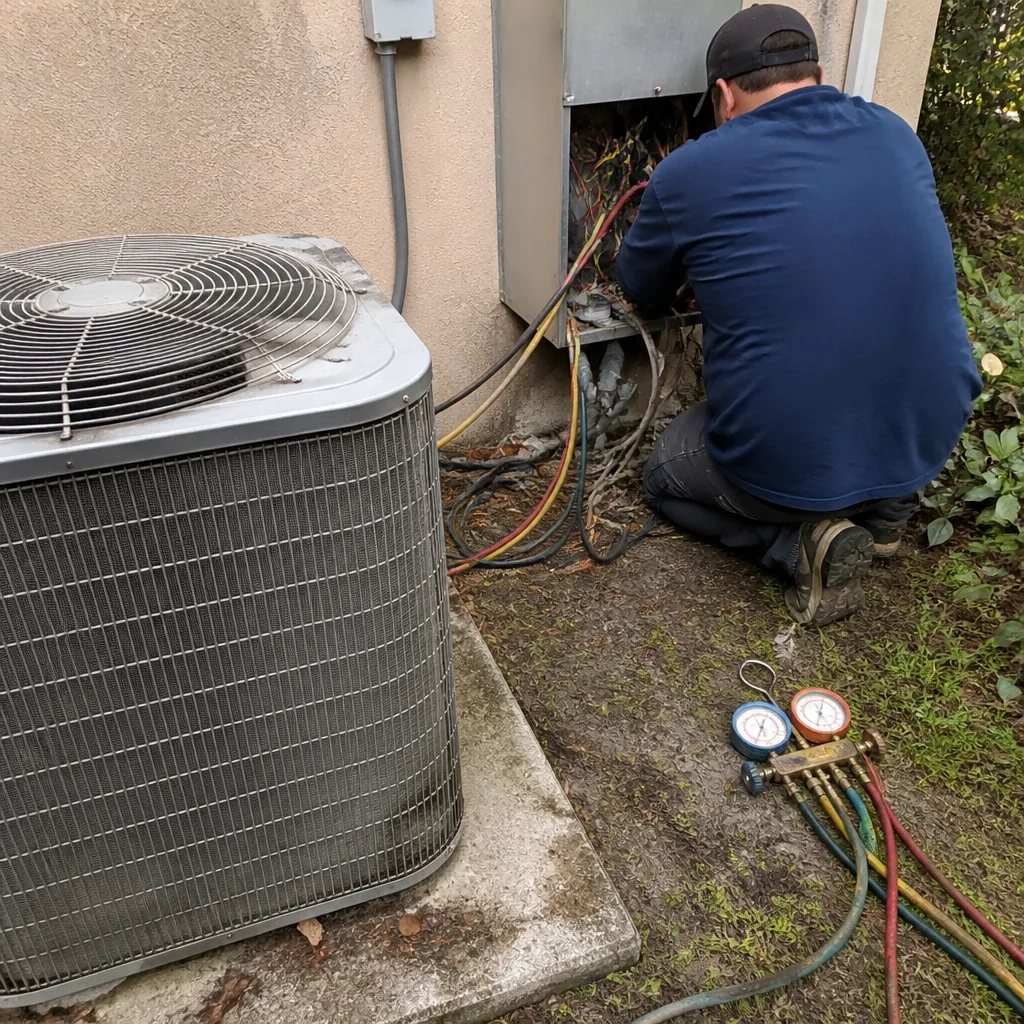 Before
 After
After