Last updated October 15, 2026




Free written scope consultation - allowances, timeline, and change-order rules on paper before a single trade is scheduled
Construction Cost Breakdown: The Orlando Homeowner’s Reference for 2026
The average Orlando kitchen remodel quote increased 22% between 2022 and 2025 – but only 11% of that increase came from material costs. The rest is labor scarcity and compliance line items that a detailed written contract can make visible before you sign. If you’re planning a remodel in 2026, the numbers you see online from national sources won’t match what Orlando contractors actually quote. This guide breaks down where every dollar goes across kitchen, bathroom, and whole-home projects in Orange County, using 2026 labor rates, current Florida code requirements, and real-world pricing patterns we see on job sites across the city. You’ll learn which cost categories are fixed by law, which are negotiable, and how to read a contractor quote so you can compare apples to apples before committing.
Styles & brands we work with


Quick Answer
A mid-range kitchen remodel in Orlando runs $48,000 to $85,000 in 2026, a bathroom remodel runs $22,000 to $42,000, and a whole-home remodel on a 2,000-square-foot house typically lands between $140,000 and $260,000. Labor now accounts for roughly 52% of total project cost in the Orlando metro, up from 41% in 2020. Permit fees, inspection costs, and Florida-specific code compliance items like hurricane-rated window openings and waterproofing add a non-negotiable 6% to 9% on top of the construction budget, regardless of which contractor you choose.
Table of Contents
- What’s Actually Driving Orlando Remodel Costs in 2026
- Kitchen Remodel Cost Breakdown: Line by Line
- Bathroom Remodel Cost Breakdown: Line by Line
- Whole-Home Remodel Cost Breakdown in Orlando
- Non-Negotiable Costs: Florida Code, Permits, and Inspections
- How to Compare Two Orlando Contractor Quotes
- The Real Cost of Change Orders
- Where Orlando Homeowners Overspend and Underspend
- Common Mistakes to Avoid
- When to Call a Professional
- Frequently Asked Questions
- The Bottom Line
What’s Actually Driving Orlando Remodel Costs in 2026
Three forces are pushing Orlando remodeling prices higher in 2026, and none of them show signs of reversing soon. Understanding these levers helps you see which parts of a quote are market-driven versus which parts are contractor choices.
Post-Ian material supply shifts. Hurricane Ian didn’t just damage homes – it reset Florida’s building material pipeline. Roofing underlayment, impact-rated windows, and treated lumber all get pulled toward storm-recovery markets when a major storm hits the Gulf or Atlantic coast. Orlando sits inland enough to avoid direct hits, but close enough to compete with Tampa, Fort Myers, and Daytona for the same supply. A Category 3 or higher storm anywhere in the state adds 4% to 7% to material pricing in Central Florida for 8 to 12 months afterward. In 2026, we’re still seeing the ripple effects of the 2024 hurricane season on window lead times, particularly for PGT and CGI impact-rated units that carry 10-to-14-week factory backlogs.
A tightened skilled-labor pool. Florida’s population grew by over 400,000 people per year between 2021 and 2025, but the number of licensed general contractors in Orange County grew by less than 2% annually over the same period. That imbalance means carpenters, electricians, plumbers, and tile setters can command higher wages. Labor rates for licensed trades in Orlando now run $85 to $140 per hour, up from $55 to $90 in 2020. Every project we write involves subcontractor quotes where labor is the largest single line item, and that’s true across every reputable firm in the metro.
Code updates that added mandatory scope. The 2023 Florida Building Code update – now in full enforcement as of 2025 – added several line items that didn’t exist in older projects. Whole-house surge protection is required on all new electrical service work. Bathroom exhaust ventilation must now be ducted to the exterior, not into an attic. Kitchen range hoods must vent outside. Impact-rated or shutter-protected glazing requirements tightened for any window replacement. These are not optional upgrades. They add $3,000 to $9,000 to a typical kitchen or bath remodel in Orlando, and a contractor who omits them from a quote is not saving you money – they’re setting up a red-tag fail at inspection that you’ll pay to correct later.
Our General Contractor in Orlando services have dealt with all three of these pressure points since they started reshaping the market, and the pricing data in this guide reflects what we’re actually seeing on signed contracts in 2026.
Kitchen Remodel Cost Breakdown: Line by Line
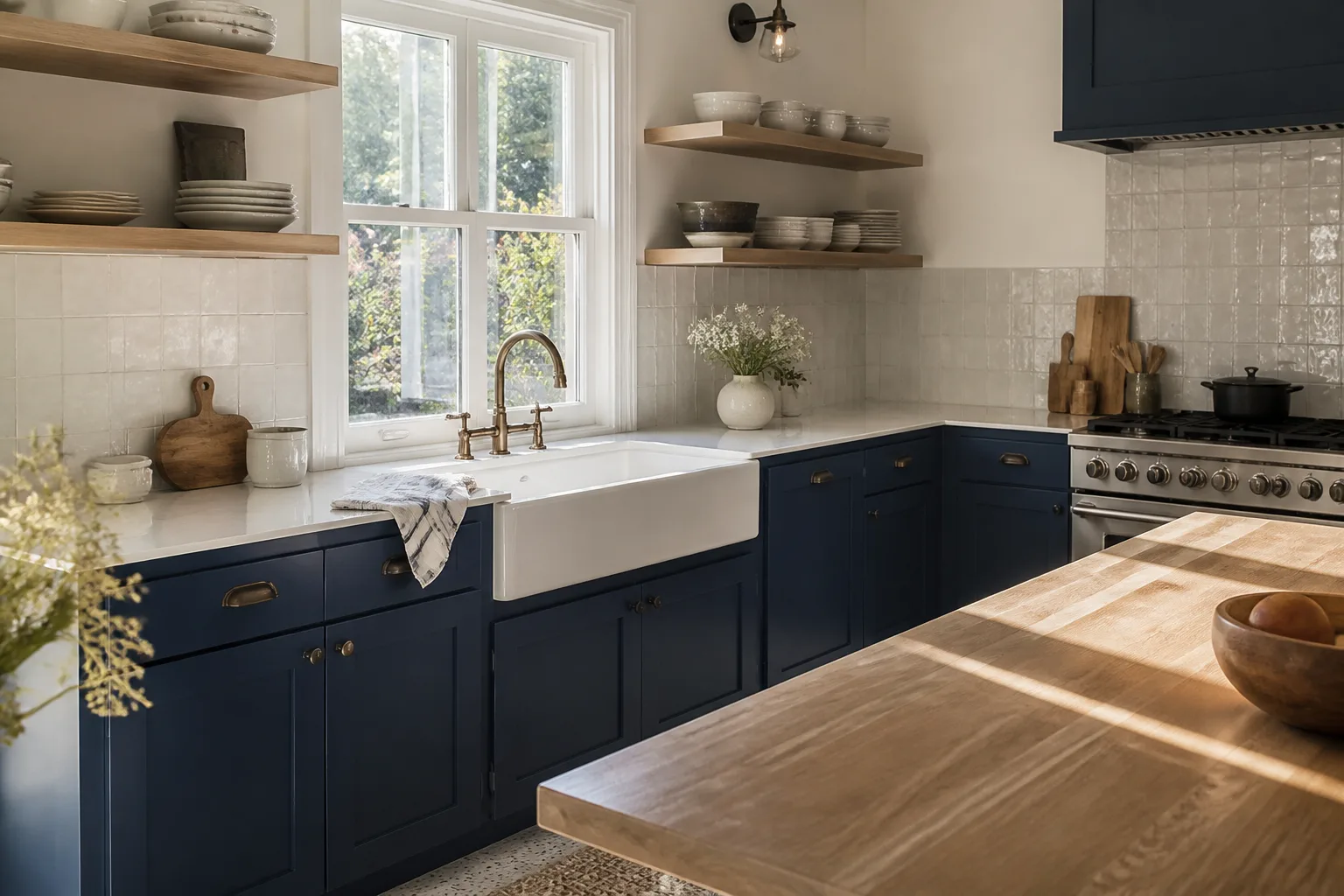
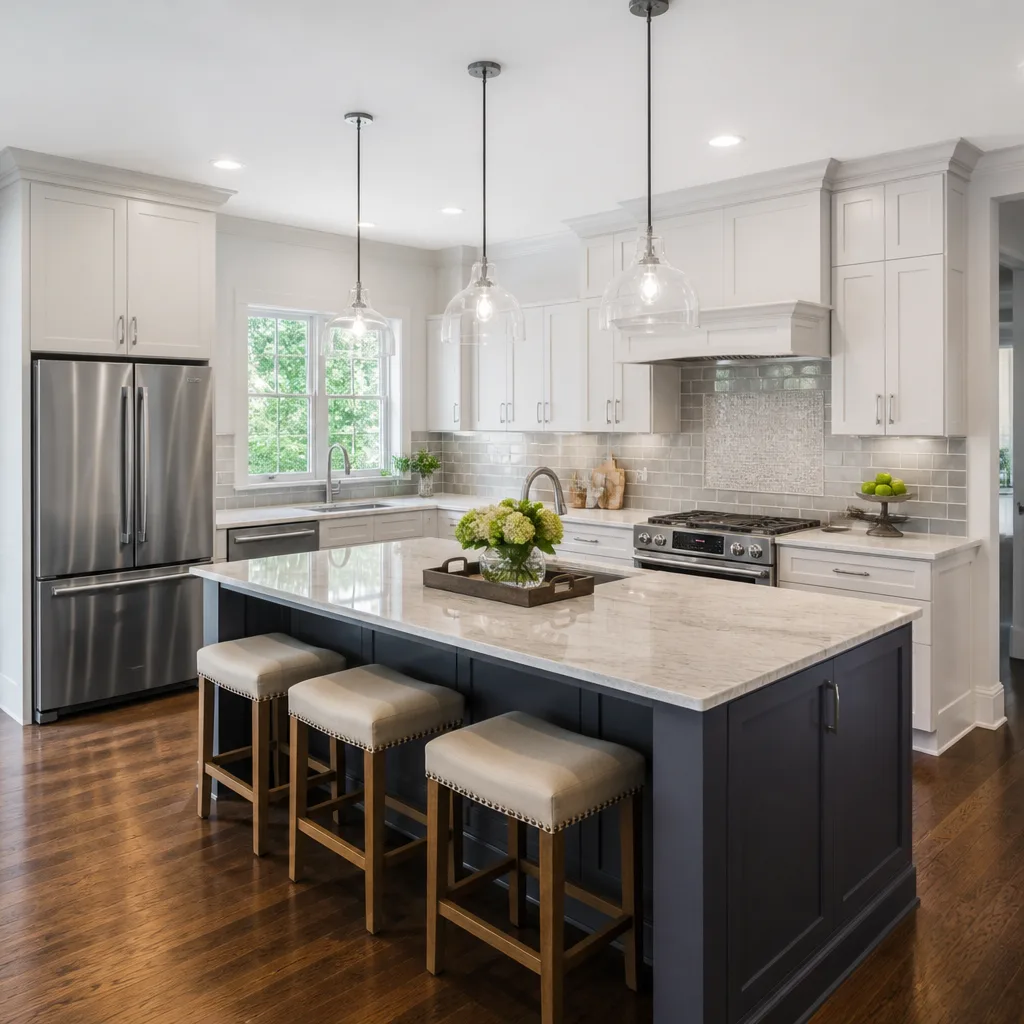
A mid-range kitchen remodel in Orlando – think a 10×12-foot galley or L-shaped kitchen with modest structural changes – lands between $48,000 and $85,000 in 2026. Here’s where the money goes.
- Cabinetry: $14,000 to $28,000 (28-33% of budget). Semi-custom lines like KraftMaid and Wellborn dominate this price band. Frameless construction, soft-close hardware, and plywood boxes (not particleboard) push you toward the upper end. Stock cabinets from big-box retailers can drop this to $8,000, but you’re trading away longevity in a humid climate where particleboard swells.
- Countertops: $5,000 to $11,000 (10-13%). Quartz from Cambria, Silestone, or Caesarstone runs $75 to $125 per square foot installed in Orlando. Granite is slightly cheaper at $60 to $100. A 40-square-foot kitchen with a 10-square-foot island puts you in the $5,000 to $7,000 range before edging upgrades.
- Appliances: $6,000 to $15,000 (12-17%). Mid-range stainless packages (GE Profile, Bosch 500 series, KitchenAid) run $6,000 to $9,000. Step up to panel-ready built-ins or pro-style ranges and you’re at $12,000 to $15,000 before installation. Remember: the 2023 code requires ducted range hoods, so add $800 to $1,800 for venting that’s now mandatory.
- Plumbing: $3,000 to $6,000 (6-7%). Moving a sink line, adding a pot filler, or re-routing drain lines all fall under this bucket. If your 1980s-era Orange County home has cast-iron drain pipes, expect $1,500 to $3,000 in unexpected replacement work once walls are open.
- Electrical: $4,000 to $8,000 (8-10%). Kitchen remodel electrical includes GFCI circuits, dedicated lines for appliances, LED can layout, under-cabinet lighting, and the now-mandatory whole-house surge protector. Homes built before 1990 often need a panel upgrade, adding $2,500 to $4,500.
- Flooring: $2,500 to $5,500 (5-6%). Porcelain tile runs $8 to $14 per square foot installed. Luxury vinyl plank is $5 to $9. Hardwood in a kitchen is possible but risky in Florida humidity; if you do it, budget for a moisture barrier.
- Drywall, paint, and backsplash: $3,500 to $6,500 (7-8%). Backsplash tile alone is $900 to $2,200 for a typical 25-square-foot run using mid-grade ceramic or porcelain.
- Demolition and disposal: $1,800 to $3,500 (3-4%). Orlando landfill tipping fees for construction debris rose in 2024, and hauling costs follow diesel prices. This line item rarely changes regardless of contractor.
- Design and project management: $3,000 to $7,000 (6-8%). Some contractors bundle this into their margin. Others charge separately. Either way, you’re paying for someone to pull permits, schedule inspections, coordinate subcontractors, and manage the punch list.
- Permits and inspections: $1,200 to $2,800 (2-3%). Orange County building permit fees for a kitchen remodel with electrical, plumbing, and mechanical work typically run $800 to $1,800, plus re-inspection fees if anything fails the first pass.
One number worth highlighting: in Orlando, the demolition line item should never be more than 4% of your total budget. If a contractor quotes demo at $6,000 for a kitchen with no structural wall removal, ask for a breakdown. Someone’s padding the bill.
For a more detailed look at kitchen-specific planning, our Home Remodeling in Orlando page walks through scope decisions that affect these numbers, including layout changes and island work.
Bathroom Remodel Cost Breakdown: Line by Line
A full bathroom remodel in Orlando runs $22,000 to $42,000 in 2026, with hall bathrooms at the lower end and primary baths with curbless showers at the upper end. The line-item breakdown looks different from kitchens in one major way: waterproofing and ventilation are where you cannot afford to cut corners in Central Florida’s humidity.
- Demolition and rough prep: $1,500 to $2,800 (6-7%). Removing old tile, a cast-iron tub, or a fiberglass shower pan is straightforward labor. Budget more if your home has a concrete slab foundation – breaking through slab to move drain lines is $1,200 to $2,500 by itself.
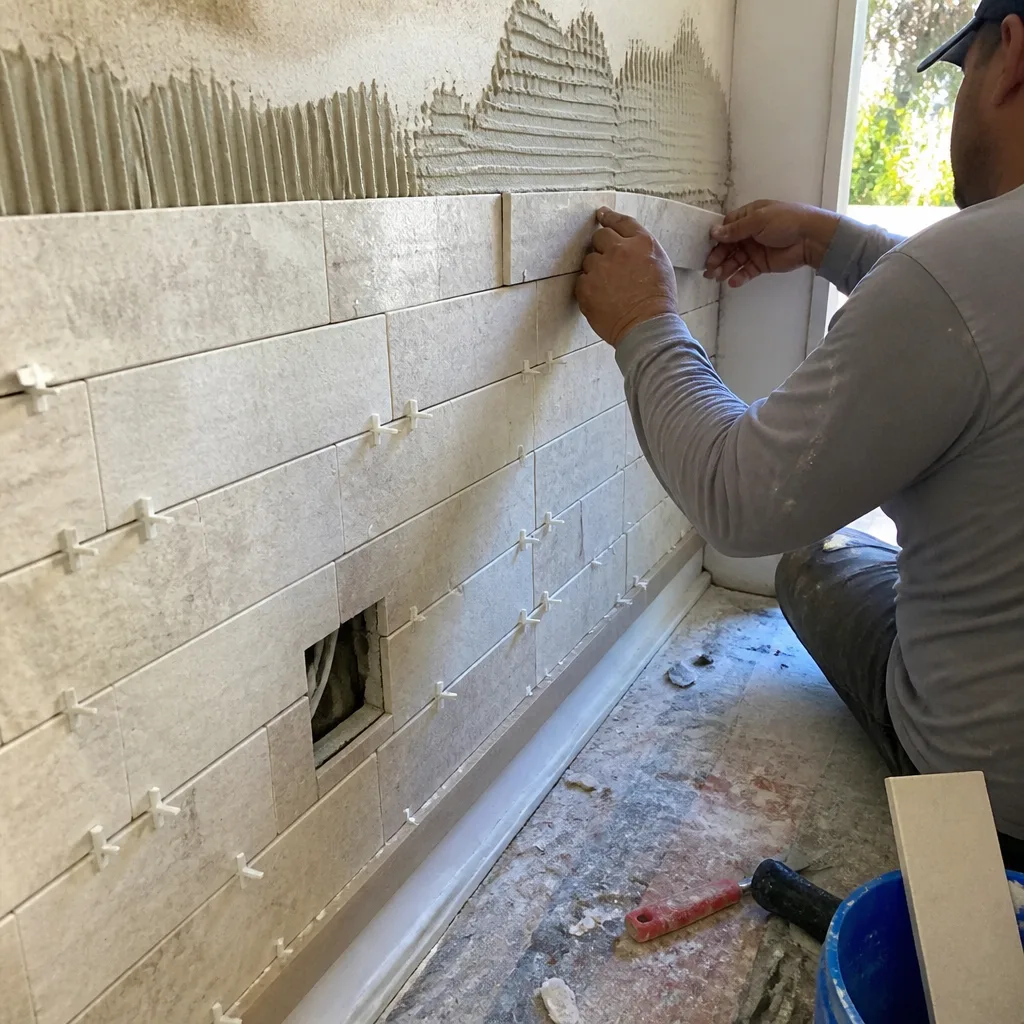
- Shower and tub waterproofing: $3,000 to $6,500 (13-15%). This is the line item that separates a 5-year bathroom from a 20-year bathroom. Florida code (FBC Section R702) now requires full waterproofing behind shower enclosures – tile backer board and waterproof membrane, not green drywall. A Schluter strip – the metal trim that seals the edge where tile meets flooring – alone runs $60 to $120 per unit, and a typical shower needs 6 to 10 units. This is one of the highest-value places to spend money in an Orlando remodel.
- Tile and setting materials: $4,000 to $9,000 (18-21%). Large-format tile is popular but labor-intensive. Porcelain runs $7 to $15 per square foot installed for standard formats; large-format (24×48-inch) runs $12 to $22 due to surface prep and handling labor. Natural stone adds 20% to 30%.
- Vanity and countertop: $2,500 to $5,500 (11-13%). A 48-to-60-inch vanity from a mid-grade line runs $800 to $1,800, with quartz tops at $800 to $1,500 installed.
- Fixtures: $1,800 to $4,500 (8-10%). Kohler, Moen, and Toto dominate this range. A quality wall-mount faucet with pressure-balanced valve runs $300 to $600. A comfort-height toilet with elongated bowl runs $350 to $800. Thermostatic shower systems push beyond $1,000.
- Plumbing: $2,500 to $5,000 (11-12%). Moving a drain in a slab foundation is the single most expensive plumbing task in a bathroom remodel. Keeping the toilet, sink, and shower in the same locations saves $1,500 to $3,000.
- Electrical: $1,800 to $3,500 (8%). Code requires GFCI protection on all bathroom receptacles, a dedicated circuit for a hydro-massage tub if installed, and exhaust ventilation ducted to the exterior – no attic termination. This last item catches many older Orlando homes off guard, since pre-2000 construction often vented into the attic.
- Ventilation: $500 to $1,200 (2-3%). A Panasonic Whisper or equivalent exhaust fan with a 4-inch duct run to a soffit or roof vent. Cheap fans that terminate in the attic cause mold on Florida in a matter of months. This is a non-negotiable line item in our estimates.
- Permits and inspections: $700 to $1,500 (3%). Orange County fees for bathroom remodel work with plumbing and electrical are lower than kitchen permits, but still required. Unpermitted bathroom work is one of the most common title issues we see when Orlando homes are sold.
What’s the single most expensive decision in a bathroom remodel? Moving plumbing in a slab. In neighborhoods like Conway, College Park, and Audubon Park where homes sit on slabs, relocating a toilet or shower drain means cutting concrete. The cost difference between “keep the fixtures where they are” and “move the shower to the other wall” is routinely $3,000 to $5,000 in Orlando. That’s a design decision, not a contractor markup – and a good remodeler will tell you before you fall in love with a layout.
For a focused look at bathroom scoping and what goes into a realistic budget, see Bathroom Remodeling in Orlando.
Whole-Home Remodel Cost Breakdown in Orlando
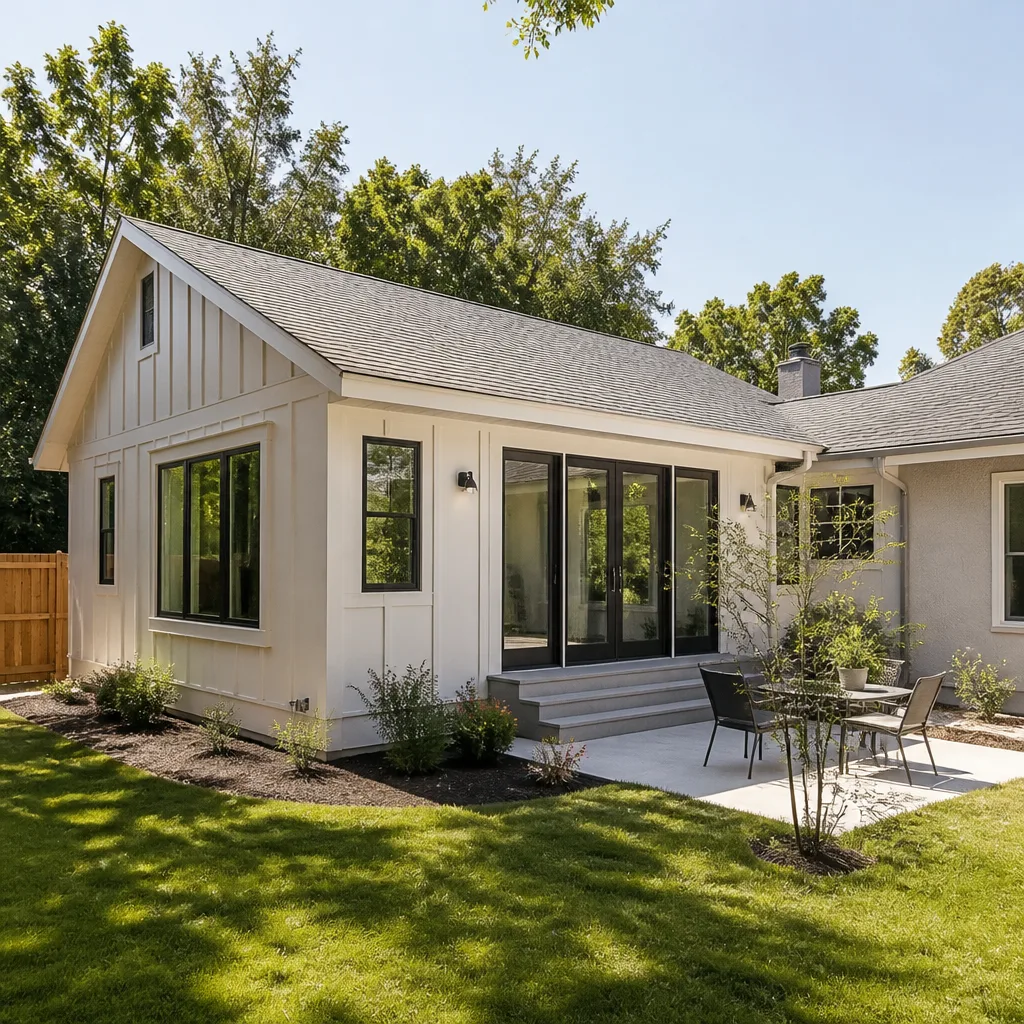
A whole-home remodel on a 2,000-square-foot Orlando house – essentially taking the structure down to studs in multiple rooms while staying within the existing footprint – runs $140,000 to $260,000 in 2026, or $70 to $130 per square foot. The range is wide because the condition of 1970s and 1980s homes in neighborhoods like Azalea Park, Dover Shores, and Pine Hills varies wildly. Here’s how the budget splits.
- Shell and structure: $18,000 to $35,000 (12-14%). Roof repairs or replacement, framing corrections, window and door openings, hurricane retrofits. If your home needs a full re-roof with GAF or CertainTeed shingles, add $12,000 to $22,000 for a 2,000-square-foot home. Impact windows from PGT or CGI run $18,000 to $40,000 for a whole-house replacement depending on opening count and style.
- Mechanical systems: $25,000 to $50,000 (18-20%). Full HVAC replacement (3.5-ton unit with ductwork) runs $9,000 to $15,000. A 200-amp electrical panel upgrade with new wiring in a 1970s home runs $12,000 to $20,000. Whole-house re-pipe with PEX runs $8,000 to $14,000. If you’re doing all three, you’re at the top of this range.
- Kitchen (within whole-home scope): $45,000 to $70,000 (30-32%). The same line items from the kitchen section above, but with rougher demo conditions because the rest of the house is under construction too.
- Bathrooms (two full baths typical): $40,000 to $65,000 (28-30%). Primary bath at $28,000 to $42,000 plus a hall bath at $15,000 to $25,000.
- Flooring throughout: $10,000 to $22,000 (7-8%). For a 2,000-square-foot home with a mix of porcelain tile in wet areas and luxury vinyl plank or engineered hardwood elsewhere.
- Drywall, paint, trim: $12,000 to $20,000 (8-9%). Level-5 finish in main living areas adds $1,500 to $3,000 but gives the cleanest look under LED lighting.
- Permits, plans, and design: $6,000 to $14,000 (4-5%). Whole-home remodels in Orlando require architectural drawings stamped by a Florida-licensed engineer or architect, plus multiple trade permits. This line item is larger than on single-room work because of the plan review cycle.
Whole-home work is where the written price matters most. A project of this scope moves through phases over 6 to 14 months in the Orlando market, and every decision made after the contract signing becomes a change order – which brings us to the cost category most homeowners don’t budget for at all: changes.
Non-Negotiable Costs: Florida Code, Permits, and Inspections
In Orlando, certain remodel costs are established by law and regulation, not negotiation. A contractor who quotes you without these items is either planning to work without permits or planning to hit you with a change order later. Here’s what’s fixed.
Permit fees. Orange County Building Division charges based on project valuation. A $50,000 kitchen remodel typically carries $800 to $1,500 in building, electrical, plumbing, and mechanical permit fees. The City of Orlando (for homes within city limits) has its own fee schedule, generally $700 to $1,400 for comparable work. These fees are public record – you can look them up. They are non-negotiable.
Inspection costs. Each permit requires inspections: rough-in for electrical and plumbing, framing inspection before drywall, insulation inspection, final inspection. Most municipalities include the first inspection in the permit fee and charge $75 to $150 per re-inspection. Failed inspections are the hidden cost in this category. In our experience across Orange County, the most common failed inspection on remodels is bathroom exhaust venting – usually because the installer terminated the duct in the attic to save an hour of labor. Fixing it after the fact costs $400 to $900 and delays the project a day or two.
Florida Building Code line items. The 2023 FBC added several mandatory items that directly affect your remodel budget:
- Whole-house surge protection on electrical service work: $300 to $600 installed
- Ducted range hoods (no recirculating hoods on new installs): $800 to $1,800 with vent run
- Bathroom exhaust ducted to exterior: $500 to $1,200 per bathroom
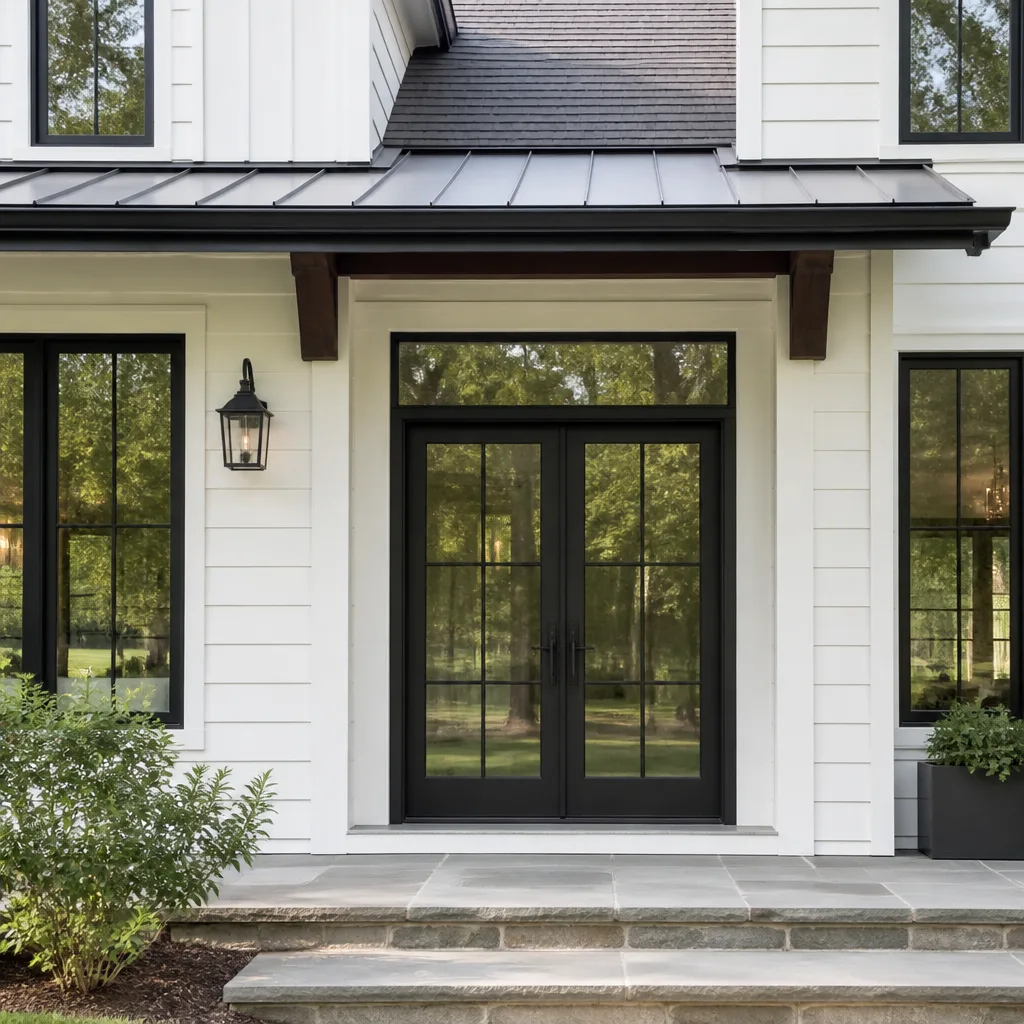
- Impact-rated or shutter-protected glazing on window and door replacements: $500 to $1,800 per opening beyond standard units
- GFCI protection updates on all kitchen and bath circuits touched during remodel: $200 to $500 in materials and labor
These are not contractor profit centers. They’re the cost of doing legal work in Florida. The decision point for you is not whether to pay for them, but whether the contractor’s quote makes them visible before you sign. In our estimate format, every one of these line items is written out – the Threshold Standard we hold across all locations means a written price is delivered before any work starts, on every project.
If you want to understand what general contracting in Orlando actually involves day to day – permits, inspections, trade coordination – that’s exactly what the General Contractor in Orlando page covers.
How to Compare Two Orlando Contractor Quotes
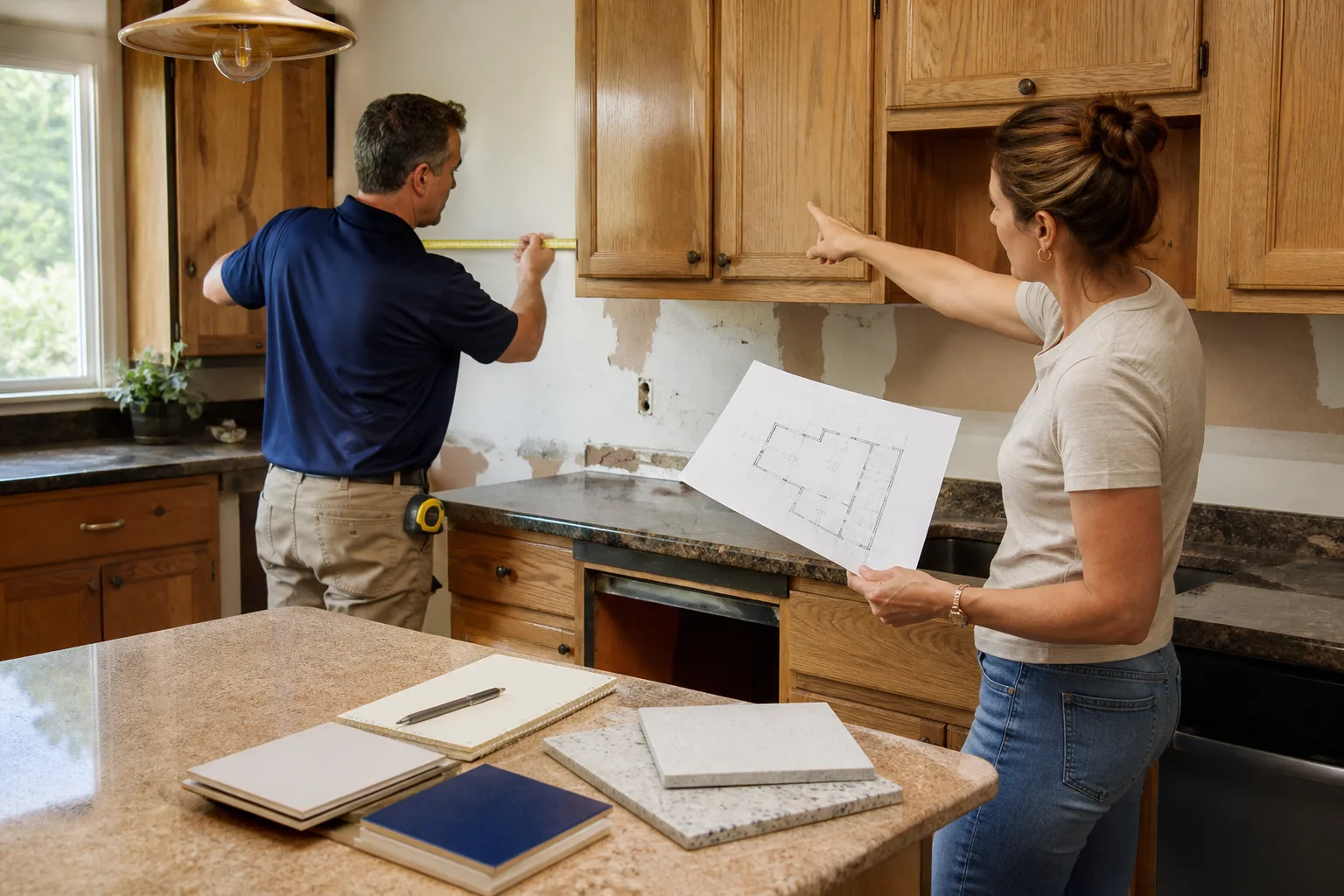
Two contractors can quote $60,000 and $75,000 for what looks like the same kitchen remodel in Orlando. The difference usually isn’t profit margin – it’s scope clarity. Here’s how to read both quotes side by side.
- Put the line items side by side. Every quote should break down into the same categories: demo, rough plumbing, rough electrical, drywall, cabinetry, countertops, tile, fixtures, paint, permits. If one quote omits a category entirely, ask why. It’s probably a future change order, not a savings.
- Check the allowance strategy. Contractors use allowances for fixtures, tile, and faucets when the homeowner hasn’t picked them yet. A $2,000 plumbing fixture allowance versus a $6,000 fixture allowance explains a $4,000 swing between quotes for the same physical work. The honest quote will tell you what the allowance covers and what happens when you exceed it (usually you pay the difference plus a 10-15% markup – ask before signing).
- Compare labor hours, not just totals. In Orlando, a licensed electrician bills $85 to $120 per hour. If Quote A has 60 hours of electrical labor for a kitchen and Quote B has 35, one of them is underestimating. In a 2026 labor market, underestimation becomes a change order every time.
- Look for the “assembly” specifications. What backer board? What waterproofing membrane? What drywall finish level? What paint brand and sheen? Two quotes that read “install tile, paint walls” are not comparable until you pin down the actual materials.
- Verify the permit line exists. A quote without a permit line item in the City of Orlando means the contractor hasn’t included legal work. Walk away.
One test we suggest: call each contractor and ask a specific question about their quote. “What’s the waterproofing specification on the shower?” or “How many hours of electrical labor did you include?” The contractor who answers in 30 seconds with a real number has actual command of their pricing. The one who says “I’ll have to check” has a quote assembled by a salesperson, not a builder.
The Real Cost of Change Orders
A change order is any deviation from the written contract scope after signing. In Orlando remodeling, change orders average 7% to 12% of the original contract value on projects where the contractor didn’t push back on scope creep. Here’s what they actually cost.
The per-item price isn’t the number that matters. A $400 light fixture upgrade becomes a $600 change order after the contractor’s markup, plus the electrician’s minimum service call, plus the project manager’s coordination time. A “small” tile pattern change in a shower can add $1,200 to $2,500 because it changes the layout math, the cut count, and the setting time.
The schedule cost is usually bigger than the dollar cost. In a 2026 Orlando market where trade labor is booked 3 to 6 weeks out, a mid-project change that requires re-mobilizing a trade can stall the project for two weeks. If you’re living elsewhere during a whole-home remodel, that’s real money in temporary housing – often $3,000 to $5,000 per month in Orlando.
What to cap contractually. Before signing, ask for and get in writing:
- A defined change order process (written form, signed by you and the project lead, with a line-item price breakdown before work begins on the change)
- A markup cap on change orders (industry standard in Orlando is 10% to 15% on materials and labor; a cap of 15% is reasonable)
- A schedule extension policy (how many days does the project extend for each change type – fixture swaps: 0 days, tile layout changes: 1 to 3 days, scope additions: 1 to 2 weeks)
- This protects you from the worst version of change orders: verbal agreements that show up as surprises on the final invoice
The purpose of a written price before work starts is not just the number. It’s the reference document that makes every future change a deliberate conversation instead of a surprise. We issue a written price on every project as standard – not as an upgrade or a favor – because it’s the only way to have an honest discussion about changes later.
Where Orlando Homeowners Overspend and Underspend
Over 20 years of remodeling in Orlando, the pattern is consistent. Here’s where money gets wasted and where it gets saved – often in the same project.
Where homeowners overspend
- Fixture upgrades mid-project. The showroom moment. You picked builder-grade faucets in the contract, then saw a $900 Kohler touchless kitchen faucet and changed it. That $600 upgrade becomes a $1,000 change order. The time to pick the upgrade is before the contract, not after.
- Demo assumptions. Many Orlando homeowners pay for “full demo” when the scope only needed selective demo. If the kitchen soffit can stay, leaving it saves $800 to $1,500 in demolition, disposal, and drywall repair. Ask what has to come out versus what can stay.
- Appliance packages driven by brand, not function. A pro-style 48-inch range is a beautiful centerpiece and a $10,000 to $18,000 investment that requires a larger hood (another $2,500 to $4,500) and more electrical work. If cooking isn’t a serious hobby, a mid-range package leaves $8,000 to $12,000 in your budget for things you’ll feel every day.
Where homeowners underspend and pay twice
- Waterproofing. In Orlando’s humidity, a shower built without a full waterproof membrane fails visibly within 3 to 6 years. Mold, grout failure, loose tile. The repair cost is $8,000 to $15,000 – far more than the $2,000 to $4,000 the proper waterproofing would have cost at construction time. This is the highest-value spending decision in any bathroom remodel.
- Ventilation. Undersized or improperly ducted exhaust fans in kitchens and bathrooms cause attic mold, peeling paint, and wood rot in Florida’s climate. A $500 fan is insurance against a $3,000 remediation bill.
- Subfloor and underlayment. Skipping a decoupling membrane under tile on slab foundations in Orlando leads to cracked tile when the slab settles or shifts with groundwater changes. The membrane costs $2 to $4 per square foot. Cracked tile replacement costs $10 to $14 per square foot plus the disruption.
- Impact-rated windows. If you’re opening exterior walls anyway, installing PGT or CGI impact windows at that time costs only the material premium – typically $300 to $700 per window over standard – versus a full retrofit later at $1,200 to $2,500 per window including installation and stucco repair. One material decision made at the right time saves thousands.
This pattern appears in every neighborhood we work, from Baldwin Park to MetroWest. The homeowners who get the best long-term value from their Orlando remodel are the ones who spend on water management and structure, and stay disciplined on finish materials.
The full scope of what a Home Remodeling in Orlando project touches is worth understanding before you start moving walls – that page covers what to think through before the first hammer swings.
Common Mistakes to Avoid
- Signing a quote without a permit line item. Unpermitted work catches up at resale in Orlando. Buyers’ inspectors flag it, title companies question it, and the seller pays for retroactive permits at penalty rates – frequently 2 to 3 times the original fee. Always insist the permit is in the written price.
- Choosing a contractor without checking the crew verification process. You’ll have people in your home for weeks. Know who they are before they arrive – name, photo, background check. If the company won’t tell you who’s coming, that’s the answer.
- Accepting a verbal estimate as final. A verbal number is a conversation starter. A written line-item price is a contract. In 2026, no accountable contractor in Orlando starts a remodel without the written price first.
- Deferring decisions past the contract date. Every decision deferred becomes a change order. Fixtures, tile, paint colors, cabinet door style – pick them before signing, not after demo day.
- Ignoring the ventilation scope. Recirculating range hoods and attic-vented bathroom fans are red-tag items under the 2023 Florida Building Code. If your quote includes them, the contractor is quoting illegal work.
- Focusing on the bottom line instead of the line items. A $15,000 difference between quotes is meaningless until you know what’s inside them. Compare the categories, the allowances, and the labor hours – then the bottom line makes sense.
When to Call a Professional
Some scopes are manageable without a general contractor: painting, cabinet hardware swaps, light fixture replacements. But any remodel that touches plumbing drains, electrical circuits, structural walls, or waterproofing enclosures belongs in professional hands in Orlando. The 2023 Florida Building Code added mandatory specifications that DIY work regularly violates – and the correction costs more than the professional scope would have from the start. If your project involves moving a toilet, changing a kitchen layout, replacing a shower, or opening any wall that might be load-bearing, call a licensed Orlando contractor before you make irreversible decisions. Mason Remodeling Co Orlando offers free estimates across the Orlando area – call (850) 920-7745 and a live person answers, any time, day or night.
We’ve been building in this metro since 2004, and every project gets a written price before work begins – clearly stated scope, clearly stated allowances, clearly stated permit and inspection costs, and a written guarantee that covers our work for 365 days from the completion date. If it’s not right within a year, we make it right at no cost to you. That’s our standard, and it applies to every project from a Bathroom Remodeling in Orlando scope to a full home transformation.
Frequently Asked Questions
A mid-range kitchen remodel in Orlando runs $48,000 to $85,000, with labor accounting for about half the total and mandatory Florida code compliance items adding $3,000 to $9,000 on top of the construction scope. Call (850) 920-7745 for an exact quote – estimates are free.
A full bathroom remodel in Orlando costs $22,000 to $42,000 in 2026, with the range driven by whether you’re moving plumbing in a slab foundation and what level of waterproofing and ventilation the project includes. Call (850) 920-7745 for a written quote with line-item pricing.
In Orlando, the most common hidden costs are cast-iron drain pipe replacement in 1970s and 1980s homes ($1,500 to $3,000), panel upgrades on pre-1990 electrical systems ($2,500 to $4,500), and bathroom venting corrections required by the 2023 Florida Building Code ($400 to $900 if the original install was non-compliant). A written line-item quote surfaces these before you sign.
Break each quote into identical categories – demo, rough-in plumbing, rough-in electrical, drywall, finishes, permits – and compare the allowances, labor hours, and material specifications rather than the bottom line. A $15,000 difference usually traces to fixture allowances, waterproofing specs, or illegally omitted permit work.
Some contractors quote without permits to look cheaper on the bottom line, knowing the permit cost will surface later as a change order or be skipped entirely. Unpermitted work creates resale problems and inspection failures. The permit line item is a legal requirement – insist it’s in the written price.
A change order in Orlando typically costs the item price plus 10% to 15% contractor markup, plus any trade minimums ($150 to $300 for a return trip), plus schedule impact that can extend the project by days or weeks depending on trade availability. Capping the change-order markup and process in your contract before signing is the best protection.
Written by Isaac Pruett, Owner at Mason Remodeling Co Orlando, serving Orlando since 2004.
Ready to get a real number for your Orlando remodel? Call Mason Remodeling Co Orlando at (850) 920-7745 for a free estimate. A live person answers – every time, day or night. You’ll get a written line-item price before any work starts, coverage backed by our 365-Day Done Right Promise, and a crew you’ll know by name and photo before they arrive. If you’re just starting to think about a project, start at our Mason Remodeling Co Orlando home page to see how we work – then call when you’re ready to price it.
See the difference
 Before
 After
After Before
 After
After Before
 After
After