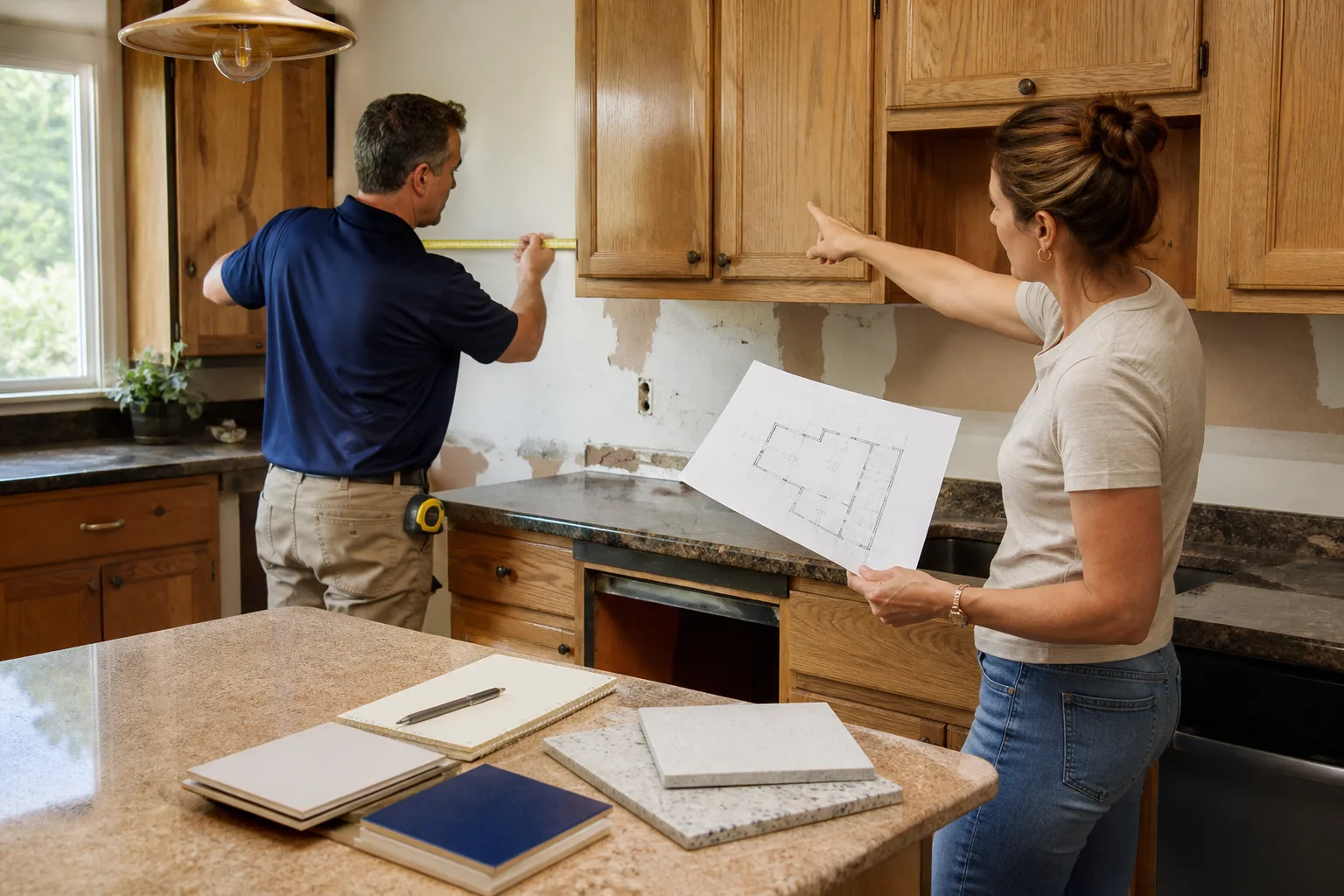
Last updated October 15, 2026








Free written scope consultation - allowances, timeline, and change-order rules on paper before a single trade is scheduled
Construction Warning Signs: A Orlando Homeowner’s Reference Guide
Most Orlando homeowners can spot the obvious contractor red flags from a mile away. A guy who demands 50% upfront in cash, has no license, and promises a kitchen remodel in three days gets shown the door before he finishes his coffee. But here’s what almost nobody tells you: the warning signs that actually sink projects are the quiet ones that show up after the contract is signed. The contractor who stops pulling permits on time, starts swapping your specified fixtures for whatever’s on sale at the supply house, or has a different crew show up every Monday, that’s where real money disappears. This guide walks you through the mid-project signals that separate a normal remodel from one that’s about to stall, and what to do when you spot them in your Orlando home. For a broader look at protecting your investment, see our How to Hire a Construction Contractor in Orlando: A Step-by-Step Guide.
Quick Answer
The most dangerous contractor warning signs in Orlando aren’t the obvious scams, they’re the mid-project signals that a general contractor is overextended, cutting corners, or losing trade partners. Watch for permit inspection gaps, unexplained material substitutions, rising crew turnover, and vague change-order language. Document everything in writing, and if the pattern persists, pause the job and get a second opinion before more money changes hands.
Styles & brands we work with







Table of Contents
- Material Substitution: How to Catch It Without Being a Construction Expert
- The Overextended Contractor: Reading the Signs Before Work Stops
- Permit Inspection Gaps: What Working Ahead of Approvals Really Means
- Crew Turnover: Normal Sub Rotation vs. an Abandoned Job
- How to Document Warning Signs in Writing (So You’re Protected)
- When Change Orders Become Red Flags
- Orlando-Specific Warning Signs: Climate, Code, and Market Realities
Material Substitution: How to Catch It Without Being a Construction Expert
Material substitution is the single most expensive silent problem in Orlando remodeling. A contractor specifies a Kohler faucet in the contract, then installs a house-brand fixture that looks similar but costs $60 less. Multiply that across a whole bathroom, and the homeowner has quietly paid for products they never received. The substitution often happens at the rough-in stage, when boxes are opened and nothing is labeled with a brand name the homeowner recognizes.
The good news is you don’t need to be a construction expert to catch most substitutions. You need to know three things: what was specified, what’s on the delivery ticket, and what’s actually in the box. Here’s the process we recommend to every Orlando homeowner:
- Get a line-item material list in the contract, not a lump sum. “Bathroom faucet, $180” is a substitute waiting to happen. “Kohler Purist K-14406-4-BN, $243” is a product you can verify.
- Ask for delivery tickets. When materials arrive, the supplier’s packing slip lists exactly what was ordered. Compare it to your contract line items before anything gets installed.
- Photograph boxes and labels before they’re opened. Once materials are unwrapped and the boxes are in the dumpster, your ability to verify anything is gone.
- Check the rough-in before walls close. Plumbing fixtures, shower valves, and electrical rough-in are visible before drywall goes up. Walk the job with your contractor and point at what’s installed.
In Orlando’s humid climate, substitution carries extra weight. Cheaper drywall, lower-grade exterior sheathing, or substitute waterproofing membranes in a bathroom will fail faster here than they would in a dry climate. A contractor who substitutes a bargain waterproofing product behind your shower tile isn’t saving you money, he’s building you a mold problem that won’t show up for two years. If you’re planning a bathroom remodel in Orlando, insist on seeing the actual waterproofing product boxes before they go in the wall. Brands like Schluter and Wedi are common in Florida remodels for a reason, and the product names are printed right on the packaging.
What about brands like CertainTeed or Owens Corning in roofing work? These companies print their names on every shingle wrapper. If your contract specifies Owens Corning Duration shingles and the bundles on the driveway say something else, that’s not a misunderstanding. That’s a substitution. Photograph the bundle labels before the roofers start. It takes thirty seconds and it keeps honest contractors honest, which is what you want. It also sends a clear signal to a dishonest one that you’re watching.
The Overextended Contractor: Reading the Signs Before Work Stops
Orlando’s construction market runs hot. Between the steady flow of transplants, vacation rental renovations, and the post-hurricane repair cycle, there’s more work than qualified crews can handle. A general contractor who takes on too many jobs at once doesn’t announce it. He just quietly starts spreading himself thinner, and your kitchen sits half-finished while his crew is three neighborhoods away framing someone else’s addition.
The early signs of an overextended contractor are measurable if you know what to track:
- Days with no work on site. A healthy project has someone there most weekdays. If you’re seeing three or four silent days a week, especially in the middle of a phase that should be active, that’s a scheduling resource problem, not a weather delay.
- Same crew pulled mid-task. If the tile setter leaves your master bath half-done on a Tuesday to “go finish something else real quick,” that’s not normal sequencing. That’s a contractor juggling too many commitments.
- Communication shifts from proactive to reactive. When a contractor is overextended, he stops returning calls the same day. He starts answering with “should be there tomorrow” instead of “we’ll be there at 7:30.” Texts go from detailed to one-word.
- Material deliveries stall. Materials don’t show up on schedule because the contractor hasn’t placed the order, not because the supplier is slow. Ask for the order confirmation number. If there isn’t one, the order doesn’t exist yet.
In our experience with home remodeling in Orlando, the overextended contractor is often not a bad person. He’s a decent builder who said yes to one job too many and is now robbing Peter to pay Paul. That doesn’t change the math for you: every week of delay on a occupied Orlando home is another week of living in a construction zone, another week of eating in the garage, another week of paying for materials storage or rental equipment. The financial cost compounds. Track the on-site days and the progress against the schedule in writing. If the pattern shows a contractor who can’t keep your job staffed, you’re better off addressing it early than hoping it improves.
Permit Inspection Gaps: What Working Ahead of Approvals Really Means
Permits are the unglamorous backbone of a legitimate remodel. When a contractor pulls the right permits and schedules the required inspections, it’s boring. When he doesn’t, it’s your problem. In Orlando, building permits are issued through the city’s Building Department, and most structural, electrical, plumbing, and mechanical work requires a permit with scheduled inspections at specific milestones. A contractor who works ahead of those inspections is creating liability you’ll own long after he’s gone.
Here’s what permit inspection gaps look like in real time:
- Framing covered before the framing inspection. If the walls are closed and you never saw an inspector’s green sticker, the work wasn’t inspected. The framing inspection should happen when the structure is fully visible, not after drywall is up.
- Rough electrical and plumbing buried before the inspector signed off. Once tile and drywall are installed, the rough-in can’t be inspected without tearing it out. This is a common shortcut on tight timelines.
- The permit card on the window has no recent signatures. The city inspector signs and dates the job card each time they pass a phase. If the dates on the card don’t match the phases of work you’ve seen completed, that’s a red flag.
- Your contractor says “the inspector already looked at it” but you never saw a city vehicle. City inspectors in Orlando don’t do drive-by approvals. If there’s no signature, there’s no inspection.
Why does this matter for your liability? Because unpermitted or uninspected work is a problem on three fronts. First, if there’s a failure, your insurance company can deny the claim because the work wasn’t performed under a valid permit. Second, when you sell, Orlando buyers increasingly ask for permit history, and missing inspections will surface in the disclosure process. Third, if the work isn’t up to code and the city finds out, they can require you to tear it out and redo it, on your dime, long after the original contractor has moved on to his next job.
A contractor who works ahead of approvals isn’t doing you a favor by moving faster. He’s making a calculated bet that the inspection won’t catch it, or that he won’t be around when it matters. A general contractor in Orlando who respects the process schedules the work so inspections happen in the right sequence. It takes discipline and it shows in the job card.
Crew Turnover: Normal Sub Rotation vs. an Abandoned Job
Every remodel involves multiple trades. The plumber comes, finishes rough-in, and leaves. The electrician follows. The drywallers come and go, then the painters arrive. That’s normal sequencing. What’s not normal is when the same trade shows up three different times with three different crews because nobody finished the work the first time. Or when a subcontractor walks off mid-job and doesn’t come back, and the contractor can’t get them to return.
Here’s how to tell normal rotation from trouble:
Normal subcontractor rotation looks like: a planned sequence where each trade completes its scope and leaves, the general contractor coordinates the handoff between trades, and the same electrician returns for the final trim-out that was always part of the plan.
Job abandonment looks like: a trade starts work, leaves before completion, and the contractor starts telling you about “scheduling conflicts” or “personnel changes.” Then a different crew from a different company shows up to finish, which means the original trade won’t come back. That happens when the contractor has burned a trade partner, either by slow payment, disorganization, or unrealistic demands. When the trades stop returning the general contractor’s calls, the job stalls, and the homeowner is the last to know why.
What does high crew turnover in the general contractor’s own crew indicate? If the lead carpenter changes twice during your project, or the project manager assigned to your job is replaced without explanation, something is happening inside the company. It could be growth strain, internal conflict, or a contractor who can’t keep employees. Either way, you lose institutional continuity. The new lead doesn’t know what was discussed, what was discovered behind the walls, or what the previous crew already fixed. Decisions get lost, and you’ll be the one re-explaining your project to a stranger standing in your kitchen.
One safeguard against this: ask upfront who will be on your job and whether they’ll stay through completion. Not every turn in the road is a warning sign, but a pattern of departures within a few weeks is a signal the job is being deprioritized in favor of something else.
How to Document Warning Signs in Writing (So You’re Protected)
When a project goes sideways in Orlando, the homeowners who fare best in disputes are the ones who documented everything from the start. Not in a paranoid way, in a professional way. A contractor who knows you’re keeping a written record is a contractor who stays on his best behavior. A contractor who realizes there’s no paper trail has every incentive to cut corners.
Here’s the documentation process we recommend, step by step:
- Confirm everything in writing, even casual conversations. Every verbal agreement, every change, every “we’ll take care of that” gets followed up with a text or email that says “just to confirm what we discussed today…” This creates the paper trail that protects you. A verbal promise doesn’t exist in a dispute. A text message does.
- Keep a daily log. A simple note on your phone noting the date, who was on site, what work was done, and what was said. Thirty seconds a day. It’s worth its weight in gold if you ever need to show a pattern of delays or no-shows.
- Photograph everything. Before, during, and after. Every phase. Every delivery. Every installed product label. Every inspection sticker. Photos are dated automatically, and they’re the single most persuasive evidence in any construction dispute.
- Send a summary email every Friday. Summarize the week’s progress, the money spent, the schedule status, and any concerns. This creates a timeline that’s hard to dispute later. If the contractor doesn’t respond, that silence is itself documentation.
- Save every piece of paper. Contracts, change orders, receipts, permit applications, inspection reports, material delivery tickets, lien releases. A physical folder or a dedicated email folder works. You can’t over-document a six-figure project.
If you reach the point of needing to terminate a contract or file a claim, this documentation is what separates a winnable case from a he-said-she-said mess. Florida construction law has specific notice requirements and deadlines, and your written record establishes the factual timeline your attorney or the licensing board will rely on. The documentation approach isn’t about assuming the worst, it’s about making sure the worst, if it comes, is something you can prove in writing.
When Change Orders Become Red Flags
Change orders are a normal part of remodeling. You discover a surprise behind the wall, you decide to upgrade the tile, you add a niche to the shower. The work changes, the price changes, and an honest contractor writes a clear change order that specifies the scope, the cost, and the schedule impact before the work begins. So far, so normal.
The red flag shows up when change orders become a pattern. Here’s what that looks like:
- Every change order is “unexpected.” In a thoughtful Orlando remodel, surprises happen early and the contractor can usually anticipate them. When every other week brings a new “unexpected condition” that adds cost, you’re either dealing with a contractor who didn’t plan well, or one who’s using change orders to recapture margin he lowballed away in the bid.
- The change order is verbal and vague. “We’ll figure out the price later” is not a change order. Neither is “that’ll be a little extra.” A real change order has a dollar figure and a written description. Anything less is an open tab with no limit.
- The change order covers work that was already in the contract. If the contractor tries to charge extra for something that was clearly scoped in the original agreement, that’s a bait-and-switch. A written contract with line-item scope is your protection here.
- The change order is written after the work is done. This reverses the leverage. Once the work is installed, you’re in a weak position to negotiate. Change orders should always be signed before the work starts.
In Orlando’s competitive construction market, some contractors deliberately bid low to win the job, then make up the difference in change orders. The clue is the frequency. One or two legitimate change orders over a three-month project is normal. Six or seven small ones that each “just came up” is a pricing strategy wearing a costume. Don’t be afraid to ask why each change wasn’t anticipated. A contractor who gets defensive about that question is telling you something.
Orlando-Specific Warning Signs: Climate, Code, and Market Realities
Orlando isn’t just any construction market. The climate, the building codes, and the local labor pool create specific warning signs you won’t find in a generic national guide. Here’s what to watch for if you’re remodeling in the Orlando area:
Hurricane-hardening shortcuts. Florida building code requires impact-rated windows, hurricane straps, and wind mitigation features that contractors from other states sometimes don’t take seriously. If your contractor tells you the upgrade “isn’t really necessary” or tries to substitute non-rated products to save money, that’s a warning sign. These requirements exist because of what happens to houses in category 3 storms. The code is not a suggestion.
Moisture and mold shortcuts. Orlando’s humidity is relentless. Proper moisture barriers, vapor retarders, and waterproofing details aren’t optional, they’re the difference between a remodel that lasts and one that starts growing mold inside the walls. A contractor who says waterproofing “isn’t really needed in a bathroom” doesn’t understand Orlando building science, and you should not let him build your shower.
Unlicensed subcontractor roulette. Florida has a chronic shortage of licensed tradespeople, and some general contractors fill the gap with unlicensed workers. Ask whether every trade on your job is licensed and insured. If the GC hesitates, that’s your answer. An unlicensed subcontractor who gets hurt on your property becomes your liability.
Permit avoidance in unincorporated areas. Some parts of greater Orlando have historically been more relaxed about permits than the city proper. A contractor who tells you “we don’t need a permit for this out here” may be right, but you should verify with the governing jurisdiction. Don’t take your contractor’s word on something that determines your legal exposure.
If you’re working with a company that verifies crew members by name and photo before they arrive, provides written pricing before starting, and puts the warranty in writing with clear terms, you’re already ahead of most Orlando homeowners. The Mason Remodeling Co Orlando home team applies what we call the Threshold Standard on every job: uniformed, background-checked technicians, photo ID at the door, and a written price before work begins. That standard isn’t industry-wide in Orlando, and the difference shows up in who’s standing in your doorway.
Common Mistakes to Avoid
- Ignoring the first permit gap because the contractor “seems nice.” A likable contractor who skips an inspection is still creating unpermitted work. The niceness doesn’t change the liability. Address permit gaps the day you notice them.
- Paying for materials before they arrive on site. A deposit for materials is normal, but full payment for products that haven’t been delivered is financing your contractor’s cash flow. In Orlando, a contractor who can’t float his own material orders is a contractor who’s already in financial trouble.
- Accepting verbal change orders because you’re tired of paperwork. The fifteen seconds it takes to confirm a change in writing can save you thousands of dollars and a damaged relationship. Never pay for work that was never documented.
- Letting the schedule slip without asking why. Every delayed week has a reason. If the reasons keep changing, or the contractor offers blame instead of a revised schedule, you’re getting a story, not a plan. Ask for the revised schedule in writing.
- Assuming the warranty covers everything. Read the warranty. A one-year warranty that excludes “finishes” and “normal wear” is not the same as a warranty that covers the actual work. If the terms aren’t written down, there is no warranty.
- Not walking the job at the end of each phase. The best time to catch a problem is before the next layer covers it up. Walk the job with your contractor at the end of rough-in, at the end of drywall, at the end of tile. Ask questions. Point at things. It’s your house.
See the difference
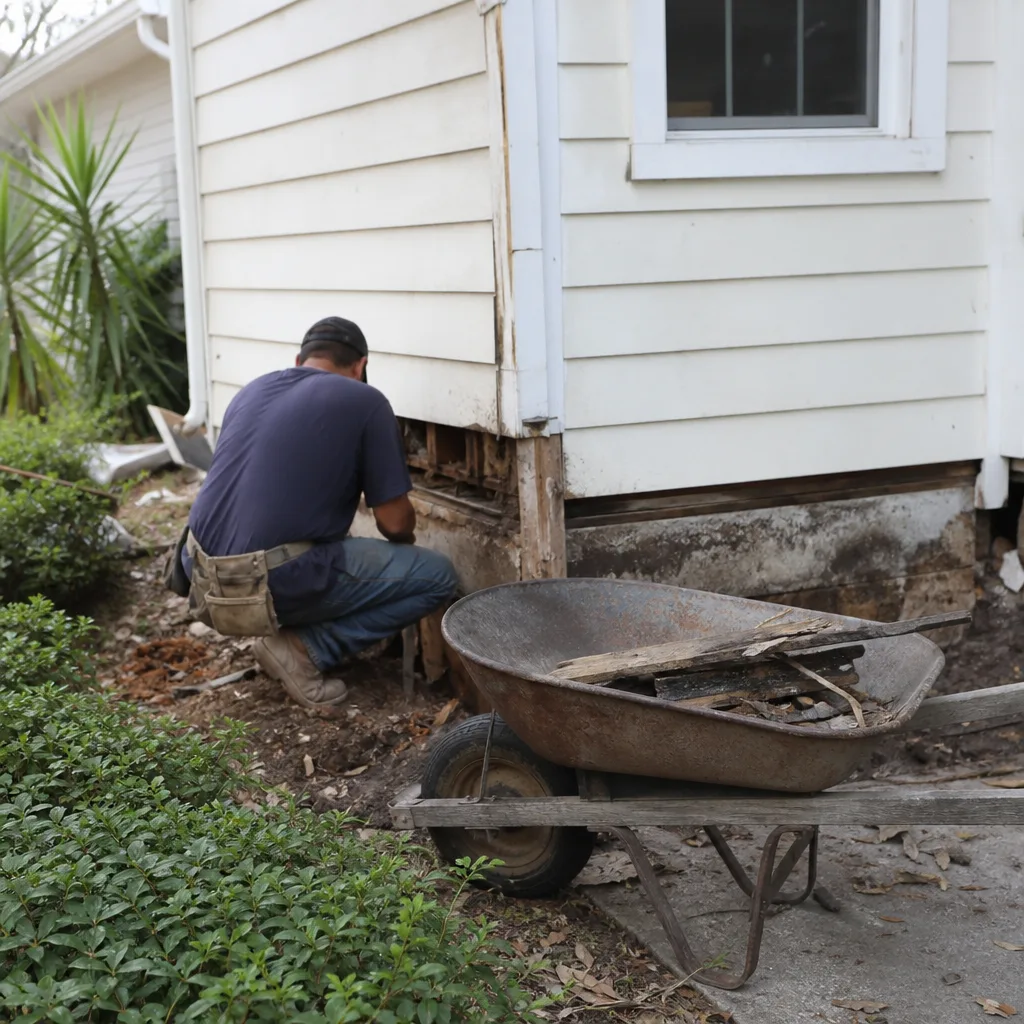 Before
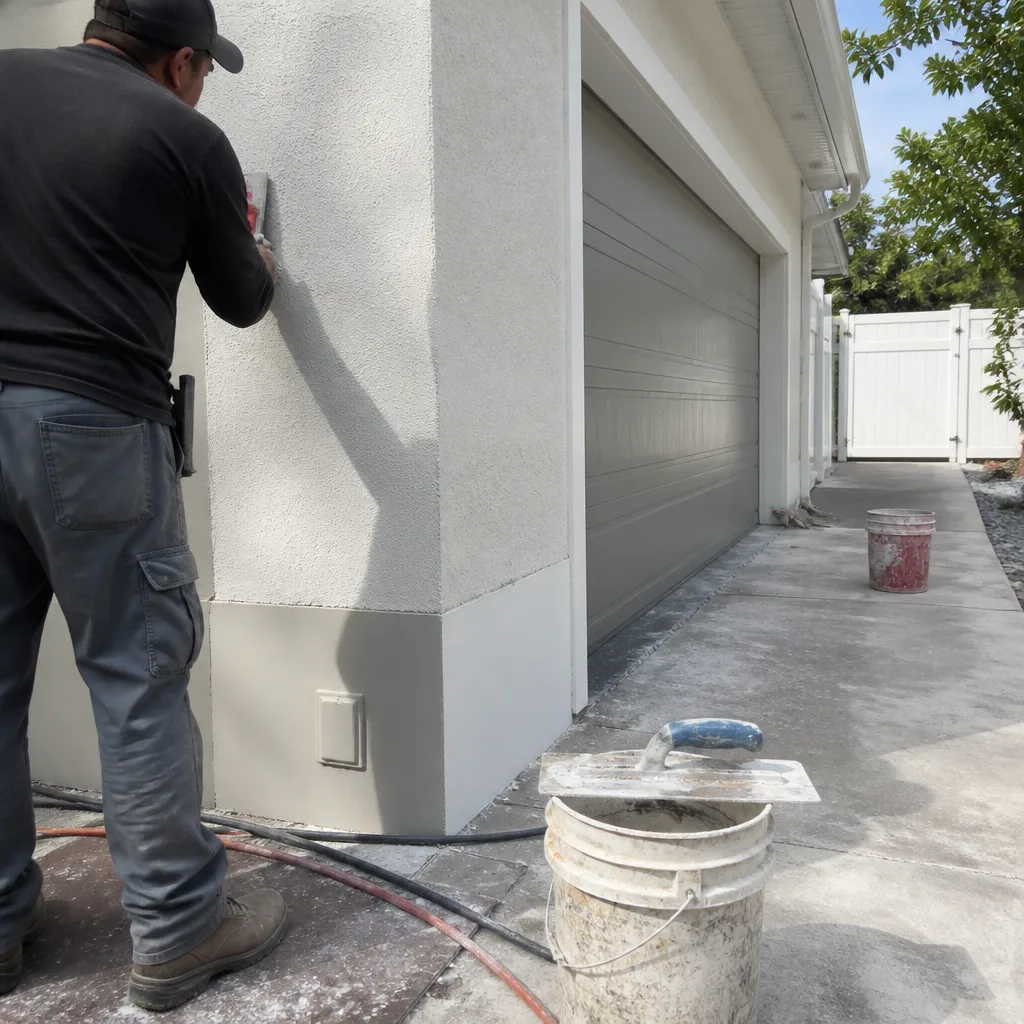 After
After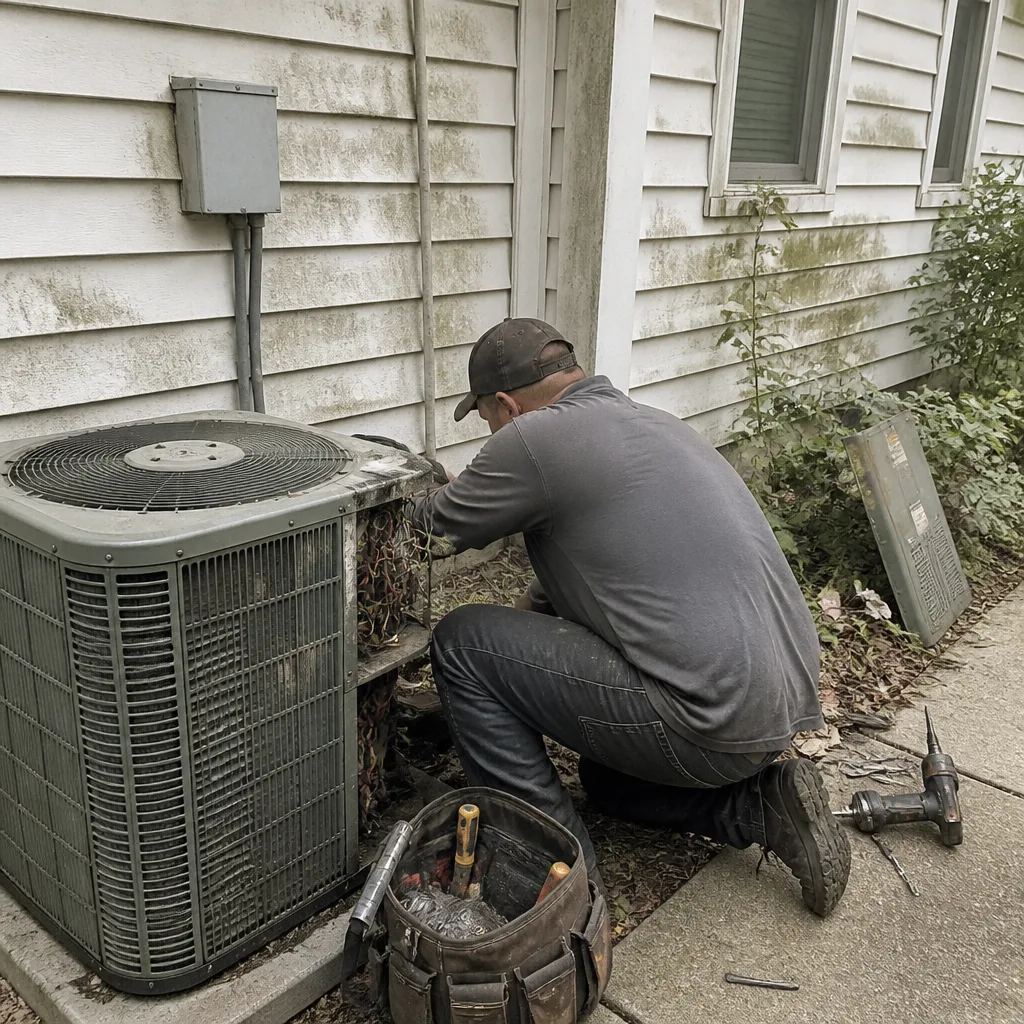 Before
 After
After Before
 After
AfterWhen to Call a Professional
Some warning signs are serious enough that you should stop and get professional eyes on the job before writing another check. If you’ve documented repeated permit gaps, material substitutions you caught after the fact, a contractor who’s been absent for a week with no explanation, or a change-order pattern that feels designed to inflate the final bill, it’s time for a second opinion. A independent licensed contractor or a construction attorney can review your documentation and tell you whether to pause, renegotiate, or walk away. You don’t need to wait until the job is fully stalled to act. If you’re in the middle of an Orlando remodel and something feels off, Mason Remodeling Co Orlando offers free estimates in Orlando – call (850) 920-7745 and we’ll be straight with you about what you’re looking at. For more guides & resources on navigating Orlando construction, visit our blog.
Frequently Asked Questions

The most common early warning sign is a contractor who stops meeting his own schedule without a credible explanation and stops returning calls the same day. When communication shifts from proactive to reactive, and the crew stops showing up consistently, the contractor is either overextended on other jobs or has lost the ability to keep his trades scheduled. Document the pattern and request a revised written schedule before authorizing further payments.
You can verify permits through the City of Orlando Building Department’s online permit search or by asking the contractor for the permit number after application. The permit card should be posted on the job site, and the inspection record should show dated signatures matching the phases of work completed. A permit application is not the same as an issued permit, and an issued permit is not the same as a passed inspection. Check all three.
Remediation costs vary widely depending on the scope, but homeowners in the Orlando market typically spend between $8,000 and $20,000 to correct work that was done incorrectly, unpermitted, or never completed. The cost depends on whether the problem is cosmetic, structural, or moisture-related. Catching warning signs early and documenting them in writing is the cheapest form of remediation you’ll ever buy.
A bid that is far below the competition is almost always a warning sign. In Orlando’s construction market, where labor and materials are both in high demand, legitimate contractors price within a similar range. A low bid is usually made up later through change orders, material substitutions, or abandonment when the contractor realizes he’s losing money. Get three bids and be suspicious of the outlier.
Stop the work on that phase immediately and request a written explanation. Compare the installed product to the contract specification, and document the difference with photographs. If the substitution changed the cost or the quality, you have the right to require the specified product be installed at the contractor’s expense. If the contractor refuses, document the refusal and consult a construction attorney. The written contract is your leverage.
A typical Orlando bathroom remodel takes 4 to 8 weeks depending on scope and whether the space is being reconfigured. If your project is at week 10 and the tile isn’t finished, something is wrong. The most common culprits are permit delays, contractor overextension, or financing problems on the contractor’s end. Ask for a revised written schedule and compare it against what’s actually happening on site. Call (850) 920-7745 if you need a straight read on whether your timeline is reasonable.
The Bottom Line
The contractor warning signs that cost Orlando homeowners the most money are not the obvious scams. They are the quiet mid-project signals: the permit gap that becomes your legal problem, the material substitution that becomes your maintenance problem, the crew turnover that becomes your abandoned job. Every one of these signs is catchable if you know what to look for and you document what you see. Demand written pricing, verify permits, photograph deliveries, and confirm every change in writing. A good contractor welcomes that level of attention. A contractor who resists it is telling you exactly who he is. Trust the paper trail, not the handshake, and you’ll keep your remodel on track from demo day to final inspection.
Written by Isaac Pruett, Owner at Mason Remodeling Co Orlando, serving Orlando since 2004.