Last updated October 15, 2026



Free written scope consultation - allowances, timeline, and change-order rules on paper before a single trade is scheduled
The Complete Guide to Construction in Orlando
Orlando issued more residential permits than any other Florida metro in 2023, yet the average homeowner still waits 30 to 90 days longer than projected. The delay is rarely red tape. It’s the three local factors nobody puts on a brochure: subtropical soil that shifts under slab foundations, a labor pool that ebbs and flows with theme park hiring cycles, and a permitting pipeline split across three different jurisdictions. This guide maps the real terrain of construction in Orlando so you can plan, budget, and hire without being ambushed by any of it.
Quick Answer
Construction in Orlando, FL typically costs $120 to $450 per square foot for remodeling and custom building, with timelines running 60 days for a bathroom to 12+ months for a whole-home build-see our Construction Cost Breakdown: The Orlando Homeowner’s Reference for 2026 for deeper numbers. Your actual cost and schedule depend on three Orlando-specific factors: your soil condition, your permit jurisdiction (Orange County, Osceola County, or City of Orlando), and what season you start. Mason Remodeling Co Orlando delivers a written price on every project before any work begins, so the number you approve is the number you pay.
Styles & brands we work with
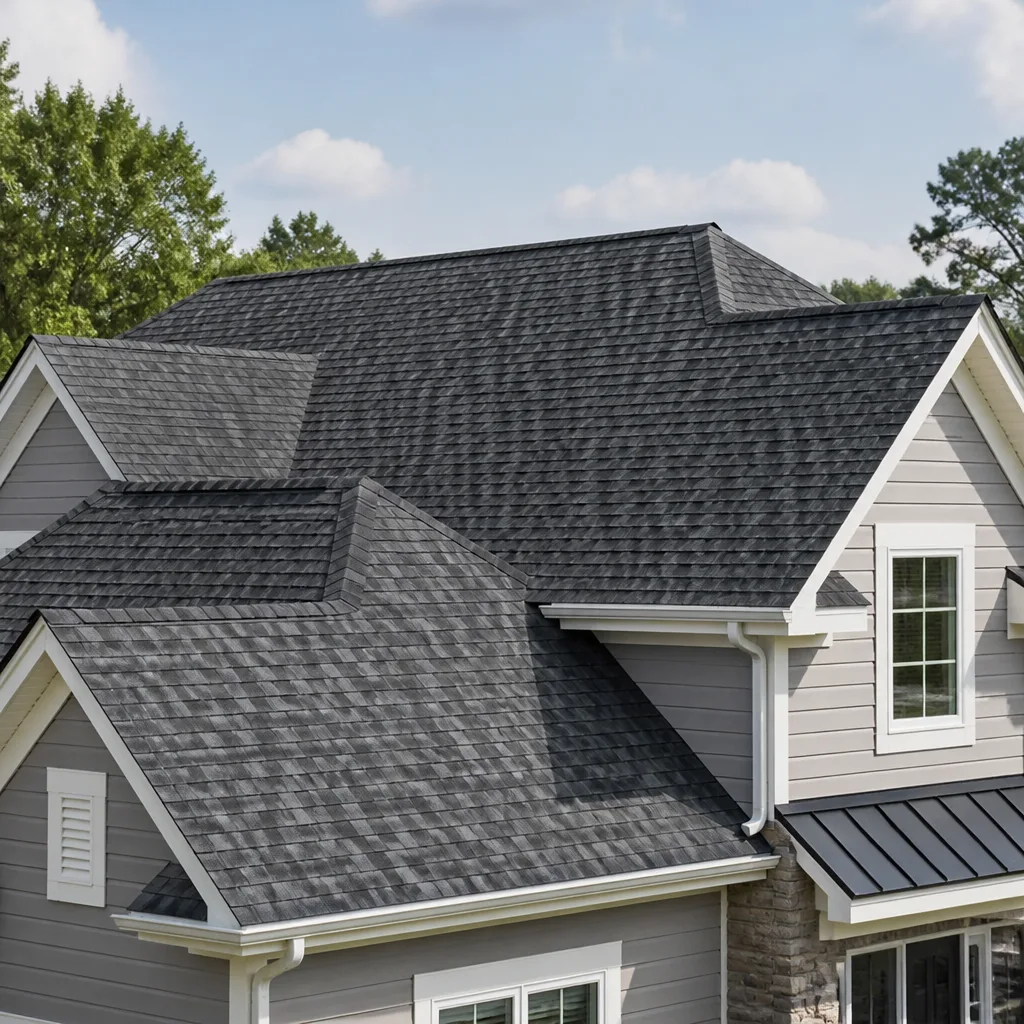
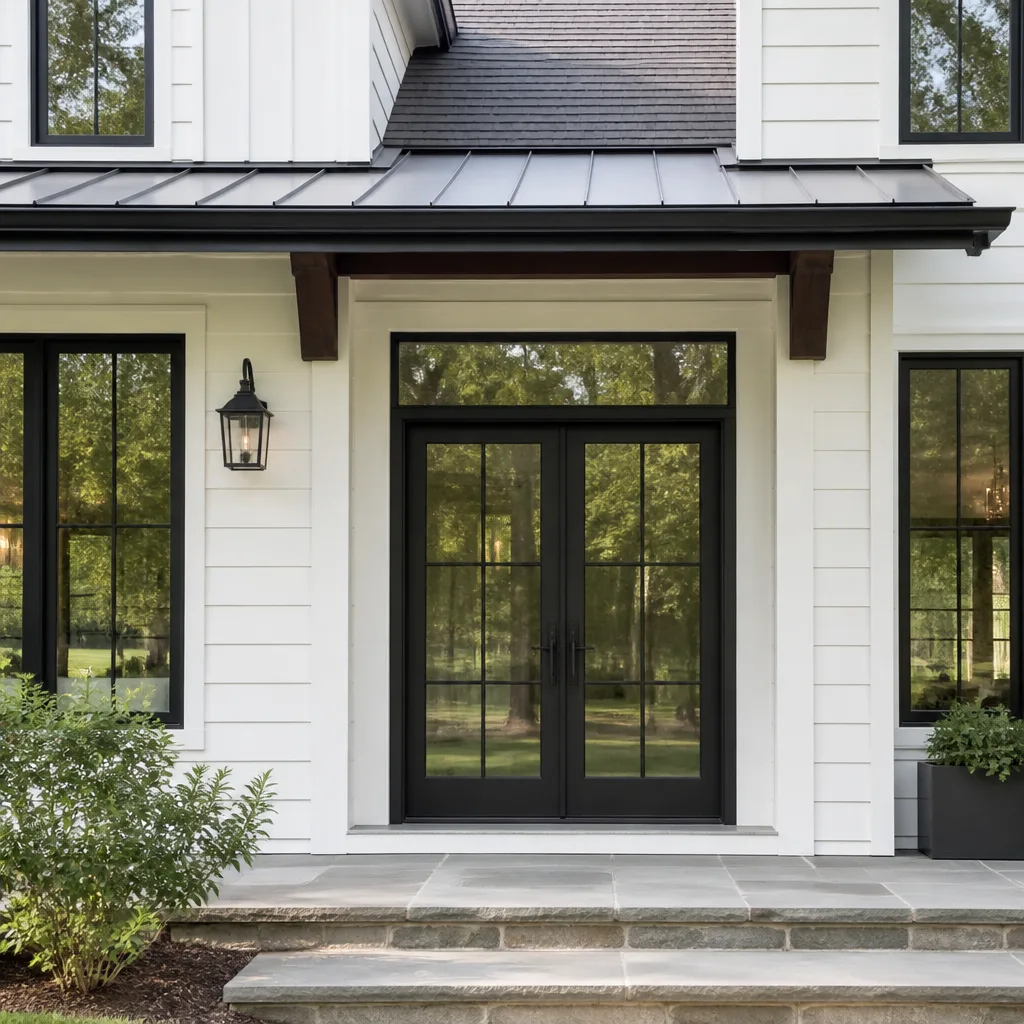
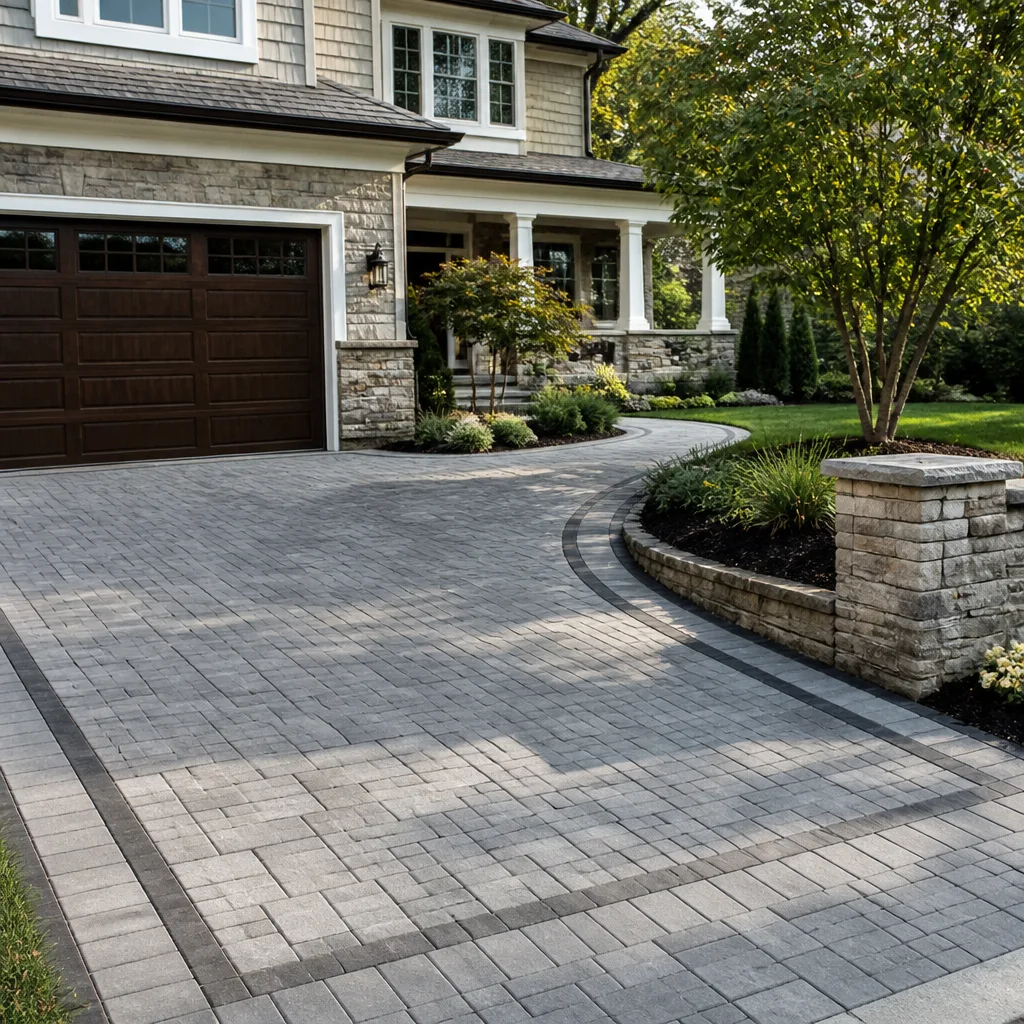
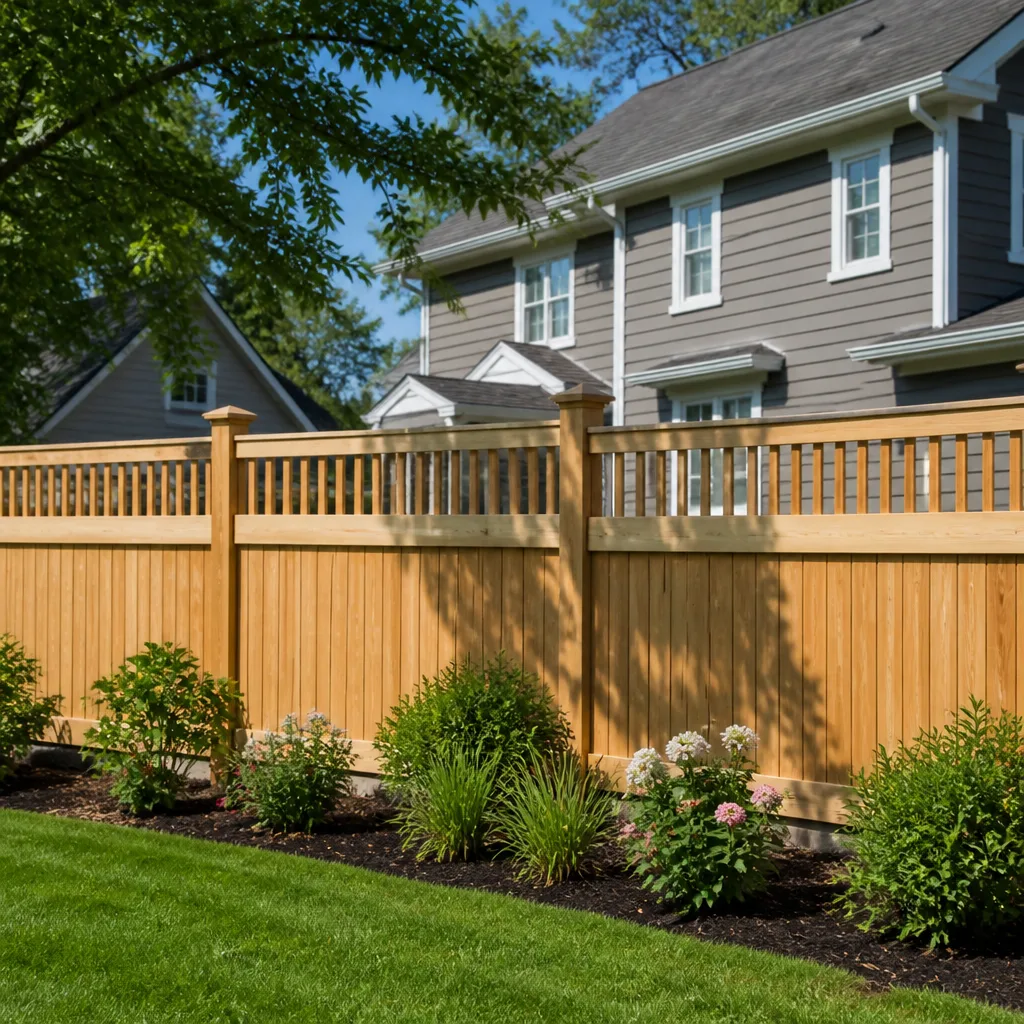
Table of Contents
- Orlando Soil and Foundation Reality: What’s Under Your Lot
- Orlando’s Labor Market: Why Timing Your Start Date Matters
- Permitting in Orlando: Orange County vs. Osceola vs. City of Orlando
- What “Hurricane-Hardened” Actually Means on a Contract
- Who Is Actually Showing Up: Reading Contractor Verification
- Real Cost Ranges for Construction in Orlando
- Specification-Grade Materials: What Builders Actually Specify
- What a Realistic Construction Timeline Looks Like in Orlando
Orlando Soil and Foundation Reality: What’s Under Your Lot
Most Orlando homeowners never think about soil until a crack appears in the drywall. But the ground under your house is the single biggest cost variable in any construction project, and it varies dramatically by neighborhood. Areas like College Park and Winter Park sit on well-drained sandy loam that drains fast and compacts predictably. Drive twenty minutes southwest toward Dr. Phillips or Windermere, and you hit what local foundation contractors call “expansive clay pockets,” soils that swell when saturated and shrink during dry season. That movement is what causes hairline cracks along door frames and the occasional sticking window in Orlando homes built in the 1980s and 1990s.
Here’s what matters for your project:
- Slab-on-grade is the Orlando standard. Unlike northern Florida where crawl spaces are common, most Orlando homes sit on concrete slabs poured directly on the soil. A slab foundation costs $8 to $14 per square foot here, but if your lot has expansive clay, a structural engineer may specify a thickened-edge slab or post-tension cables, adding $4 to $7 per square foot before a single wall goes up.
- Soil testing runs $1,500 to $3,500 in Orlando. It’s a boring process (literally: a geotechnical engineer drills 15 to 30 feet down) and worth every dollar, because it tells you whether your planned addition will rest on stable ground or require piers. We’ve seen homeowners in the Conway area skip this test and pay $40,000 later to fix a foundation that settled unevenly.
- Erosion near Orlando’s lakes is a hidden cost. If your property touches water (Lake Eola, Lake Conway, any of the chain of lakes), expect your permitting office to require erosion-control plans that add $2,000 to $6,000 to site preparation. This is non-negotiable and tied directly to Florida’s stormwater rules.
When you’re comparing bids for a whole-home remodel or an addition, ask each contractor: “Have you built on this soil type in the last three years?” An Orlando contractor who has worked College Park clay will price your foundation differently than someone who has only framed in areas with well-drained sand.
Orlando’s Labor Market: Why Timing Your Start Date Matters
Orlando’s construction labor force does not behave like labor pools in Atlanta or Charlotte. It’s tied to the hospitality and tourism economy, and that creates a predictable but counterintuitive cycle. When theme parks announce expansions or new attractions, skilled labor is pulled toward hospitality construction jobs that pay overtime and completion bonuses. When tourist season peaks (roughly November through April), service businesses expand hours and absorb workers who might otherwise take framing or finish carpentry gigs.
What this means for your project:
- Late summer and early fall are the sweet spot. Tourist volume dips from late August through September, and that’s when Orlando’s most experienced rough carpenters, tile setters, and plumbing crews are available for residential work. You’ll get better scheduling and often sharper pricing during this window.
- Spring is the most expensive time to build. Everybody wants their remodel done before summer heat arrives, plus hospitality is still in peak season. Demand outstrips supply. Expect bids to run 10 to 15 percent higher in March and April versus September.
- Holiday construction staffing is a real risk. Between Thanksgiving and New Year’s, many crews thin out as workers take extended leave. A bathroom remodel that starts December 1 will almost certainly sit idle for a week or more mid-project. If you want momentum, start in January or February.
We’ve watched Orlando homeowners save $15,000 to $25,000 on identical scope simply by shifting a project from April to September, a warning sign we detail in our guide to Construction Warning Signs: A Orlando Homeowner’s Reference Guide. The trade-off: building during hurricane season means your contractor needs a weather contingency in the schedule. Ask how they handle rain days before you sign.
Permitting in Orlando: Orange County vs. Osceola vs. City of Orlando
Your mailing address may say Orlando, but your permit application might land in one of three different offices, and the difference in wait times is stark-something we cover in detail in our guide to Construction Permits, Codes & Inspections in FL: What You Need to Know. City of Orlando residents file through the city’s permit office, which historically moves residential permits through plan review in 10 to 15 business days. Orange County unincorporated areas (think parts of Pine Hills, Azalea Park, and areas around Conway) route through the county, where reviewers are stretched thinner and plan review may take 20 to 30 business days. Osceola County, which includes portions of southeast Orlando and communities like Celebration and parts of Hunter’s Creek, has its own process that often runs 15 to 25 business days for typical residential scope.
A quick way to check which jurisdiction you’re in: pull up your property tax record (search “Orange County Property Appraiser” or “Osceola Property Appraiser” and enter your address). The jurisdiction listed there is who you’ll file with. Do this before you call a contractor, because the answer changes your timeline.
Here’s the step-by-step for a standard interior remodel in City of Orlando:
- Submit plans with a licensed contractor of record. The city requires the permit to be pulled by the licensed contractor, not the homeowner, for any structural, plumbing, or electrical work. Expect to provide architectural drawings if you’re moving walls.
- Plan review takes 10 to 15 business days. Budget for one round of corrections. Common reasons Orlando plans get bounced back: missing hurricane tie-down details, undersized header specs, or outdated wind-load calculations.
- Pay permit fees and schedule inspections. A typical bathroom or kitchen remodel in City of Orlando runs $400 to $1,800 in permit fees depending on scope.
- Inspections happen in sequence. Rough-in (structural, plumbing, electrical), then insulation, then drywall, then final. Each inspection requires 24 to 48 hours’ notice in most Orlando jurisdictions.
- Certificate of completion closes the permit. Without this, your project is legally incomplete and can complicate resale.
One more thing that surprises newcomers: Orlando’s wind zone classification means even an interior remodel may require a structural review if you’re altering load-bearing walls, because the entire structure is required to meet current wind-load standards. This is not your contractor being difficult. It’s Florida law responding to Hurricane Andrew and the code revisions that followed.
What “Hurricane-Hardened” Actually Means on a Contract
“Hurricane-hardened” is a term that gets thrown around in Orlando marketing material, but if it’s on your contract, it needs to mean something specific. On a contract, “hurricane-hardened” should refer to construction methods that meet or exceed the Florida Building Code’s wind-load requirements. On an inspection report, it means the actual materials and fastening patterns passed field inspection at specific points in the build.
The distinction matters because you can put “hurricane-hardened windows” in a contract and still get windows that only meet the minimum for interior use. Here’s what to look for in plain language:
- Roof-to-wall connections. A roof that is truly wind-resistant uses engineered clips and straps, not just toe-nails. Ask to see the product specs for your connectors. Names like Simpson Strong-Tie should appear in the specification sheet. A roof done right in Orlando adds $1,500 to $4,000 in hardware and labor, and it’s the difference between a roof that survives 120 mph winds and one that peels off.
- Impact-rated windows and doors. If your contract says “impact windows,” it should specify a design pressure rating (DP50 means they’re rated for 50 pounds per square foot of wind pressure). In most of Orlando, DP50 is the baseline; waterfront and high-exposure lots may require DP60 or higher.
- Garage door bracing. The single weakest point in most Orlando homes is the double garage door. A wind-rated garage door with reinforced tracks costs $1,200 to $3,500 and should be specified separately in any contract for whole-home work.
- Exterior cladding and moisture barriers. Orlando’s hurricane rains drive water sideways. A proper wall assembly includes a weather-resistive barrier behind the siding or stucco. Ask your contractor which barrier they use. If the answer is “standard felt,” get a second opinion; modern Orlando builders specify products like Tyvek or Henry Blueskin for this climate.
You can request a copy of your final wind-load inspection report after the build. If your contractor can produce it, they did the work. If they can’t, the “hurricane-hardened” claim didn’t survive contact with the inspector.
Who Is Actually Showing Up: Reading Contractor Verification
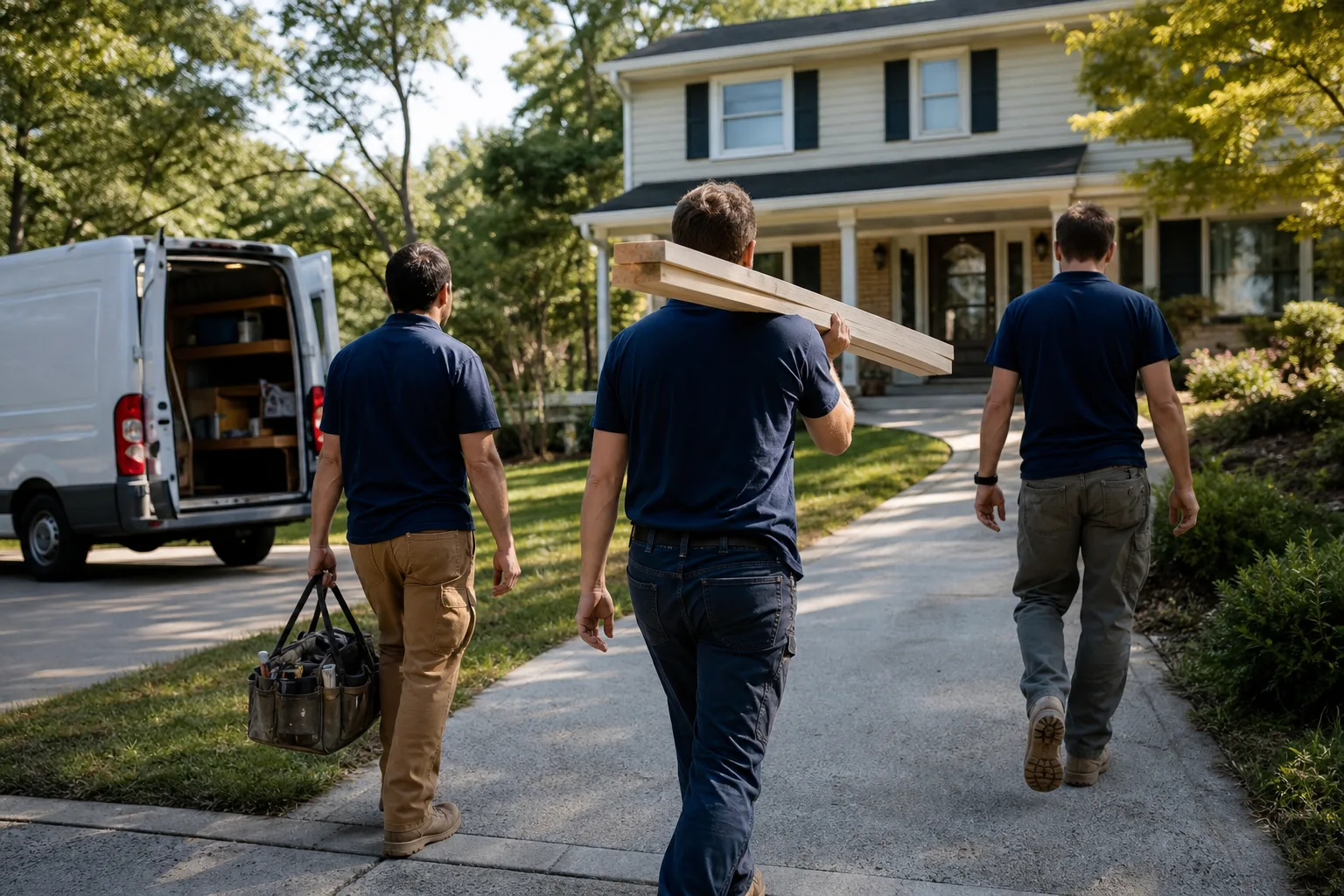
The contract has your contractor’s name on it, but the person who shows up at your door may be a subcontractor you’ve never met. In Orlando, where turnover in the trades is high and crews move between commercial and residential work regularly, verifying who will stand in your kitchen matters as much as the price. This is where the concept of named verification comes in. Companies operating under a structured verification model, like the Threshold Group standard, verify every crew member by name and photo before they reach your door. You receive the technician’s name and photo before the visit, and that person arrives in a clean marked uniform and shows a photo ID badge at the door.
Here’s what to ask any potential contractor in Orlando:
- “Will I receive the name and photo of every person entering my home before the job starts?” If the answer is anything other than a clear yes, you’re in for surprises. A contractor who can’t tell you who is coming is a contractor who doesn’t manage their labor directly.
- “Are your technicians background-checked?” Reputable Orlando remodelers run background checks on every employee and subcontractor who enters a home. Ask whether the check includes a statewide and national search, and whether it’s re-run annually.
- “Who pulls the permit?” The answer should be the licensed contractor, not the homeowner and not a third-party expediter. If your contractor asks you to pull the permit, walk away. It’s a red flag and shifts liability to you.
- “Do you verify that the person named on the permit is the person supervising on-site?” This catches the common Orlando practice of using a qualifying agent’s license while a lesser-credentialed manager runs the project.
Mason Remodeling Co Orlando works under the Threshold Standard: every technician is background-checked, identity-verified, and introduced to you by name and photo before arrival. It’s a named, trademarked process, not a vague promise, and it exists so that when someone knocks on your door and says they’re here to start your remodel, you already know their face.
Real Cost Ranges for Construction in Orlando
Homeowners in Orlando who call us usually have one question first: what does this actually cost? For more guides & resources, visit our blog. Here are working price ranges based on Orlando’s 2024 and 2025 market conditions. These are not bids. They’re planning numbers. Your actual price depends on your home’s age, your soil report, your finishes, and the scope of structural work.
- Bathroom remodel: $22,000 to $55,000 for a full gut and rebuild in a typical Orlando home (5×8 to 10×12 footprint). This includes new waterproofing, moving fixtures within the same footprint, tile, vanity, and permits. A cosmetic refresh (new vanity, fixtures, paint, no tile demolition) runs $8,000 to $15,000.
- Kitchen remodel: $45,000 to $95,000 for a complete kitchen in a standard Orlando single-family home. Entry-level finishes with stock cabinetry start around $38,000; specification-grade cabinetry (KraftMaid, Wellborn) with natural stone countertops pushes past $70,000.
- Whole-home remodel: $160,000 to $400,000 depending on square footage and how much structural work is involved. Homes in neighborhoods like Baldwin Park or Thornton Park, where deed restrictions and older floor plans complicate the work, trend toward the high end.
- Room addition: $180 to $300 per square foot in Orlando. A 400-square-foot primary suite addition typically lands between $72,000 and $120,000, not including the cost of extending HVAC and electrical service.
- Roof replacement: $14,000 to $28,000 for architectural shingles on a typical 2,200-square-foot Orlando home, depending on pitch and number of roof planes. This assumes a peel-and-replace, not a re-roof over existing shingles.
A note on deposits: in Florida, state law caps contractor deposits at 10 percent of the contract price or $1,000, whichever is less, for residential work. Any contractor asking for 30 or 50 percent up front is violating state statute. Know this before you negotiate. A written price delivered before any work starts is standard at Mason Remodeling Co Orlando home. No verbal estimates that grow on the final bill.
Specification-Grade Materials: What Builders Actually Specify
“Specification-grade” sounds like industry jargon, but it means something concrete: materials that meet written specifications for durability, warranty support, and availability through professional supply channels, not big-box retail. In Orlando, the material decision matters more than in drier climates because humidity, UV exposure, and salt air (even inland, Orlando gets marine influence during summer storms) degrade cheap materials fast.
What we specify and why:
- Cabinetry: We use KraftMaid and Wellborn for most kitchen and bath work. Both run plywood box construction (not particleboard) and offer 10-year to lifetime warranties that are actually honored in Florida’s humidity. Particleboard boxes swell and delaminate within three to five years here. It’s a false economy.
- Countertops: Cambria, Silestone, and Caesarstone cover the quartz spectrum. We recommend quartz over granite in Orlando because granite requires annual sealing in our humidity, and quartz doesn’t. Price difference is roughly $15 to $30 per square foot installed, and you recover it in maintenance savings within five years.
- Fixtures: Kohler, Moen, and Toto. Moen’s lifetime warranty is painless to file in our experience; Toto toilets handle Orlando hard water better than discount brands that clog and stain within a year.
- Hardscaping and outdoor living: Belgard, Unilock, and Tremron pavers outperform poured concrete in Orlando because they move with our expansive soils. A paver patio that flexes slightly in clay will outlast a concrete slab that cracks. This matters for outdoor kitchens, pool decks, and walkways.
We partner with these manufacturers because we can stand behind the product after the job is done. The 365-Day Done Right Promise from Mason Remodeling means if something fails within a year of completion, we make it right at no cost to you. That promise only works if the materials under it are materials we trust. That’s why we don’t install builder-grade anything.
What a Realistic Construction Timeline Looks Like in Orlando
Orlando’s official permitting timelines are optimistic. Plan review may be 10 to 15 business days on paper, but your project also has to wait for inspector availability, material lead times, and crew scheduling. Here’s what we tell homeowners and what we’ve actually seen hold up over hundreds of local projects:
- Design and planning: 2 to 8 weeks. This is where scope, finishes, and budget get locked. Rushing this phase creates change orders later, and change orders are where budgets balloon.
- Permit submission and plan review: 3 to 6 weeks. Faster in City of Orlando, slower in Orange County unincorporated areas. Budget a full correction cycle.
- Demolition and rough work: 2 to 6 weeks. Longer if you’re in a neighborhood with strict noise hours or limited street parking (College Park, Delaney Park) where dumpster placement and material staging is constrained.
- Inspections and corrections: 1 to 3 weeks. Every Orlando inspector has different standards. We budget time for fixes because there will be fixes.
- Finishes and punch list: 3 to 8 weeks. Tile, paint, trim, fixtures, final walkthrough. This phase is where labor shortages hit hardest because it’s the most skill-intensive.
Total for a typical bathroom: 8 to 14 weeks. Total for a kitchen: 10 to 16 weeks. Whole-home remodel: 6 to 12 months depending on scope. Add two to four weeks if you’re starting between March and May, Orlando’s busiest season. Our general contractor team in Orlando schedules projects with weather days and inspection buffers built in, so the date on your written schedule is the date we actually hit, not the date we hope for.
Common Mistakes to Avoid
- Skipping soil testing before an addition. We see this most often in the Dr. Phillips and Sand Lake areas where clay pockets catch homeowners off guard. The $2,000 test saves you from a $40,000 foundation repair.
- Starting a project in March without a signed schedule. Orlando’s spring rush means crews are stretched and materials are backordered. If your contractor won’t put start and completion dates in writing, you’re gambling.
- Accepting a verbal estimate. In Orlando’s competitive market, verbal numbers are used to get a signature, then adjusted upward with change orders. Demand a written price before any work starts. If a contractor won’t provide one, walk away.
- Ignoring your permit jurisdiction. Homeowners in unincorporated Orange County often budget based on City of Orlando timelines and get caught when the county takes two weeks longer. Check your property tax record before you sign.
- Choosing materials based on price alone. Humidity destroys cheap cabinetry and laminate within a few Orlando summers. Spec-grade materials cost 15 to 25 percent more up front and last three to five times longer.
- Not verifying who will enter the home. Orlando has a transient labor market. If your contractor can’t name and photo-verify every crew member before they arrive, assume you’re getting whoever the staffing agency sent that week. For households with young children, older adults, or anyone home alone during the day, this is a safety decision, not a formality.
- Paying more than 10 percent deposit. Florida law caps residential deposits at 10 percent or $1,000, whichever is less. Any contractor asking for more is operating outside state statute.
See the difference
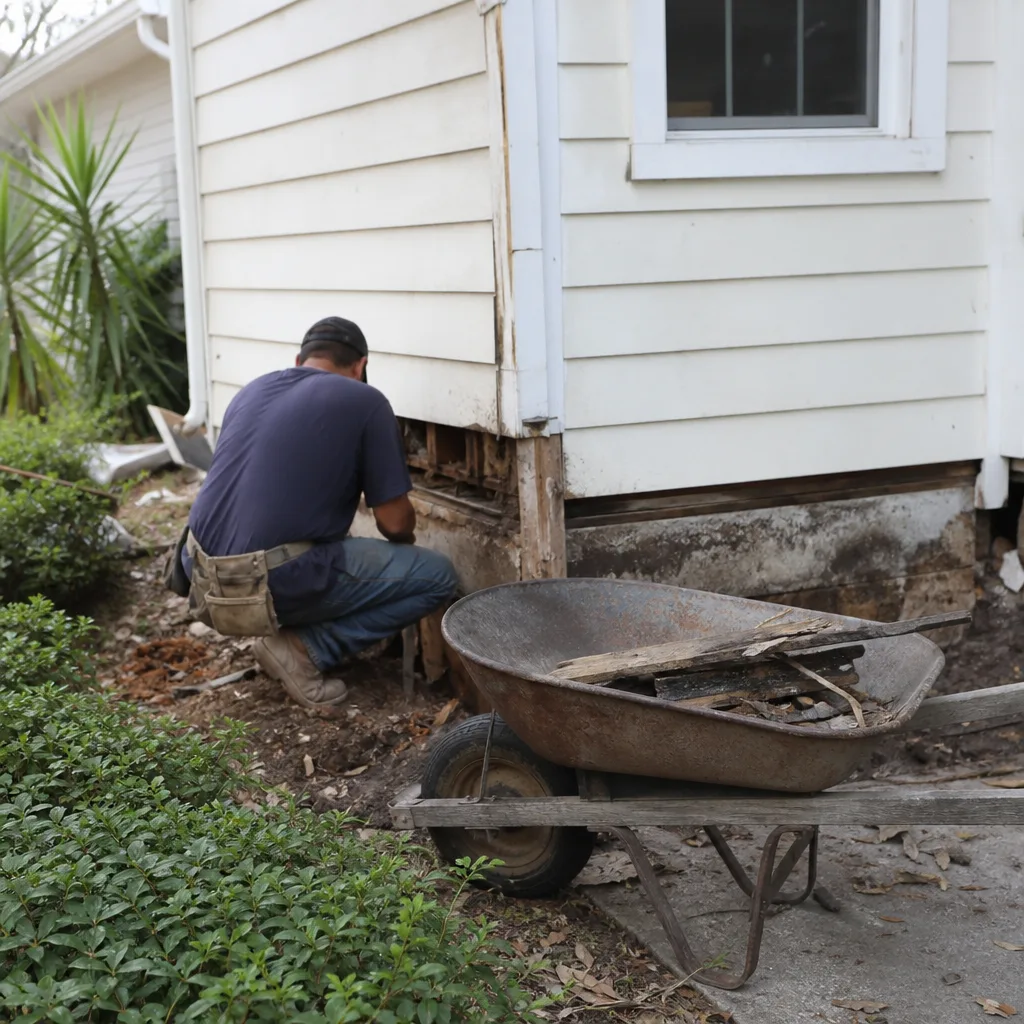 Before
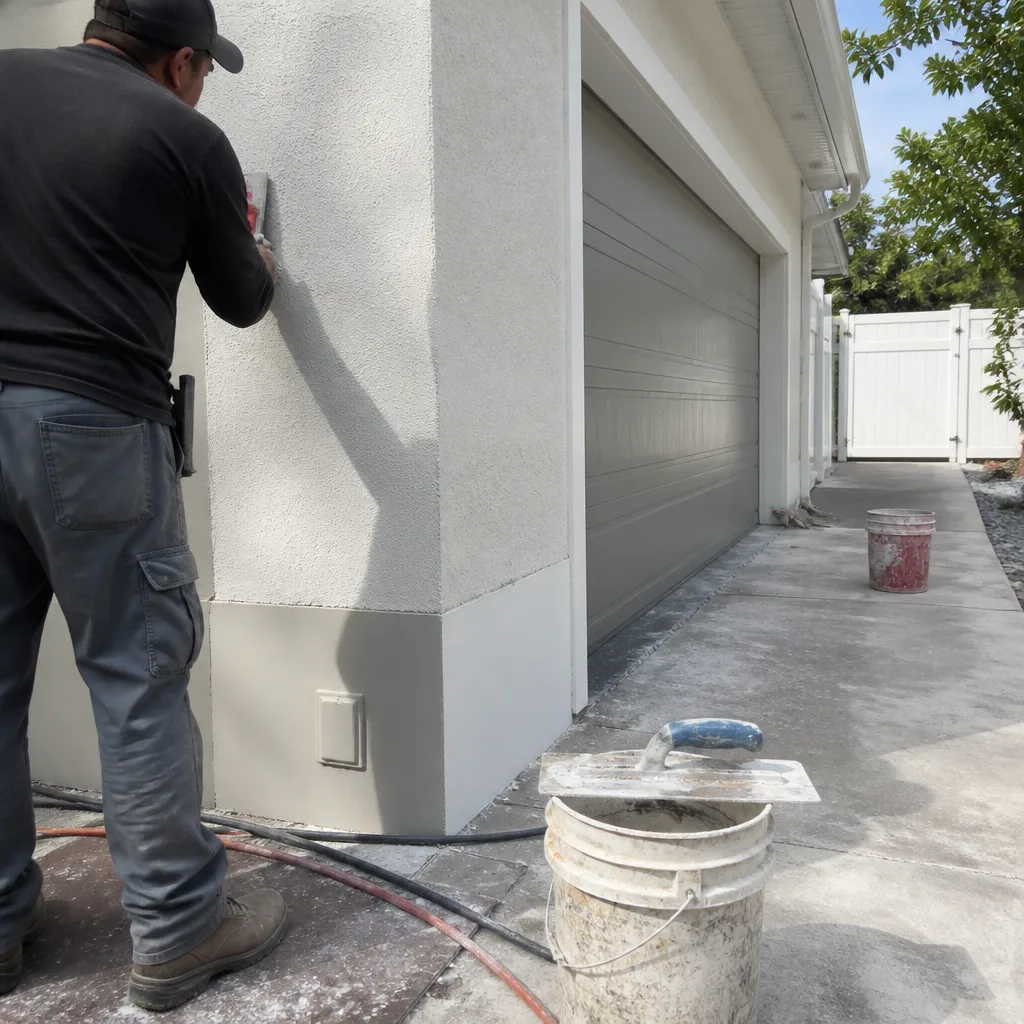 After
After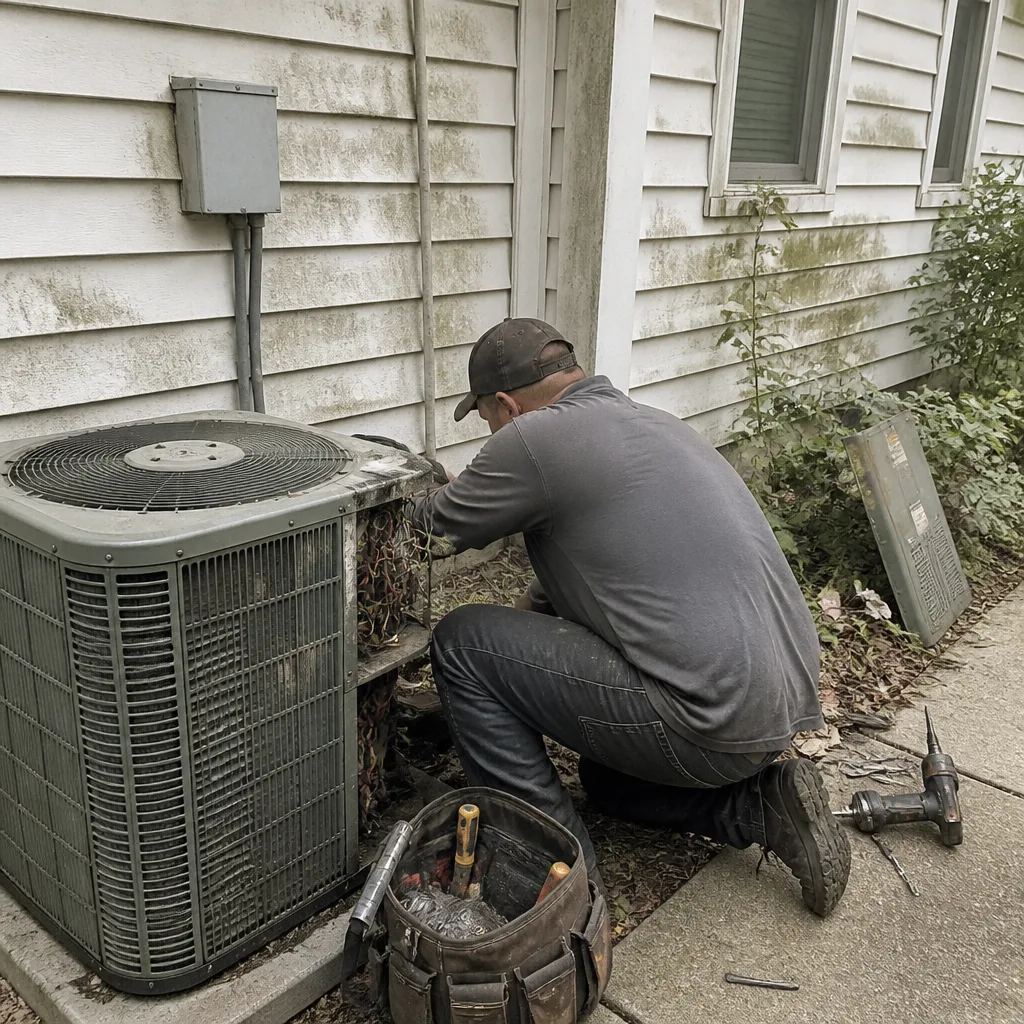 Before
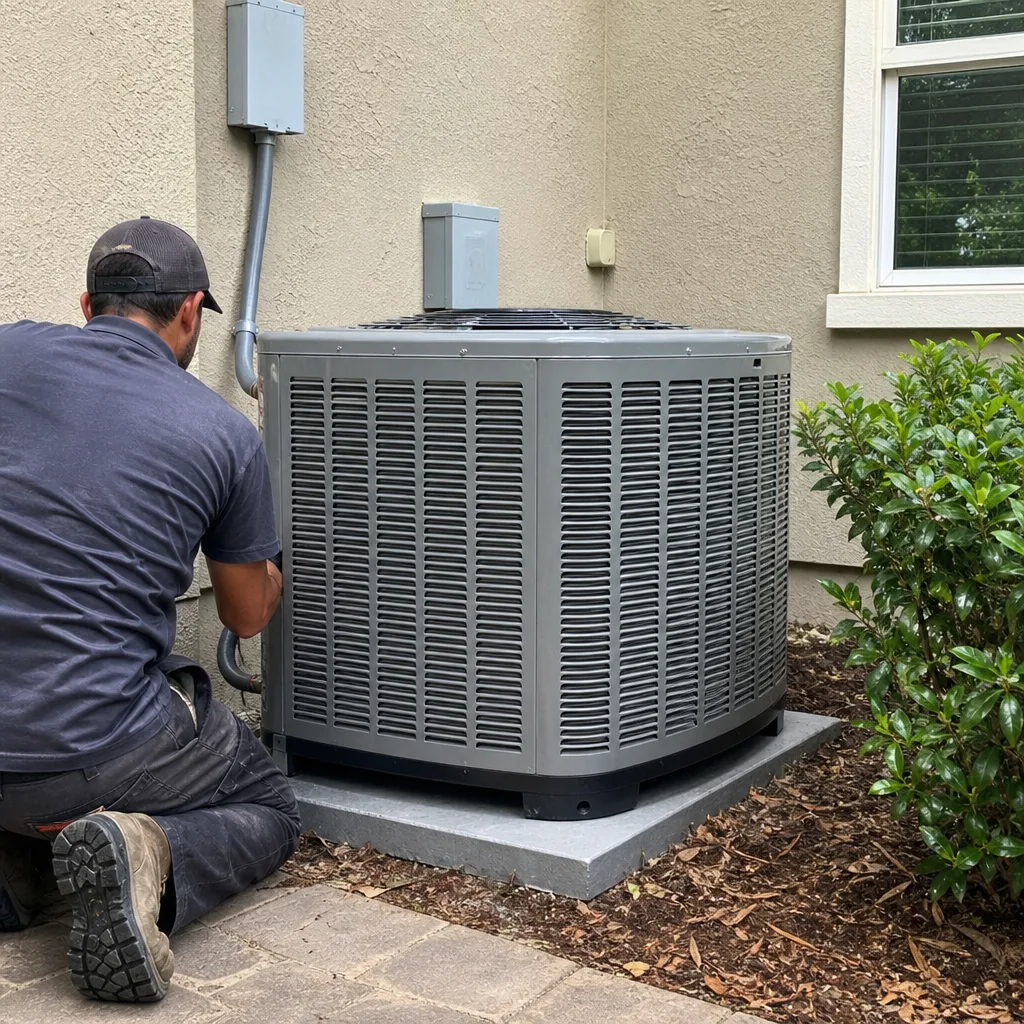 After
After Before
 After
AfterWhen to Call a Professional
Some Orlando projects are genuinely DIY-friendly: painting a bedroom, swapping a faucet, replacing a light fixture. Others are not. Call a professional when your project involves moving a load-bearing wall (and you don’t know which walls are load-bearing), altering plumbing or electrical, opening the building envelope (windows, doors, siding), or any foundation work. These scopes require permits in every Orlando jurisdiction, and permits require a licensed contractor of record. Attempting to pull permits as an owner-builder on structural work exposes you to liability if something fails later, and it complicates resale. For larger scopes like a full bathroom remodel in Orlando or a whole-home remodel in Orlando, the professional does more than swing a hammer: they manage the permit pipeline, coordinate inspections, and stand behind the finished product with a written guarantee. Mason Remodeling Co Orlando offers free estimates in Orlando. Call (850) 920-7745 to schedule yours.
Frequently Asked Questions

Construction in Orlando typically costs $120 to $450 per square foot depending on scope, with basic remodeling at the low end, mid-range additions around $200 to $300, and custom whole-home builds at $350 to $450. These figures reflect Orlando’s specific material costs, wind-load requirements, and labor market, which differ from other Florida metros. Call (850) 920-7745 for a written estimate on your specific project.
Permit review in City of Orlando takes 10 to 15 business days for typical residential projects; Orange County unincorporated areas run 20 to 30 business days; Osceola County runs 15 to 25 business days. Your timeline depends on your property’s jurisdiction, which you can verify through the property appraiser’s office. Budget an additional one to two weeks for corrections and inspector scheduling.
Yes, if your bathroom remodel involves moving plumbing, electrical, or structural elements. Cosmetic changes like replacing a vanity or painting do not require a permit, but any work behind the walls does. A licensed contractor pulls the permit in Orlando; if your contractor asks you to pull it yourself, that’s a red flag.
On a contract, “hurricane-hardened” should mean the project meets Florida Building Code wind-load requirements with specific materials: engineered roof-to-wall connections, impact-rated windows with stated design pressure ratings, and a wind-rated garage door. On an inspection report, it means those items passed field inspection. Ask your contractor for the inspection report after the build; if they can’t produce it, the claim wasn’t verified.
Orlando’s labor pool tightens in spring because tourism season peaks from November through April, pulling workers into hospitality jobs. Peak demand plus a smaller residential labor pool drives bids 10 to 15 percent higher in March and April than in September. Shifting your start date to late summer can save $15,000 to $25,000 on a typical whole-home remodel.
Florida law caps contractor deposits at 10 percent of the contract price or $1,000, whichever is less, for residential work. Any Orlando contractor requesting more than that up front is violating state law. Mason Remodeling Co Orlando delivers a written price before any work starts, so you know the full number before you commit anything.
The Bottom Line
Orlando construction rewards homeowners who plan around the city’s specific realities: clay soil that affects foundations, a labor market tied to hospitality cycles, a three-jurisdiction permitting system, and wind-load codes that must be met even on interior remodels. The homeowners who get the best results do three things: they check their jurisdiction before budgeting, they demand a written price that doesn’t change, and they verify exactly who is coming to the door before the project starts. That last part is where Mason Remodeling Co Orlando home does things differently: the Threshold Standard means every crew member is background-checked, identity-verified, and introduced by name and photo before arrival. We’ve served Orlando since 2004, and every project comes with a written price before work begins and a written guarantee that covers the work for 365 days from completion. Call (850) 920-7745 to schedule your free estimate.
Written by Isaac Pruett, Owner at Mason Remodeling Co Orlando, serving Orlando since 2004.